Best Books on the Dot-Com Crash
Dot-com crash books that feel like a live wire: Dot.Con by John Cassidy and New New Thing by Michael Lewis track the bubble from inside the hype, then show the bill coming due.

Dot.Con
John Cassidy
Dot.Con spends years tracing how narrative, leverage, and regulatory blind spots turned internet hype into a marketwide addiction.
Narratives plus incentives beat facts until collapse.
Cassidy’s narrative history keeps the dot-com story grounded in incentives and institutions, not just eccentric founders. For the dot-com crash, it clarifies why the collapse was systemic, not a few bad bets.
New New Thing, The
Michael Lewis
The story of Jim Clark’s late-1990s rush shows how speed, ambition, and money can become a self-justifying feedback loop.
Momentum can rationalize anything for a while.
Lewis captures the emotional tempo of the internet frenzy while still pointing to the structural reasons it overheated. It’s ideal when you want the crash explained through the culture that preceded it.
Fools Rush In
Nina Munk
Fools Rush In turns a merger into a crash case study: one spectacular deal run on optimism, arrogance, and brittle assumptions.
A bad deal can spread bad valuation fast.
Munk zeroes in on how deal logic replaced due diligence during the boom. If your interest in the dot-com crash is how specific corporate choices cascaded into disaster, this delivers.
eBoys
Randall E. Stross
eBoys offers a ground-level map of venture capital when valuations were climbing faster than fundamentals.
VC incentives can manufacture market expectations.
Stross’ insider view explains how investors helped construct the bubble’s reality by rewarding scale and story over cash flow. That makes it a sharp companion to broader crash histories.
Lords of Easy Money
Christopher Leonard
Lords of Easy Money explains how easy credit and institutional design made risk feel optional for far too long.
Credit abundance can erase the price of risk.
Even though it’s broader than dot-com, it helps you see the recurring machinery behind asset bubbles: leverage, regulation, and incentives that flatten uncertainty. Great when you want the dot-com crash placed inside a bigger pattern.
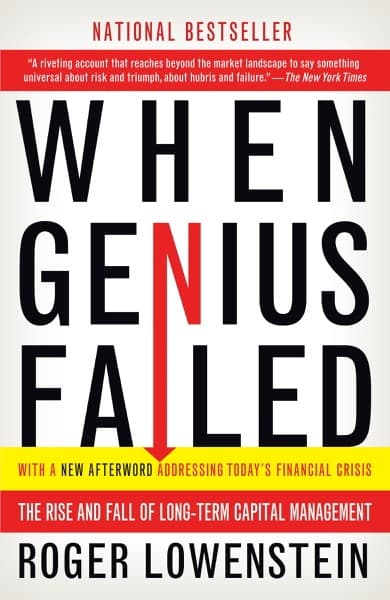
When Genius Failed
Roger Lowenstein, Roger Lowenstein
When Genius Failed shows how a model and a culture of brilliance can produce consistent errors at the worst possible moment.
Overconfidence plus leverage amplifies small mistakes.
Lowenstein frames the late-1990s risk culture in a way that clarifies the mental habits that survived the dot-com era and the ones that didn’t. It’s especially useful if you want the crash read as a lesson about assumptions, not just companies.
Momentum can rationalize anything for a while.
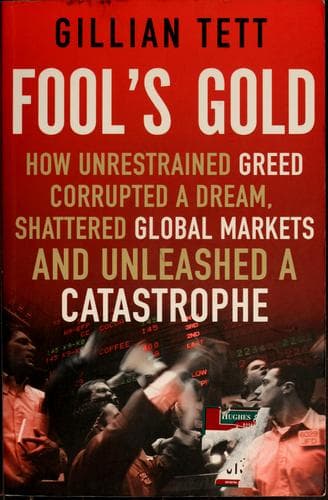
Fool's gold
Gillian Tett
Fool's gold dissects how clever finance innovations can spread like wildfire, long after the original safeguards have weakened.
Complexity can hide leverage and concentration.
Tett connects the aftermath of the dot-com era to the broader ecosystem of new products and prevailing myths about what markets can’t lose. If you want the crash’s legacy in how later excesses formed, this is the bridge.
Boom and Bust
William Quinn, John D. Turner
Boom and Bust treats bubbles like a repeatable phenomenon, mapping how they inflate, misprice, and unwind across history.
Bubbles run on feedback, not just excitement.
This is built for pattern recognition, so dot-com becomes one high-profile case inside a wider system of incentives and feedback. It’s a good fit when you want less nostalgia and more repeatable explanations.
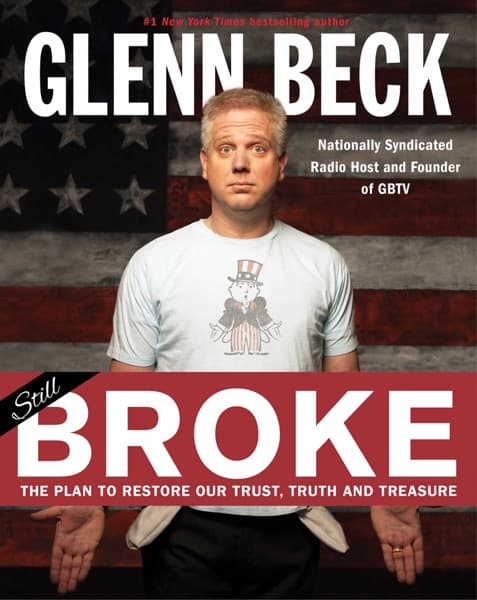
Broke
Glenn Beck, Kevin Balfe
Broke frames financial crashes through market psychology and political-economic friction, showing how panic and incentives collide.
Panic turns uncertainty into contagion.
Its approach is wider than the dot-com crash, but that can be an advantage if you’re tracking how public belief, policy choices, and market behavior reinforce each other during collapses. Expect less institutional microdetail, more crash-lens context.
Can we tailor this list for you?
Type your question in the bar below and the AI will tailor a fresh set of picks just for you.