Best Books on Internet Culture
Internet culture makes itself felt through language, attention, and incentives: Gretchen McCulloch in Because Internet, then social media engines in José van Dijck’s The culture of connectivity. These picks share one aim: turning online weirdness into readable patterns.
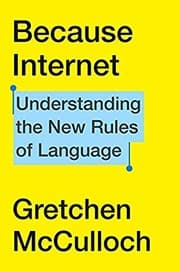
Because Internet
Gretchen McCulloch
Finish Because Internet and you’ll stop treating internet slang as randomness: you’ll hear grammar, history, and social signaling inside every meme and abbreviation.
Online language is social meaning, not broken grammar.
McCulloch tracks how internet language evolves, spread, and gains meaning in communities. That makes it a direct match for internet culture because it explains the human logic behind how people talk online, not just the words themselves.
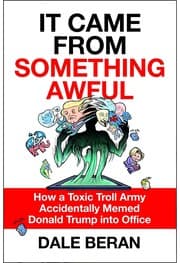
It Came from Something Awful
Dale Beran
It Came from Something Awful shows how a single message-board culture taught modern internet outrage and political targeting its tone and tactics.
Board culture can become political infrastructure.
Beran reconstructs how forum culture works: humor, participation, and in-jokes becoming platforms for broader online politics. If you want the roots of internet culture rather than the present-day surface, this connects subculture mechanics to real-world consequences.
The meme machine
Susan J. Blackmore
After The meme machine, memes stop being jokes and start behaving like cultural replicators with selection pressures of their own.
Memes evolve through variation, selection, and retention.
Blackmore builds a memetics lens for understanding how information spreads, stabilizes, and mutates. That matters for internet culture because memes are not just content: they are evolving units shaped by competition for attention and transmission.
The Shallows
Nicholas G. Carr
The Shallows reframes internet use as a cognitive environment that trains the mind toward quick scanning, not deep focus.
Tools can rewire attention and cognition.
Carr argues that networked media changes how attention is allocated and stored. For internet culture reading, it gives the missing underside: the platform not only changes what we see, it reshapes how we think while we’re there.
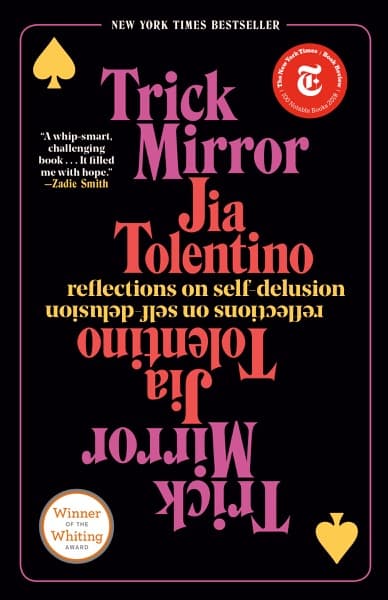
Trick Mirror
Jia Tolentino
Trick Mirror makes internet-era identity feel less like self expression and more like a performance optimized for visibility and critique.
Identity online is shaped by incentives and spectators.
Tolentino’s essays read internet-mediated life as a shifting mix of branding, culture work, and emotional consequence. It fits internet culture because it treats the online self as something produced by systems, media, and social pressure, not just individual choice.
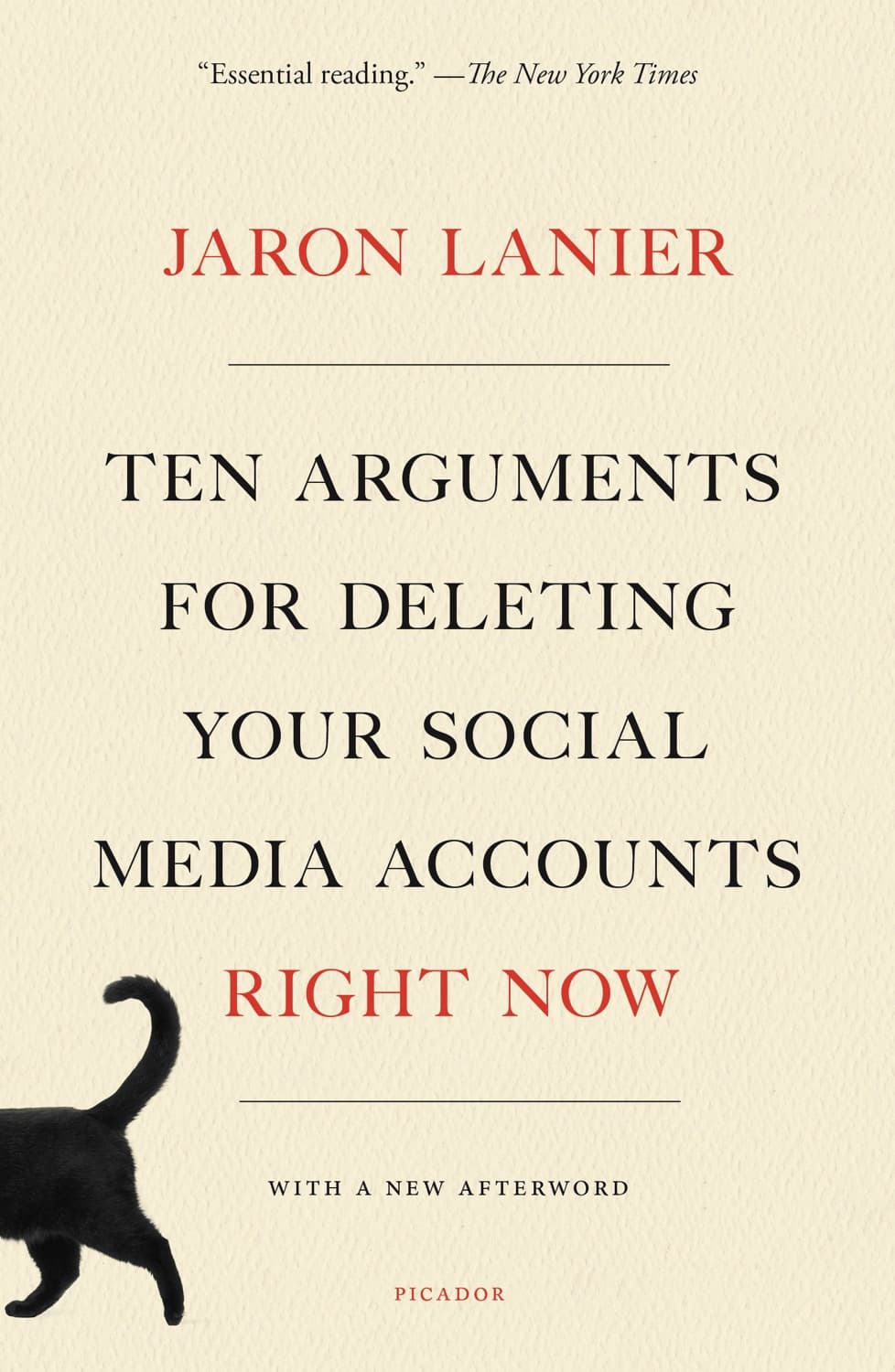
Ten Arguments for Deleting Your Social Media Accounts Right Now
Jaron Lanier
Lanier’s Ten Arguments pushes you to see social media not as a neutral space, but as an attention economy that profits from your participation.
Your data exhaust is the product.
Lanier makes incentives concrete: engagement metrics, data capture, and manipulation as business logic. For internet culture, this is a grounding counterweight to pure description: it explains what drives the tone and tactics of everyday sharing.
Board culture can become political infrastructure.
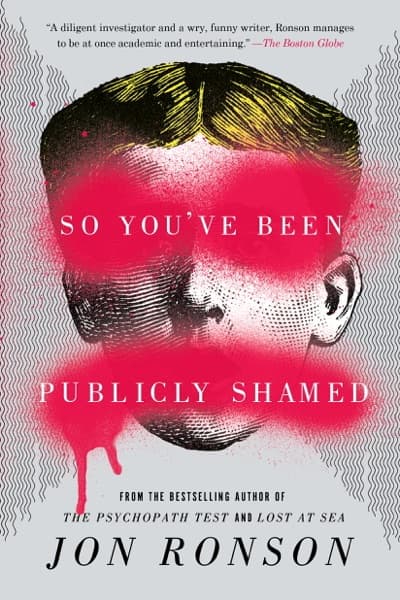
So You've Been Publicly Shamed
Jon Ronson
So You’ve Been Publicly Shamed turns viral outrage into a recognizably human machine: people get swept up, then scramble for off-ramps that often do not exist.
Viral punishment spreads through narrative momentum.
Ronson tracks the escalation patterns of public shaming and the psychological and social dynamics that keep it going. That directly serves internet culture interest because it shows how “culture” becomes behavior through platforms, virality, and group momentum.
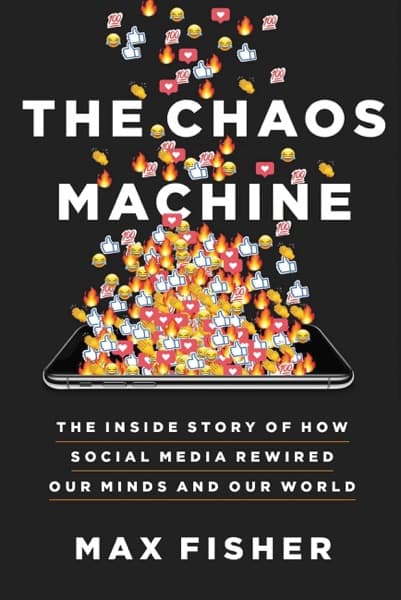
Chaos Machine
Max Fisher
Chaos Machine makes recommendation systems feel like political infrastructure: small ranking changes can cascade into mass manipulation and violence.
Feeds influence behavior, then politics, then policy.
Fisher synthesizes platform dynamics with downstream harms, tying internet culture to governance and real-world outcomes. For a big-picture grasp of internet culture, it connects the mechanics of feeds and amplification to how societies get reshaped.
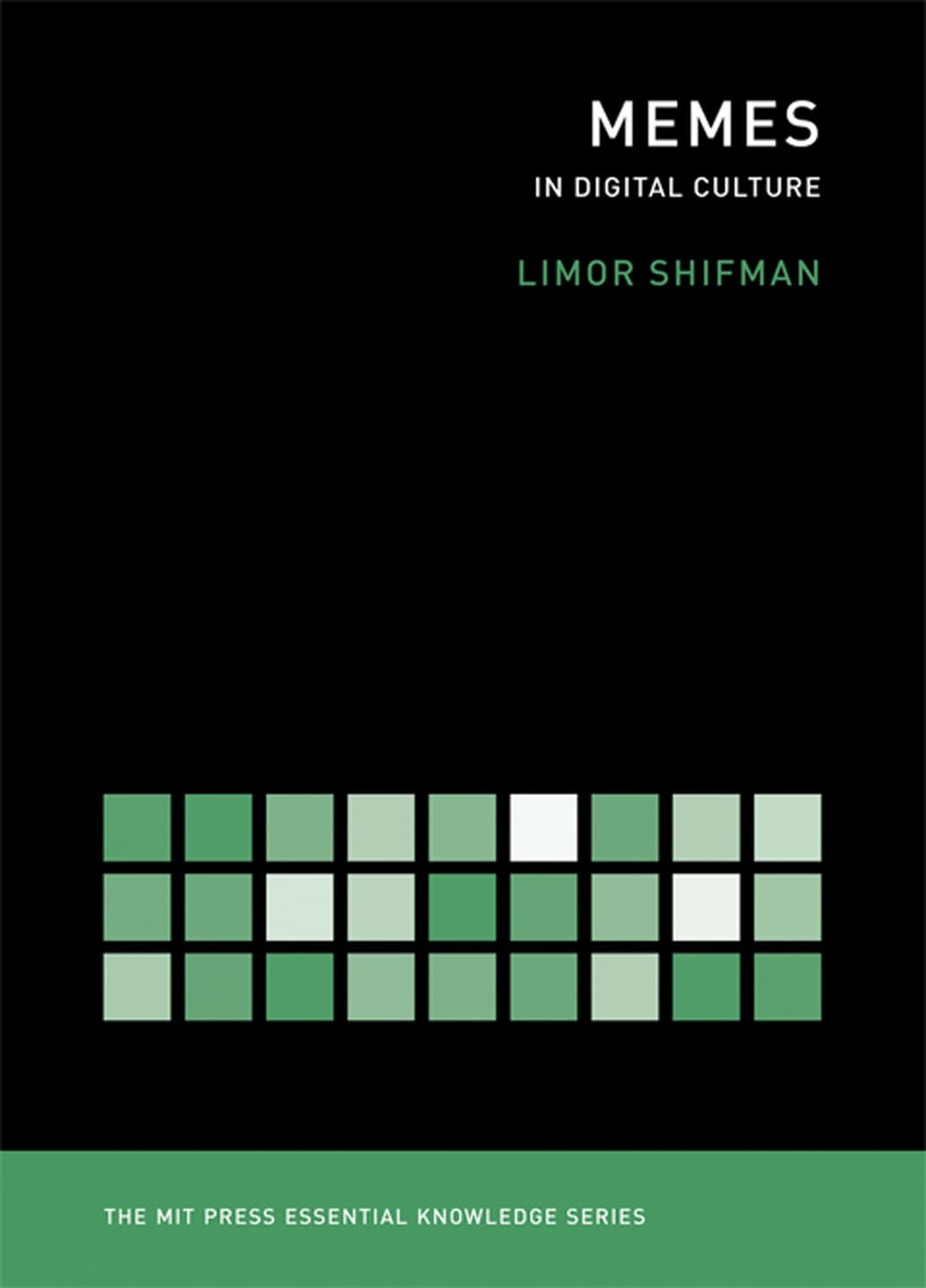
Memes in Digital Culture
Limor Shifman
Memes in Digital Culture shows memes as recognizable forms with rules for reuse, remixing, and meaning-making across online communities.
Memes follow genres of reuse and transformation.
Shifman treats memes as cultural artifacts with patterns, not random virality. For internet culture reading, this gives you a toolkit for interpreting how meme formats encode identity, ideology, and in-group knowledge.
Can we tailor this list for you?
Type your question in the bar below and the AI will tailor a fresh set of picks just for you.