Best Books on the Open Web and Net Neutrality
Open Web and net neutrality read like a tug of war between architecture and control. Tim Wu’s The Master Switch anchors the stakes, while Lessig’s Code explains how policy and code shape what stays open.
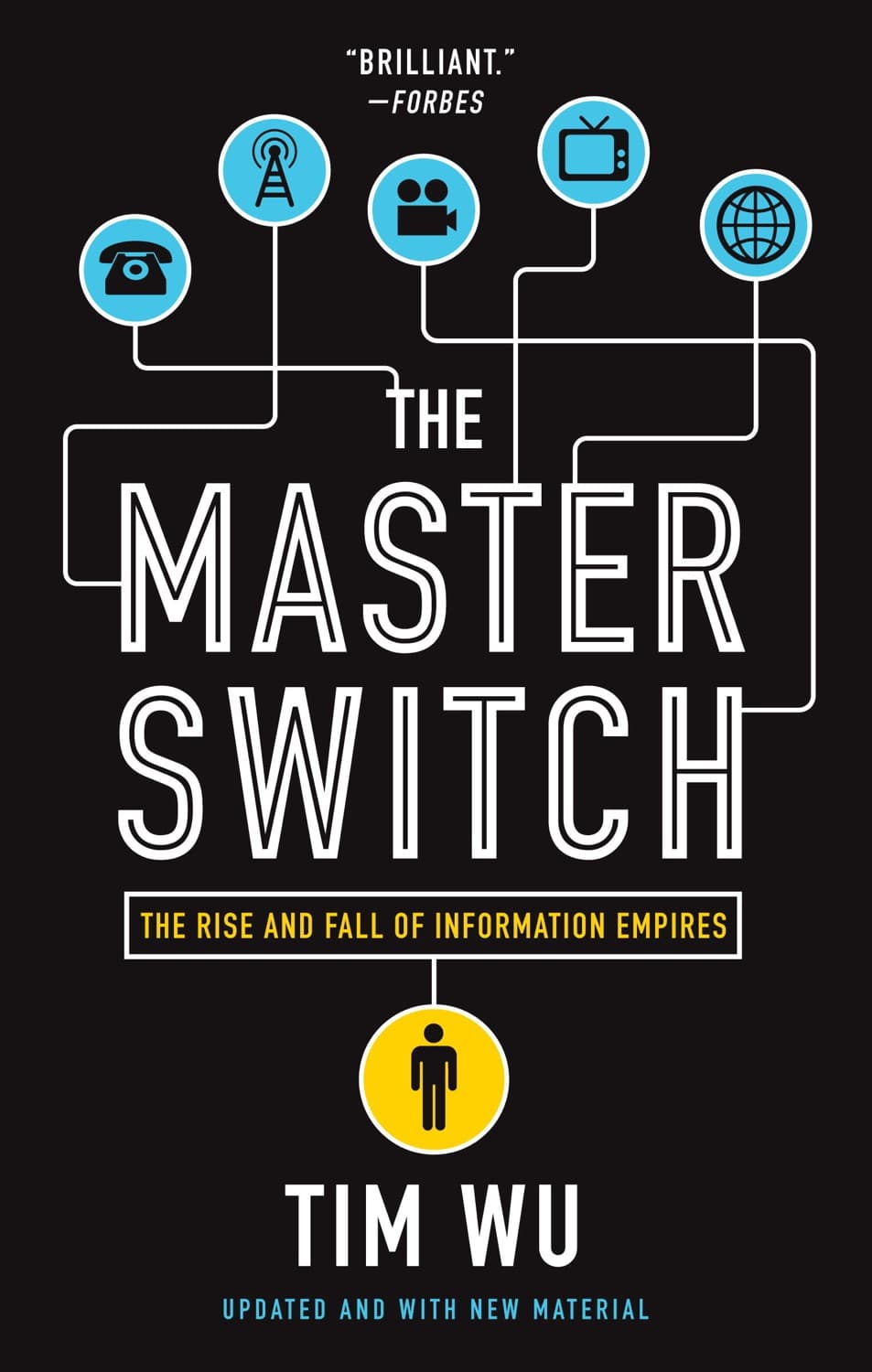
The Master Switch
Tim Wu
After reading The Master Switch, the “open internet” feels less like default and more like a pattern that gets reversed by information empires.
Openness tends to trigger a rollback into control.
Wu traces how openness cycles into control through communication monopolies, tying today’s fights over neutrality to familiar power moves. That history helps you evaluate net neutrality as more than a technical rule: it is a recurring governance contest.
The Internet Trap
Matthew Hindman
Hindman makes the internet’s openness look survivable but not immune: influence migrates toward hubs that reshape the web’s “free” structure.
Openness without governance still yields concentration.
The book examines how concentrated power reasserts itself even when the underlying network is open. For net neutrality debates, it sharpens the question from access rights to who gets leverage over the flows.
Code
Lawrence Lessig
Code convinces you that net neutrality is not only a regulatory choice, it is an outcome of design plus enforcement.
Regulation includes law, markets, and code.
Lessig’s core claim is that architecture and law together determine freedom, not just the existence of “open” networks. That lens turns neutrality from a slogan into a practical mechanism: modify the rules, and the network’s behavior changes.
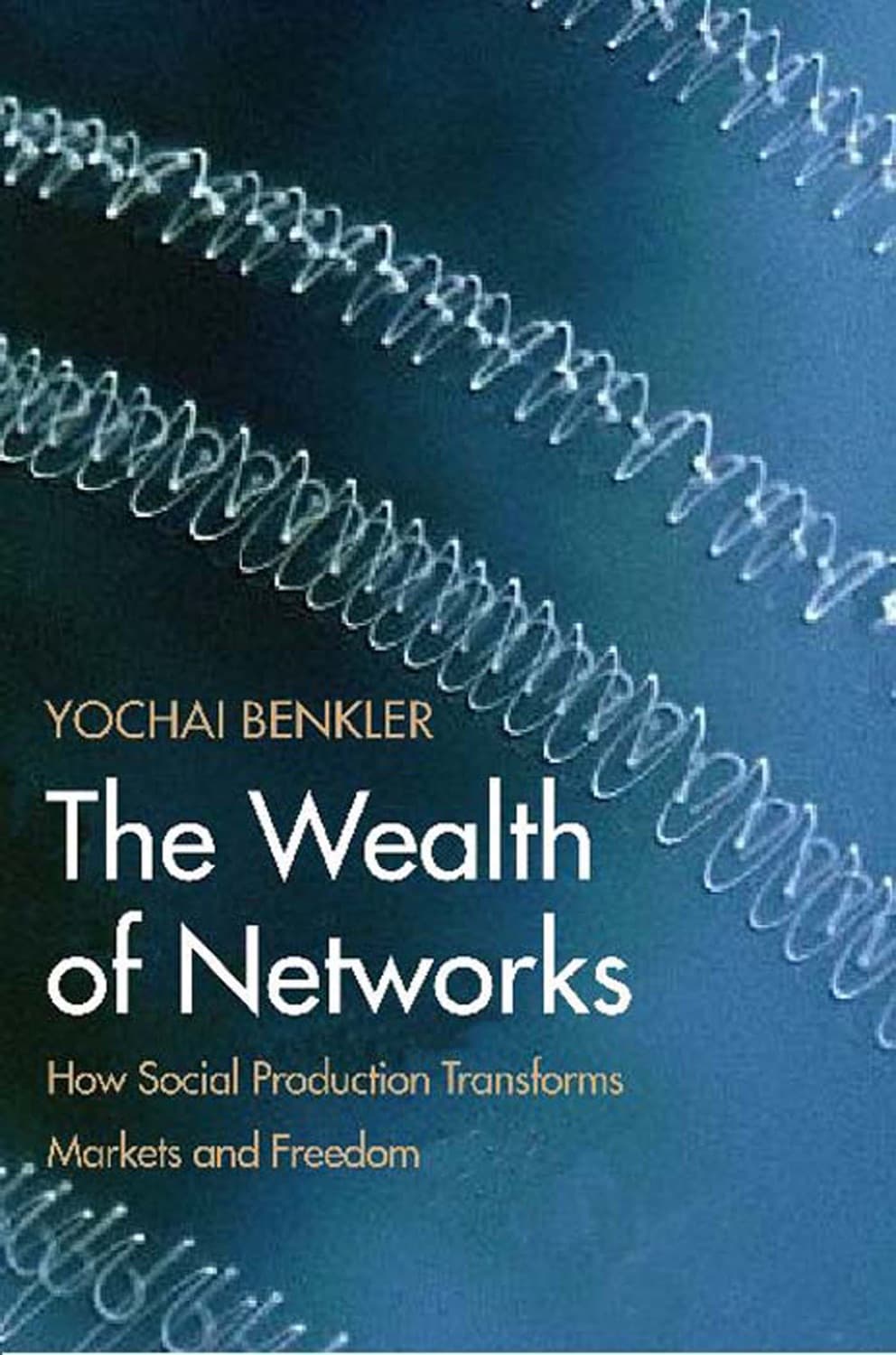
The Wealth of Networks
Yochai Benkler
Benkler reframes openness as productive infrastructure: when coordination gets cheaper, more people can create and share without permission.
Networked sharing enables commons-based production.
The book builds the positive case for open systems by showing how networked collaboration produces real value. For net neutrality, it supplies the “why openness matters” argument beyond fairness: it explains what open access enables.
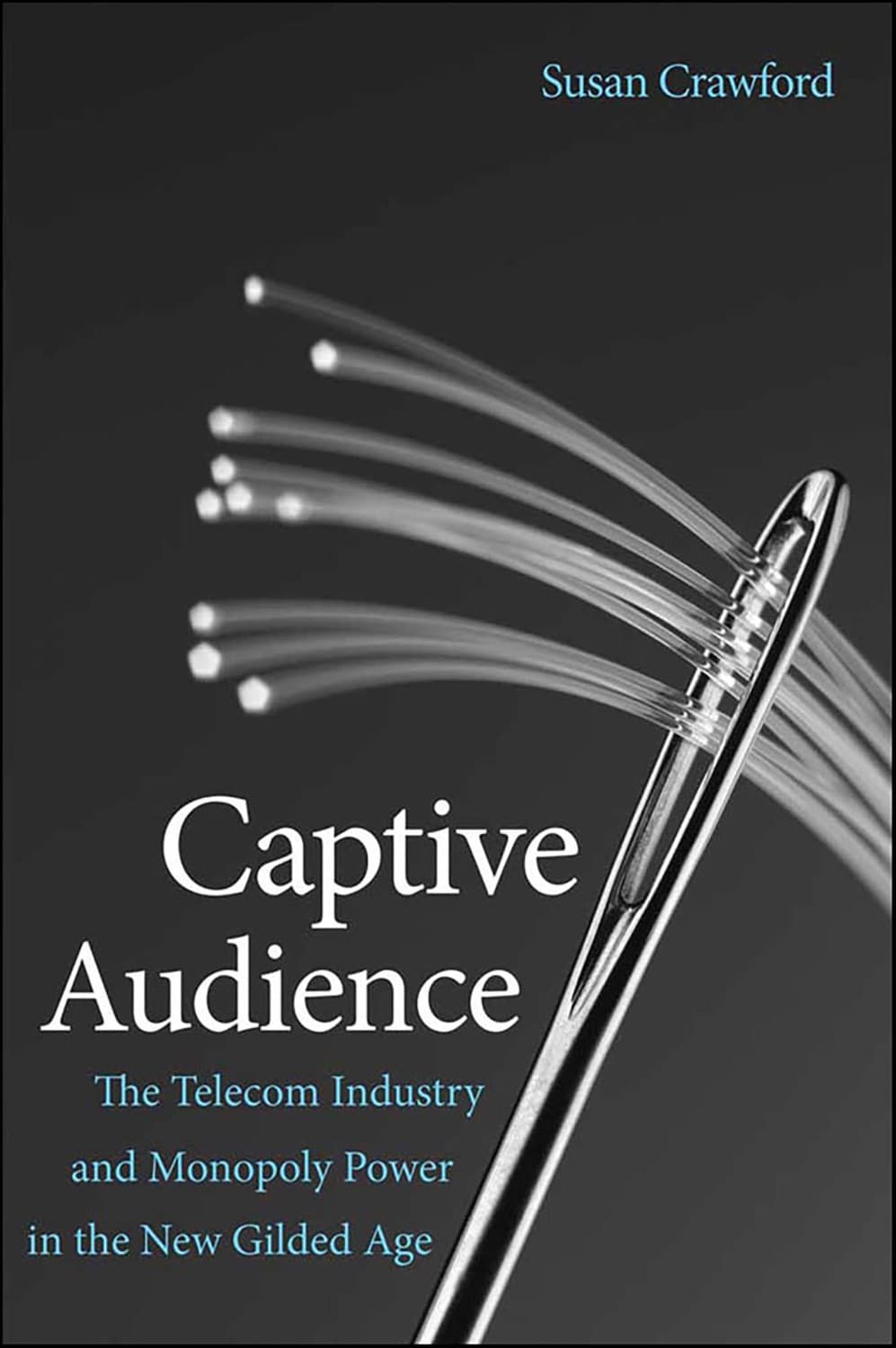
Captive Audience
Susan P. Crawford
Crawford shows that broadband and net neutrality are about bargaining power: the “last mile” can turn neutrality into leverage or restraint.
Infrastructure owners can act as gatekeepers.
Her analysis clarifies how infrastructure ownership and policy decisions determine whether users and innovators face open pathways or managed traffic. It connects the legal stakes of net neutrality to concrete market dynamics that either protect or erode openness.
The net delusion
Evgeny Morozov, E. Morozov, Eduardo G. Murillo
The net delusion forces you to treat “open internet optimism” as a hypothesis that can fail under surveillance, repression, and incentives.
Connectivity does not equal emancipation.
This book critiques the naïve view that connectivity automatically yields freedom, which matters when net neutrality is framed as a moral certainty. It pushes you to ask what power, enforcement, and incentives actually do to an open web.
Openness without governance still yields concentration.
The Creation of the Media
Paul Starr
Starr makes modern media openness feel like a repeating political economy cycle: institutions seek control, then legal structures renegotiate the terms.
Media history repeats openness-versus-control politics.
Even when the focus is broader than the internet, Starr helps explain why neutrality fights look perennial rather than novel. That context helps you see net neutrality as part of long-running struggles over who gets to publish, distribute, and govern communication.
Can we tailor this list for you?
Type your question in the bar below and the AI will tailor a fresh set of picks just for you.