Best Books on Internet Surveillance and Privacy
Internet surveillance and privacy: Zuboff’s The Age of Surveillance Capitalism and Snowden’s Permanent Record give the moral and technical throughline. Together they explain how tracking became an economic system, not just a policy problem.

The Age of Surveillance Capitalism
Shoshana Zuboff
After finishing it, “free” platforms start to look like prediction factories: your behavior is turned into raw material for future control.
Surveillance capitalism turns behavior into prediction products.
Zuboff traces how data extraction becomes a new economic logic of behavioral prediction and influence. That framing fits internet surveillance and privacy because it connects personal tracking to platform power and incentives, not just government spying.
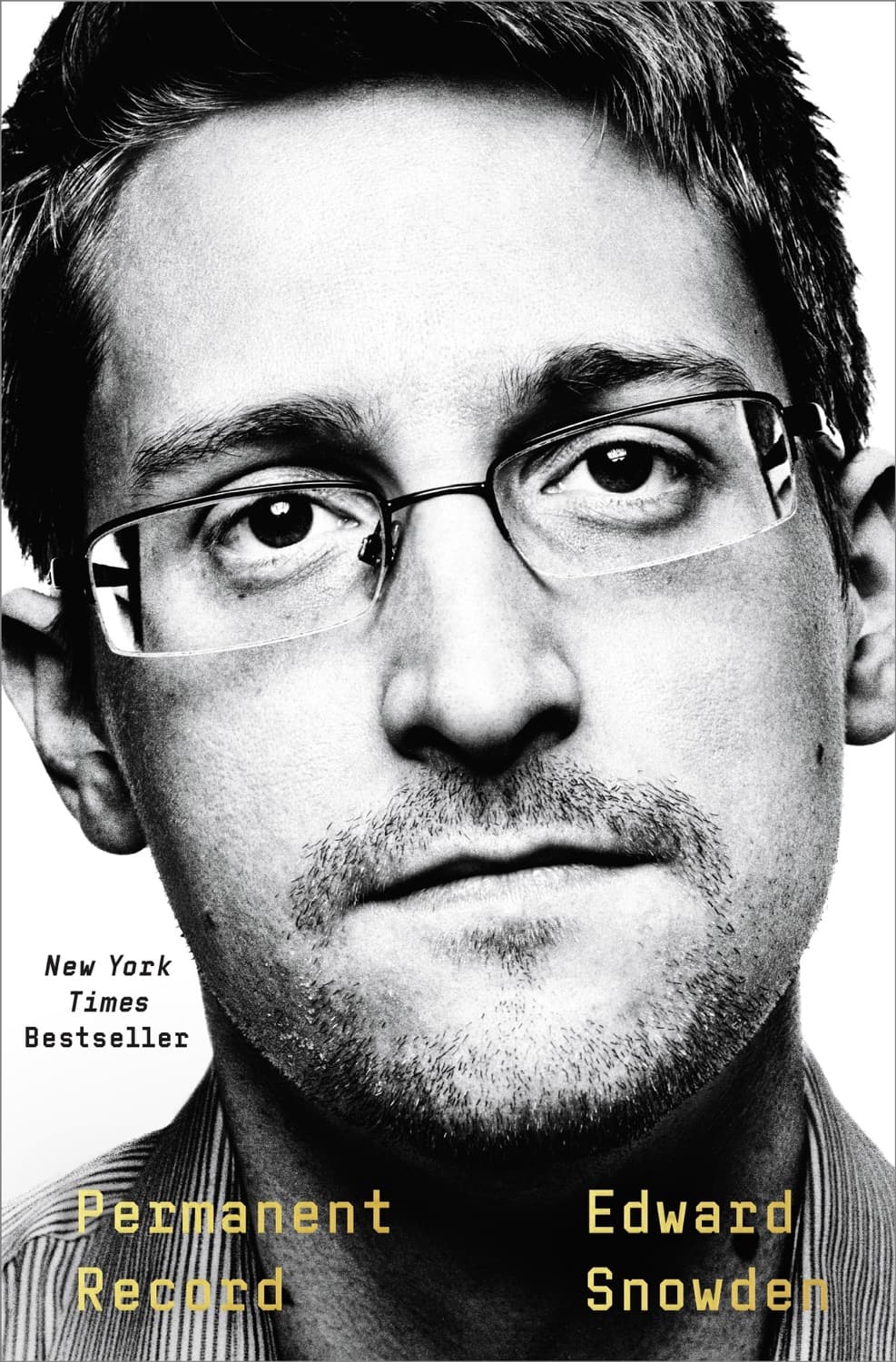
Permanent Record
Edward Snowden
Permanent Record makes the NSA surveillance question feel immediate: a single system can collect far more than its designers admitted publicly.
Personal privacy becomes policy theater without oversight.
Snowden’s insider account shows how large-scale surveillance is built, justified, and defended, with an emphasis on what citizens can unknowingly lose. It is especially relevant for privacy research because it grounds the issue in real decisions, real programs, and their human stakes.
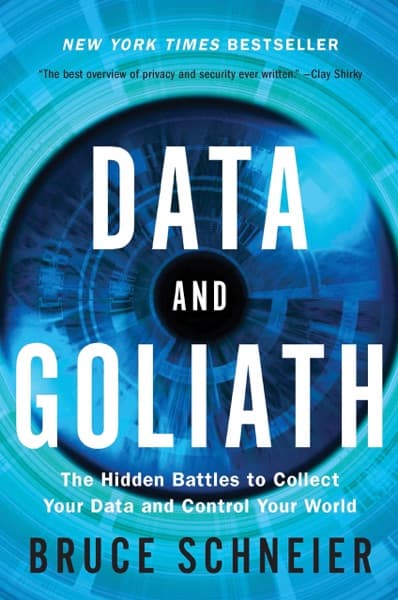
Data and Goliath
Bruce Schneier
Schneier argues privacy is not just a personal preference: it is infrastructure that shapes who has power.
Security and privacy are repeatedly traded away as “necessary.”
This book offers a readable map of mass surveillance across governments and corporations, focusing on systems and incentives. For internet surveillance and privacy, it helps you translate headlines into a clear model of what is being collected and why.
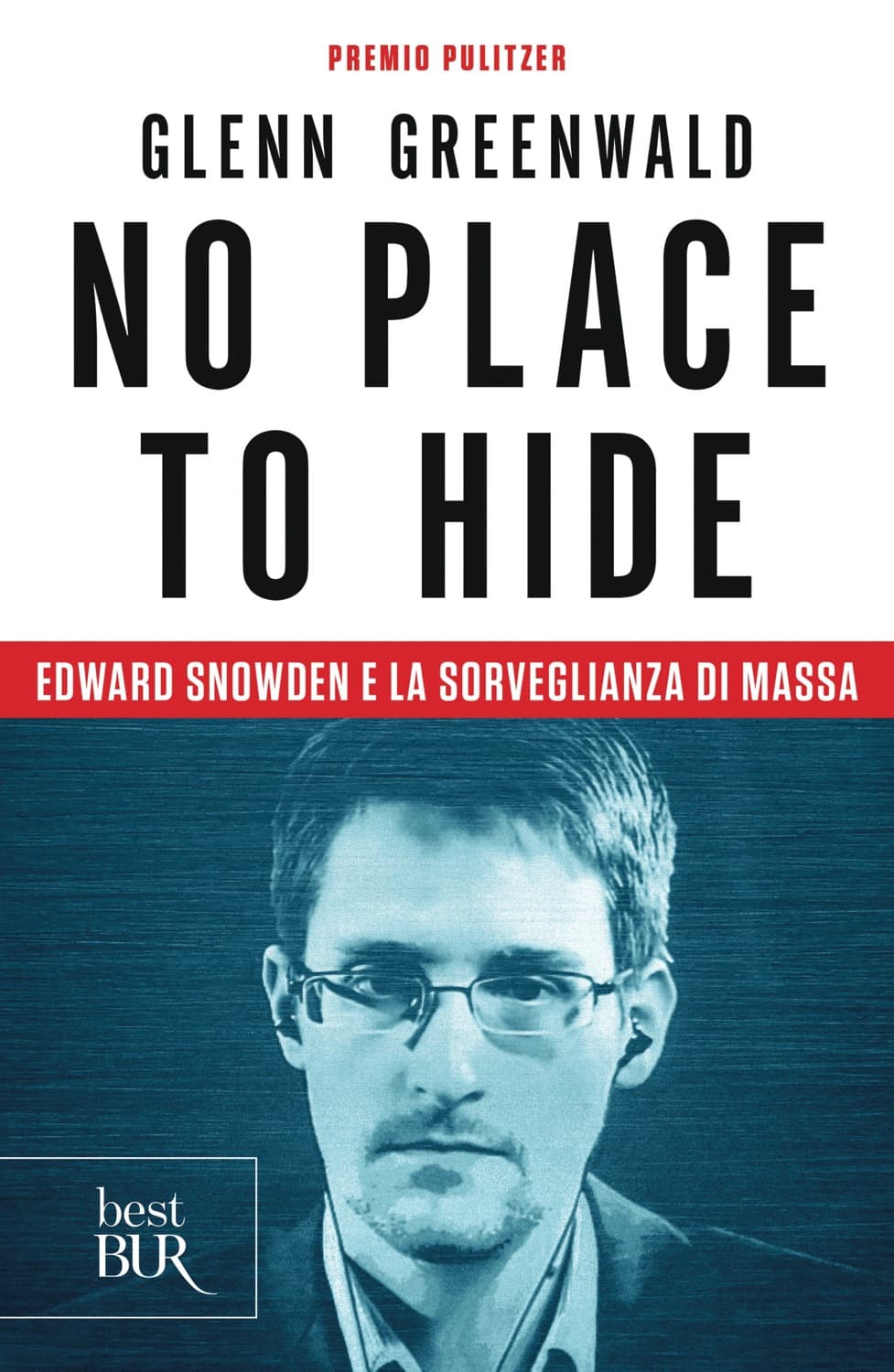
No Place to Hide
Glenn Greenwald
No Place to Hide shows surveillance as a network effect: leaks reveal a global architecture, not isolated incidents.
Mass surveillance relies on networks, not single spies.
Greenwald’s reporting connects the Snowden documents to the real operations and partnerships that make surveillance work at scale. That makes it a strong match for internet surveillance and privacy because it connects technical capability to institutional reach and consequences.

The Attention Merchants
Tim Wu, Tim Wu
The attention economy turns privacy into a cost the market can undercut, by monetizing what people reveal without fully understanding.
“Attention” monetization drives surveillance by design.
Wu’s history traces how monetized attention reshaped media incentives and made tracking more valuable over time. This matters for internet surveillance and privacy because it shows how privacy erosion becomes profitable, especially when data can target and manipulate attention.

Fight for Privacy
Danielle Keats Citron
Citron reframes privacy as bodily and civil autonomy: surveillance harms are not merely inconvenience.
Privacy is a legal protection against digital vulnerability.
Fight for Privacy focuses on legal and practical harms, especially when data exposes people to manipulation, discrimination, or targeted abuse. For internet surveillance and privacy, it gives you a rights-based lens for why “consent” and “transparency” often fail in practice.
Personal privacy becomes policy theater without oversight.

Nothing to Hide
Daniel J. Solove
Solove dismantles “nothing to hide” by showing privacy violations target people even when they have nothing “secret.”
Privacy protects against misuse, not just secrecy.
The book responds to common defenses that equate privacy with hiding wrongdoing. It helps with internet surveillance and privacy because it clarifies the variety of harms, including chilling effects, power imbalance, and the creation of dossiers.
The Ethics of Privacy and Surveillance
Carissa Véliz
Véliz makes surveillance an ethical default: convenience becomes a moral choice with public costs.
Privacy is a condition for agency, not secrecy.
This book argues for privacy using everyday harms and philosophical clarity, aimed at non-specialists. It fits internet surveillance and privacy because it connects data practices to human dignity, autonomy, and social trust, beyond legal technicalities.
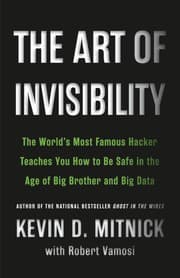
The Art of Invisibility
Kevin D. Mitnick, Robert Vamosi
After this, “digital footprint” stops sounding abstract: your online life is a map that others can read.
Assume everything you do can be logged and linked.
Mitnick and Vamosi focus on practical ways to reduce exposure to tracking and profiling, grounded in real-world tactics. For internet surveillance and privacy, it complements the big-picture critiques with concrete behavior changes.
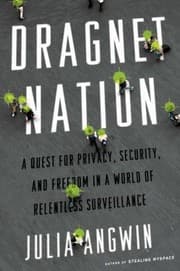
Dragnet Nation
Julia Angwin
Dragnet Nation reveals that much surveillance is ordinary: retailers, data brokers, and websites piece you together without calling it spying.
Data brokers assemble identities from everyday records.
Angwin’s journalism makes everyday tracking visible and shows how data gets used, traded, and resold. That directly supports internet surveillance and privacy by highlighting the less-covered pipeline between data collection and downstream profiling.
Can we tailor this list for you?
Type your question in the bar below and the AI will tailor a fresh set of picks just for you.