Best Books on the Origins of the Internet
Origins of the Internet make more sense through ARPANET storytelling and institutional tech history: Matthew Lyon and Katie Hafner, Janet Abbate, and M. Mitchell Waldrop connect early designs to why the network took shape.
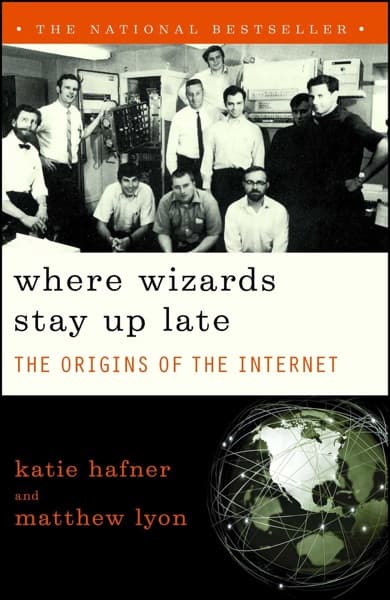
Where Wizards Stay Up Late
Matthew Lyon, Katie Hafner
Finishing Where Wizards Stay Up Late changes internet history from abstractions into a human timeline of decisions, disagreements, and prototypes that turned ARPANET into momentum.
ARPANET grew from people iterating under real constraints
You get the origin story as lived engineering and late-night problem-solving, not just milestones. That makes it ideal for understanding how the internet started: as many coordinated technical and social choices that finally aligned.
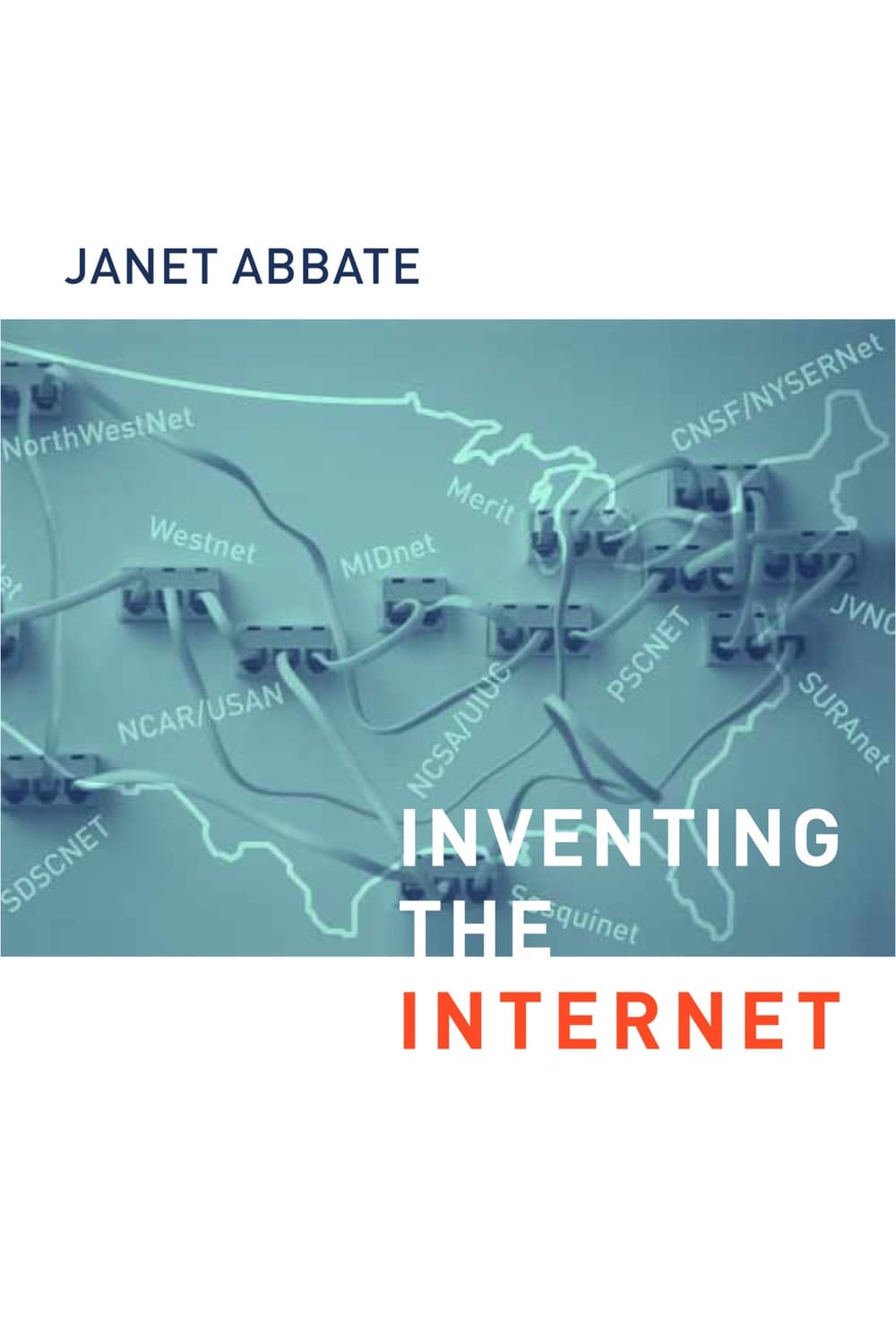
Inventing the Internet
Janet Abbate
Inventing the Internet shifts the question from who invented protocols to how organizations, standards, and communities made them workable at scale.
Protocols required institutions to become infrastructure
Abbate traces the internet’s origins across technical systems, governance, and social arrangements, so the “how” and “why” reinforce each other. If you are mapping origins, this gives you the institutional lens that explains why early designs survived.
The Dream Machine
M. Mitchell Waldrop
The Dream Machine makes the internet feel inevitable by mapping how interactive computing culture, not just cables, set the stage for networked computing.
Network culture emerged from interactive computing traditions
Waldrop goes earlier than most origin stories, building the prehistory of the tools, ideas, and experimentation that later enabled internet creation. If your focus is origins, it shows the upstream forces that made internet-scale work natural.
The Victorian Internet
Tom Standage
The Victorian Internet makes internet origins click by showing how telegraph-era networks anticipated many of the same dynamics: latency, coordination, and fast communication habits.
Telegraph-era lessons explain early internet network behavior
Standage uses comparison to illuminate what “internet-like” behaviors require, then ties those lessons back to the modern network’s early development. It is a surprising way to understand origins when you want more than a straight chronology.
Can we tailor this list for you?
Type your question in the bar below and the AI will tailor a fresh set of picks just for you.