Best Books on How the Internet Changed Media
The Attention Merchants by Tim Wu and The Shallows by Nicholas G. Carr draw a line from the internet to modern media economics: attention becomes the product. The picks below follow how that shift changed reading, production, and power.
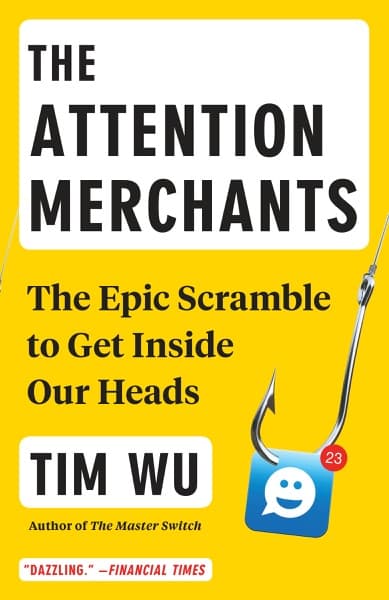
The Attention Merchants
Tim Wu, Tim Wu
Finish The Attention Merchants with a new instinct: to treat every viral metric, autoplay feed, and click spike as the outcome of an auction for attention.
Advertising moved from eyeballs to auctioned attention
Wu traces how digital platforms remixed advertising models into an attention market with distinct incentives and side effects. That framing makes the internet’s media impact concrete: not just new tools, but a new economy for what gets seen.
The Shallows
Nicholas G. Carr
After The Shallows, you may read the web like a cognitive environment: designed not only to inform, but to reshape how your mind remembers.
Hyperlinks train skimming over deep reading
Carr argues that internet use changes reading from deep, sustained absorption toward quick scanning habits. For media transformation, the key is psychological: the internet alters the medium inside the reader, which then changes what media can demand and deliver.
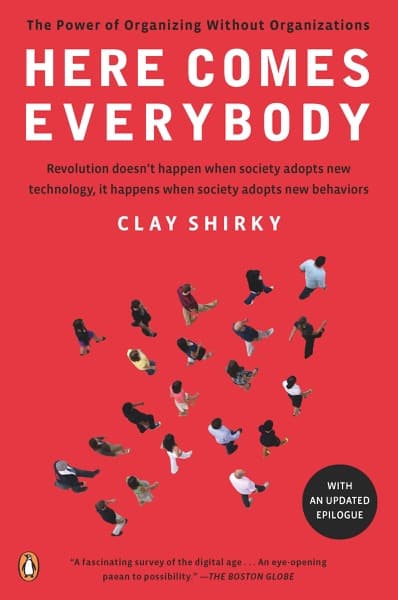
Here comes everybody
Clay Shirky
Here comes everybody reframes online media as a practical force: coordination becomes cheap, so publishing and collective action scale without traditional gatekeepers.
Internet lowers coordination costs for collective action
Shirky explains why the internet lowered the costs of organizing and distributing. That matters for “how media changed” because it’s not only distribution, it is production and mobilization: ordinary people can create audiences and content.
Convergence Culture
Henry Jenkins
Convergence Culture makes “old media meets new media” feel less like a slogan and more like a system where fans, platforms, and studios negotiate meaning.
Participatory culture: audiences co-create media meaning
Jenkins maps participatory culture across television, games, fandom, and the web, showing how audiences actively reshape media life. For your topic, that’s the transformation: the internet changes not just delivery, but interpretation and participation.
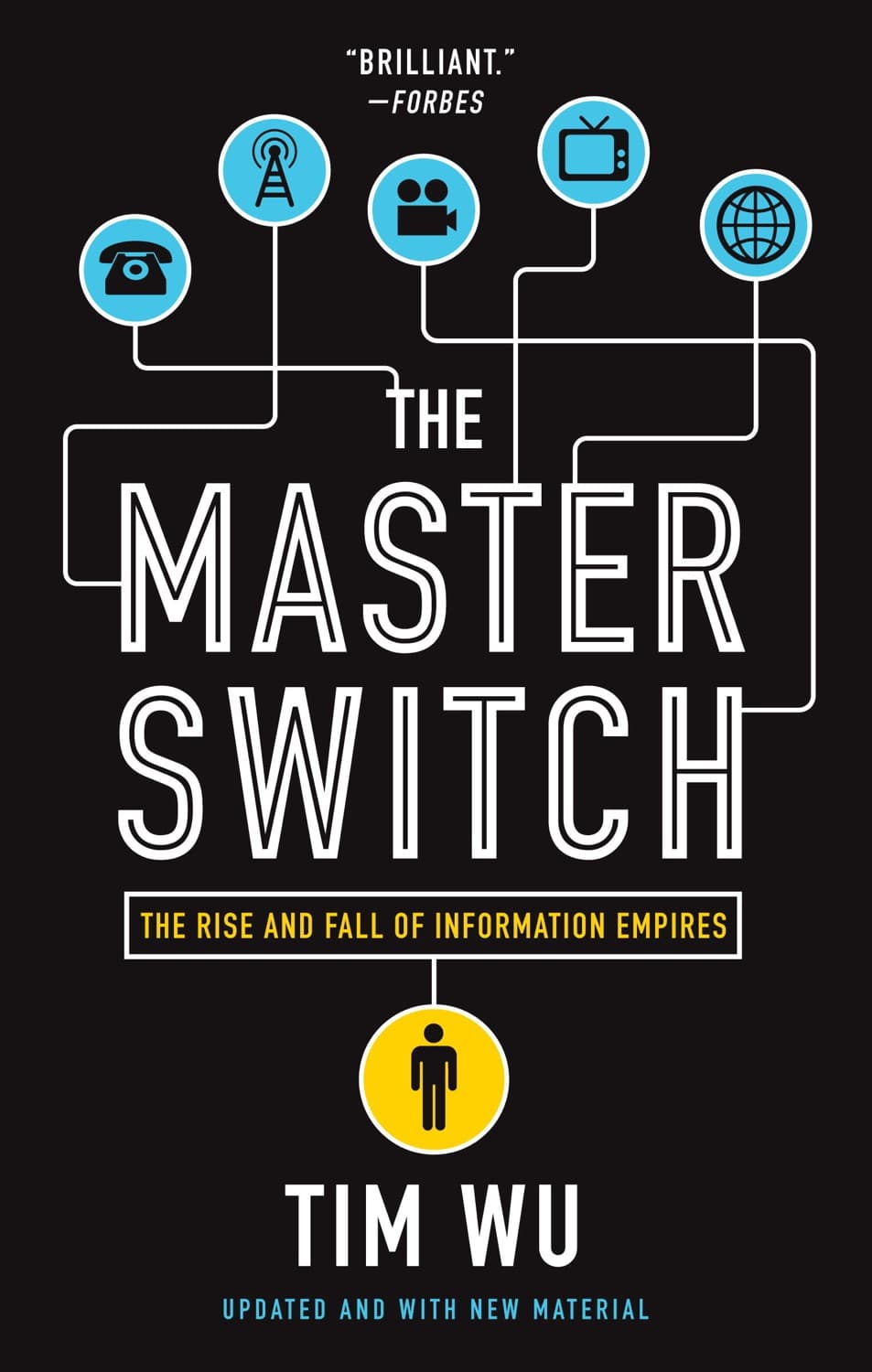
The Master Switch
Tim Wu
The Master Switch teaches you to see media history as a recurring pattern: innovators build networks, then consolidation turns them into controlled pipes.
Communication tech tends toward monopoly control
Wu’s arc from earlier communication monopolies to internet-era dynamics helps explain why today’s media ecosystem feels both revolutionary and strangely centralized. For your question, it links technological change to power: the medium shifts, and the bottleneck follows.
The Wealth of Networks
Yochai Benkler
The Wealth of Networks argues that networked media can work like a commons: collaboration and peer production compete with centralized markets.
Commons-based peer production can scale
Benkler explains how network architecture enables new models of sharing, creating, and distributing content. That matters because it grounds “internet changed media” in mechanism: abundance of bandwidth and modular production make non-market coordination viable.
Can we tailor this list for you?
Type your question in the bar below and the AI will tailor a fresh set of picks just for you.