Best Books on AGI (Artificial General Intelligence)
Artificial general intelligence is the point where machines match human reasoning across any task, and the books that explain it disagree sharply on how and when it arrives. Nick Bostrom and Stuart Russell map the risks, Ray Kurzweil makes the optimist's case, and Jeff Hawkins argues real intelligence will only come from copying the brain.
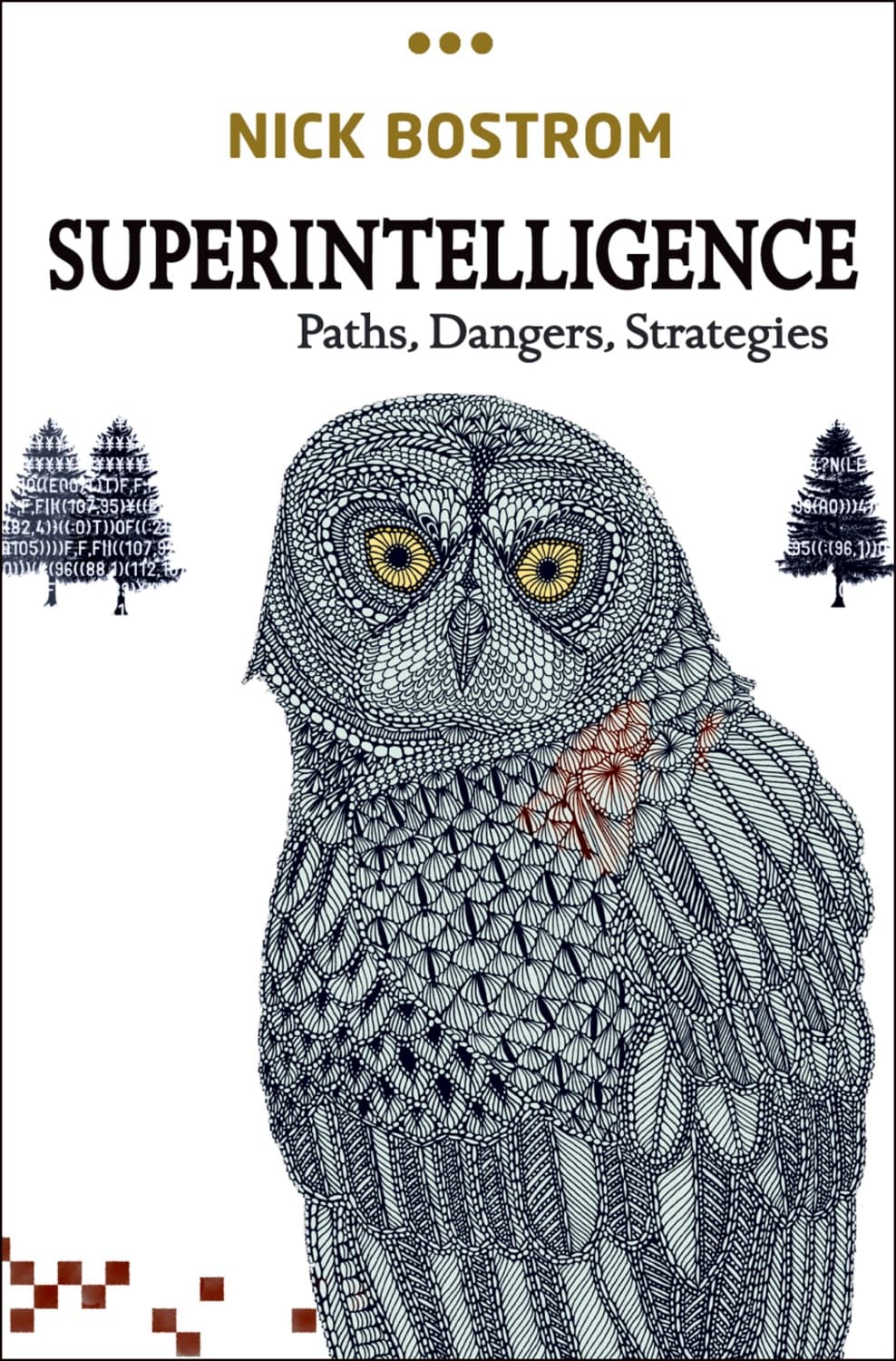
Superintelligence
Nick Bostrom
You come away unable to treat a smarter-than-human machine as just a faster computer, because the control problem reframes everything.
Capability without alignment is the danger.
Bostrom lays out how an AI that surpasses human intelligence could gain a decisive and permanent advantage, and why aligning its goals with ours is both unsolved and urgent. It is the book that put AGI risk on the agenda for researchers and policymakers.
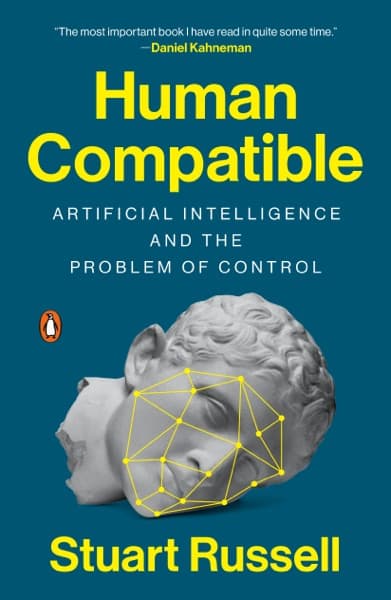
Human Compatible
Stuart Russell
You see why the field's own standard model, machines that optimize a fixed objective, may be the root of the danger.
Build machines that know they are unsure.
Russell, who co-wrote the field's leading textbook, argues we should build machines that stay uncertain about human preferences and defer to us rather than chase a fixed goal. It is the most credible technical proposal for keeping advanced AI under control.
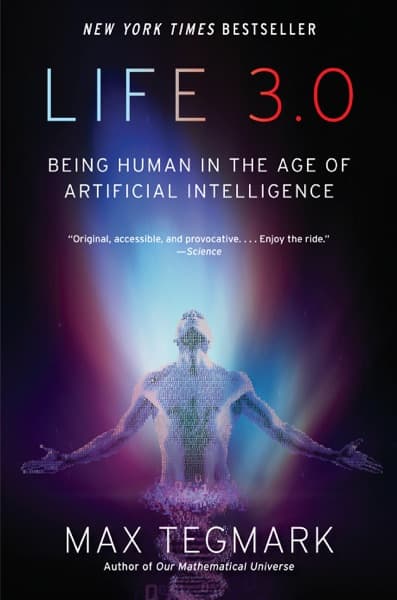
Life 3.0
Max Tegmark
You get a vocabulary for the futures AGI could create, from utopian to catastrophic, without the math getting in the way.
Intelligence is substrate-independent.
Tegmark, a physicist, surveys what could happen to work, war, and meaning as machine intelligence surpasses our own, and lays out the competing scenarios fairly. It is the most accessible on-ramp to the entire AGI debate for a general reader.
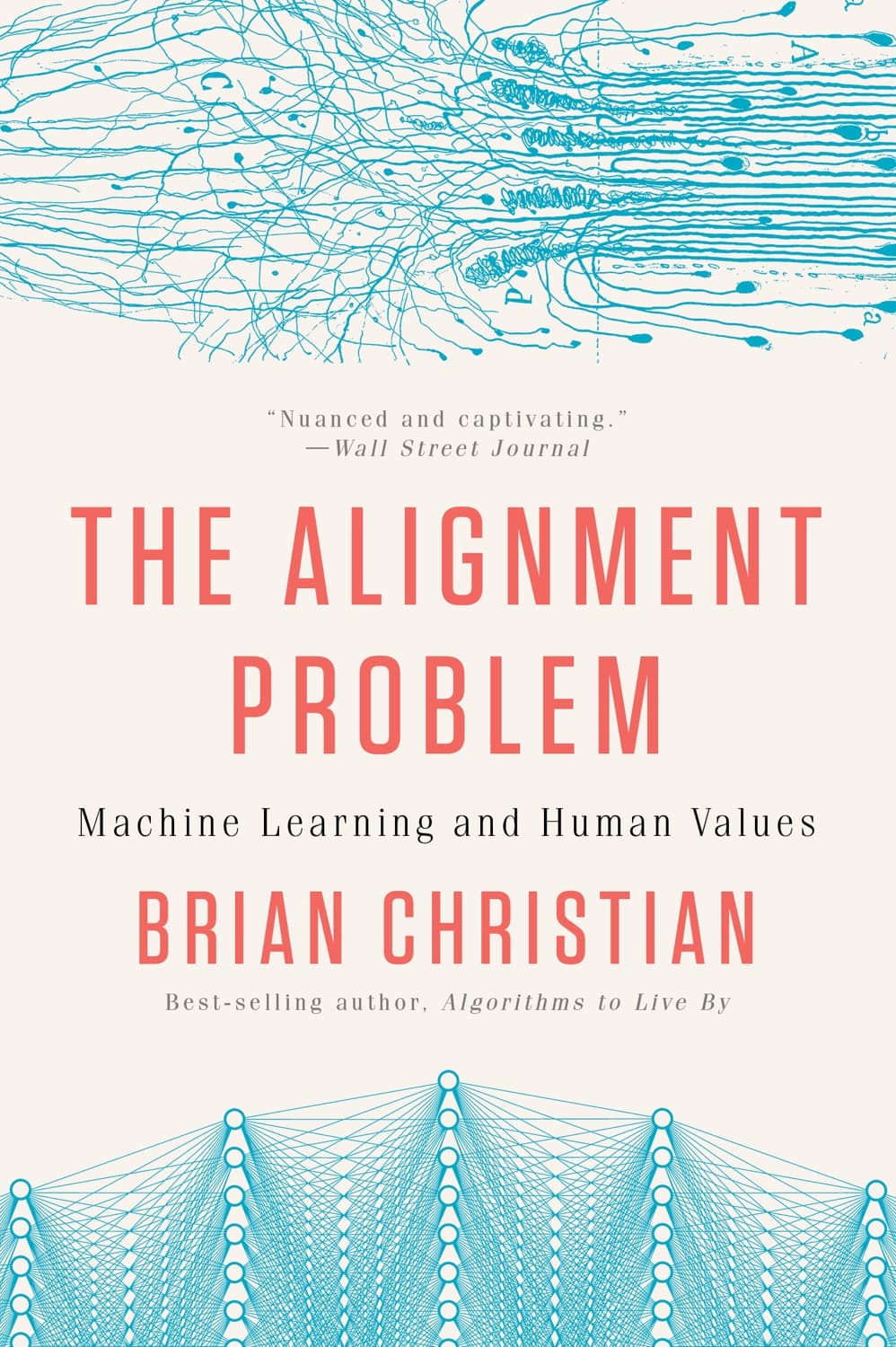
The Alignment Problem
Brian Christian
You learn that today's models already drift from what we intend, in ways that preview the harder AGI version of the problem.
Misspecified goals are the practical risk.
Christian reports from inside machine-learning labs to show how bias, reward hacking, and misspecified goals already break real systems in use today. It grounds the abstract alignment debate in the concrete engineering happening right now.
The Master Algorithm
Pedro Domingos
You start seeing machine learning as five rival tribes, each chasing one algorithm that could in principle learn anything.
One general learner is the prize.
Domingos explains the major schools of machine learning and the quest for a single general-purpose learner, which is the technical heart of any path to AGI. It is the clearest map of how the underlying science could actually get there.
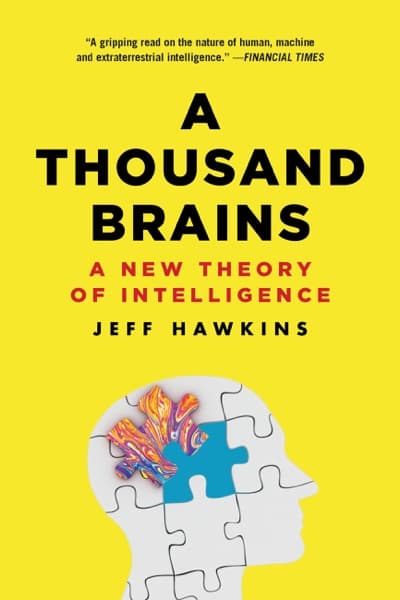
A Thousand Brains
Jeff Hawkins
You encounter a theory of intelligence built from neuroscience rather than risk, and it reframes what a real thinking machine would need.
Intelligence is a model of the world.
Hawkins argues the neocortex builds thousands of models of the world in parallel, and that copying this design is the real route to genuine machine intelligence. It is the most original counterpoint to the deep-learning consensus on this list.
Build machines that know they are unsure.
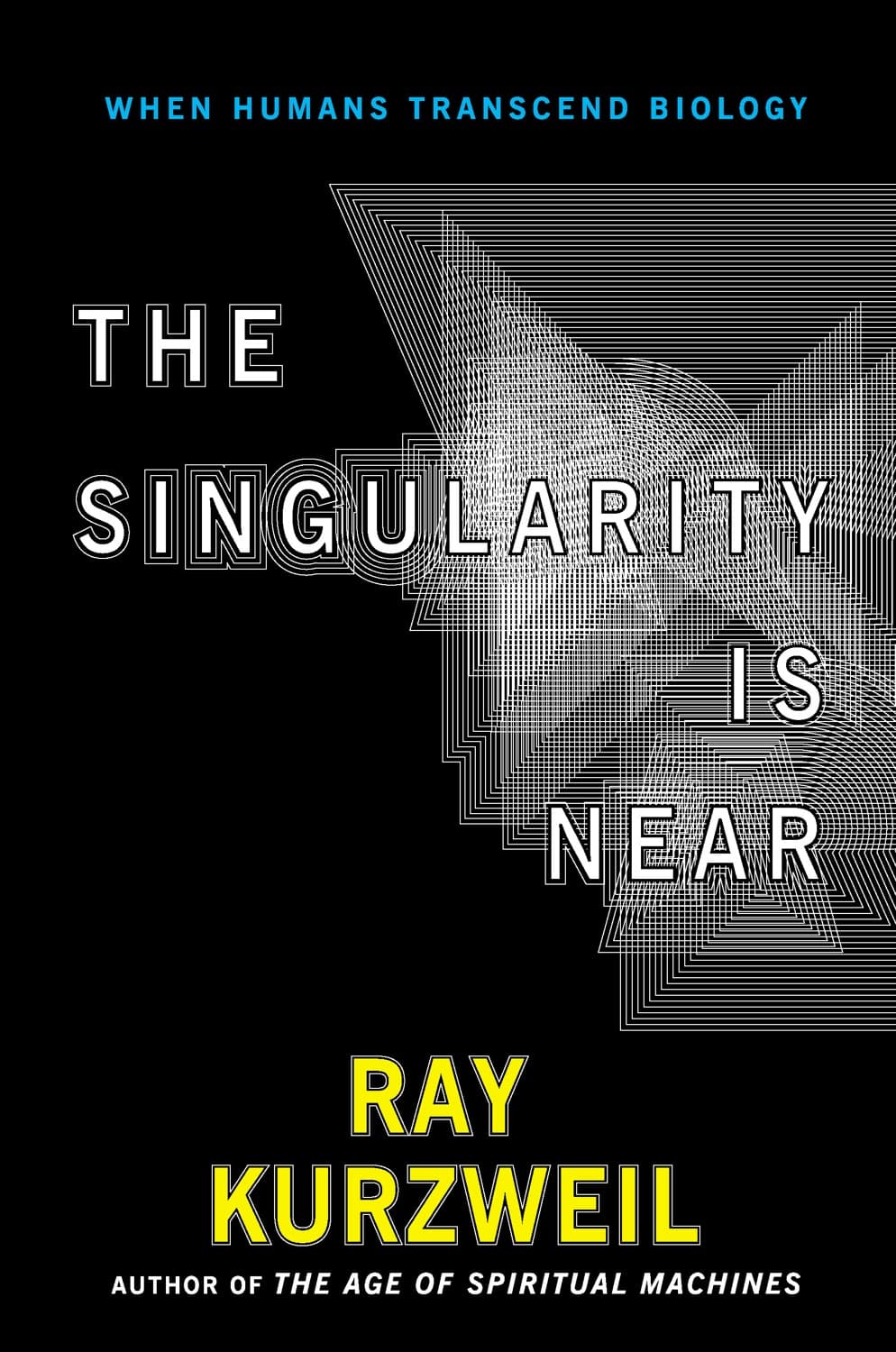
The Singularity Is Near
Ray Kurzweil
You get the optimist's case in full: exponential curves that, taken seriously, put human-level AI within reach this century.
Technology improves exponentially, not linearly.
Kurzweil argues that accelerating returns in computing make AGI, and eventually a merger of human and machine intelligence, not just possible but close. It is the definitive statement of the techno-optimist pole of the whole debate.
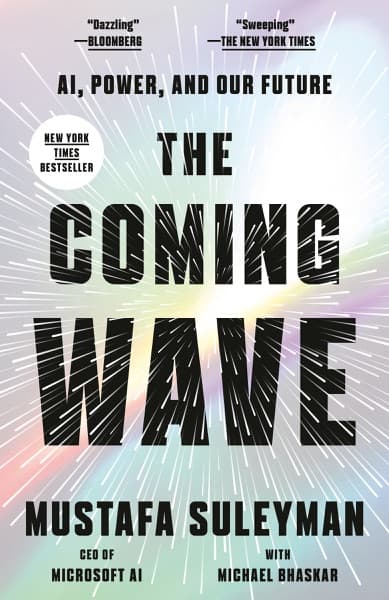
The Coming Wave
Mustafa Suleyman, Michael Bhaskar
You see AGI not in isolation but braided with synthetic biology, and why containing both may define the next decade.
Containment is the unsolved problem.
Suleyman, a co-founder of DeepMind, argues that AI and biotech are arriving together with world-changing force, and that containing them is the central political problem of our time. It brings the AGI question into the present tense of governance.

Architects of Intelligence
Martin Ford
You hear two dozen of the people actually building AI disagree, on the record, about when AGI arrives and whether to fear it.
Even the builders do not agree.
Ford interviews leading researchers including Geoffrey Hinton, Yann LeCun, and Yoshua Bengio about the path to AGI and its risks, letting their disagreements stand unresolved. It is the best single snapshot of how the field's own experts reason about it.
Can we tailor this list for you?
Type your question in the bar below and the AI will tailor a fresh set of picks just for you.