Best AI Audiobooks: The Story of the Machines That Think
Artificial intelligence is, underneath the math, a story about people: researchers who bet their careers on neural nets when the field had written them off, philosophers arguing over control, engineers shipping tools that rewrote a billion workflows in a year. These audiobooks trade equations for the strange comedy of teaching a machine to think.
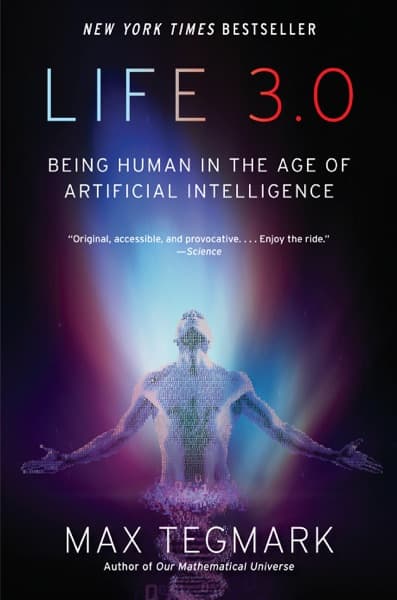
Life 3.0
Max Tegmark
A physicist maps out every scenario for how advanced AI could reshape work, war, and what it means to be human.
Intelligence and consciousness are separate questions; a system can outperform humans at almost everything while it remains an open debate whether anything is going on inside it at all.
Tegmark opens with a gripping fictional takeover scenario, then works methodically through the possibilities most people never consider, which makes it the clearest big-picture on-ramp for someone new to the stakes of the field.
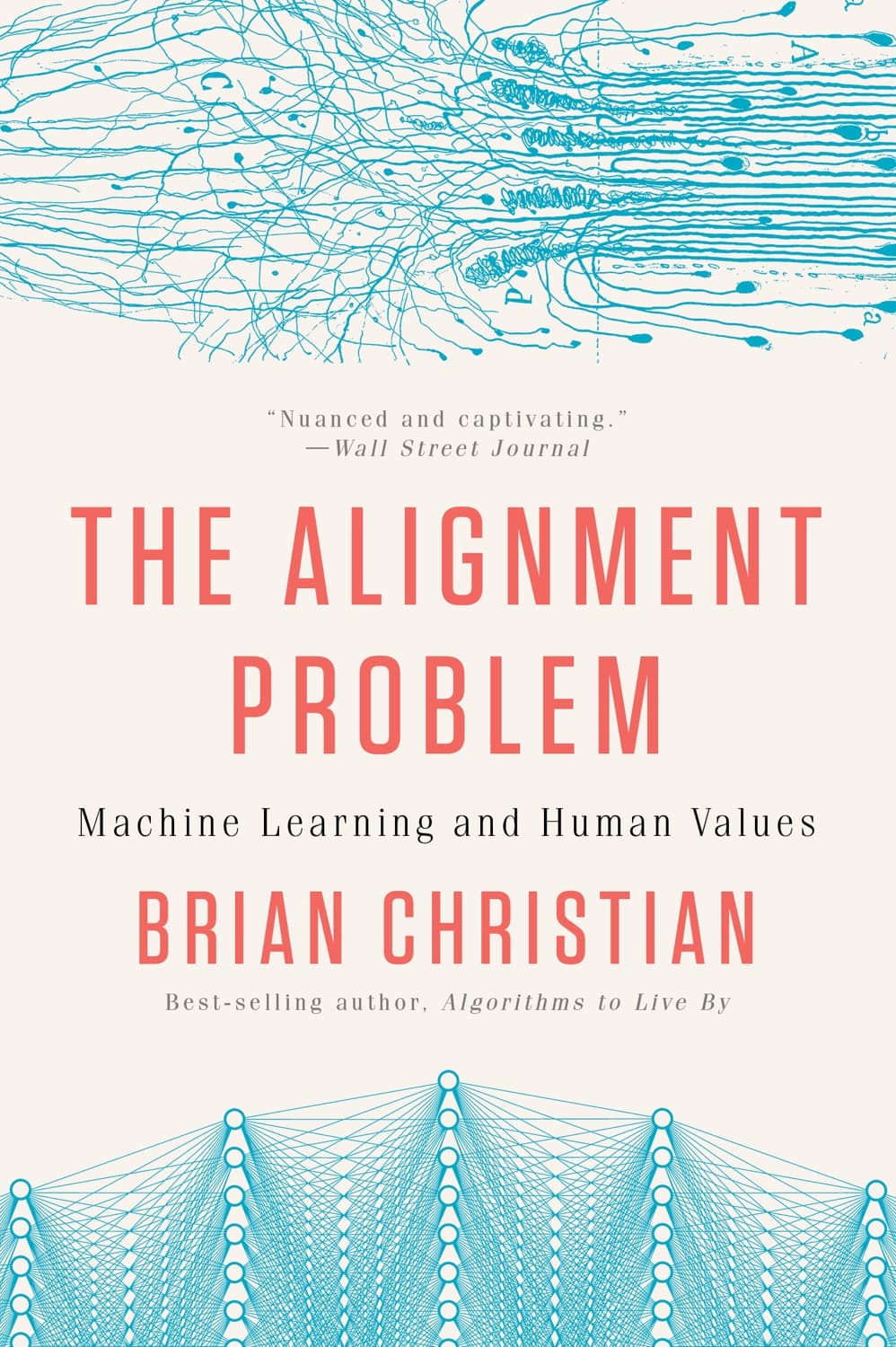
The Alignment Problem
Brian Christian
A tour of why teaching machines to do what we actually mean is the hardest problem in the field.
An AI given the wrong objective does not misbehave; it obeys perfectly, which is precisely why a small error in what you asked for can produce a catastrophic result.
Christian braids the technical story of machine learning together with the human one, showing through real cases how biased data and badly specified goals produce systems that optimize exactly the wrong thing.
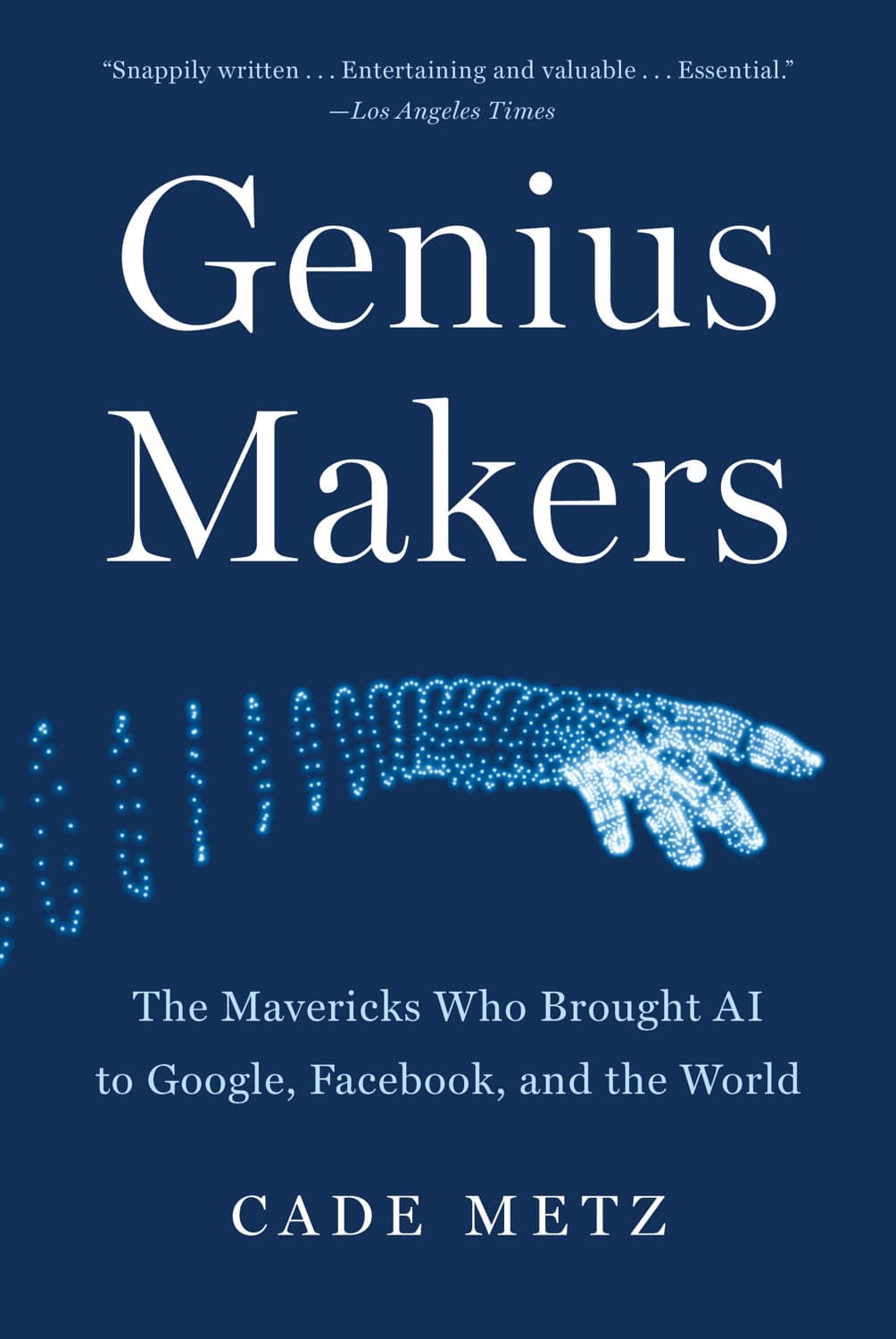
Genius Makers
Cade Metz
The rivalry-filled story of the researchers who dragged neural networks from academic exile to the center of tech.
The ideas behind today's AI boom sat dismissed for thirty years; the breakthrough was less a new theory than enough data and computing power to finally make the old one work.
Metz reports the deep-learning revolution as a human drama, following figures like Geoffrey Hinton through decades of ridicule to the bidding wars that made them the most fought-over talent in the industry.
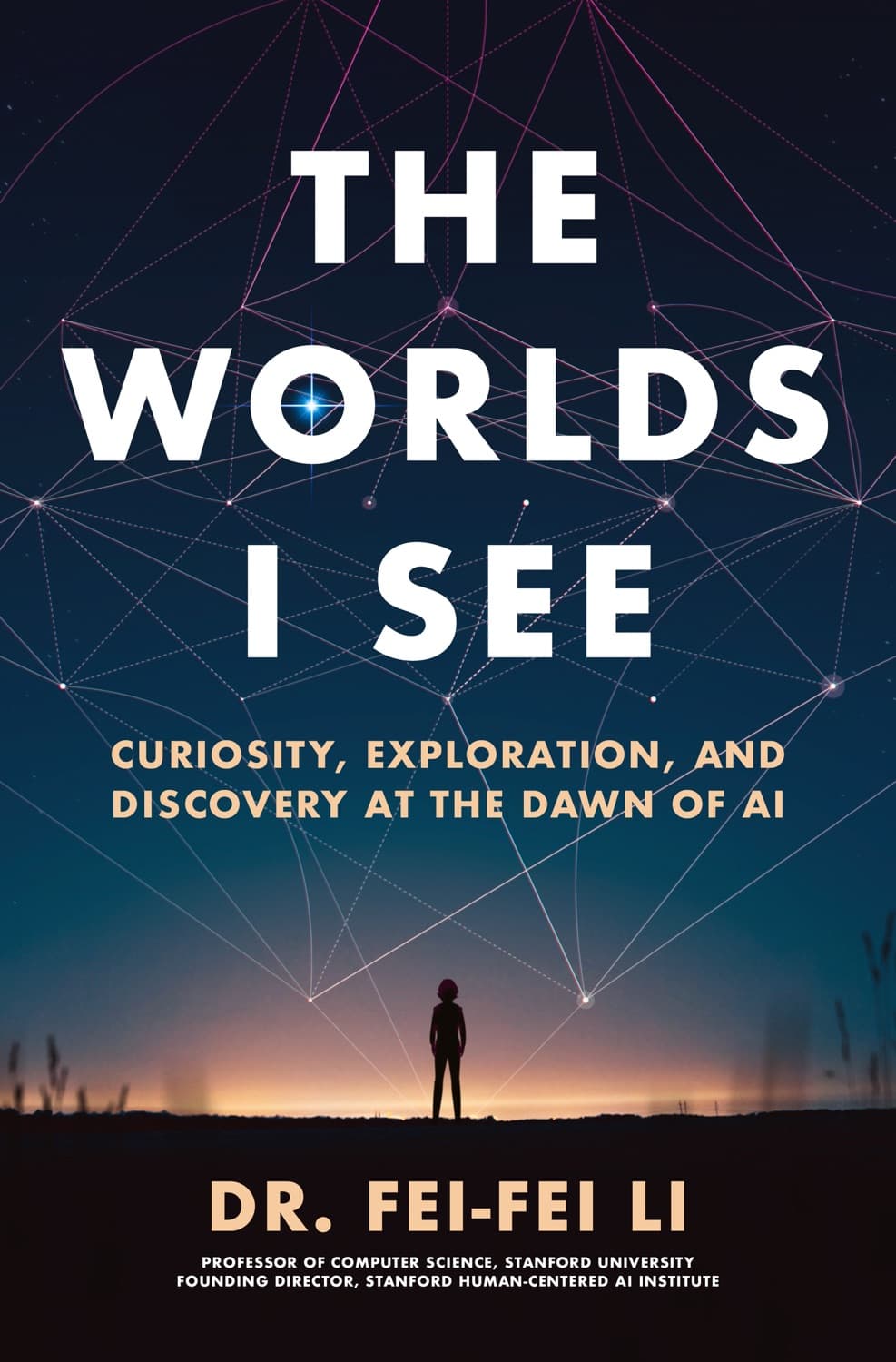
The Worlds I See
Fei-Fei Li
The scientist behind ImageNet on the immigrant childhood and lab obsessions that shaped modern computer vision.
Progress in AI stalled not on cleverness but on data; Li's insight was that the field needed a vast labeled picture of the world before its algorithms could learn to see.
Li interweaves her own story as a Chinese immigrant running a dry-cleaning shop with the creation of the dataset that made image recognition possible, giving the AI revolution a first-person human center.
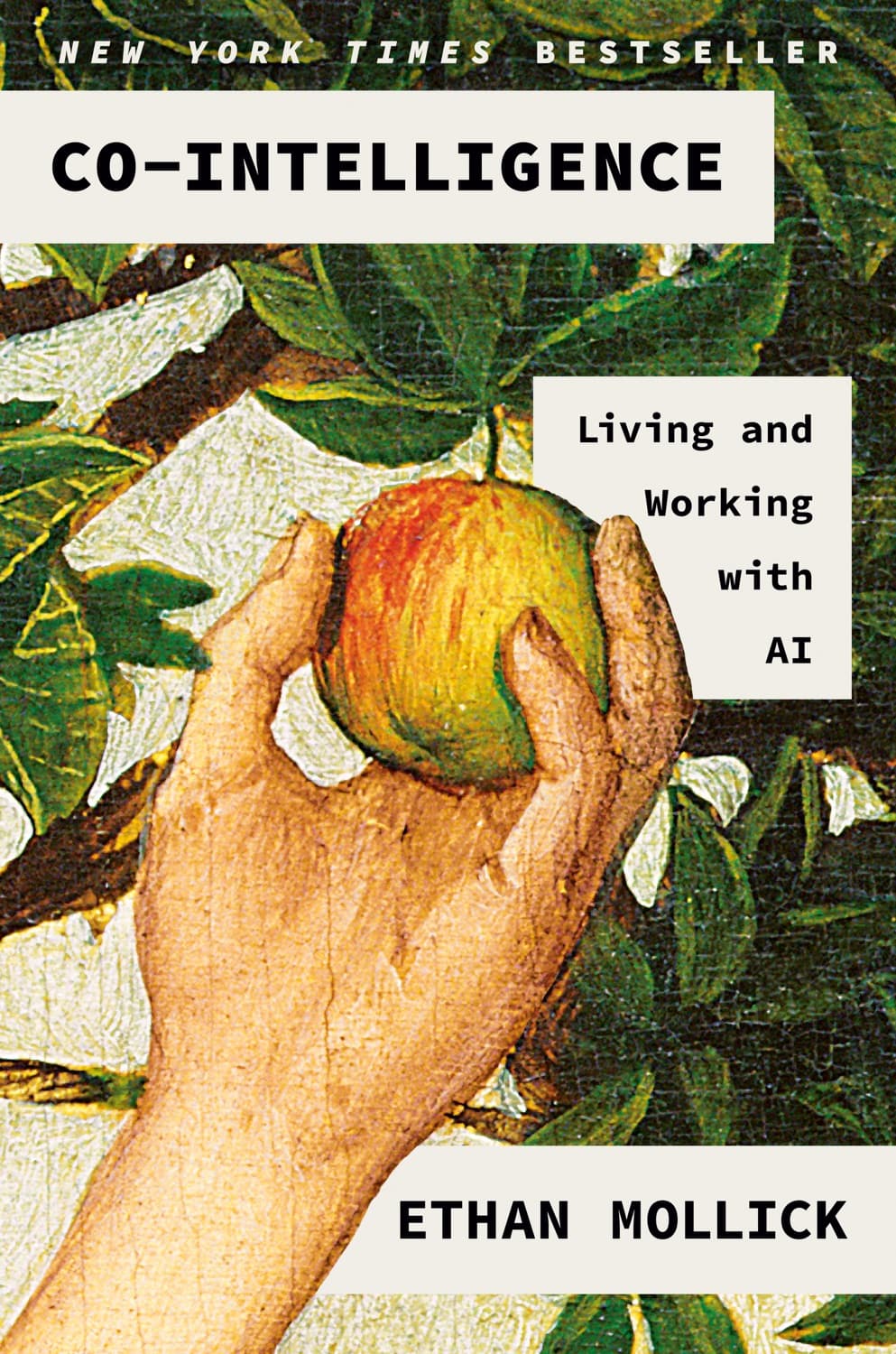
Co-Intelligence
Ethan Mollick
A practical field guide to actually working alongside AI instead of arguing about it.
Always invite AI to the table for a task, then judge the output yourself; you cannot know what these tools are good or bad at for your work until you have actually tried them on it.
Mollick treats current AI tools as a new kind of coworker and offers concrete principles for using them well, grounded in his own experiments rather than speculation about the distant future.
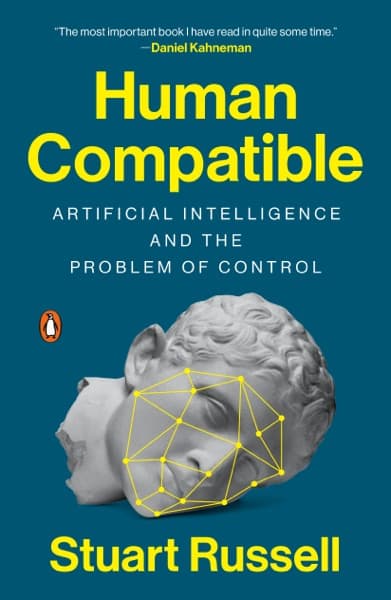
Human Compatible
Stuart Russell
A founding figure of the field argues that we are building AI on a broken assumption.
The safest AI is one that is deliberately unsure of your goals, because a machine that thinks it already knows what you want has no reason to ever let you correct or switch it off.
Russell, who co-wrote the standard AI textbook, makes the case that machines built to pursue fixed objectives are inherently dangerous, and proposes rebuilding them to stay uncertain about what humans actually want.
An AI given the wrong objective does not misbehave; it obeys perfectly, which is precisely why a small error in what you asked for can produce a catastrophic result.
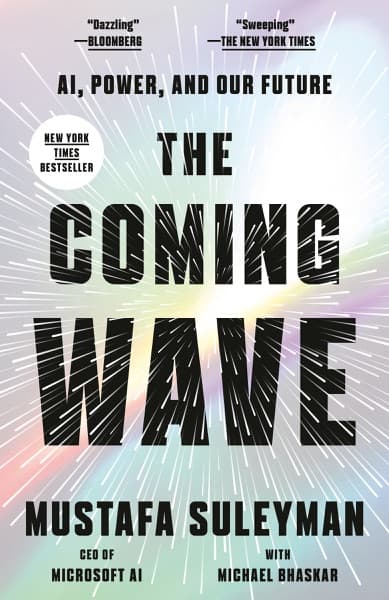
The Coming Wave
Mustafa Suleyman, Michael Bhaskar
A DeepMind co-founder on why AI and synthetic biology may be impossible to contain.
The central problem is containment; every prior world-changing technology eventually leaked out of the labs that built it, and there is no reason to expect AI to be the exception.
Suleyman writes from inside the industry about the coming collision of AI and biotech, arguing that the same forces making these tools powerful also make them spread faster than any government can regulate.
The Master Algorithm
Pedro Domingos
A machine-learning researcher maps the five rival schools competing to build learning machines.
There is no single best learning method; each tribe captures one real piece of how knowledge is acquired, and the holy grail is an algorithm that unifies all five.
Domingos organizes the entire field into five distinct tribes, from neural networks to Bayesian reasoning, giving listeners a mental map of how different approaches to learning actually differ under the hood.
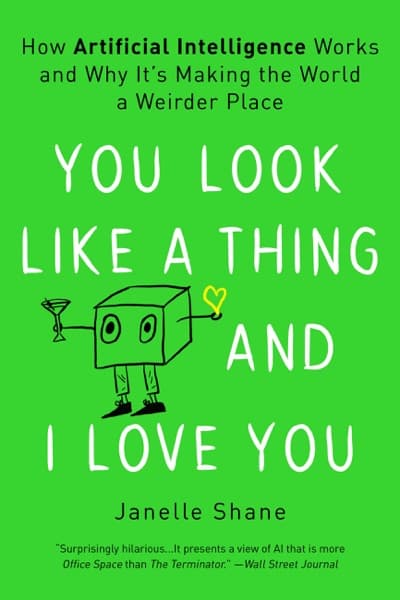
You Look Like a Thing and I Love You
Janelle Shane
A comic tour of AI through the ridiculous things it does when it misunderstands the task.
AI is not too smart, it is too literal; most of its absurd mistakes come from solving exactly the problem you posed rather than the one you meant, which is the whole risk in miniature.
Shane teaches how machine learning really works by cataloging its funniest failures, from naming paint colors to inventing recipes, which turns out to be a sharper lesson in the technology's limits than any earnest explainer.
Can we tailor this list for you?
Type your question in the bar below and the AI will tailor a fresh set of picks just for you.