Best Books for Building AI-Native Companies
An AI-native company is not an old company with a chatbot bolted on. It is designed from the first hire and the first line of code around models that keep improving. These books cover the substrate to bet on, the operating model to build, the economics that decide what to make, and the moat that keeps it yours.
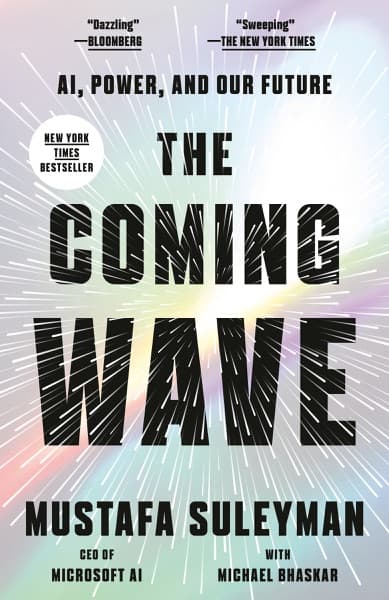
The Coming Wave
Mustafa Suleyman, Michael Bhaskar
A DeepMind co-founder's map of the wave you are betting your company on.
Treat containment and safety as product constraints you design for now, not compliance you bolt on after launch.
Suleyman built frontier labs, so his account of how fast AI and synthetic biology are arriving, and why containment is so hard, tells a founder which bets are durable and which are about to be regulated or commoditized.
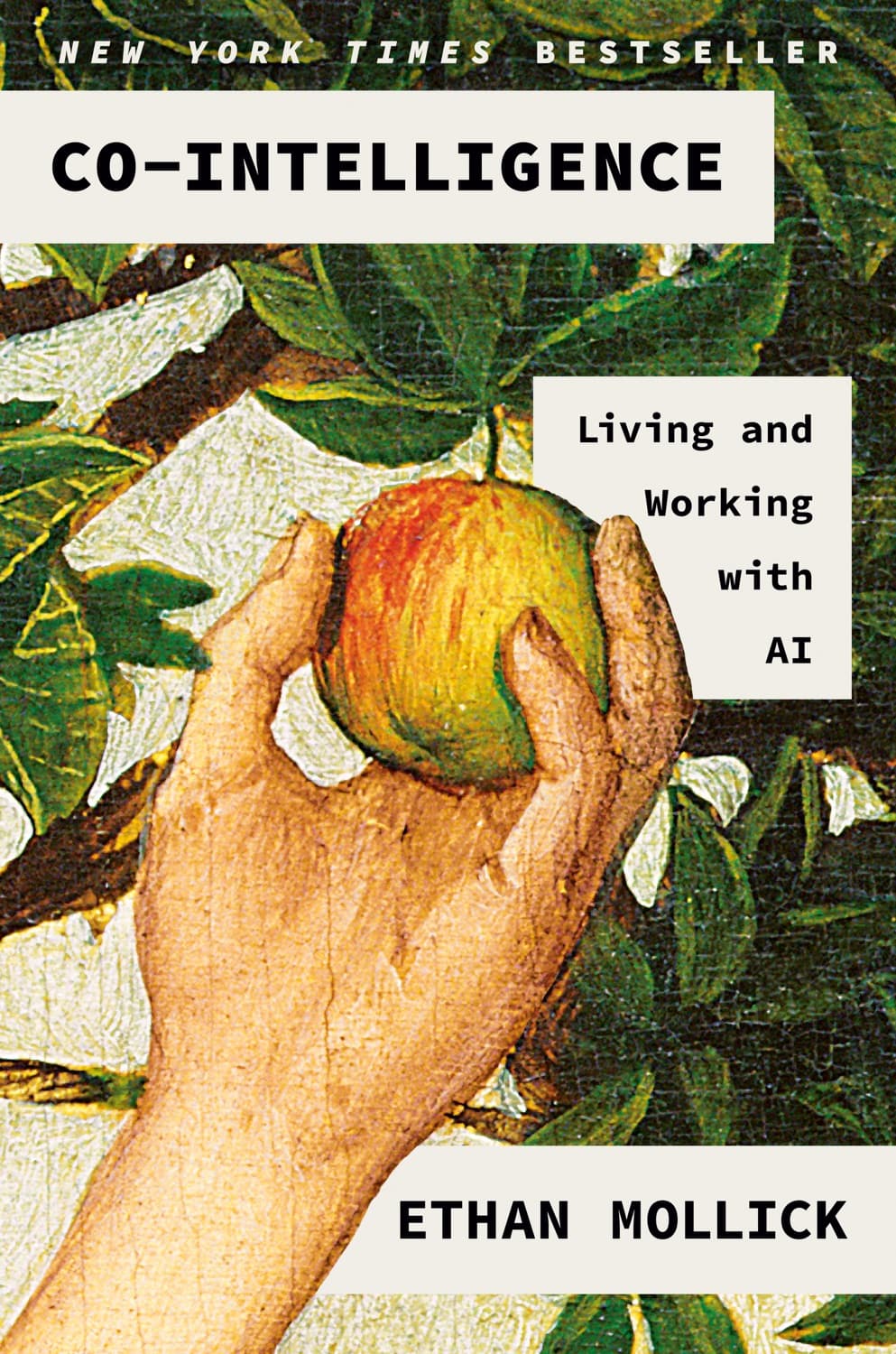
Co-Intelligence
Ethan Mollick
The operating manual for making a large language model a working teammate.
Run every task through AI first, so your team learns the real shape of the frontier by using it rather than guessing at it.
Mollick's field-tested principles, including always inviting AI to the table and treating it as a person to work with while remembering it is not one, translate directly into how an AI-native team drafts, builds, and reviews everyday work.
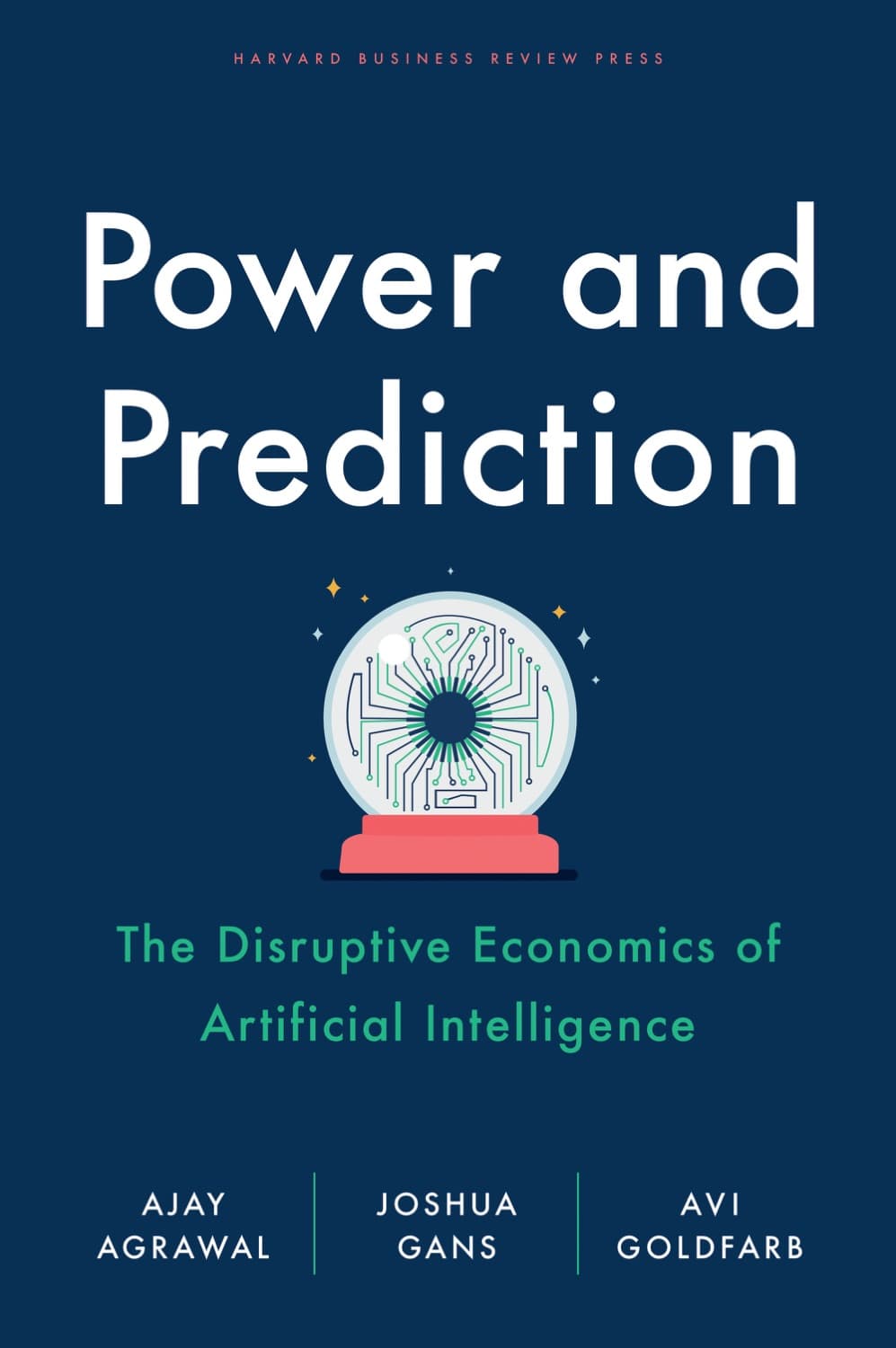
Power and Prediction
Ajay Agrawal, Joshua Gans, Avi Goldfarb
Why the payoff from AI comes from redesigning the whole system, not adding a prediction.
Point solutions bolt AI onto an old workflow; system solutions rebuild the workflow around it, and only the second kind compounds.
The authors show that point solutions barely move the needle, and that value appears only when a company rebuilds its decisions and workflows around cheap prediction, which is precisely the leap an AI-native company exists to make.
Competing in the Age of AI
Marco Iansiti, Karim R. Lakhani
The Harvard study of how AI-run firms scale without the usual human bottlenecks.
Put a data-and-algorithm core at the center of the operating model, and the business can scale, scope, and learn far past a human-run one.
Iansiti and Lakhani dissect the AI factory at companies like Amazon and Ant Group, showing how a software-and-data core removes the operating constraints that cap traditional firms, which is the exact architecture an AI-native founder is trying to build.
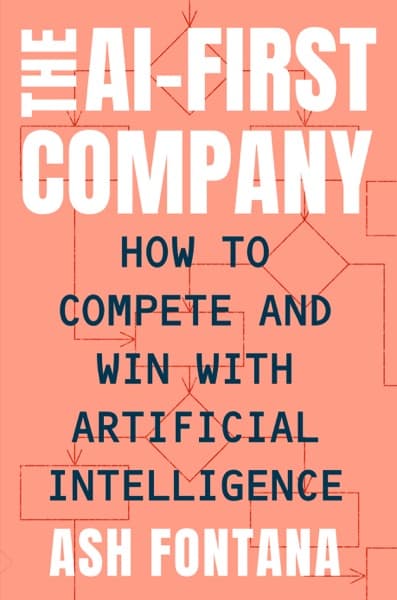
The AI-First Company
Ash Fontana
A venture investor's step-by-step playbook for sequencing an AI-first startup.
Start with the smallest valuable prediction, use it to earn proprietary data, and let that data loop become the moat rivals cannot copy.
Fontana, who backed AI companies early, lays out how to pick the first prediction to sell, bootstrap proprietary data, and turn a data loop into a compounding advantage, which is the operational spine most AI-native founders lack.
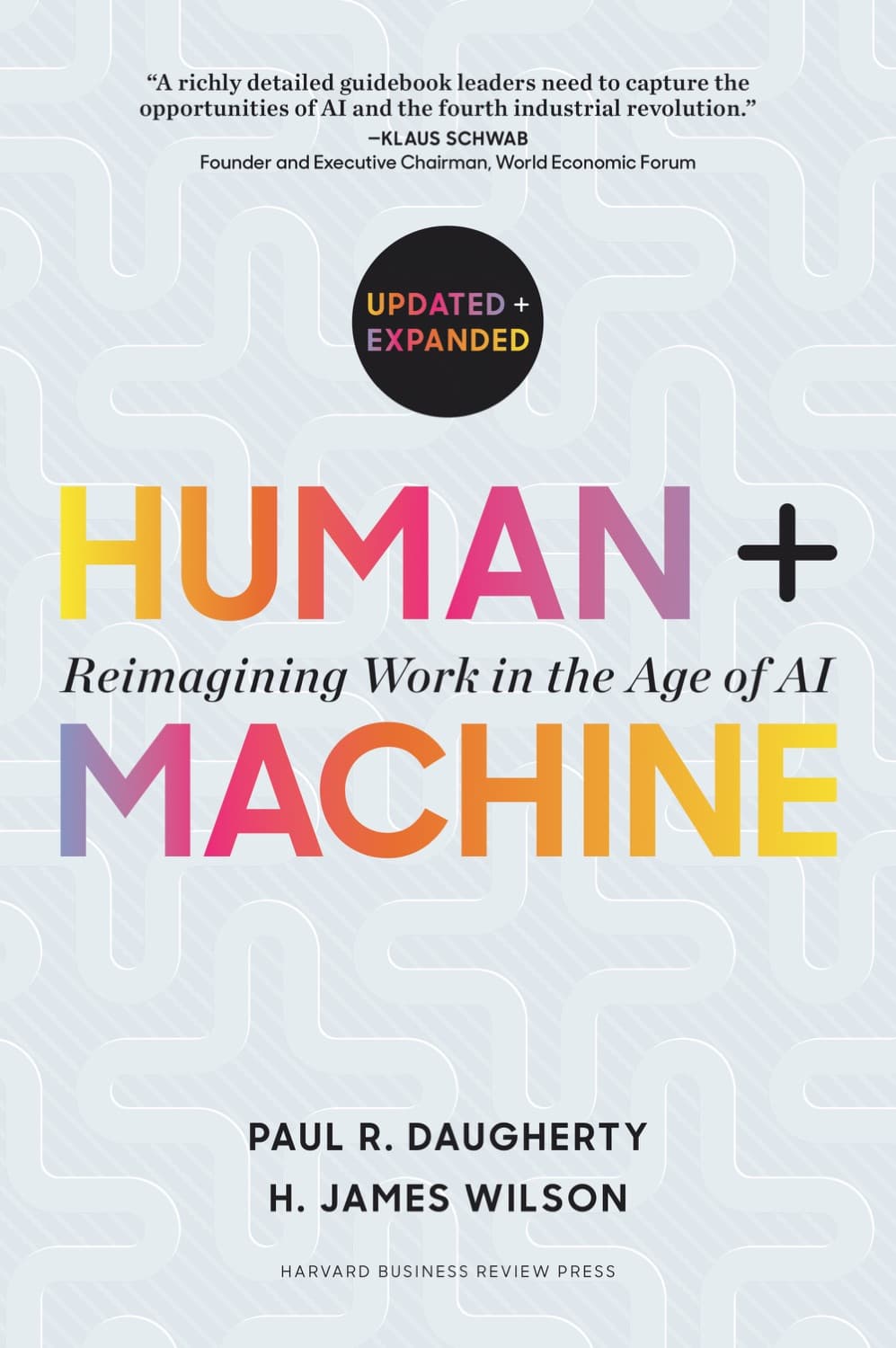
Human + Machine
Paul R. Daugherty, H. James Wilson
How to redesign roles and processes around the work people and AI do together.
The real gains live in the missing middle, where you design new hybrid roles instead of simply swapping humans for automation.
Daugherty and Wilson map the missing middle, the new hybrid roles where humans train, explain, and sustain AI while AI amplifies people, giving an AI-native company a concrete blueprint for org design rather than headcount cuts.
Run every task through AI first, so your team learns the real shape of the frontier by using it rather than guessing at it.
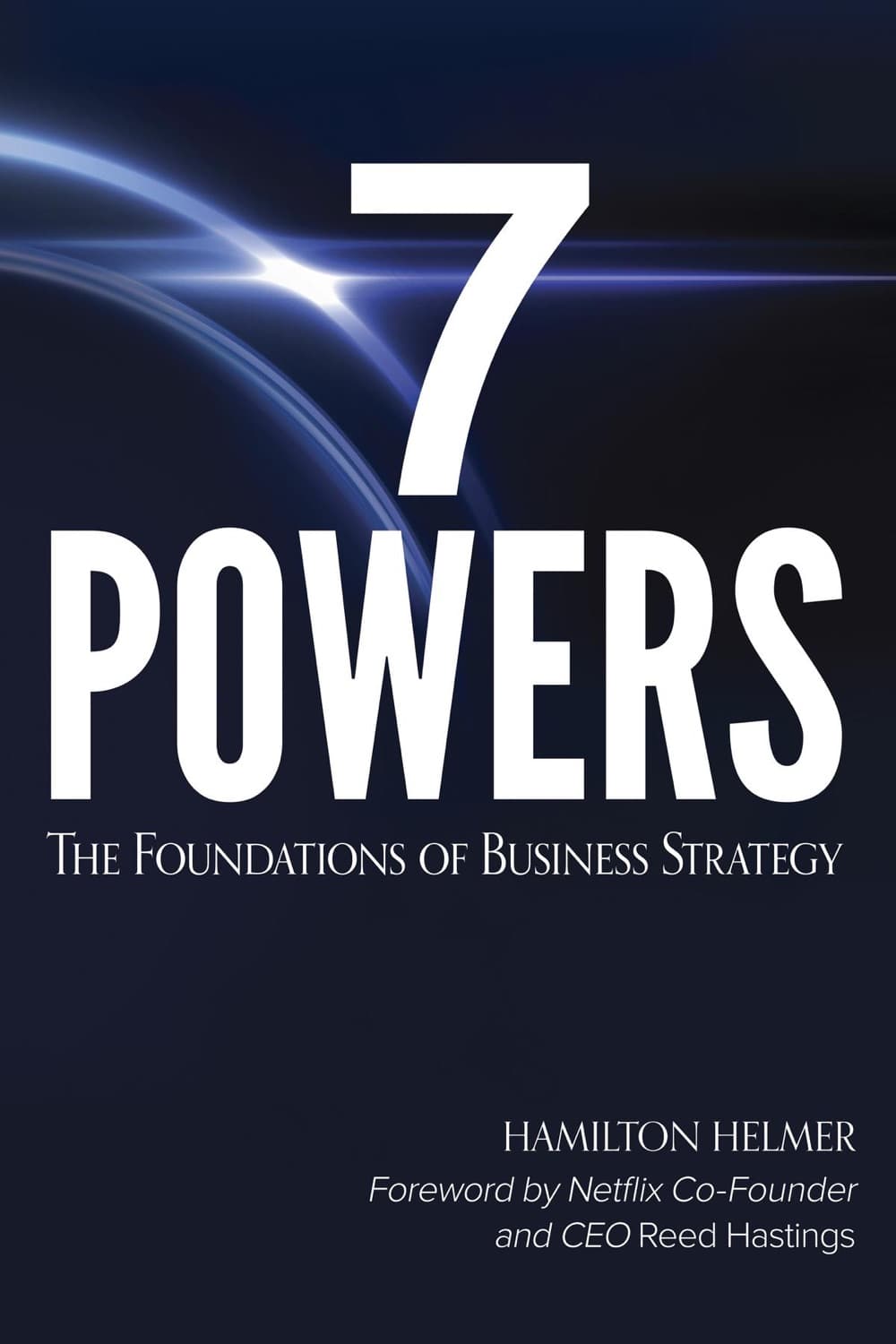
7 Powers
Hamilton Helmer
Seven durable moats, and why using AI is not one of them.
Access to the same models is not an edge; find your power in counter-positioning, network economies, switching costs, or a cornered resource.
Helmer's precise taxonomy of the only seven sources of lasting advantage forces an AI-native founder to answer the hardest question of the era, which is what stays defensible once foundation models and tools are available to every competitor.

The Cold Start Problem
Andrew Chen
How to ignite the network effect that turns usage and data into a flywheel.
Win one atomic network first, the smallest group where the product already works, then let each new node make the next one easier to add.
Chen, from years inside Uber and a16z, breaks down how to push a product past the cold start to a self-reinforcing network, which is how an AI-native company converts early users into the data and engagement loops that compound.
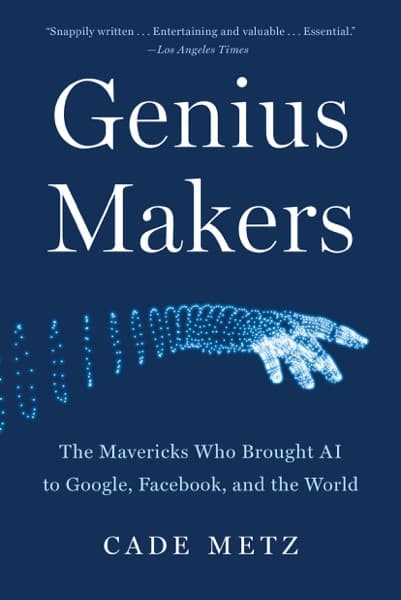
Genius Makers
Cade Metz
The origin story of the researchers and labs you are now building on top of.
The field turns on a small number of researchers, so tracking who moved which idea where tells you where the next capability will come from.
Metz reports the rivalries and talent wars that carried deep learning from a fringe idea to the core of Google, OpenAI, and beyond, giving a founder a clear read on where the capabilities, the people, and the leverage in this field actually sit.
Can we tailor this list for you?
Type your question in the bar below and the AI will tailor a fresh set of picks just for you.