Best Books on the Rise of Social Media
Rise of social media becomes legible through books like David Kirkpatrick’s The Facebook Effect and Zeynep Tufekci’s Twitter and tear gas, each tracing how platforms scale from product to politics.
The Facebook Effect
David Kirkpatrick, David Kirkpatrick, David Kirkpatrick
Finishing The Facebook Effect leaves you seeing “network effects” as something Facebook engineered socially, not just mathematically.
Network effects become social behavior at scale.
Kirkpatrick reconstructs Facebook’s early decisions, culture, and expansion with on-the-ground detail. That history gives the rise of social media a concrete origin story: what it optimized for, and how it scaled adoption into a mass habit.
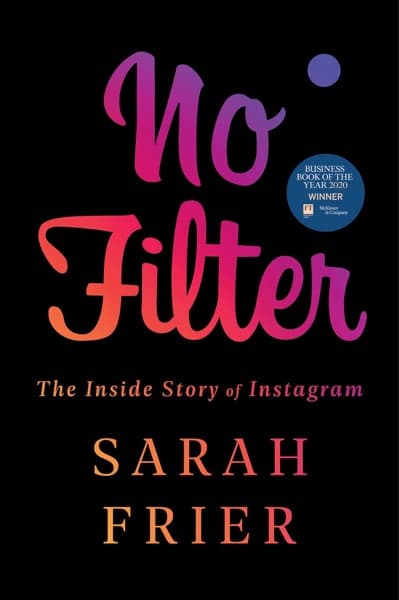
No Filter
Sarah Frier
No Filter makes Instagram’s rise feel like a competition for attention, where aesthetics and algorithms co-evolved into power.
Platform power grows through creators and distribution.
Frier tracks the platform’s culture, product choices, and business leverage as they turn creators into infrastructure. It sharpens how social media grows when a feed becomes a marketplace and a career ladder at the same time.
Twitter and tear gas
Zeynep Tufekci
Twitter and tear gas reframes viral posts as infrastructure that can mobilize, but also fail to convert outrage into lasting change.
Visibility is not the same as strategy.
Tufekci analyzes how networked movements behave under real constraints like coordination, publicity, and risk. That lens helps explain social media’s political rise without romanticizing virality or ignoring its limitations.
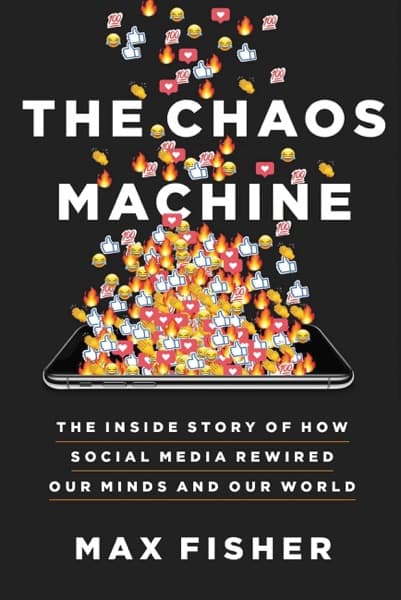
Chaos Machine
Max Fisher
Chaos Machine shows how recommender systems quietly reorder reality by promoting what keeps people engaged, not what informs them.
Engagement optimization can amplify distortion.
Fisher connects platform design, corporate incentives, and global consequences across multiple countries and events. For the rise of social media, it supplies the missing middle: how growth mechanics become societal outcomes.
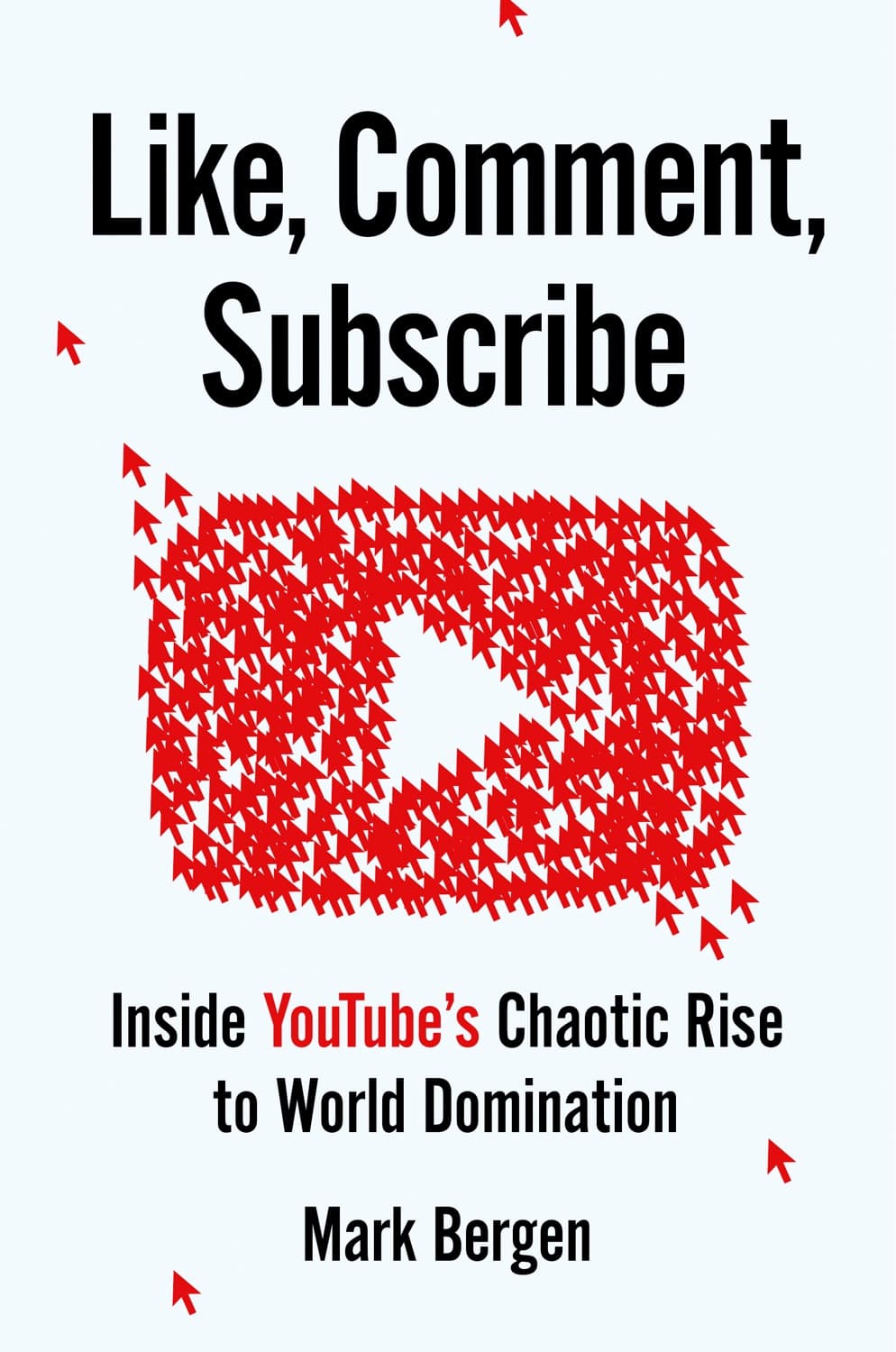
Like, Comment, Subscribe
Mark Bergen
Like, Comment, Subscribe captures how YouTube learned to turn watching into a feedback loop of identity, careers, and compliance.
Recommendations trained on behavior, not intentions.
Bergen explains social video’s rise by tracing platform rules, incentives, and creator economics rather than only cultural hype. That focus clarifies why social media’s growth accelerated when creators became the engine.
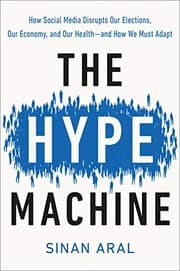
The Hype Machine
Sinan Aral
The Hype Machine replaces gut feelings about social media with measurable cause-and-effect: content spreads because systems push it.
Platforms optimize for signals that predict engagement.
Aral blends experiments, data, and mechanism-level explanations of how social networks influence beliefs and behavior. It’s especially useful for the “rise” question because it treats virality as an outcome of design and incentives.
Platform power grows through creators and distribution.
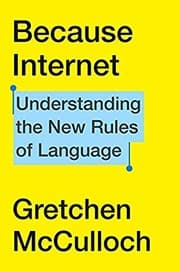
Because Internet
Gretchen McCulloch
Because Internet makes you realize the rise of social media is also the rise of new language rules enforced by interfaces.
Online language shifts because humans negotiate rules together.
McCulloch tracks how digital communication reshapes grammar, meaning, and social norms. That angle matters because social media’s ascent is not only political and economic: it reorganizes everyday communication.
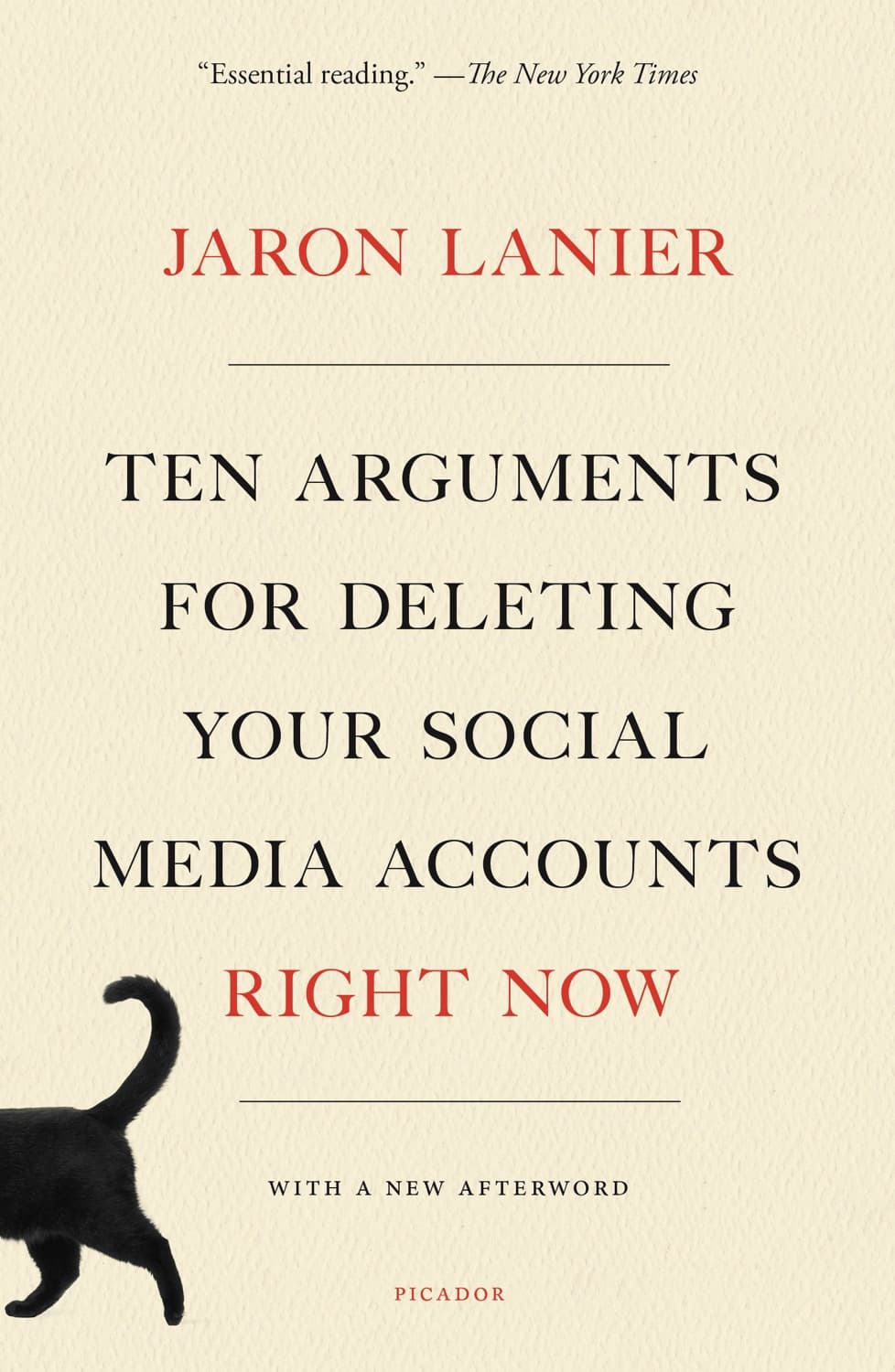
Ten Arguments for Deleting Your Social Media Accounts Right Now
Jaron Lanier
Lanier’s Ten Arguments converts “engagement” into a moral and economic problem: platforms profit by reducing people’s individuality to data.
Your data exhaust becomes someone else’s leverage.
The book argues that attention systems and behavioral manipulation create perverse incentives for platforms and users. For the rise of social media, it offers a clear counter-story to the “free service” narrative.
The Shallows
Nicholas G. Carr
The Shallows makes internet connectivity feel like a cognitive trade: the medium reshapes how you think, not just what you read.
The medium remaps attention and cognition.
Carr examines how repeated engagement online changes attention, memory, and culture. That perspective deepens the rise of social media by showing how platforms adapt to and reinforce the way brains respond to screens.
Can we tailor this list for you?
Type your question in the bar below and the AI will tailor a fresh set of picks just for you.