Best Books Similar to "The Age of Surveillance Capitalism"
Surveillance capitalism needs more than outrage: it needs tools for seeing how attention, data, and power work. Tim Wu’s The Attention Merchants and Frank Pasquale’s The Black Box Society build that lens from the history up.
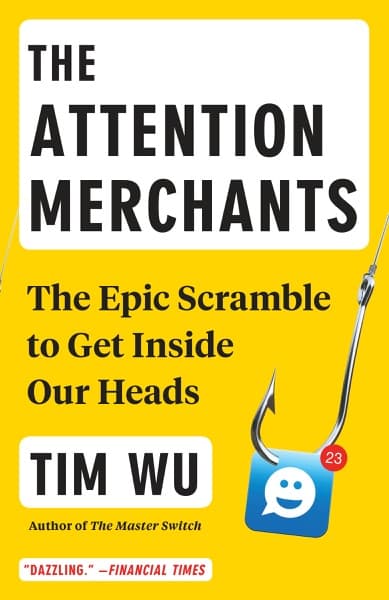
The Attention Merchants
Tim Wu, Tim Wu
After finishing The Attention Merchants, you start treating ads, feeds, and “engagement” as an economic model with roots in broadcasting and bargaining power, not a neutral technology.
Follow the money: attention is the product
Wu traces how advertising incentives evolved into today’s attention economy, giving you historical pressure points behind surveillance capitalism’s attention harvesting. That perspective helps you argue about incentives, not just privacy settings.

The Black Box Society
Frank Pasquale
The Black Box Society changes how you read “automated decisions”: you learn to ask what stayed unreviewed, why it is opaque, and who benefits from that opacity.
Transparency without accountability still fails
Pasquale offers a direct critique of algorithmic governance and the institutions that protect black-box systems. For surveillance capitalism, it clarifies how opacity becomes a tool for power and diminished accountability.

Weapons of Math Destruction
Cathy O'Neil
You’ll come away seeing data models as political actors: when they scale, they can quietly engineer unfair outcomes at institutional speed.
Models can be weaponized by opacity
O’Neil grounds the critique in harmful, real-world examples of predictive systems that amplify bias and lack meaningful recourse. It supports the Age of Surveillance Capitalism theme: profit-driven models can become governance by default.
The Shallows
Nicholas G. Carr
The Shallows turns “too much screen time” into a design-and-environment question: what the internet trains your attention to do, and what it costs your thinking.
The medium trains the mind
Carr examines how networked media can reshape cognition and attention. Paired with surveillance capitalism’s focus on data extraction, it adds the psychological and cognitive stakes of being continuously measured and nudged.
The People Vs Tech
Jamie Bartlett
After The People Vs Tech, you feel the mismatch between platform power and public autonomy: data-driven systems steer choices while accountability lags behind.
When incentives rule, democracy gets edited
Bartlett explains how data platforms distort politics, markets, and everyday decision-making in plain language. That accessibility helps translate surveillance capitalism into concrete civic and personal consequences.
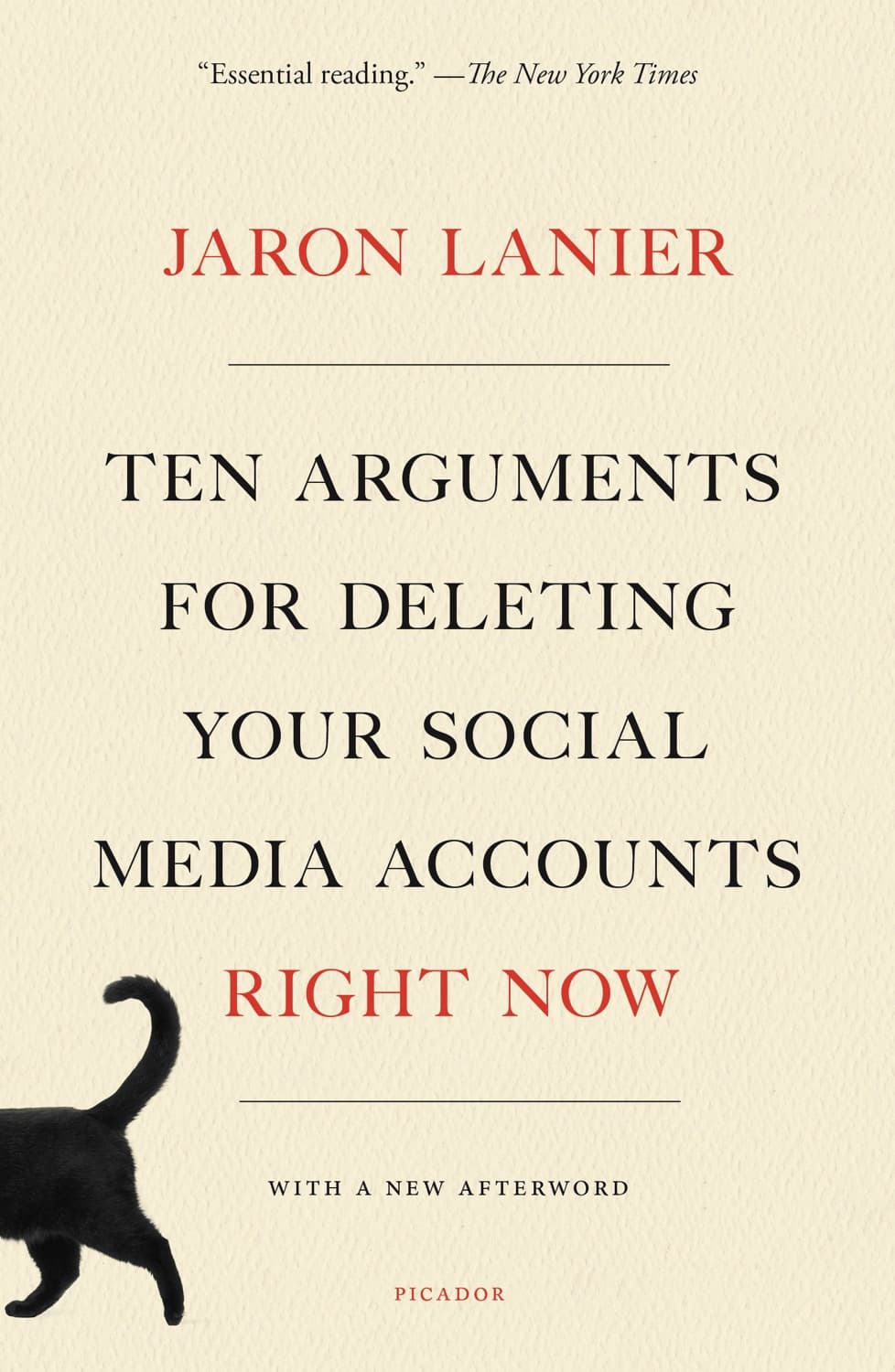
Ten Arguments for Deleting Your Social Media Accounts Right Now
Jaron Lanier
Lanier makes the moral math sharp: if platforms monetize your behavior, “using them” can train the system that manipulates you.
If it’s free, you’re the product
This book confronts behavior manipulation and platform business incentives with strong, direct arguments. For readers of surveillance capitalism, it offers a provocative response: not only critique, but withdrawal and pressure.
Transparency without accountability still fails
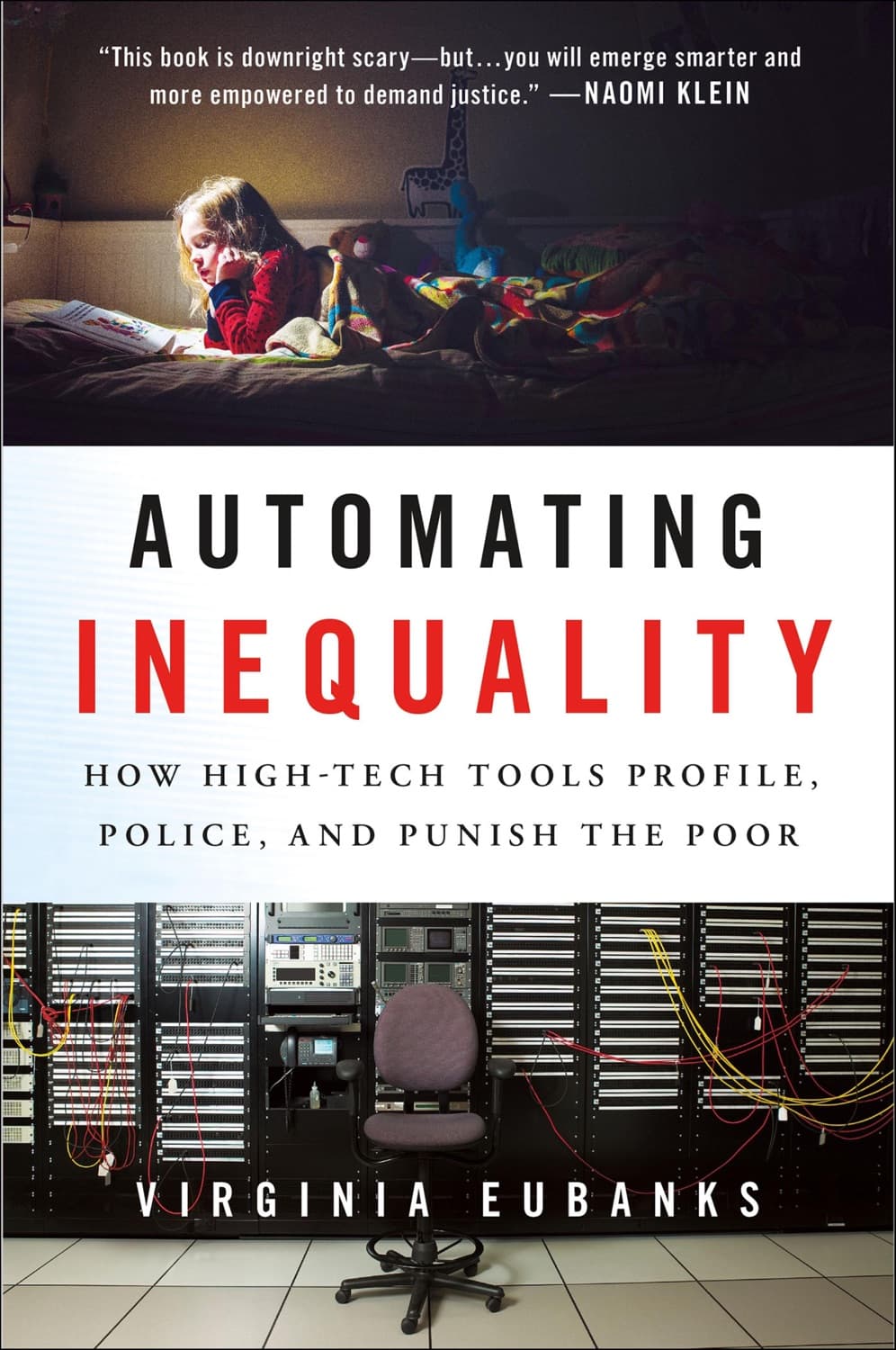
Automating Inequality
Virginia Eubanks
Automating Inequality makes you see “neutral” eligibility software as a gatekeeper that sorts people into worse outcomes based on historical bias.
Data systems inherit the past
Eubanks focuses on surveillance and decision systems used against vulnerable citizens, showing how harm is embedded in data pipelines and enforcement. That lens connects surveillance capitalism’s logic to consequences you can’t treat as abstract.
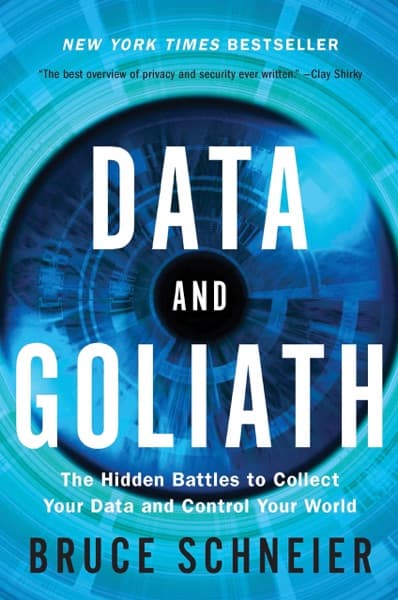
Data and Goliath
Bruce Schneier
After Data and Goliath, you stop thinking of surveillance as a single villain and start mapping the whole ecosystem of corporations, states, and incentives.
Power grows with data concentration
Schneier offers a respected overview of surveillance infrastructure in accessible terms, helping you distinguish threats, capabilities, and motivations. It’s a useful companion to surveillance capitalism for understanding who wields power and how it scales.
Can we tailor this list for you?
Type your question in the bar below and the AI will tailor a fresh set of picks just for you.