Best Books About Tim Cook and Apple
Tim Cook took over Apple in 2011 and roughly quadrupled its value, yet only one biography carries his name. This shelf pairs Leander Kahney's Tim Cook with the books that explain the company he inherited, from Walter Isaacson's Steve Jobs to Tripp Mickle's After Steve and Ken Kocienda's inside view of how Apple actually builds.
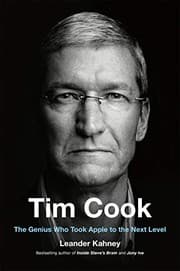
Tim Cook
Leander Kahney
The operations savant from Alabama who inherited the world's most watched company and made it worth trillions.
Cook's real genius was logistics, not products.
Leander Kahney, a longtime Apple journalist, writes the only full biography of Cook, tracing his path from Auburn and IBM and Compaq to the supply chain that made Apple ruthless. It is for readers who want the man behind the quiet succession, not another Jobs retelling.
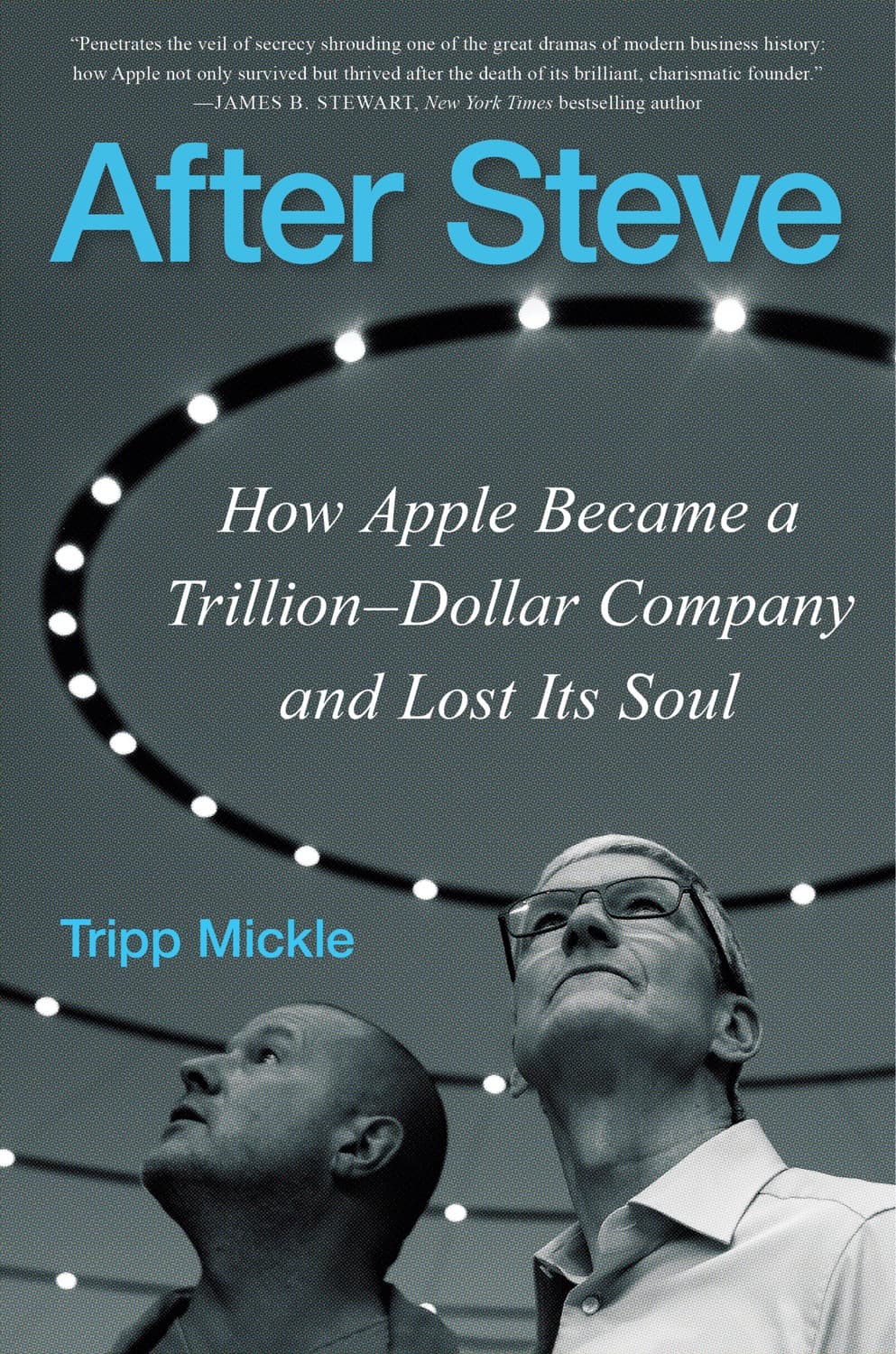
After Steve
Tripp Mickle
Two men, the operator and the artist, and the decade that made Apple a giant and cost it Jony Ive.
Efficiency and artistry pulled Apple in opposite directions.
Tripp Mickle, a Wall Street Journal reporter, structures the post-Jobs decade around Cook and design chief Jony Ive, showing how operational discipline won out while creative soul drained away. It is the most complete account of Apple under Cook's leadership.
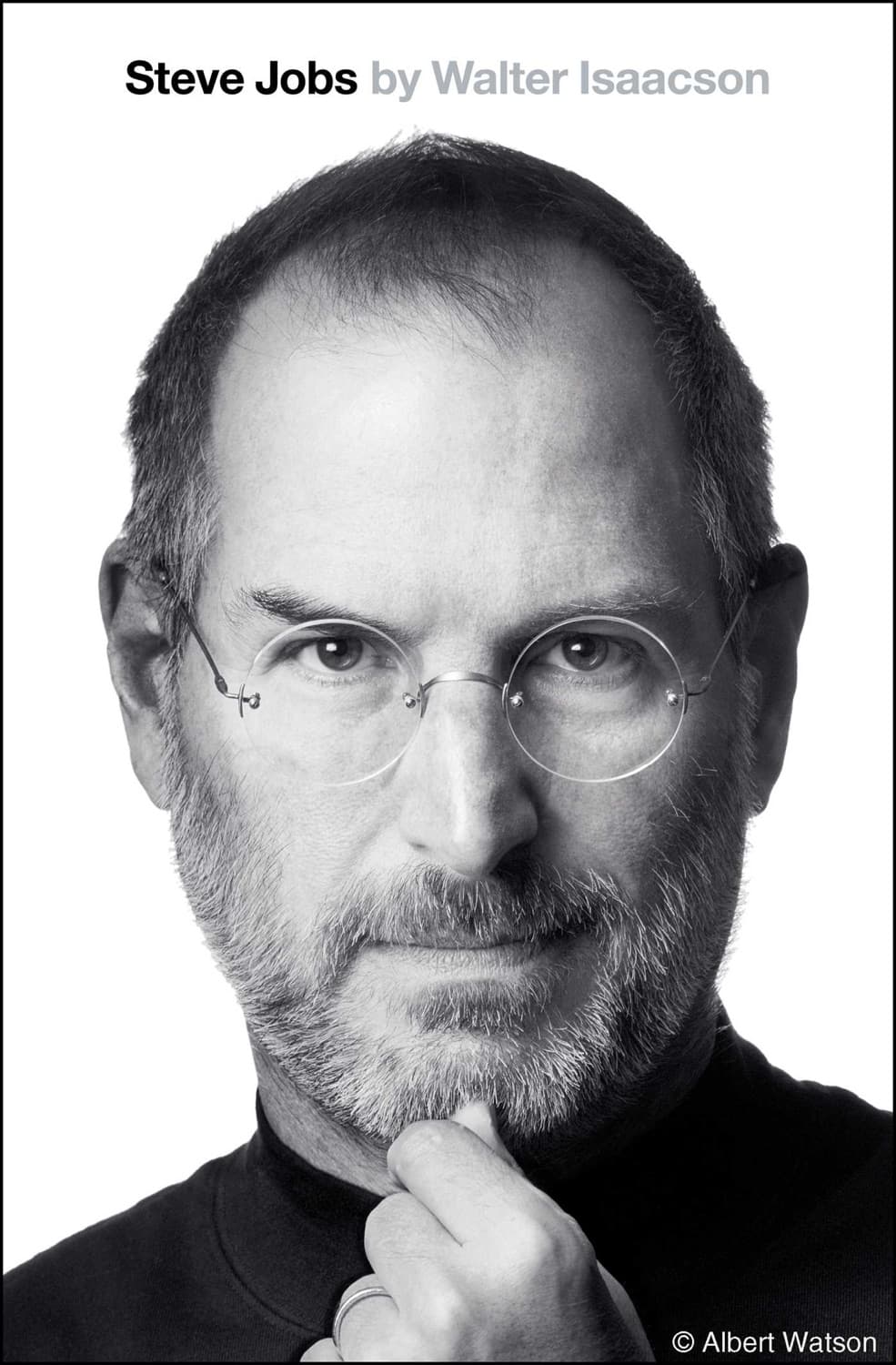
Steve Jobs
Walter Isaacson
The barefoot perfectionist whose company Cook would spend a decade proving he could run without him.
Cook kept Jobs's standards while discarding his cruelty.
Walter Isaacson's authorized biography, built on more than forty interviews with Jobs, captures the founder whose shadow Cook still manages every day. It is essential background for understanding what Cook inherited and what he chose to change.
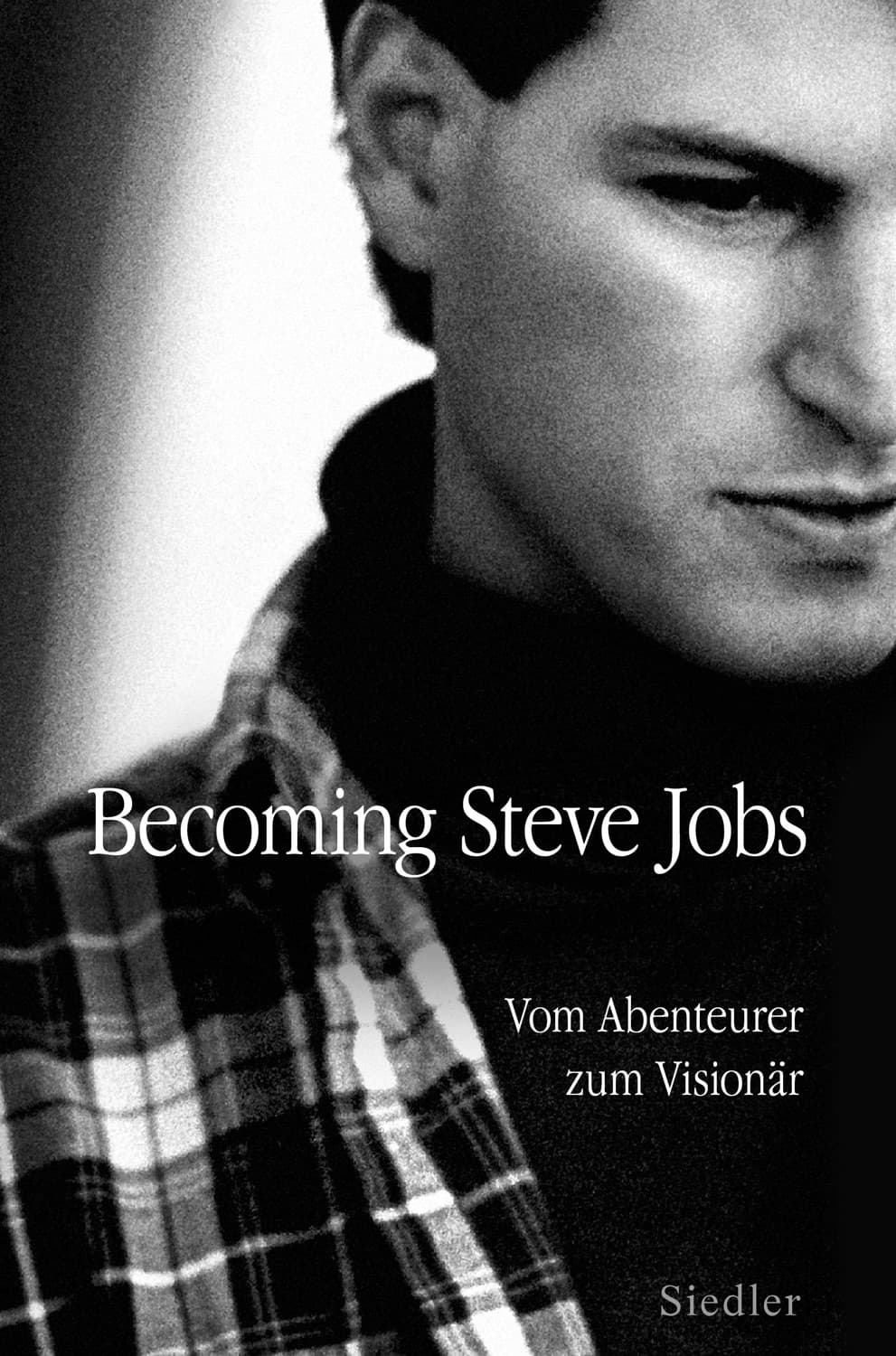
Becoming Steve Jobs
Brent Schlender, Rick Tetzeli
The maturing of a reckless founder, told by a journalist who knew him for twenty-five years.
Jobs chose Cook precisely because he was his opposite.
Brent Schlender and Rick Tetzeli reframe Jobs's second act and his deliberate grooming of Cook as successor, drawing on sources close to both men. It is for readers who want to see how the handoff was actually planned rather than stumbled into.
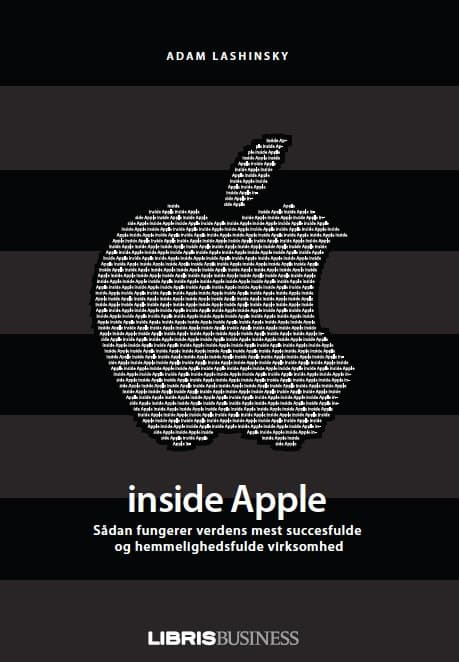
Inside Apple
Adam Lashinsky
How the most secretive company in tech actually runs its meetings, its launches, and its people.
Apple's culture is engineered as deliberately as its products.
Adam Lashinsky, a Fortune editor, dissects Apple as an organization, from the directly-responsible-individual to the obsessive secrecy and the supply chain Cook built. It is for readers who care how the machine works, not just who leads it.
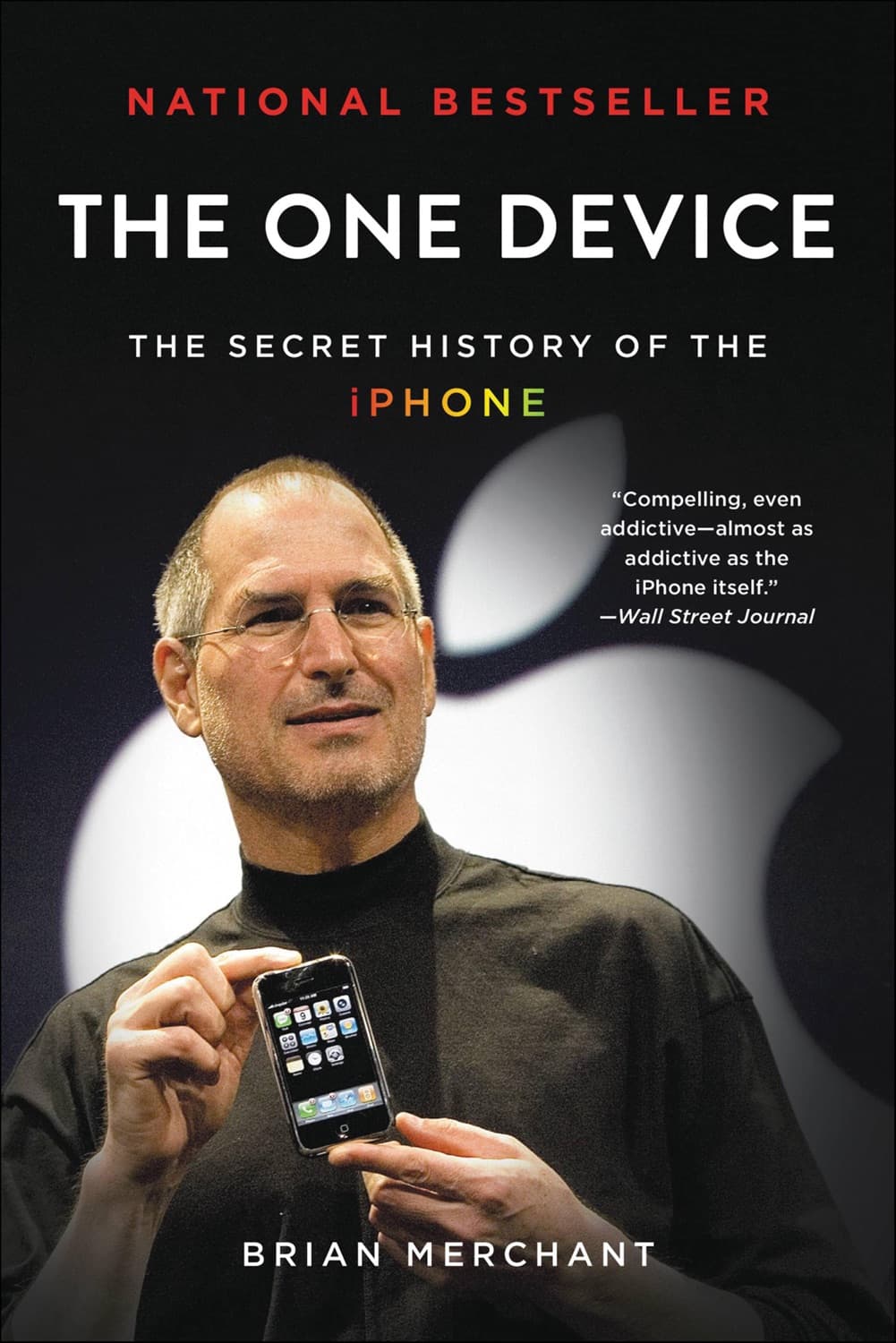
The One Device
Brian Merchant
The secret, global, slightly insane story of the single product that funds everything Apple does.
The iPhone's supply chain is Cook's true masterpiece.
Brian Merchant traces the iPhone from rare-earth mines to Foxconn floors to the Cupertino labs where it was hidden, exposing the human and material cost of Apple's flagship. It is for readers who want the object at the center of Cook's empire taken apart.
Efficiency and artistry pulled Apple in opposite directions.
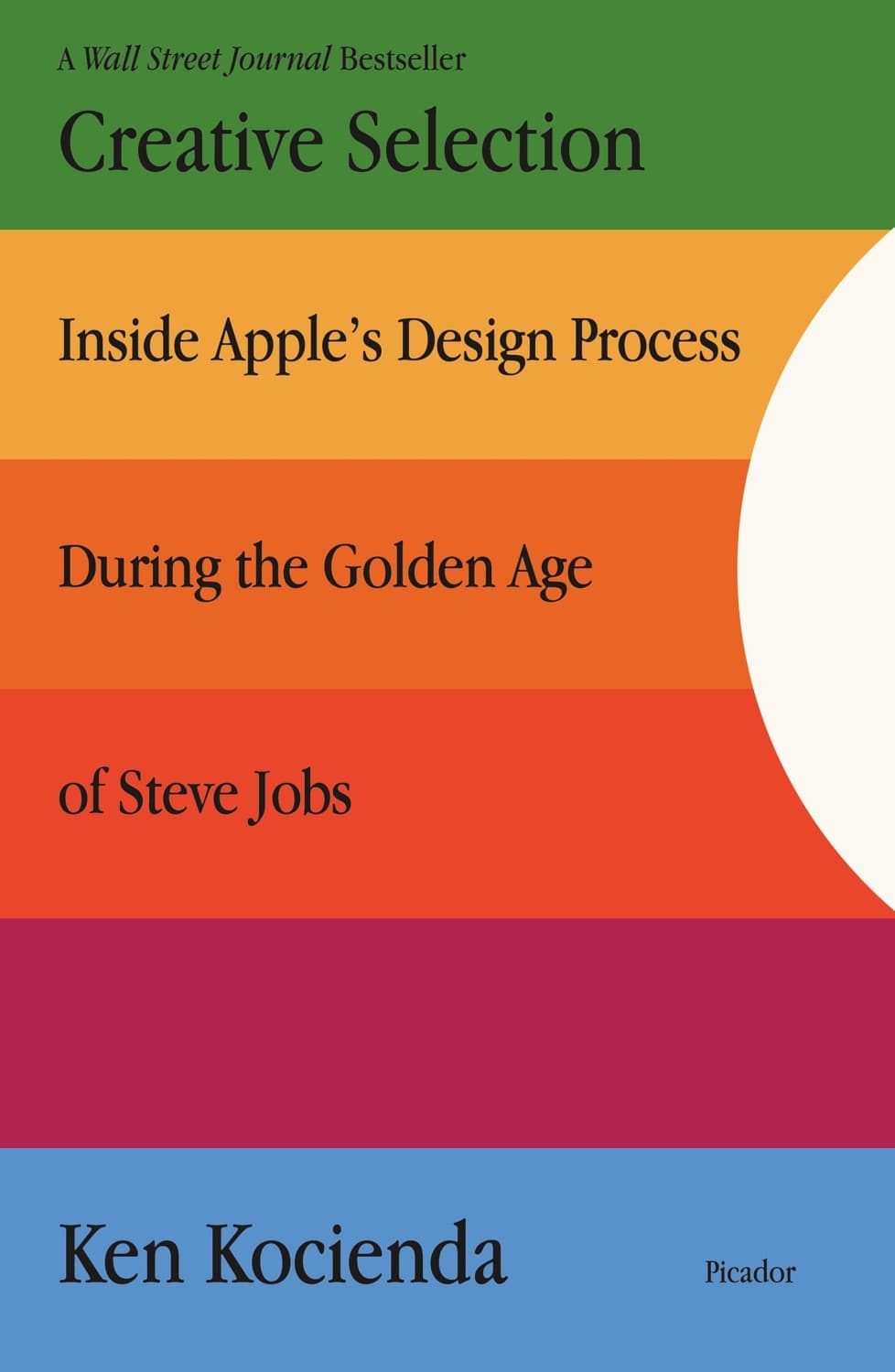
Creative Selection
Ken Kocienda
The engineer who built the iPhone keyboard on how Apple's demos, not its managers, decided everything.
At Apple, a working demo beat any opinion in the room.
Ken Kocienda spent fifteen years as a principal engineer at Apple and recounts the actual craft of shipping software there, the ruthless demo culture and the taste that guided it. It is the rare insider account written from the workbench rather than the boardroom.
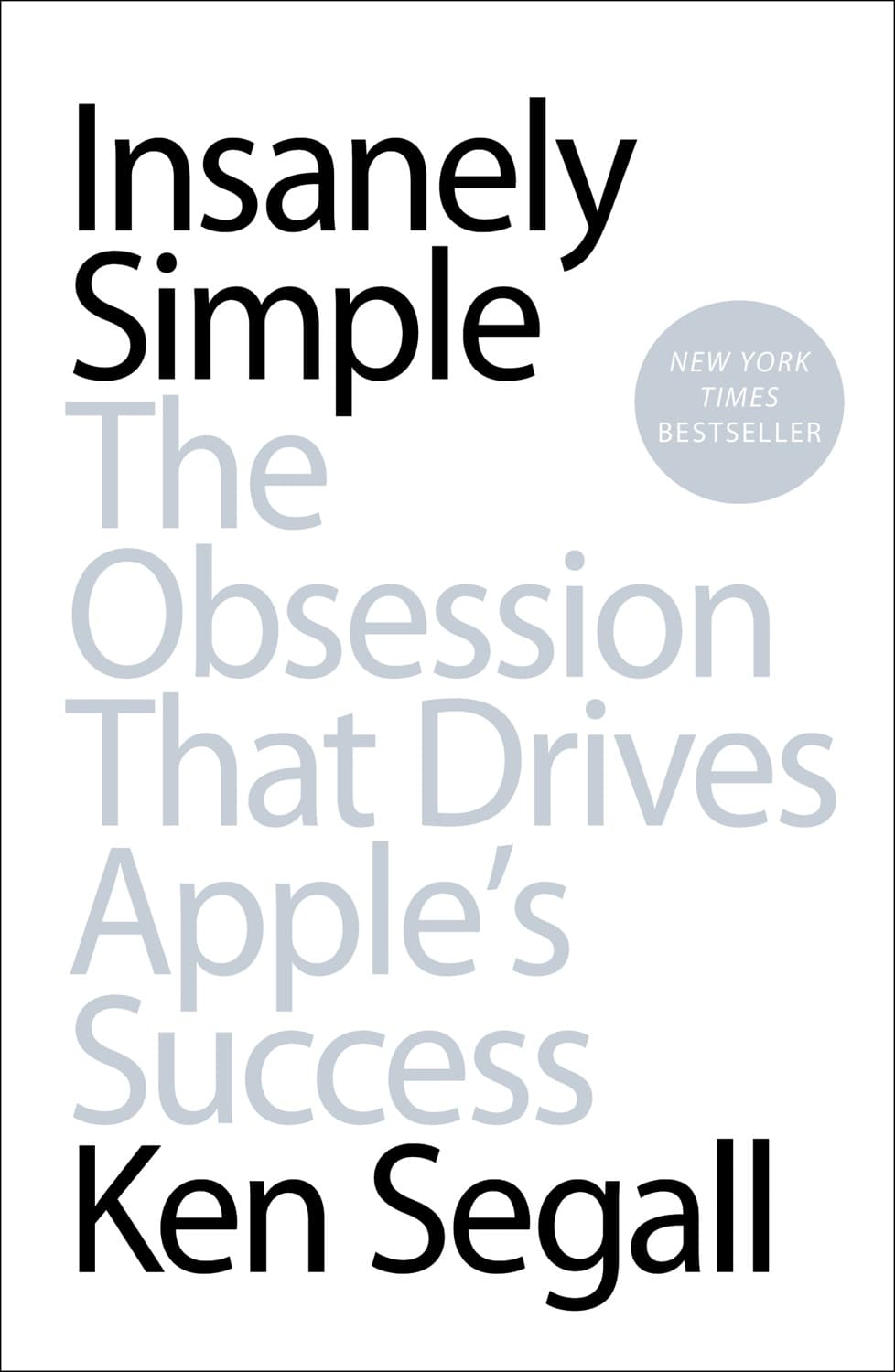
Insanely Simple
Ken Segall
The ad man who named the iMac on the obsession with simplicity that drives every Apple decision.
Simplicity at Apple is a discipline, not an aesthetic.
Ken Segall worked alongside Jobs as an agency creative director and argues that a fanatical devotion to simplicity, not secrecy or genius, explains Apple's choices. It is for readers who want the principle Cook inherited and still enforces across the product line.
Can we tailor this list for you?
Type your question in the bar below and the AI will tailor a fresh set of picks just for you.