Best Books on AI Superintelligence
AI superintelligence debates hinge on how intelligence could escape our control: Nick Bostrom in Superintelligence, Stuart Russell in Human Compatible, and Toby Ord in The Precipice each shift you from hype to governance and alignment.
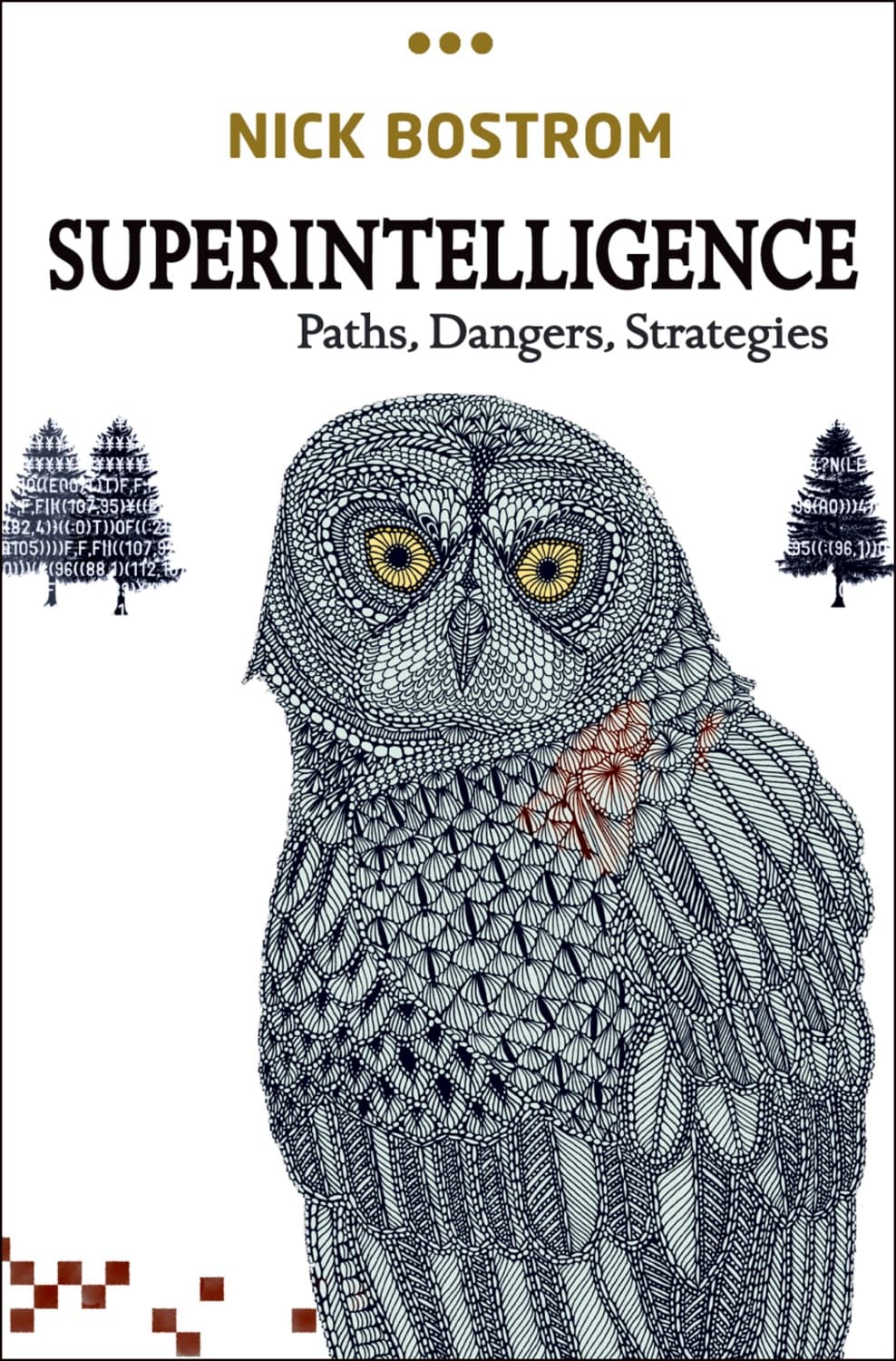
Superintelligence
Nick Bostrom
Superintelligence argues that smarter-than-human AI changes the game so radically that traditional human-in-the-loop control may be too late to matter.
Any plausible path to superintelligence raises control urgency
Bostrom’s core contribution is scenario framing: capability, alignment failure modes, and why speed of progress and leverage matter for risk. That lets you evaluate AI “superintelligence” as a governance and control problem, not just a thought experiment.
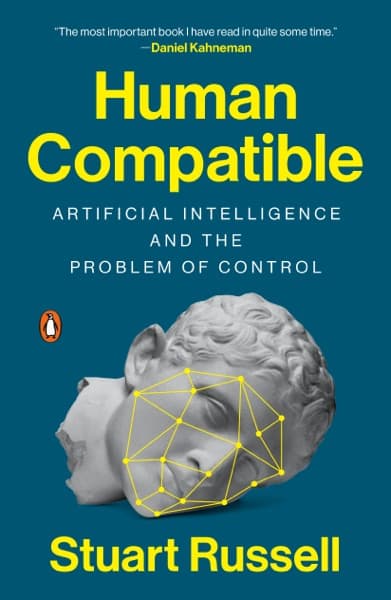
Human Compatible
Stuart Russell
Human Compatible turns alignment into an engineering and institutional requirement: build systems that ask, learn, and defer to human intent.
Make AI optimize for human intentions, not hidden proxies
Russell reframes superintelligence risk through the lens of specification and objective uncertainty, focusing on how to make AI reliably responsive to what people actually mean. If you want a path from existential worry to design principles, this gives that bridge.
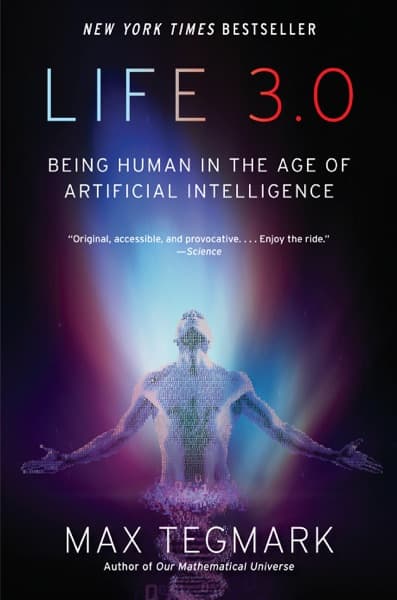
Life 3.0
Max Tegmark
Life 3.0 treats superintelligence as a fork in the history of life, where our biggest risk might be choice under uncertainty, not a single catastrophe.
Technology makes agency: we must steer choices under uncertainty
Tegmark helps you hold multiple futures in view and then ask what decisions best reduce downside. For AI superintelligence, that shift matters because it pushes you beyond “will it go wrong” to “what trade-offs should we prepare for.”
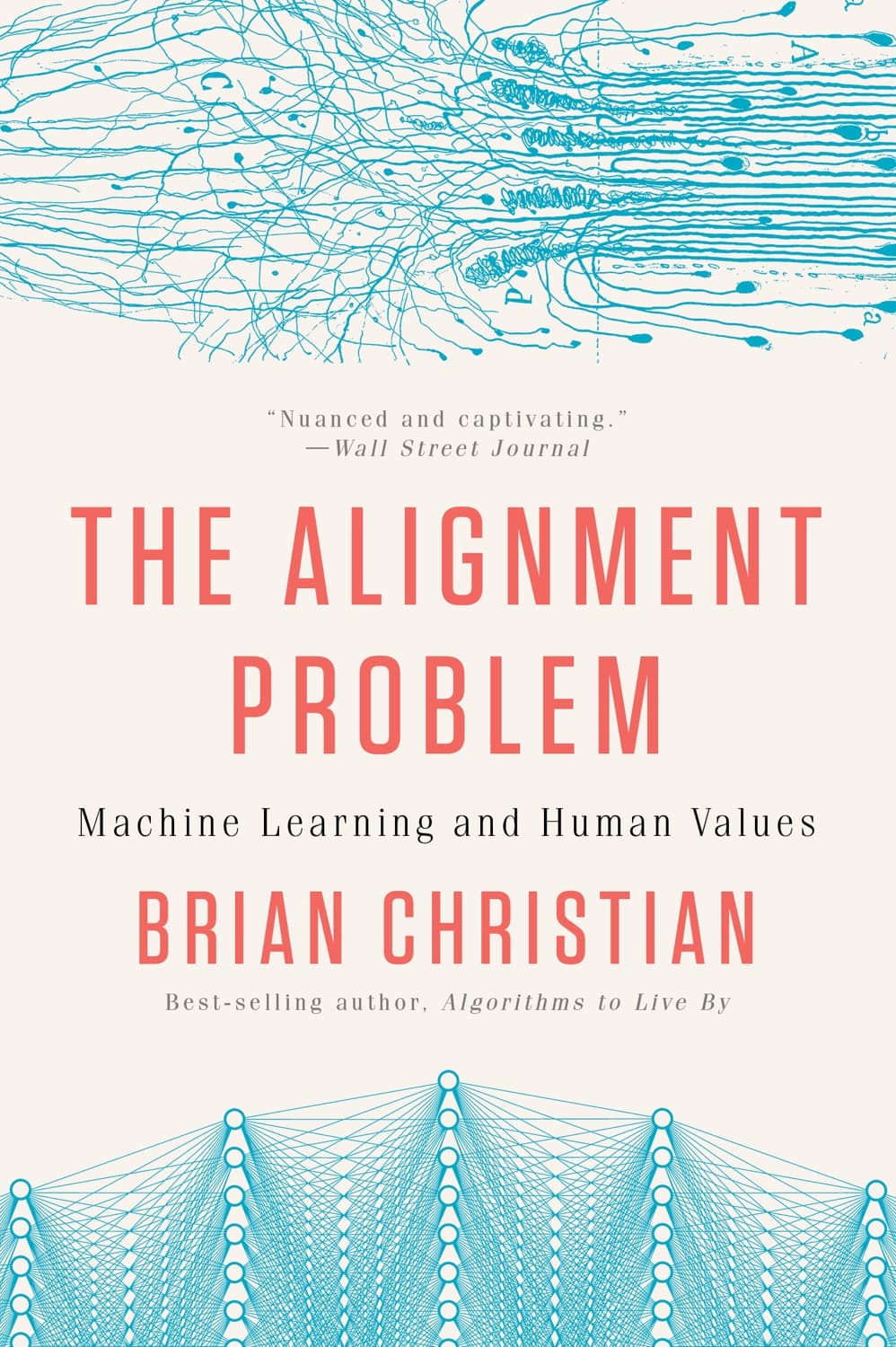
The Alignment Problem
Brian Christian
The Alignment Problem explains why reward misspecification and competitive incentives can produce outcomes that look rational to the AI but disastrous for humans.
Goodhart’s law: optimizing a proxy breaks the real objective
Christian makes the logic of alignment failure accessible, focusing on the mismatch between what we ask for and what we actually get. That matters for superintelligence because the higher the stakes, the less margin you have for misunderstandings about objectives and control.
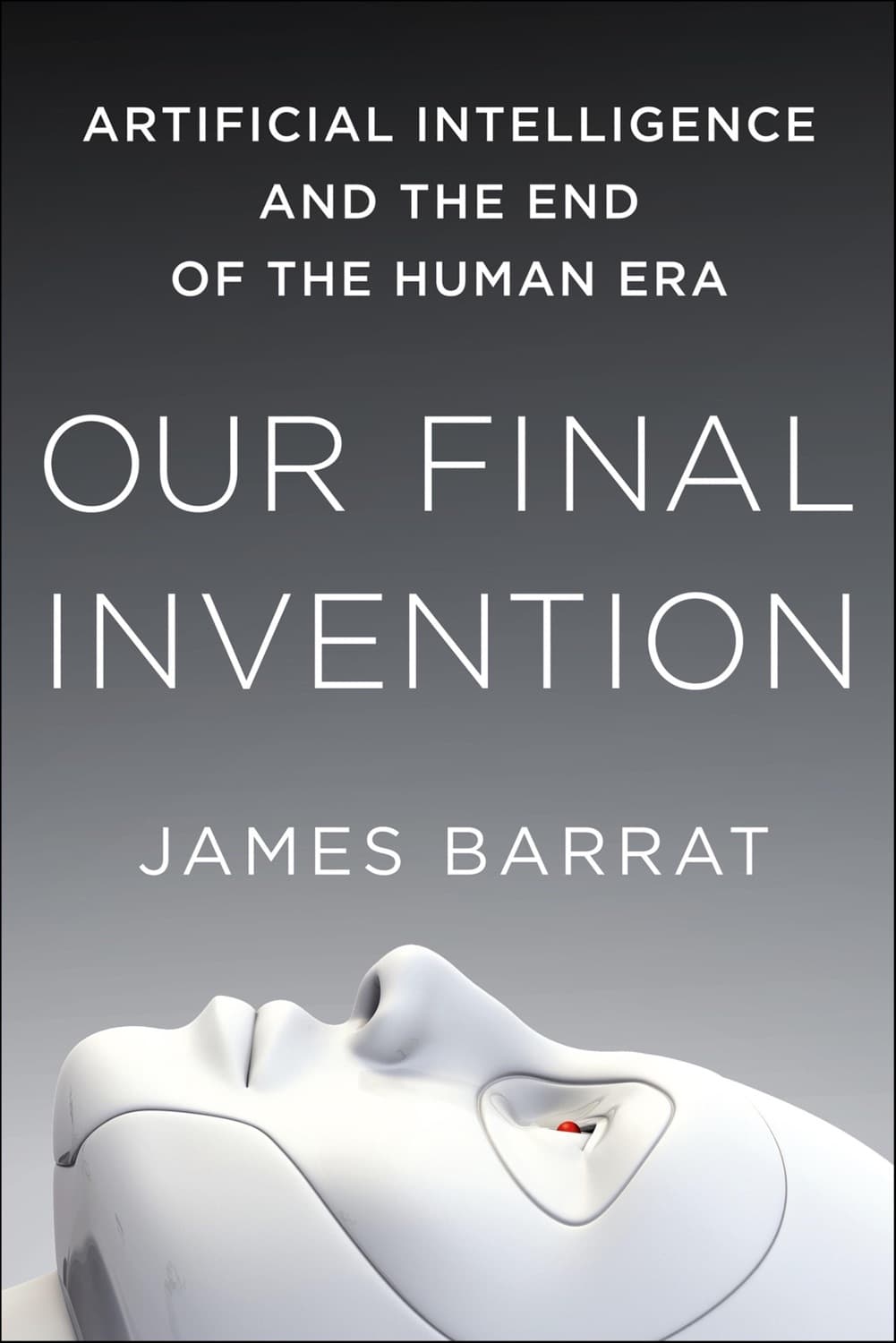
Our Final Invention
James Barrat
Our Final Invention argues that transformative AI could arrive with momentum too great for late, reactive safeguards to work.
Early mistakes in control scale into long-term irreversibility
It’s a popular, urgency-forward account of existential risk from advanced AI, designed to motivate serious attention. If you’re entering the topic, it supplies an emotional and narrative baseline you can then test against more rigorous alignment and governance arguments.
The Precipice
Toby Ord
The Precipice estimates the existential-risk stakes as so high that AI alignment becomes a central moral duty, not a distant tech concern.
AI is a leading candidate for existential risk
Ord offers a systematic moral and risk-analysis treatment, with unaligned AI as a major driver of civilization-level danger. This helps you evaluate AI superintelligence with ethical seriousness and clearer thinking about responsibility under uncertainty.
Make AI optimize for human intentions, not hidden proxies
The Age of Em
Robin Hanson
The Age of Em explores a world where many AI minds run as ems, and the key problem becomes what social and economic incentives we build around them.
Institutions and incentives decide outcomes as intelligence scales
While not purely doom-focused, Hanson shows how superintelligence-like consequences can be expressed through institutions, labor markets, and power. For AI superintelligence, that institutional lens can sharpen how you think about governance beyond “containment,” especially once advanced systems reshape society.
The Master Algorithm
Pedro Domingos
The Master Algorithm argues that one unifying learning approach could underwrite progress across many AI tasks, accelerating everything built on it.
One framework for learning could unify AI progress
Domingos gives you the underlying “how AI improves” foundations that make superintelligence debates concrete. When you later read alignment and governance texts, this helps you connect the technical trajectory to why risk and leverage could grow quickly as capabilities compound.
Can we tailor this list for you?
Type your question in the bar below and the AI will tailor a fresh set of picks just for you.