Best Books on ChatGPT and AI for Beginners
Using ChatGPT well starts with understanding what it actually is. These books cover both sides: the practical craft of working alongside AI, and plain-English explanations of how these systems think, where they fail, and why they sometimes make things up. A grounded starting point for anyone meeting AI for the first time.
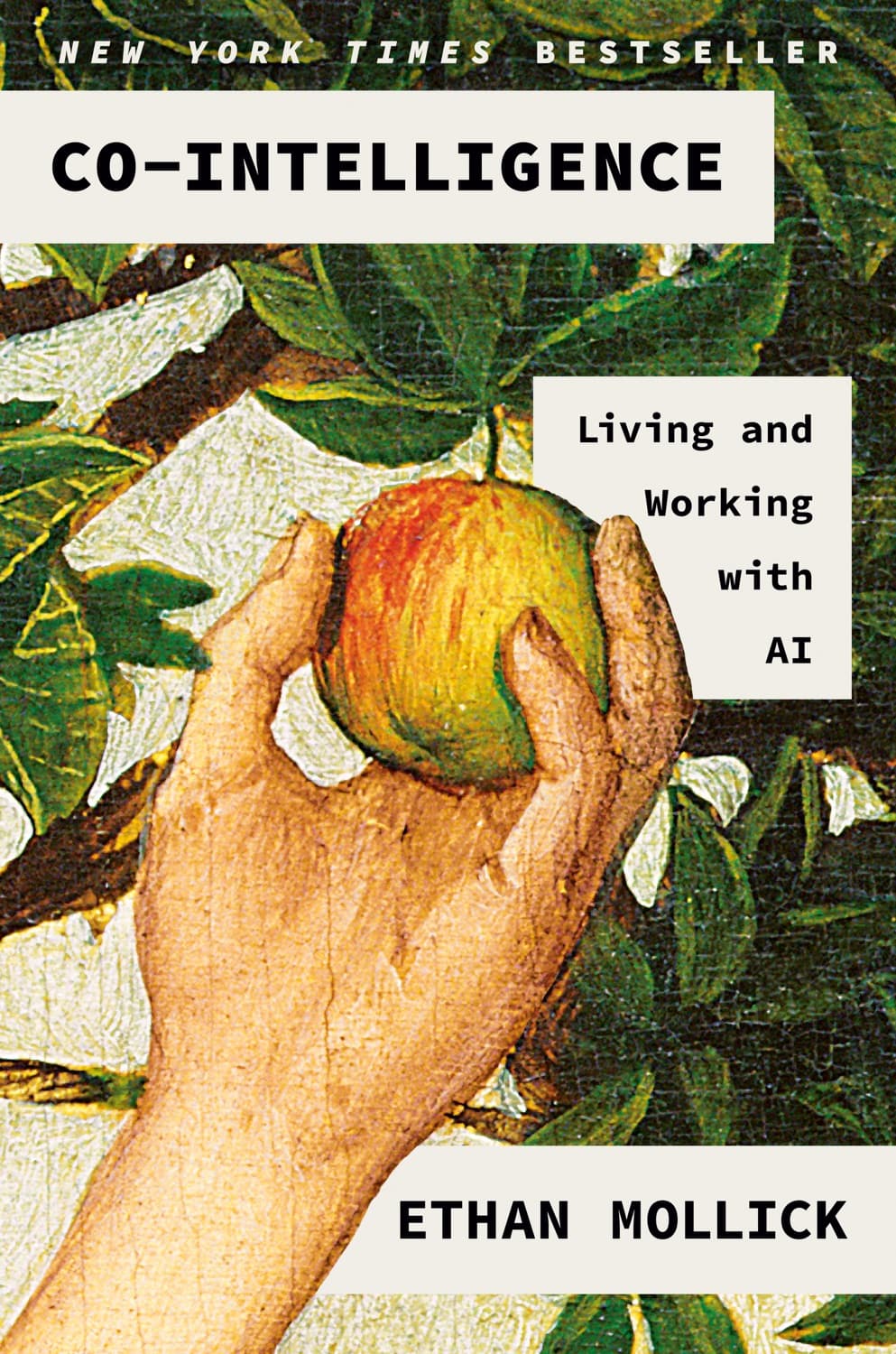
Co-Intelligence
Ethan Mollick
A practical playbook for treating ChatGPT as a collaborator, not a search box.
Treat the AI like an eager intern: give it context, expect mistakes, and always check its work.
Mollick, who teaches with these tools daily, offers concrete principles for prompting, delegating, and sanity-checking AI so beginners get useful work out of it quickly.
Artificial Intelligence
Melanie Mitchell
A clear, hype-free explanation of what AI can and cannot actually do.
Machines can be superhuman at narrow tasks while missing what any child plainly understands.
Mitchell, a working AI researcher, explains the field in plain language so beginners can tell real capability from marketing and understand why the systems behave as they do.
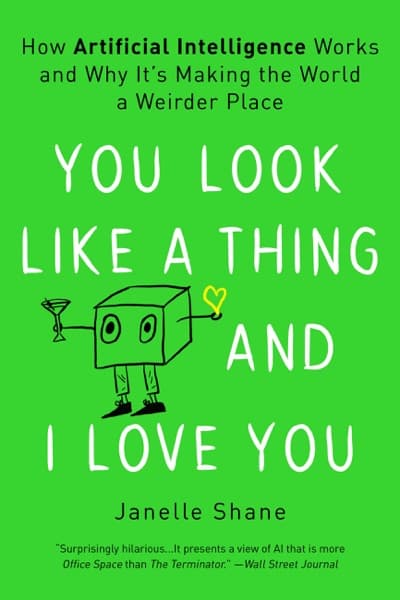
You Look Like a Thing and I Love You
Janelle Shane
A funny, vivid explanation of how AI really learns, and how weirdly it fails.
AI does exactly what you reward it for, which is rarely the same as what you actually wanted.
Shane uses her own goofy neural-network experiments to teach, without jargon, how these systems find patterns and why their mistakes are so strange and revealing.
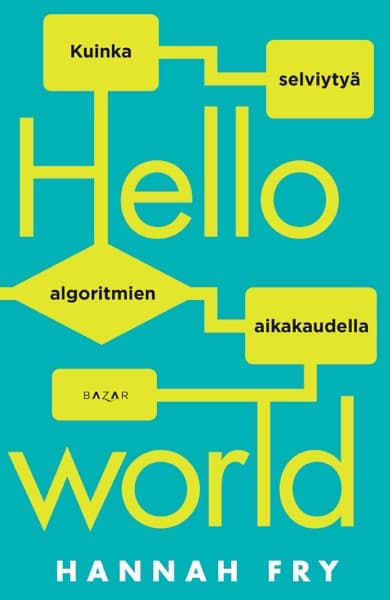
Hello World
Hannah Fry
A friendly tour of the algorithms already making decisions about your life.
The goal is not to trust algorithms or reject them, but to know when each one has earned it.
Fry, a mathematician, walks beginners through how algorithms judge, sort, and predict in medicine, justice, and daily life, building the intuition to question what AI tells you.
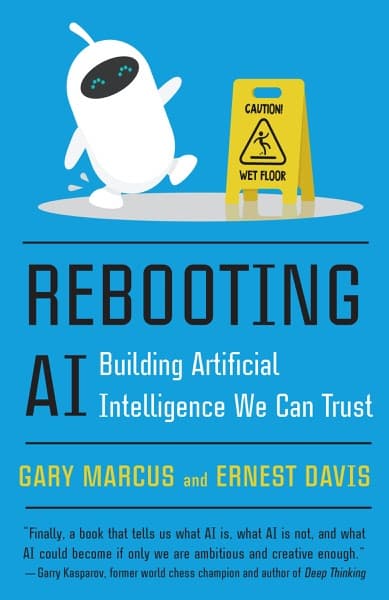
Rebooting AI
Gary Marcus, Ernest Davis
A grounded look at why today's AI is less intelligent than it sounds.
An AI that writes fluently can still have no real idea what it is talking about.
Marcus and Davis explain where systems like ChatGPT break, from reasoning to common sense, so beginners learn to trust the output only as far as it has earned.
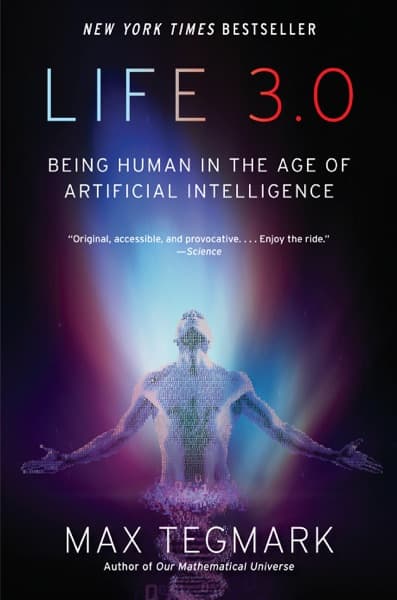
Life 3.0
Max Tegmark
The big-picture guide to where artificial intelligence could take humanity.
The real question is not what AI can do, but what we actually want it to do for us.
Tegmark lays out, for general readers, the stakes of increasingly capable AI, giving beginners the vocabulary to follow the debates behind every ChatGPT headline.
Machines can be superhuman at narrow tasks while missing what any child plainly understands.
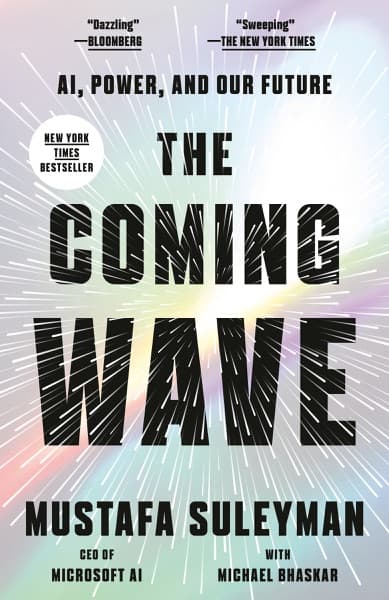
The Coming Wave
Mustafa Suleyman, Michael Bhaskar
A frontier builder's warning about the technologies now arriving all at once.
The hardest part of powerful technology is not building it but learning to contain it.
Suleyman, who co-founded DeepMind, explains why AI and related tools are spreading so fast and so cheaply, helping beginners grasp why this moment genuinely feels different.

AI 2041
Kai-Fu Lee, Chen Qiufan
Ten near-future stories that show AI woven into everyday life.
The future of AI will feel less like robots and more like quiet changes to ordinary days.
Lee pairs fiction with plain explainers so beginners can picture how AI reshapes jobs, love, and health, grounded in what the technology can plausibly do by 2041.
Can we tailor this list for you?
Type your question in the bar below and the AI will tailor a fresh set of picks just for you.