Best Books on the AI Race
The AI race is not just a tech sprint: it is a contest over governance, markets, and human agency. Books like The Coming Wave and Supremacy show the stakes shift after you read them.
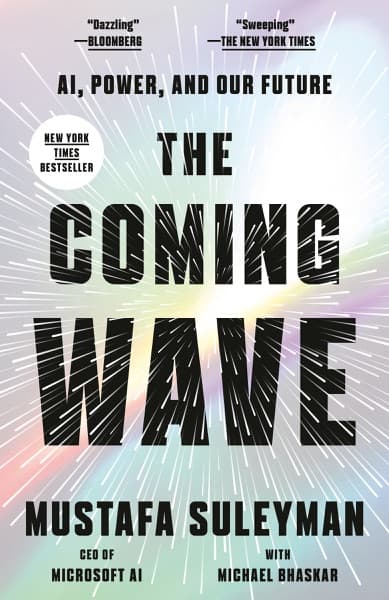
The Coming Wave
Mustafa Suleyman, Michael Bhaskar
After reading The Coming Wave, the “AI race” stops sounding like hype and starts sounding like a sequence of strategic capability jumps with governance implications you can map.
Governance must catch up to capability leaps
It lays out how frontier systems move from labs to society, and what actors do to capture advantage while rules lag behind. That framing helps you track the AI race as a power contest, not a set of isolated breakthroughs.
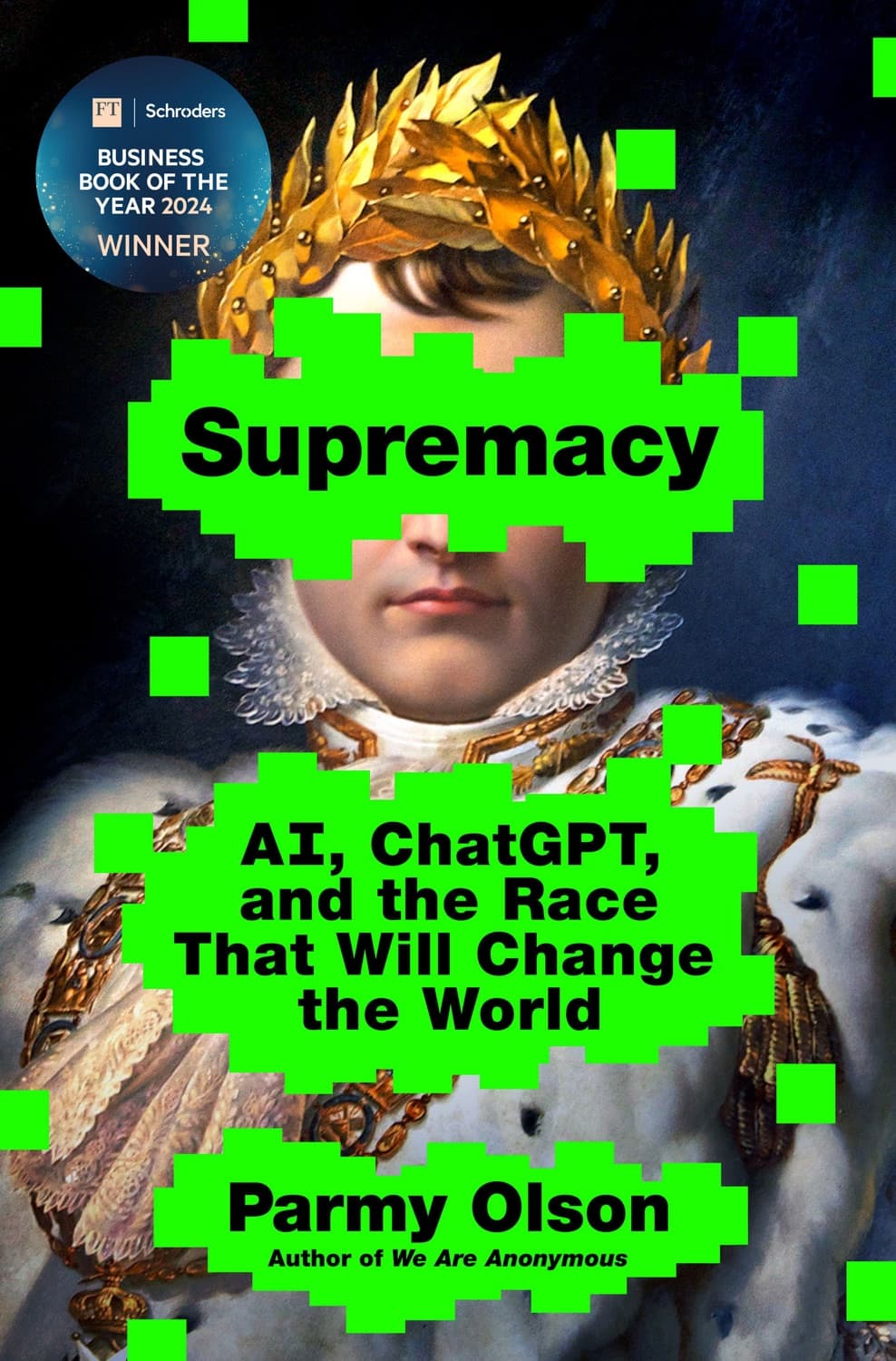
Supremacy
Parmy Olson
Supremacy makes corporate AI rivalry feel like a live dossier: who tried what, what broke, and why the margins of error matter.
In AI races, incentives shape what gets deployed
It documents the incentives, internal politics, and decision points inside the leading AI labs. For an AI-race lens, it turns “competition” into concrete organizational behavior.
AI Superpowers
Kai-Fu Lee
AI Superpowers reframes the AI race as two national strategies competing over talent, distribution, and cultural adoption, not just models.
The winner owns distribution, not only algorithms
It connects U.S.-China competition to business models and societal readiness. That matters because the race’s outcome depends as much on implementation and adoption as on research breakthroughs.
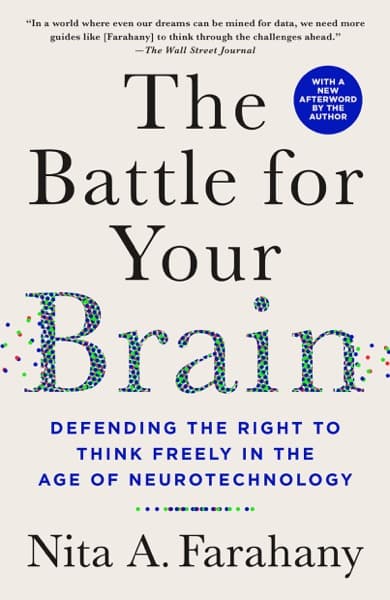
The Battle for Your Brain
Nita A. Farahany
The Battle for Your Brain sharpens the AI-race stakes into something visceral: attention, autonomy, and memory become contested infrastructure.
Influence tools can reshape agency
It argues that accelerating AI capability changes what societies can protect, especially when systems influence perception and decisions at scale. That perspective keeps the race grounded in human consequences, not just performance metrics.

The Atlas of AI
Kate Crawford
The Atlas of AI shifts your mental map from “models” to the full supply chain of power, labor, and extraction behind them.
AI’s footprint is political and material
It shows how the AI race runs on geopolitical leverage and material dependencies. For AI race reading, that reframes competition as a struggle over infrastructure and governance, not only intelligence.
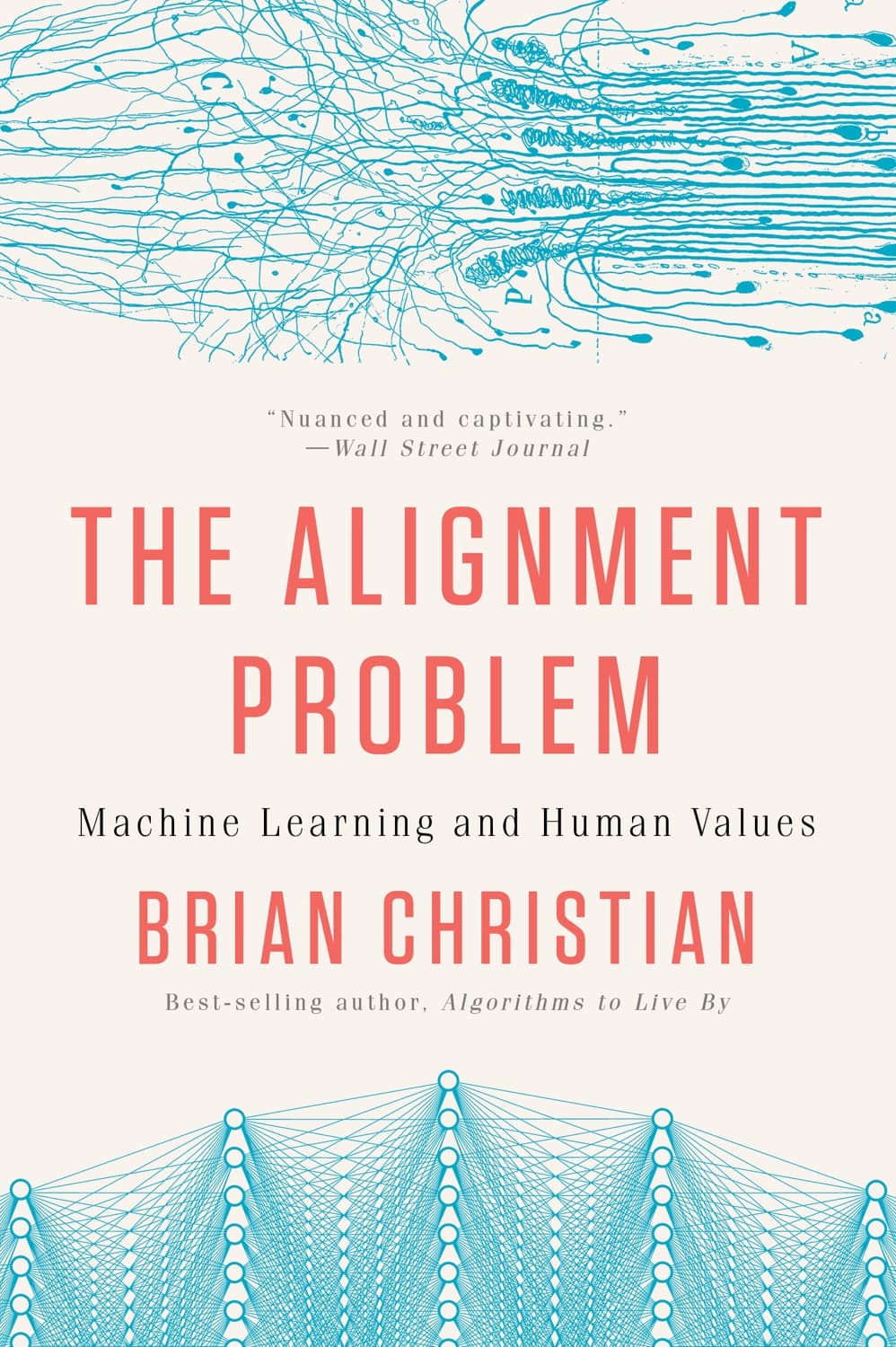
The Alignment Problem
Brian Christian
After The Alignment Problem, risk stops being vague: you learn how misalignment can emerge from mundane incentives, values, and loopholes.
Avoidable misalignment often comes from incentives
It blends technical concerns with real-world social stakes in an accessible way. For someone tracking the AI race, it provides a practical lens for why “capability” and “control” must be treated together.
In AI races, incentives shape what gets deployed

Life 3.0
Max Tegmark
Life 3.0 turns the AI race into a scenario builder: each new capability step implies new futures with different risks and opportunities.
Goals and values determine future outcomes
It lays out strategic possibilities in plain language, helping you reason about trajectory, governance pressure, and long-range trade-offs. That makes it useful when you want the race’s endgame, not just today’s headlines.
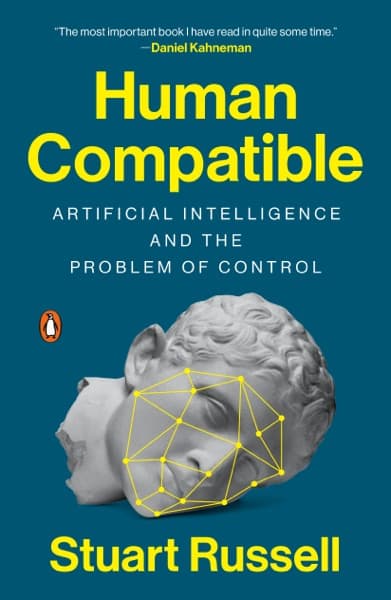
Human Compatible
Stuart Russell
Human Compatible changes how you think about building AI: the “race” is not solved by smarter systems but by clearer objectives and constraints.
Make AI robust to human intent
It argues for aligning AI to human intent and keeping humans in the loop. In an AI-race context, it highlights why technical progress alone does not guarantee safety when deployment pressure rises.
The Age of AI
Henry A Kissinger, Eric Schmidt, Daniel Huttenlocher
The Age of AI treats the AI race like geopolitics by other means, where compute, talent, and institutions reshape state power.
AI is a lever of state power
It offers a strategic view of how AI affects national strategy, alliances, and security. That perspective is especially valuable if your “race” question includes countries, deterrence, and competition dynamics.
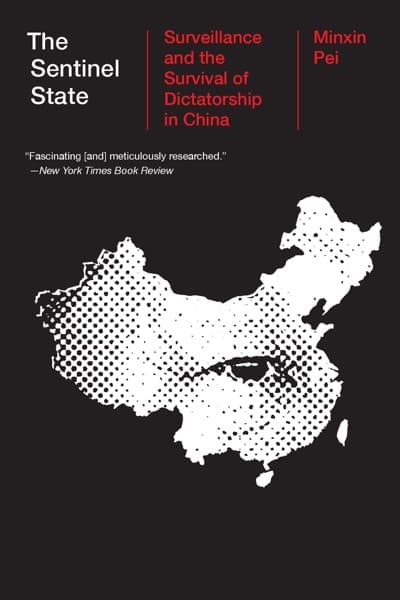
The Sentinel State
Minxin Pei
The Sentinel State makes China’s surveillance-tech logic feel like a strategic template for AI-era governance and control.
Surveillance capabilities become governance power
It connects surveillance capacity to political strategy and the incentives that accelerate adoption. If your AI race focus includes authoritarian implementation, this gives you a sharper view of how control is operationalized.
Can we tailor this list for you?
Type your question in the bar below and the AI will tailor a fresh set of picks just for you.