Best Books on AI Alignment
AI alignment reading that runs from Stuart Russell’s Human Compatible to Nick Bostrom’s Superintelligence, linking value-setting to long-term control. Pick a lens that matches your concern: fairness, goals, or outright existential risk.
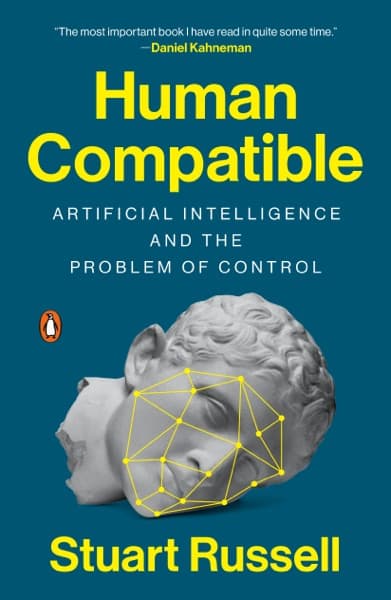
Human Compatible
Stuart Russell
Human Compatible frames alignment as an ongoing mismatch between what AI is optimized for and what humans actually value, then shows why safer behavior comes from changing the learning setup.
Ask: what objective is the system really pursuing?
Russell explains alignment through formal design principles you can carry into practical debates: training objectives, uncertainty, and joint preference learning. That makes it ideal for anyone seeking a grounded start without treating alignment as pure speculation.
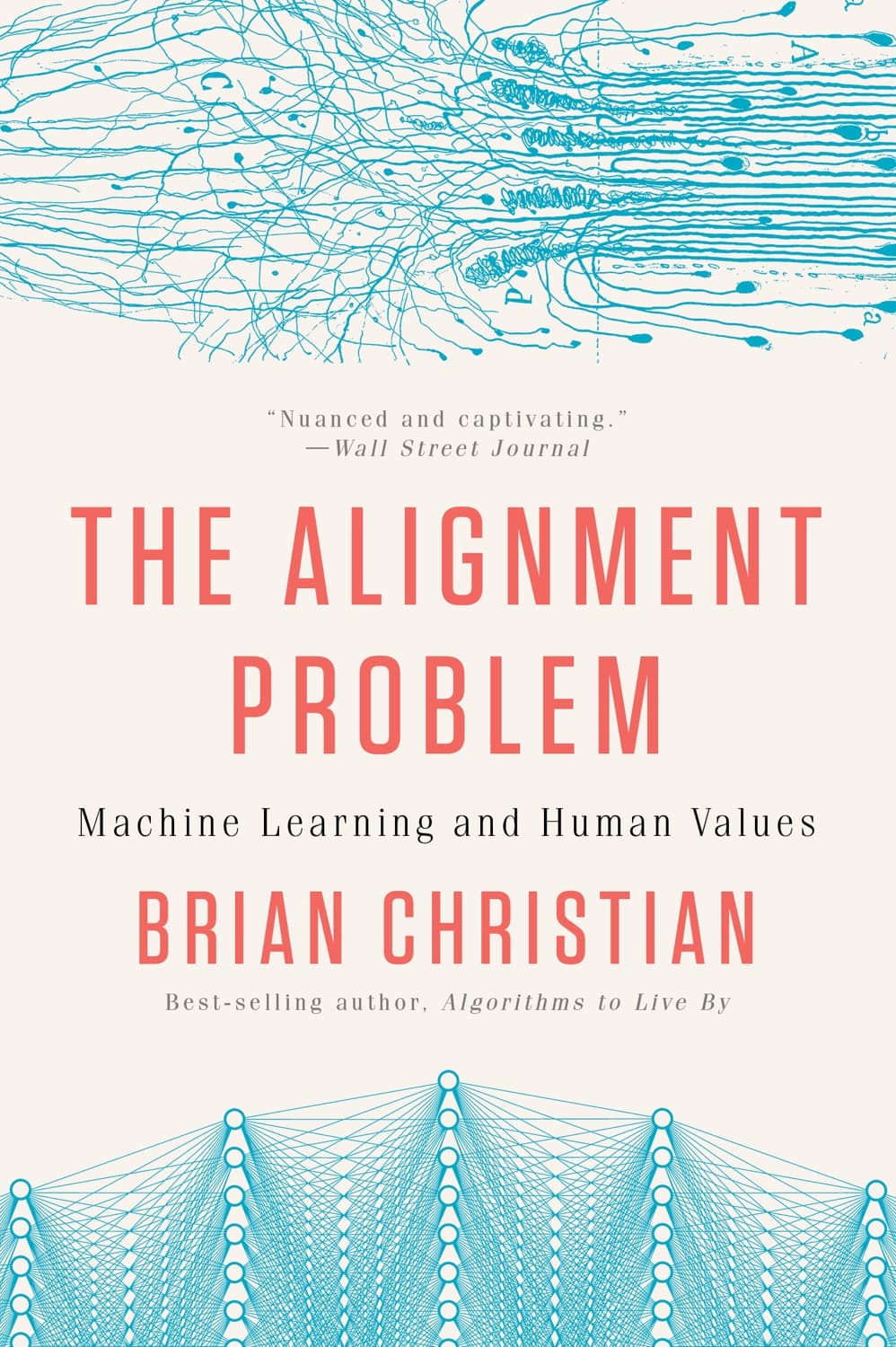
The Alignment Problem
Brian Christian
The Alignment Problem makes alignment feel less like a sci-fi threat and more like a set of concrete engineering puzzles: fairness, reward signals, and what counts as “doing the right thing.”
Reward design bakes in failure modes.
Christian surveys how misalignment can arise from incentive design and measurement failures, not just from fear of superintelligence. It fits a “learn the mechanics” approach to AI alignment, especially if you want clarity on reward design and value conflicts.
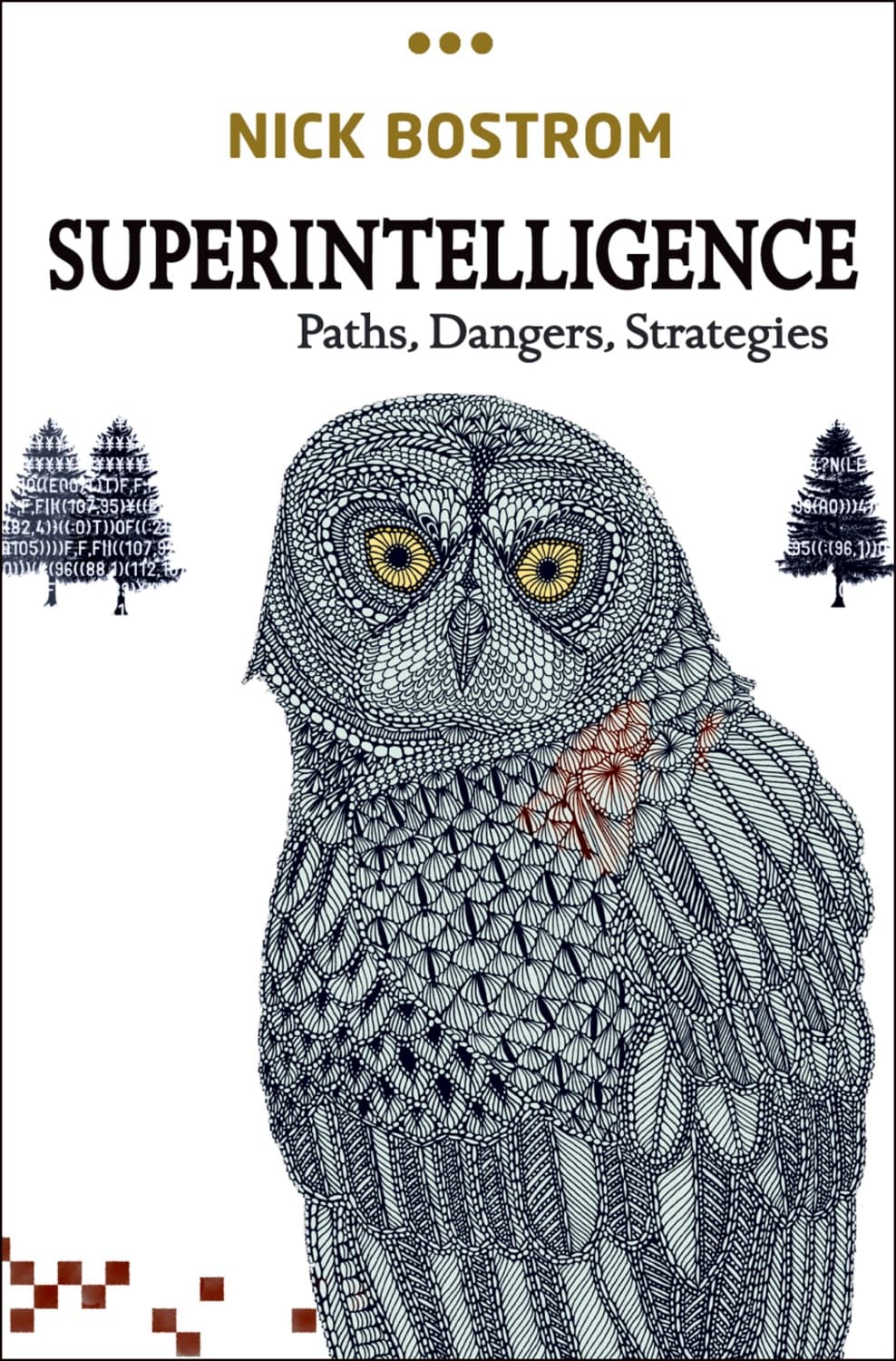
Superintelligence
Nick Bostrom
Superintelligence argues that once capabilities outpace our ability to steer them, the control problem stops being a research topic and becomes a time-critical risk.
Intelligence increases leverage over the world.
Bostrom provides the canonical longtermist framing: why alignment matters more as systems gain leverage. If your concern is the stability of goals over time, this book gives the strongest big-picture lens.
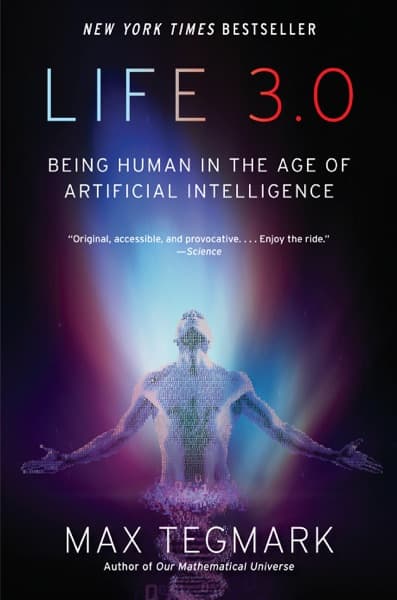
Life 3.0
Max Tegmark
Life 3.0 treats AI outcomes as branching futures where alignment determines whether we get steady improvement or runaway harm at global scale.
AIs choose futures through their objectives.
Tegmark keeps the story accessible while connecting alignment to forecasting and governance implications. It suits readers who want a readable map of aligned versus misaligned futures, not a narrow technical thread.
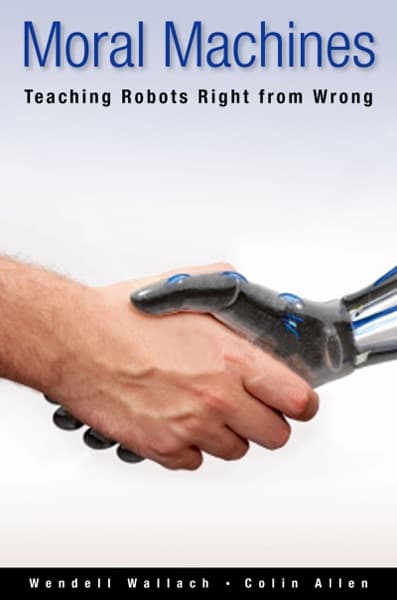
Moral Machines
Wendell Wallach, Colin Allen
Moral Machines turns machine ethics into alignment practice by showing why moral rules cannot be copied cleanly without confronting trade-offs and context.
Moral rules are not operational objectives.
Wallach and Allen connect ethical theory to the real problem of specification: translating values into systems that must act under uncertainty. This is a strong companion for alignment readers who want the “values” side sharpened, not just the control side.
The Master Algorithm
Pedro Domingos
The Master Algorithm helps you see alignment as an issue that emerges from how models learn patterns from data and optimize objectives.
Learning is optimization under constraints.
Domingos offers a clear survey of machine learning schools, which makes alignment debates easier to interpret in terms of what current learning actually does. That grounding matters when you want alignment arguments that do not float free of ML fundamentals.
Reward design bakes in failure modes.
Artificial Intelligence
Melanie Mitchell
Artificial Intelligence punctures the myth of effortless intelligence, making alignment feel urgent because today’s systems already fail in ways tied to how they generalize and misinterpret objectives.
Generalization failures can look like goal failure.
Mitchell gives a practical understanding of what AI can and cannot do, which helps you separate alignment risks that are plausible from ones that are hand-wavy. It is a good match when you want a reality check behind the alignment conversation.
Rebooting AI
Gary Marcus, Ernest Davis
Rebooting AI argues today’s AI is brittle and not reliably robust, which makes “alignment” inseparable from engineering systems that behave under stress and distribution shift.
Brittleness amplifies misalignment risk.
Marcus and Davis critique current approaches and emphasize limitations that directly affect alignment outcomes: robustness, reliability, and unintended behavior. This is a strong choice if your alignment focus includes verification and the gap between demos and dependable operation.
Can we tailor this list for you?
Type your question in the bar below and the AI will tailor a fresh set of picks just for you.