Best Books on Deepfakes and Synthetic Media
Deepfakes and synthetic media need more than debunking: Nina Schick’s Deepfakes and Shannon Vallor’s The ^AAI Mirror give you a practical way to judge identity, trust, and truth when media stops meaning what it used to.
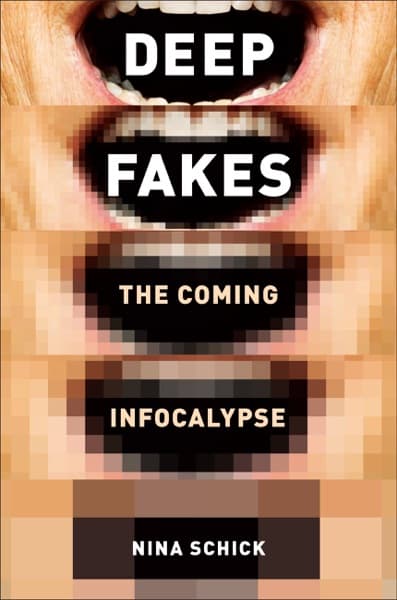
Deepfakes
Nina Schick
Deepfakes by Nina Schick shows how fabricated media reshapes politics by changing the effort required to sow doubt.
Undermine trust more than truth.
Schick emphasizes the strategic use of synthetic media and the resulting erosion of shared reference points. That matters because the core threat is not just lies, but the weakening of confidence in what counts as evidence.
Fake News
Chris Stokel-Walker
Fake News by Chris Stokel-Walker turns synthetic media risks into everyday patterns you can recognize before they harden into belief.
Trust fails at the speed of distribution.
Stokel-Walker builds an accessible map of how image and audio manipulation spreads, why people share it, and what “verification” really demands. For deepfakes and synthetic media, it helps you separate the technology’s limits from the culture’s vulnerabilities.
The ^AAI Mirror
Shannon Vallor
The ^AAI Mirror gives you a concrete ethical test for when AI-generated identities make society less truthful and less free.
Assess synthetic identity: agency, authenticity, and harm.
Vallor supplies an identity and representation framework tailored to AI-generated personas, which is central to synthetic media beyond misinformation headlines. It matters because deepfakes are not only about whether a claim is false, but whether people become unrecognizable or misrepresented.
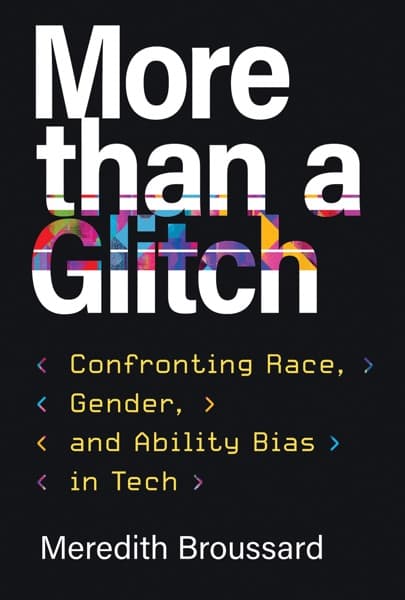
More than a Glitch
Meredith Broussard
More than a Glitch reframes “AI errors” as predictable outcomes of bias, incentives, and data choices rather than technical accidents.
Bias is baked into data and incentives.
Broussard’s critique of hype and missing accountability transfers directly to synthetic media, where claims are often shielded by technical opacity. It helps you ask the right questions about who benefits when media becomes synthetic and who pays when it breaks trust.
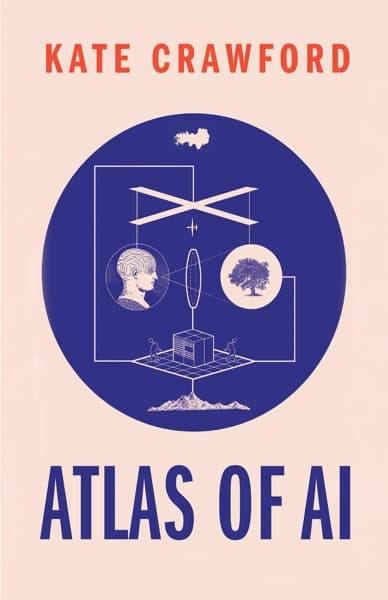
The Atlas of AI
Kate Crawford
The Atlas of AI makes synthetic media feel less like content and more like a supply chain of energy, labor, and power.
AI runs on extraction and labor.
Crawford explains the infrastructure behind AI systems that enable generation, scaling, and distribution. That matters for deepfakes because social harm depends on the real-world systems feeding these technologies, not only on the clips themselves.
Hello World
Hannah Fry
Hello World turns algorithmic media shaping into something you can reason about: models create outcomes, and outcomes create consequences.
Algorithms optimize what they measure.
Fry offers a beginner-friendly bridge from how systems work to how they affect people, which supports understanding synthetic media’s downstream effects. It is especially useful when you need clarity about the logic behind prediction and recommendation that often amplifies synthetic content.
Trust fails at the speed of distribution.
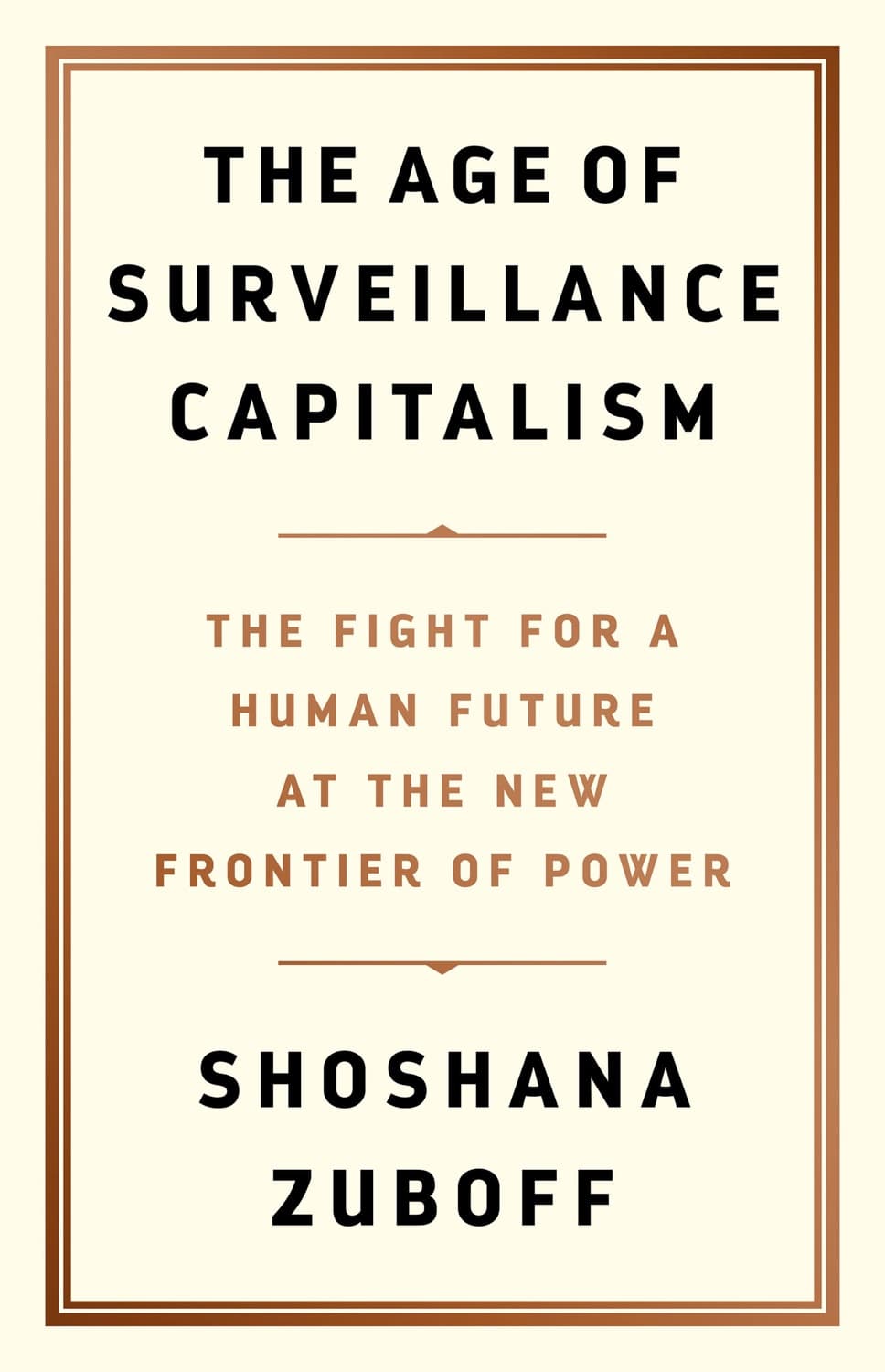
The Age of Surveillance Capitalism
Shoshana Zuboff
The Age of Surveillance Capitalism makes synthetic media’s persuasive power legible through surveillance-driven business logic.
Behavior becomes a product for prediction.
Zuboff explains how data extraction supports influence at scale, which is exactly the environment where synthetic media thrives. For deepfakes, the value is context: deception and personalization reinforce each other inside an attention economy.
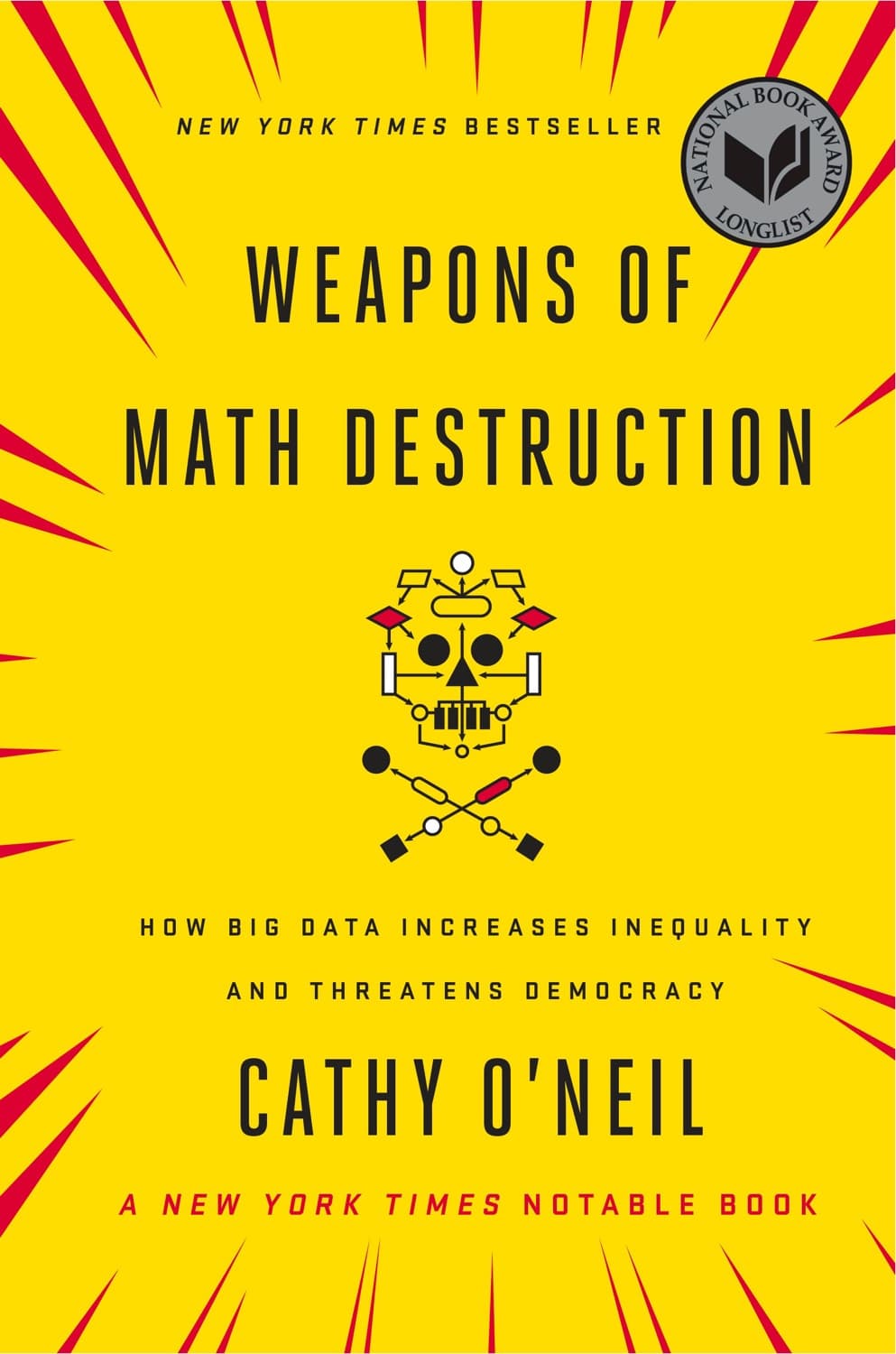
Weapons of Math Destruction
Cathy O'Neil
Weapons of Math Destruction sharpens your skepticism: when models are opaque, public trust becomes the casualty.
Opacity plus scale equals harm.
O'Neil connects automation to accountability failures, which parallels synthetic media’s ability to evade responsibility. That alignment helps you evaluate synthetic systems by focusing on transparency, impact, and who can contest the outputs.
Deepfakes
Nina Schick
Deepfakes by Nina Schick shows how fabricated media reshapes politics by changing the effort required to sow doubt.
Undermine trust more than truth.
Schick emphasizes the strategic use of synthetic media and the resulting erosion of shared reference points. That matters because the core threat is not just lies, but the weakening of confidence in what counts as evidence.
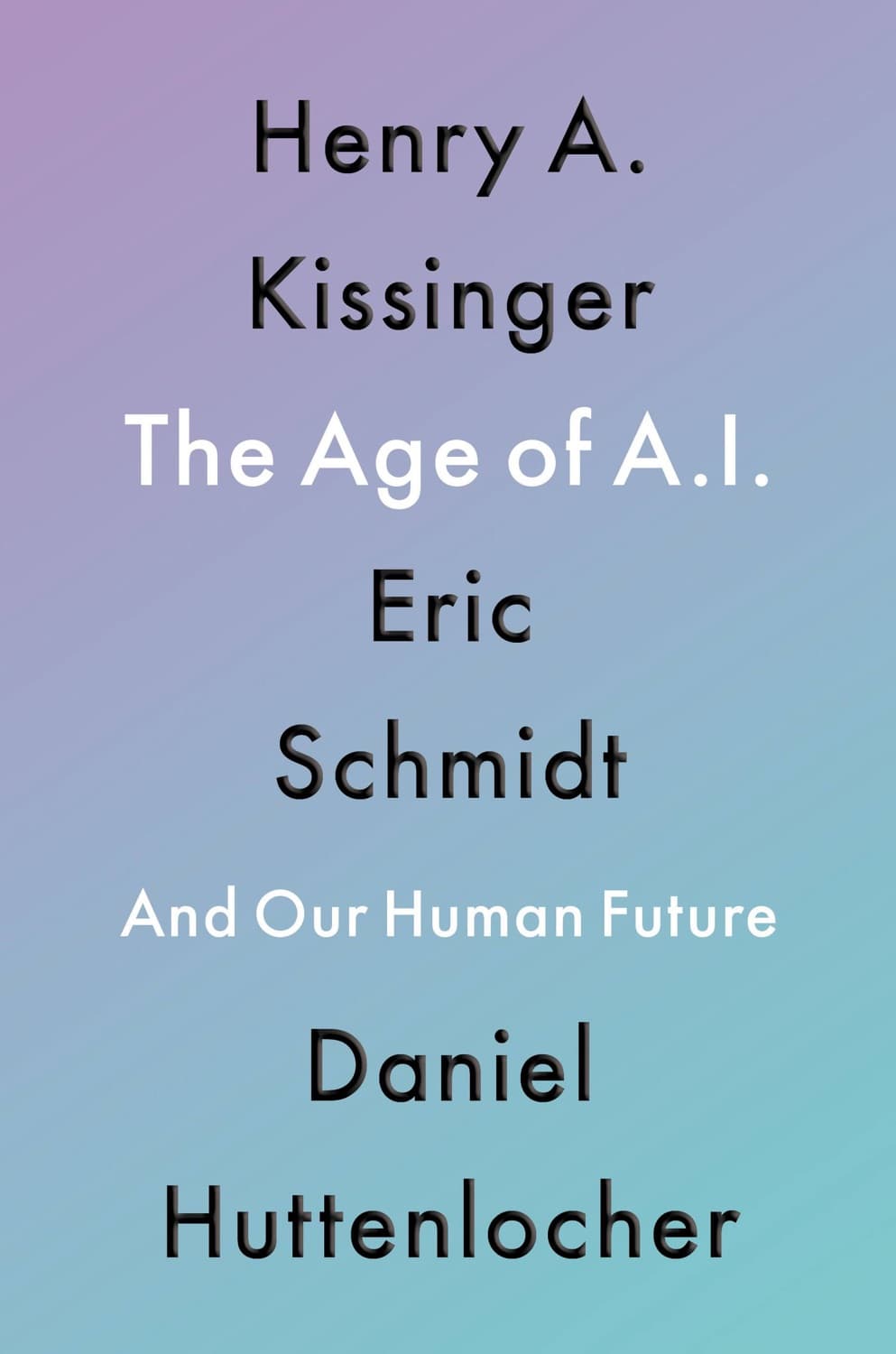
The Age of AI
Henry A Kissinger, Eric Schmidt, Daniel Huttenlocher
The Age of AI treats synthetic media as a geopolitical capability that changes how societies coordinate meaning.
AI alters national and institutional decision-making.
This book places AI’s societal implications in a high-level frame that includes information manipulation and institutional pressure. If your concern is deepfakes as more than a culture problem, this offers a macro lens on what power and governance must adapt.
Can we tailor this list for you?
Type your question in the bar below and the AI will tailor a fresh set of picks just for you.