Best Books on OpenAI and Anthropic
OpenAI and Anthropic are reshaping the frontier AI contest, and these books help you see how power, incentives, and alignment trade-offs actually work. From Mustafa Suleyman to Stuart Russell, each title turns headlines into a usable lens.
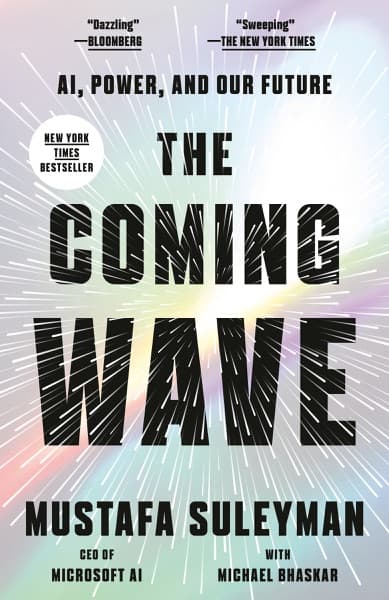
The Coming Wave
Mustafa Suleyman, Michael Bhaskar
You finish with a strategist’s map: today’s frontier labs are only one step in a broader shift toward governed, society-scale AI systems.
Governance and deployment reshape the competition, not just model quality.
Rather than treating models as magic, it frames governance, competition, and deployment as a single system with incentives and constraints. That lens helps you read OpenAI and Anthropic as organizations navigating escalation, regulation, and public legitimacy.
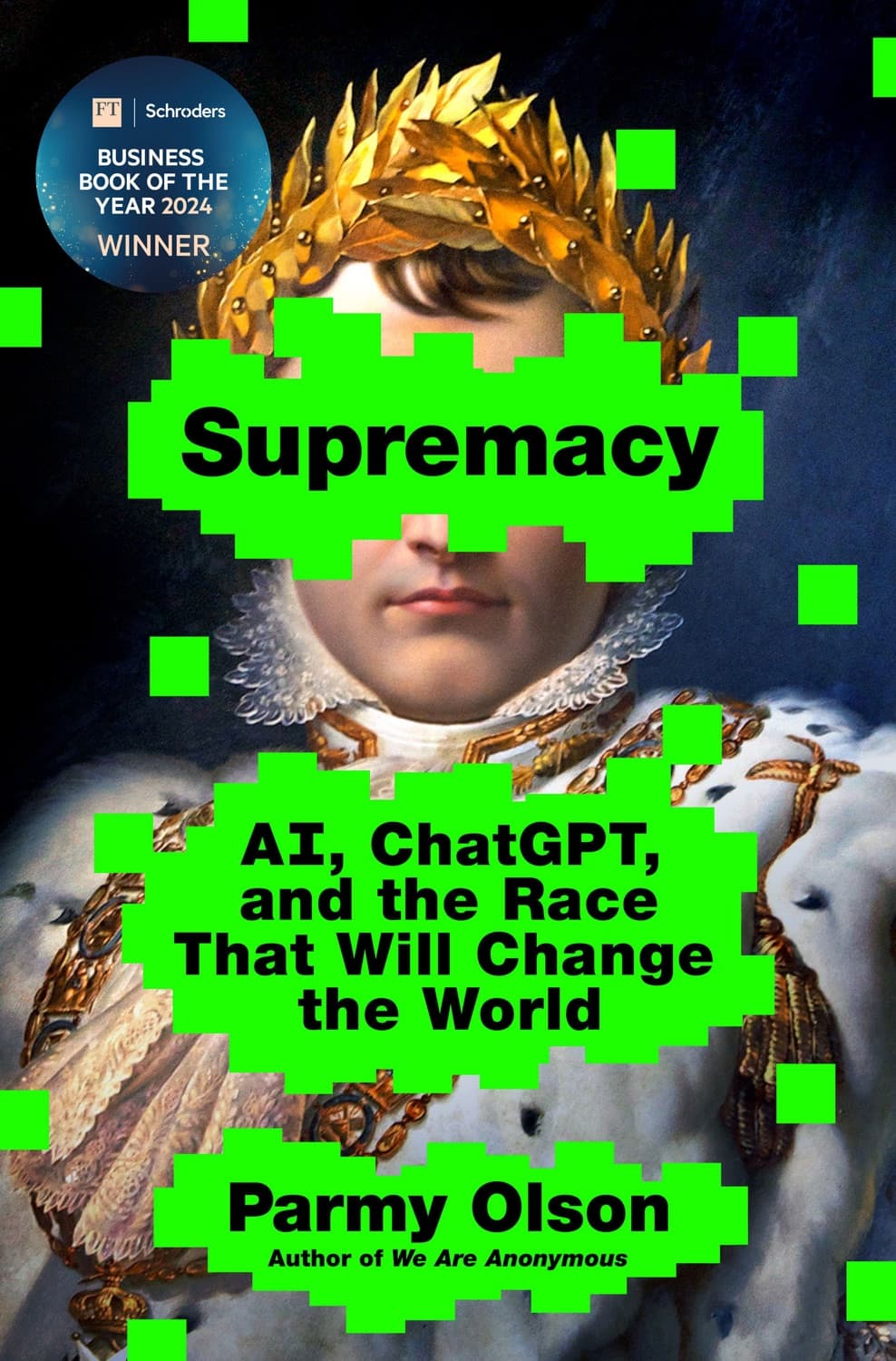
Supremacy
Parmy Olson
A narrative of high-stakes rivalry that makes the OpenAI-DeepMind-Anthropic ecosystem feel like a single battlefield with shifting rules.
Rivalries accelerate, then force new ground rules.
Olson’s reporting follows the human decisions behind the institutional rise. It’s a strong fit when you want context for why OpenAI and Anthropic move the way they do: talent, product leverage, compute realities, and political pressure.
The Optimist
Keach Hagey
You come away with a clearer picture of how Sam Altman’s operating style and priorities turned OpenAI from a research effort into an industrial-grade organization.
Strategy is what survives the next pivot.
It’s not only about events, but about decision-making under uncertainty. That matters for understanding Anthropic and OpenAI as parallel builders of momentum, credibility, and product direction.
Empire of AI
Karen Hao
You finish with OpenAI culture and power dynamics in focus: the technology story is also a story of people, incentives, and institutional speed.
Organizational incentives steer what gets built.
Hao’s reporting makes lab politics legible without flattening the technical ambition. If your goal is to understand how OpenAI’s choices translate into competitive pressure on Anthropic, this gives you the missing connective tissue.
Co-Intelligence
Ethan Mollick
Generative AI stops feeling like a black box and starts feeling like a collaboration tool whose limits you can reason about.
Use context to predict, not just prompt.
Mollick explains what these systems do and why their behavior changes in context, grounding the conversation around real capabilities and constraints. That gives you a practical foundation for reading both OpenAI and Anthropic claims with skepticism and clarity.
The Atlas of AI
Kate Crawford
It flips the focus from model breakthroughs to the hidden supply chains: labor, energy, data extraction, and governance gaps.
AI is built on material and institutional supply chains.
If you want to understand how OpenAI and Anthropic operate within a larger system of costs and impacts, Crawford offers a grounded critique. The result is a sharper question: what kind of power are these labs scaling, and at whose expense?
Can we tailor this list for you?
Type your question in the bar below and the AI will tailor a fresh set of picks just for you.