Best Books on AI Regulation
AI regulation needs more than “rules”: it needs power analysis, accountability, and public reason. Start with The Black Box Society and The Atlas of AI, then sharpen the fairness lens through Weapons of Math Destruction.
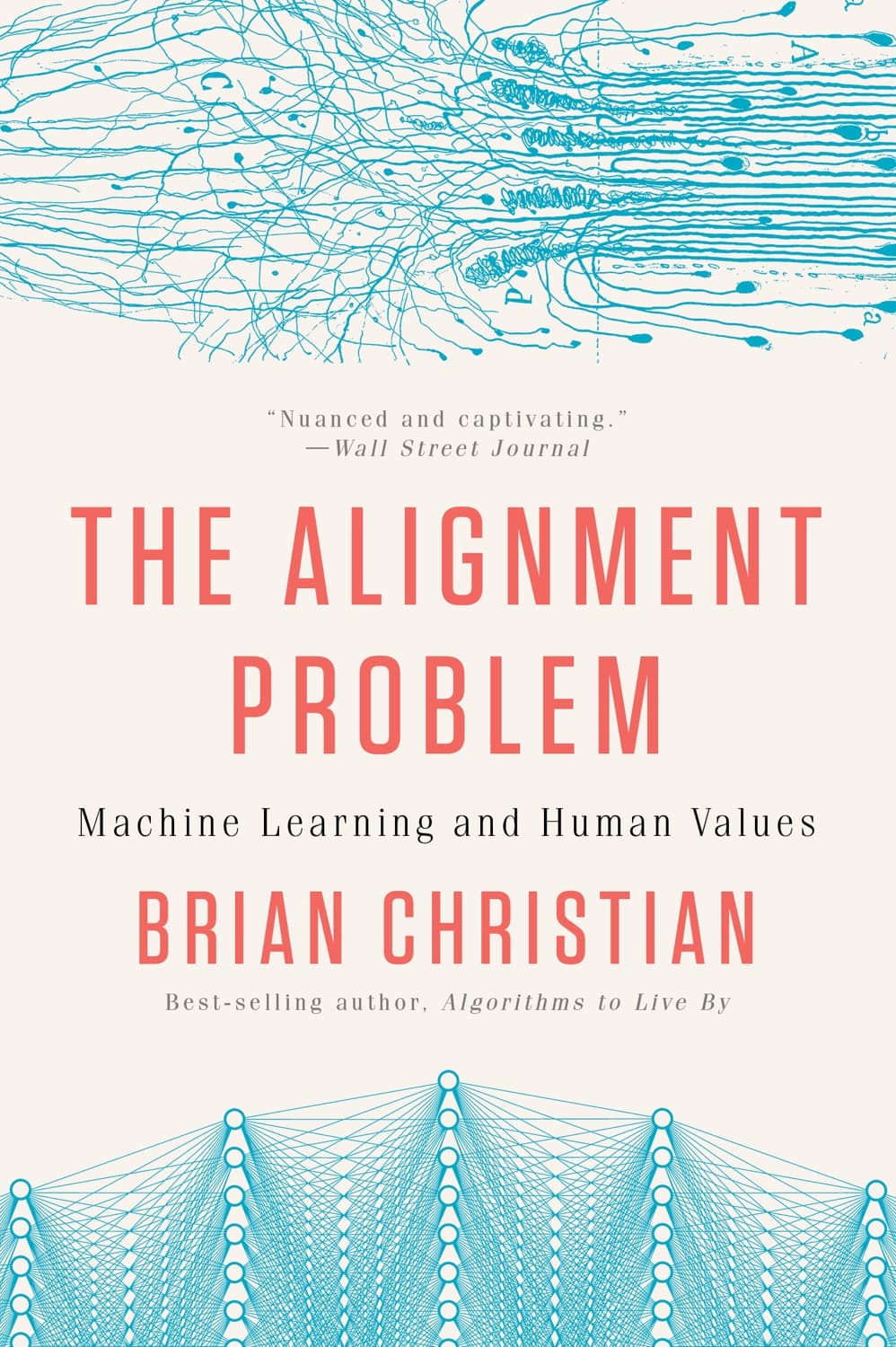
The Alignment Problem
Brian Christian
After finishing The Alignment Problem, you’ll see AI regulation as a fairness and oversight problem, not just a technical safety problem.
Oversight must anticipate incentives, not intentions
Christian translates alignment into governance-adjacent questions: what oversight can realistically enforce, where incentives break down, and why “being fair” is an operational requirement. That matters for AI regulation because regulators need measurable commitments, not only hopes about intent.

The Atlas of AI
Kate Crawford
The Atlas of AI reframes AI regulation as regulating a global system of labor, power, and infrastructure, not just software behavior.
Governance must include institutions and labor
Crawford connects governance to the material supply chain of data, computing, and workforces that shape outcomes. For AI regulation, it expands the policy frame beyond model performance to institutions, mapping where responsibility should land.

The Black Box Society
Frank Pasquale
The Black Box Society turns “opacity” into a regulatory design issue: without explainability and incentives, accountability collapses.
Transparency without enforceable duties is not accountability
Pasquale builds the case that algorithmic systems demand enforceable duties, and that vague transparency talk fails in practice. If you are thinking about AI regulation, it gives a concrete accountability agenda regulators and auditors can use.
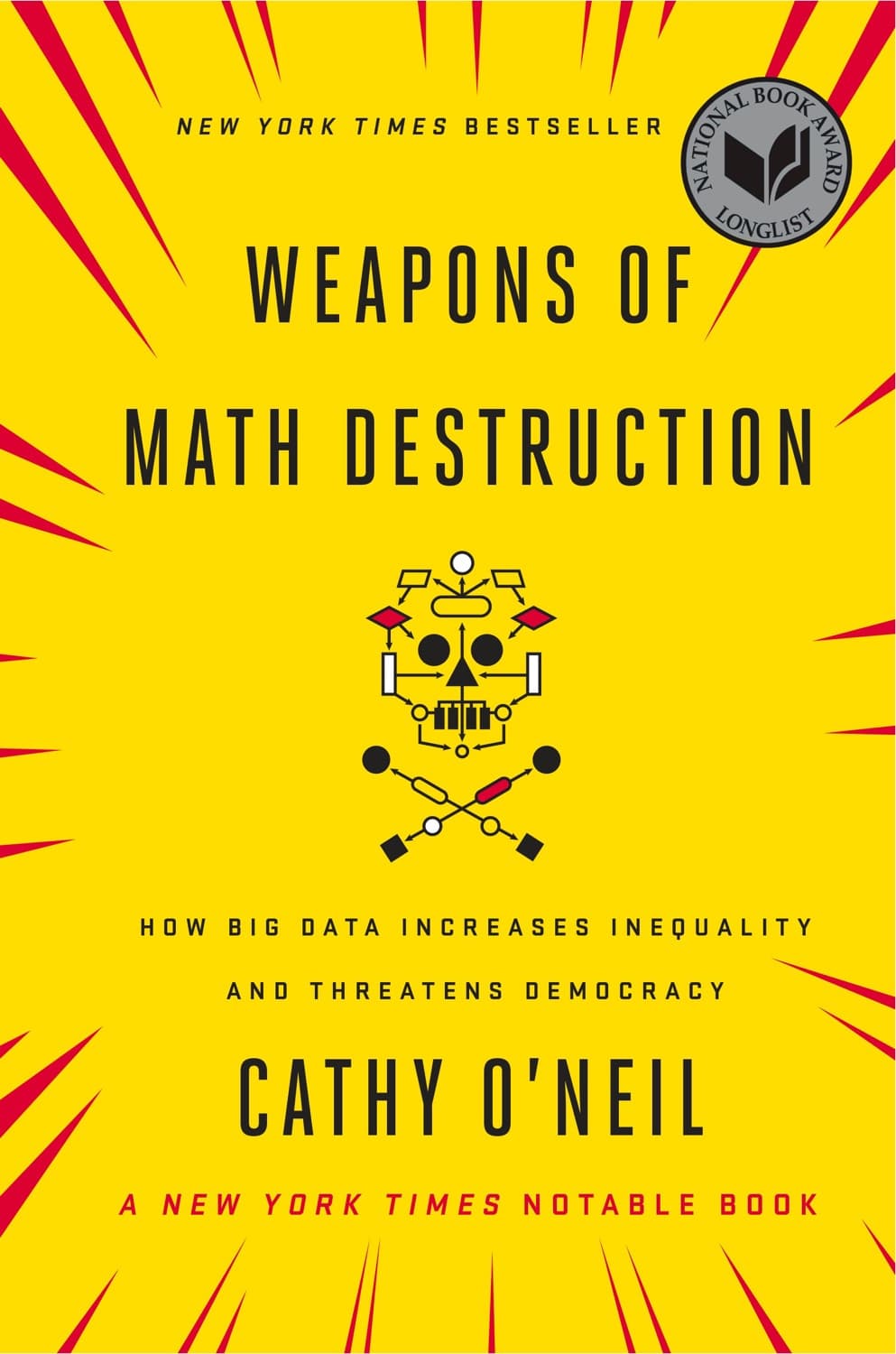
Weapons of Math Destruction
Cathy O'Neil
Weapons of Math Destruction pushes regulation from ideals to guardrails: harmful systems should face restrictions, audits, and appeal routes.
No appeal means no real due process
O’Neil shows how scoring, optimization, and automated decision-making can amplify inequality while remaining resistant to contestation. That makes it directly relevant to AI regulation because it explains why “accuracy” is not enough when impacts are discriminatory or unchallengeable.

Race After Technology
Ruha Benjamin
Race After Technology makes AI regulation inseparable from discrimination: neutrality arguments fail when outcomes are patterned.
Bias is produced through systems, not added after
Benjamin grounds technological governance in lived realities of bias, sorting, and exclusion, clarifying how design choices become regulatory targets. For AI regulation, it strengthens the “why” behind fairness rules and pushes policymakers toward remedies, not just assurances.
The Age of Surveillance Capitalism
Shoshana Zuboff
The Age of Surveillance Capitalism equips you to regulate AI by regulating the data economy that feeds it.
Behavioral data extraction is the core risk engine
Zuboff’s framework explains how prediction products and behavioral extraction shape what “AI risk” really means for consent, power, and public autonomy. For regulation, it adds the missing upstream piece: the business model and data power that governance must constrain.
Governance must include institutions and labor
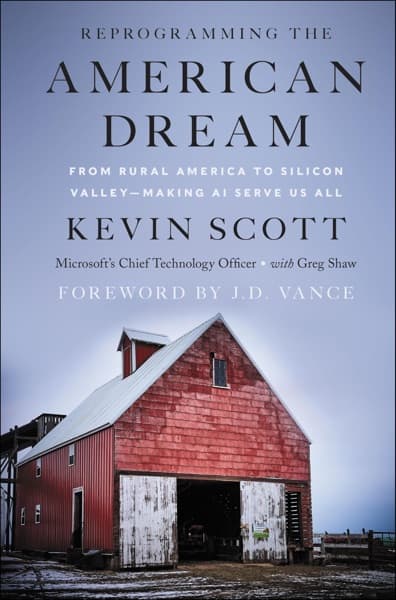
Reprogramming the American Dream
Kevin Scott, Greg Shaw
Reprogramming the American Dream reframes AI oversight as democratic stewardship: building guardrails that reflect public goals, not vendor interests.
Stewardship means accountable institutions, not promises
Scott and Shaw make the policy case for accountable design, governance institutions, and practical guardrails. For AI regulation, the value is in translating ethics into regulatory direction that a democratic system can sustain.

The Ethics of Invention: Technology and the Human Future
Sheila Jasanoff
The Ethics of Invention teaches you to treat regulation as “public reason” under uncertainty, not just compliance checklists.
Regulation needs public reason, not technical claims alone
Jasanoff focuses on how societies justify technological decisions and how governance can make risk legible to the public. That matters for AI regulation because legitimacy and deliberation determine whether rules endure and actually change outcomes.
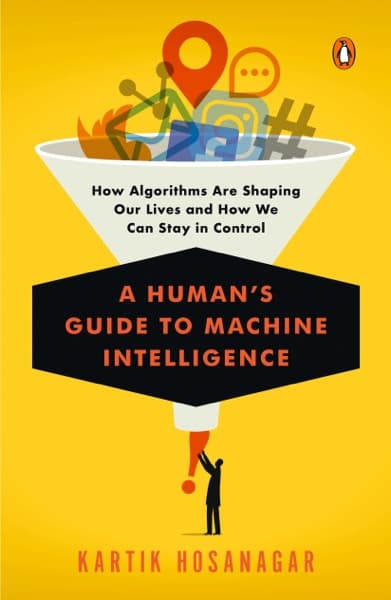
A Human's Guide to Machine Intelligence
Kartik Hosanagar
A Human's Guide to Machine Intelligence makes you think like a regulator: what can be measured, audited, and contested when models affect decisions.
Accountability requires auditability plus human recourse
Hosanagar offers practical ways to reason about algorithmic risks and accountability, including where humans remain in the loop. For AI regulation, it helps connect governance aims to the kinds of controls organizations can implement and demonstrate.
Rebooting AI
Gary Marcus, Ernest Davis
Rebooting AI leaves you less impressed by current capability claims and more focused on why regulation should target reliability limits.
Regulation should assume brittle failure modes
Marcus and Davis argue that today’s systems can fail in ways that weaken accountability, which directly informs what oversight must demand. For AI regulation, it provides a cautionary lens: governance needs to be built around known failure modes, not brand narratives.
Can we tailor this list for you?
Type your question in the bar below and the AI will tailor a fresh set of picks just for you.