Best Books on Executive Communication Skills
Executive communication is persuasion plus clarity plus the right emotional calibration. These titles pair leadership-ready frameworks with speeches, writing, and tough conversations that hold up under pressure.
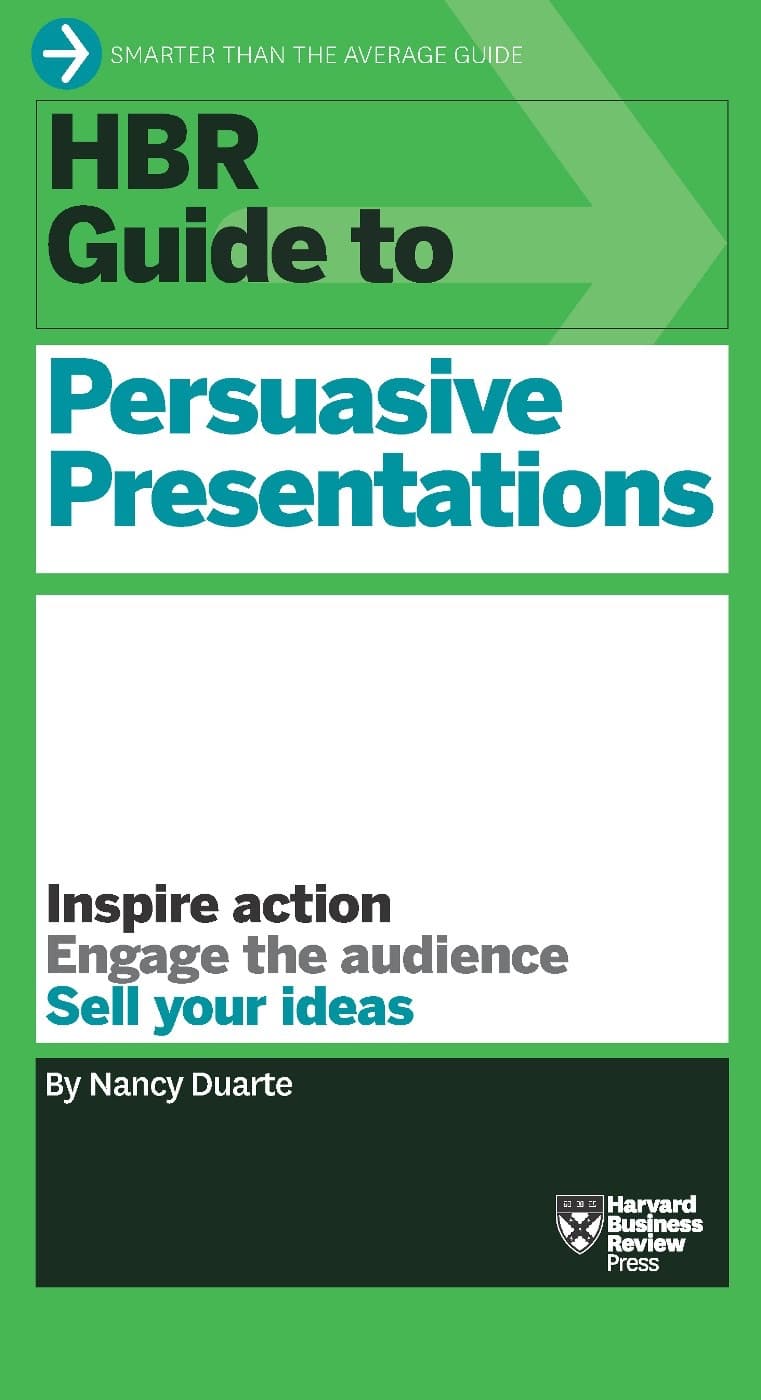
HBR guide to persuasive presentations
Nancy Duarte
Your message stops sounding like information and starts functioning like a decision: audience needs, a clear narrative arc, and persuasion built from the inside out.
Persuasion follows a narrative arc: motivate, shape, call.
Duarte turns executive persuasion into practical messaging moves tied to how people actually process choices. It fits executive communication because it helps you plan the message for credibility and impact, not just slide aesthetics.
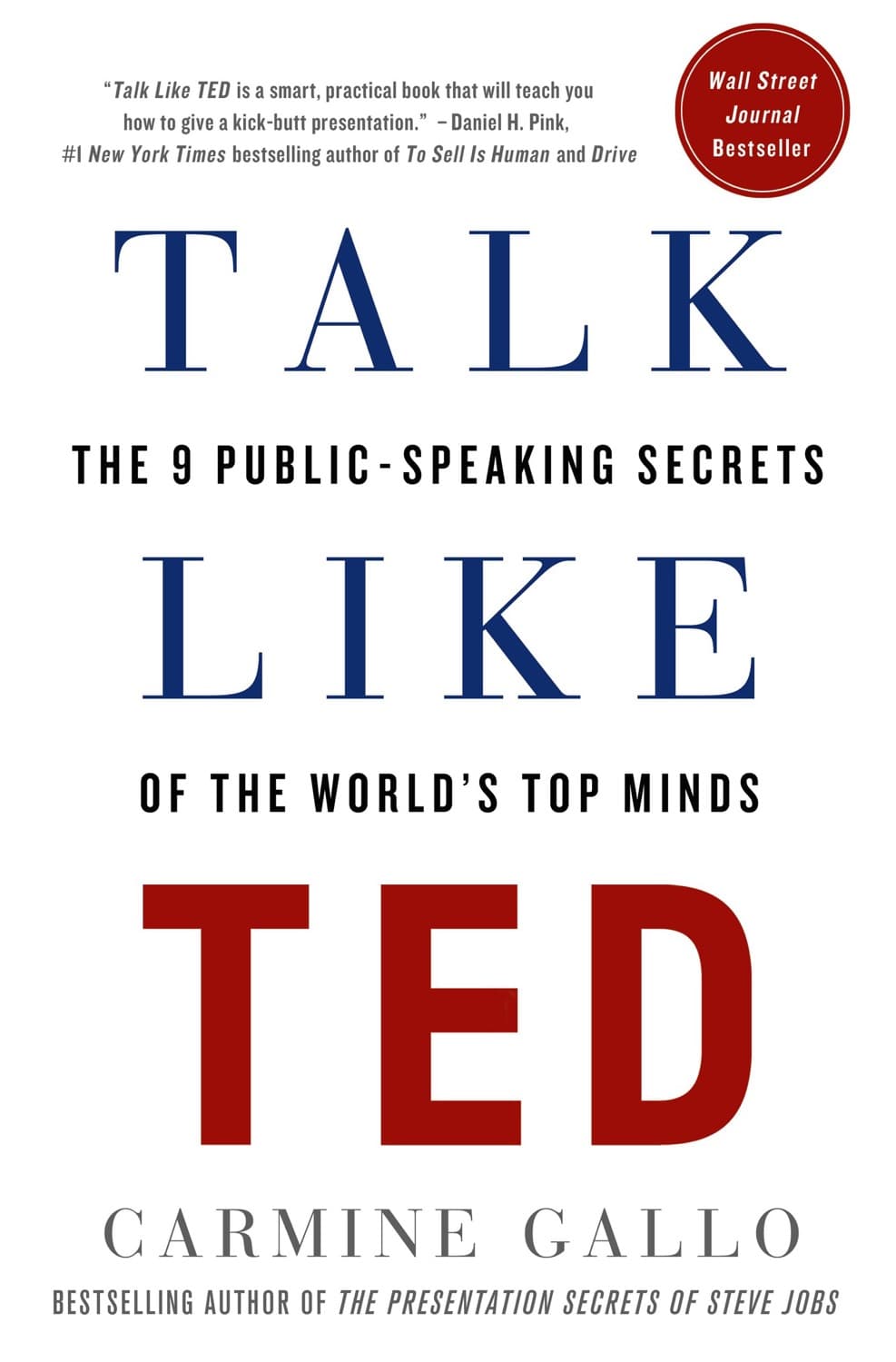
Talk Like TED
Carmine Gallo
After this, your presentations feel tighter because your ideas get translated into memorable stories, vivid language, and disciplined delivery choices.
Use a clear story hook: question, stakes, insight, takeaway.
Gallo distills what effective talkers do: structure, storytelling, and verbal delivery habits that executives can apply to board updates and high-stakes pitches. It matters for executive communication because it turns “say it better” into repeatable speaking techniques.
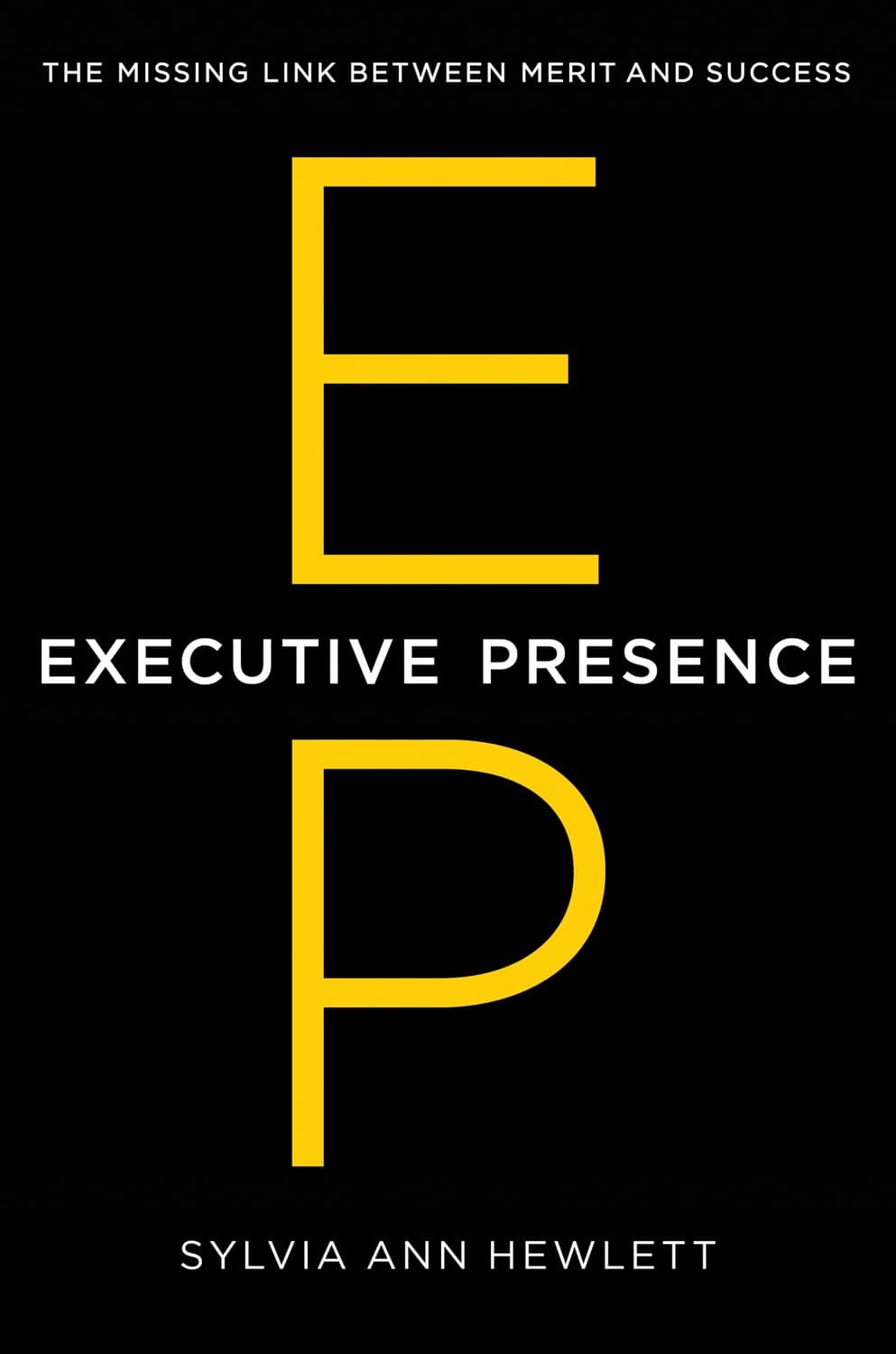
Executive Presence
Sylvia Ann Hewlett
You learn to treat gravitas as a set of controllable behaviors, not an inherited personality trait, and your leadership presence becomes consistent under scrutiny.
Presence is behavior you can train: tone, pacing, and confidence signals.
This focuses on what people read in your communication: composure, clarity, and how you show authority without overreach. For executive communication, it helps you align your spoken words with the image and confidence your role requires.
Crucial Conversations
Kerry Patterson, Joseph Grenny, Ron McMillan, Al Switzler, Stephen R. Covey
High-stakes meetings stop derailing when you can speak candidly without losing control of the conversation or the relationship.
Start with safety: make it easier to talk than to shut down.
The book gives executives a field-tested framework for handling conflict, disagreement, and emotionally loaded topics. It matters because executive communication often fails most when stakes are high, not when the message is well written.
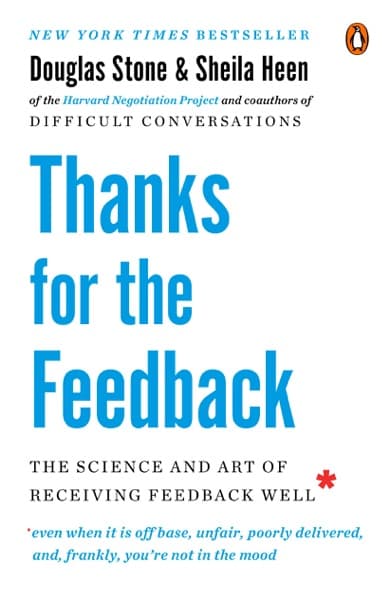
Thanks for the Feedback
Douglas Stone, Sheila Heen
Feedback no longer triggers reflexive defensiveness; you learn to separate truth, impact, and identity so you can hear it and use it.
Feedback has three parts: truth, impact, and identity.
Stone and Heen map why feedback lands differently and how to respond skillfully even when it feels personal. For executive communication, this strengthens how you receive and discuss feedback with teams, peers, and leaders.
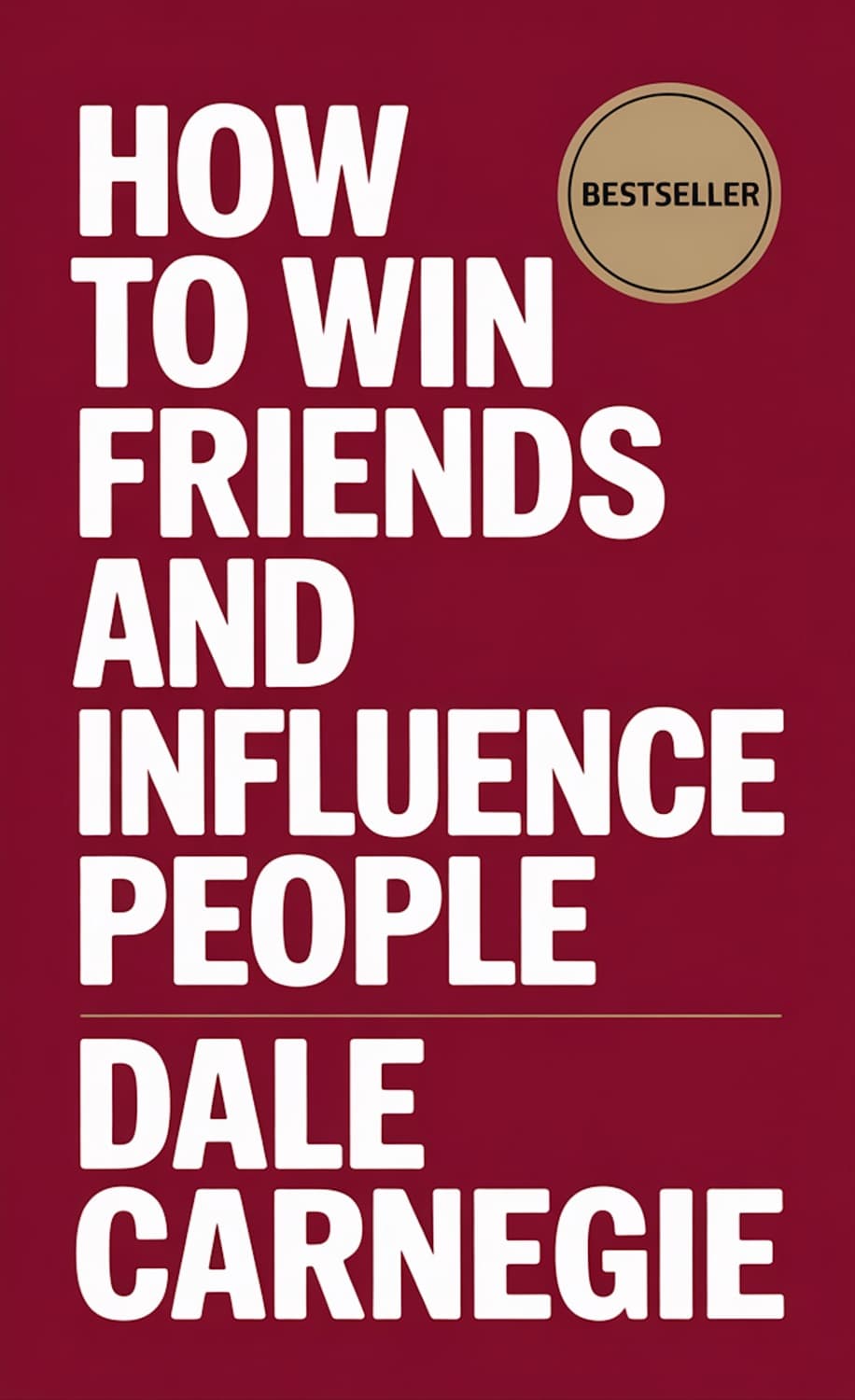
How to Win Friends and Influence People
Dale Carnegie
You learn how to shift from transactional arguments to genuine human connection, making stakeholders far more receptive to your ideas and leadership.
Influence begins with empathy: talk in terms of the other person’s interests and validate their perspective first.
Carnegie’s classic work outlines the foundational psychological principles behind building influence through empathy, active listening, and respecting others' perspectives. In the context of executive communication, it serves as an essential reminder that leadership presence is rooted in interpersonal trust, long before any formal presentation or strategic proposal takes place.
Use a clear story hook: question, stakes, insight, takeaway.
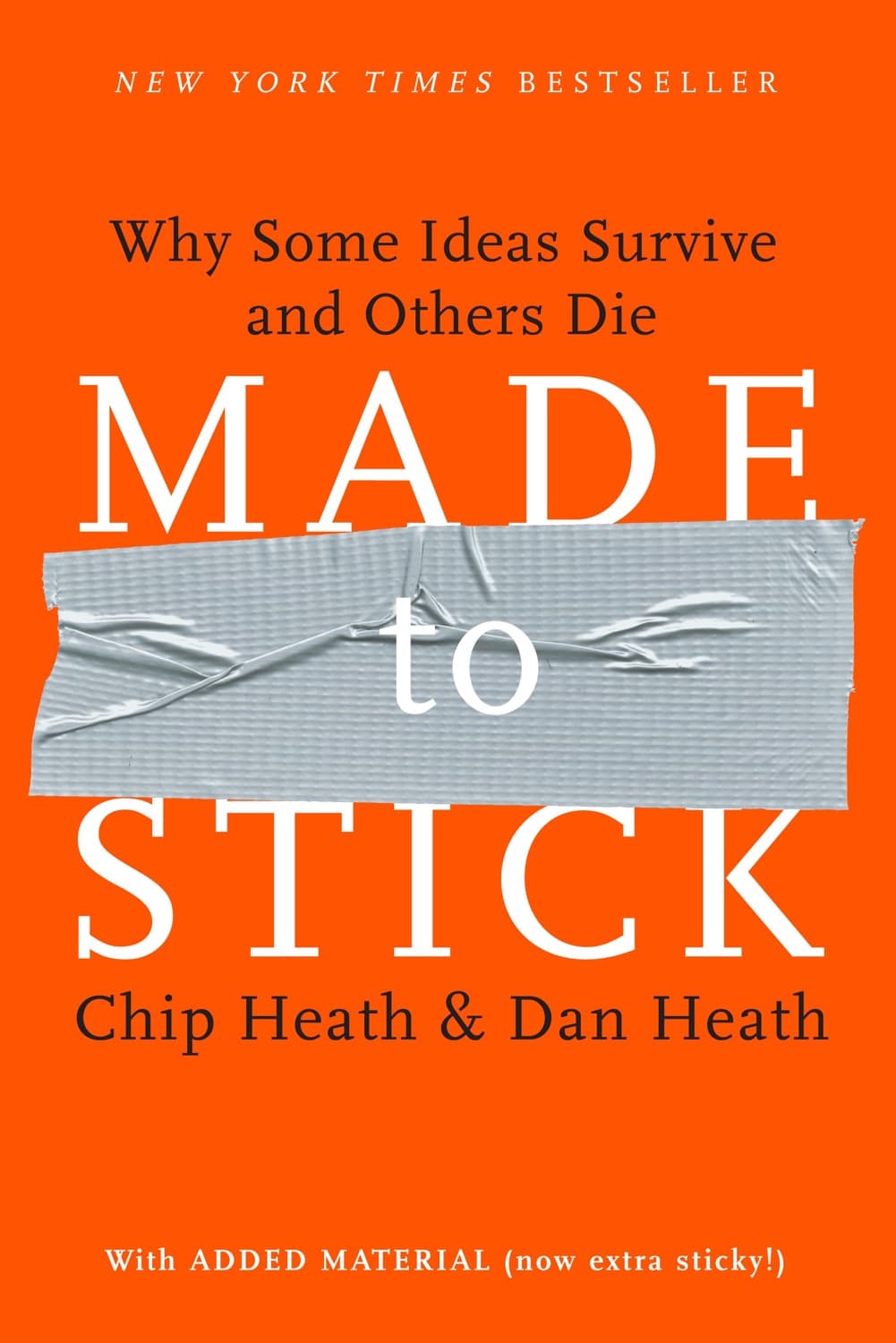
Made to Stick
Chip Heath
Ideas stop fading because you learn to engineer messages that are concrete, surprising, and easy to remember.
Apply SUCCESs: simple, unexpected, concrete, credible, emotional, stories.
The framework helps executives translate strategy into language people retain and repeat. It fits executive communication because the hardest part is not having a message, it is making it stick with busy, distracted stakeholders.
Can we tailor this list for you?
Type your question in the bar below and the AI will tailor a fresh set of picks just for you.