Best Books on Office Politics
Office politics becomes legible through power, influence, and conflict frameworks: Robert Greene’s The 48 Laws of Power and Jeffrey Pfeffer’s Power show how organizations actually run, then Sutton’s The No Asshole Rule limits the damage.
The 48 Laws of Power
Robert Greene
After Greene, every meeting feels like a scoreboard: who controls access, information, and timing, and what it costs you when you ignore it.
Beware: attracting attention can backfire.
The book reframes everyday workplace moves as power tactics, giving you a vocabulary for influence, leverage, and reputational risk. That lens helps you spot the hidden mechanics of office politics before they shape your career.
Power
Jeffrey Pfeffer
Pfeffer turns “networking” and “being visible” into measurable organizational behavior, so politics stops feeling like a mystery or personal flaw.
Power is built into the rules and structures.
It grounds workplace power in evidence and incentives rather than vibes, helping you choose strategies that match how organizations reward and control. This matters when office politics feels arbitrary, because you get a testable explanation for why certain players win.
The No Asshole Rule
Robert I. Sutton
You learn to recognize toxic behavior as a systems problem, not just bad individuals, and that changes how you protect your team and your reputation.
Tolerating jerks spreads damage through the system.
Sutton focuses on practical self-defense against destructive colleagues while showing how organizations inadvertently enable them. For office politics, it shifts the goal from “outmaneuver them” to “reduce the harm and keep standards intact.”
Act Like a Leader, Think Like a Leader, Updated Edition of the Global Bestseller, With a New Preface
Herminia Ibarra
Instead of waiting to feel ready, you learn to practice leadership in public, then let the results refine who you become at work.
Identity follows action, not the other way around.
Ibarra emphasizes networks, credibility, and the political work of visibility, so advancement becomes an intentional behavior pattern. That fits office politics because it teaches you how to earn influence ethically through real exposure and relationships.
Influence
Robert B. Cialdini
Cialdini trains you to hear the persuasion behind the persuasion, so you can resist pressure tactics that hide inside normal workplace requests.
Reciprocity makes rejection harder.
It gives concrete principles of compliance, which you can use to map why people say yes and what signals they respond to. For office politics, this helps you both negotiate better and recognize when someone is pulling rank through psychology, not merit.
Games People Play
Eric Berne
Berne helps you notice recurring interpersonal scripts, turning “mysterious drama” into predictable communication patterns.
Watch for the payoff hidden behind the conversation.
This is a readable framework for spotting the games people play in status, blame, and avoidance, which are common currency in office politics. It matters because once you name the game, you can change your responses instead of getting dragged into it.
Power is built into the rules and structures.
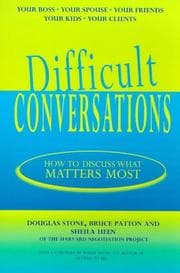
Difficult Conversations
Douglas Stone, Bruce Patton, Sheila Heen
Tense conversations stop feeling like battles when you separate the facts from the feelings and the hidden stories driving the conflict.
Focus on interests, not just positions.
The book equips you with a steady method for handling disagreement without escalation, which keeps office politics from turning into quiet retaliation or sudden fallout. It’s especially useful when the political stakes are high but you still need to stay credible.
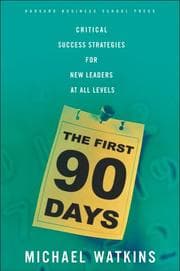
The First 90 Days with Harvard Business Review article "How Managers Become Leaders" (2 Items)
Michael D. Watkins
Early moves become your political map: you learn to diagnose power structures quickly and position yourself before informal alliances harden.
Diagnose the situation before choosing tactics.
Watkins helps you approach a new role with a systematic reading of stakeholders, expectations, and constraints. That directly supports office politics because the first period often determines who controls your narrative and resources.

Games Mother Never Taught You
Betty Lehan Harragan
You get a sharper view of advancement games like sponsorship, visibility, and influence channels that are often invisible until you study them.
Your sponsor network shapes outcomes.
Harragan focuses on informal power and career advancement dynamics, offering a practical angle on how organizations “reward” people. For office politics, it helps you understand the social mechanics behind promotion beyond job descriptions.

The Prince
Niccolò Machiavelli
Machiavelli trains you to think in strategic trade-offs, where stability, perception, and timing matter as much as intentions.
Appearances can be operational power.
While it’s older than modern workplaces, it maps cleanly onto office politics: how authority is maintained, how rivals are managed, and how reputation constrains action. Use it as a mental model for power, then bring it back to ethical boundaries in daily decisions.
Can we tailor this list for you?
Type your question in the bar below and the AI will tailor a fresh set of picks just for you.