Best Office Politics Audiobooks: Power, Influence, and Getting Ahead
Office politics is the part of work no one trains you for and everyone is graded on. These audiobooks name how power really moves through an organization: who gets sponsored, who gets heard, and why competence alone rarely decides who advances. This shelf favors titles that hold up on audio, built on stories and voice rather than worksheets.
The 48 Laws of Power
Robert Greene
Forty-eight blunt laws of power, drawn from courtiers, generals, and swindlers across three thousand years of history.
Never outshine the boss: make superiors feel comfortably superior, and let your competence read as proof of their good judgment in hiring you.
Greene treats power as a skill with rules rather than a reward for virtue, and the audiobook's measured narration lets each historical case study land like a parable you can map straight onto your own department.
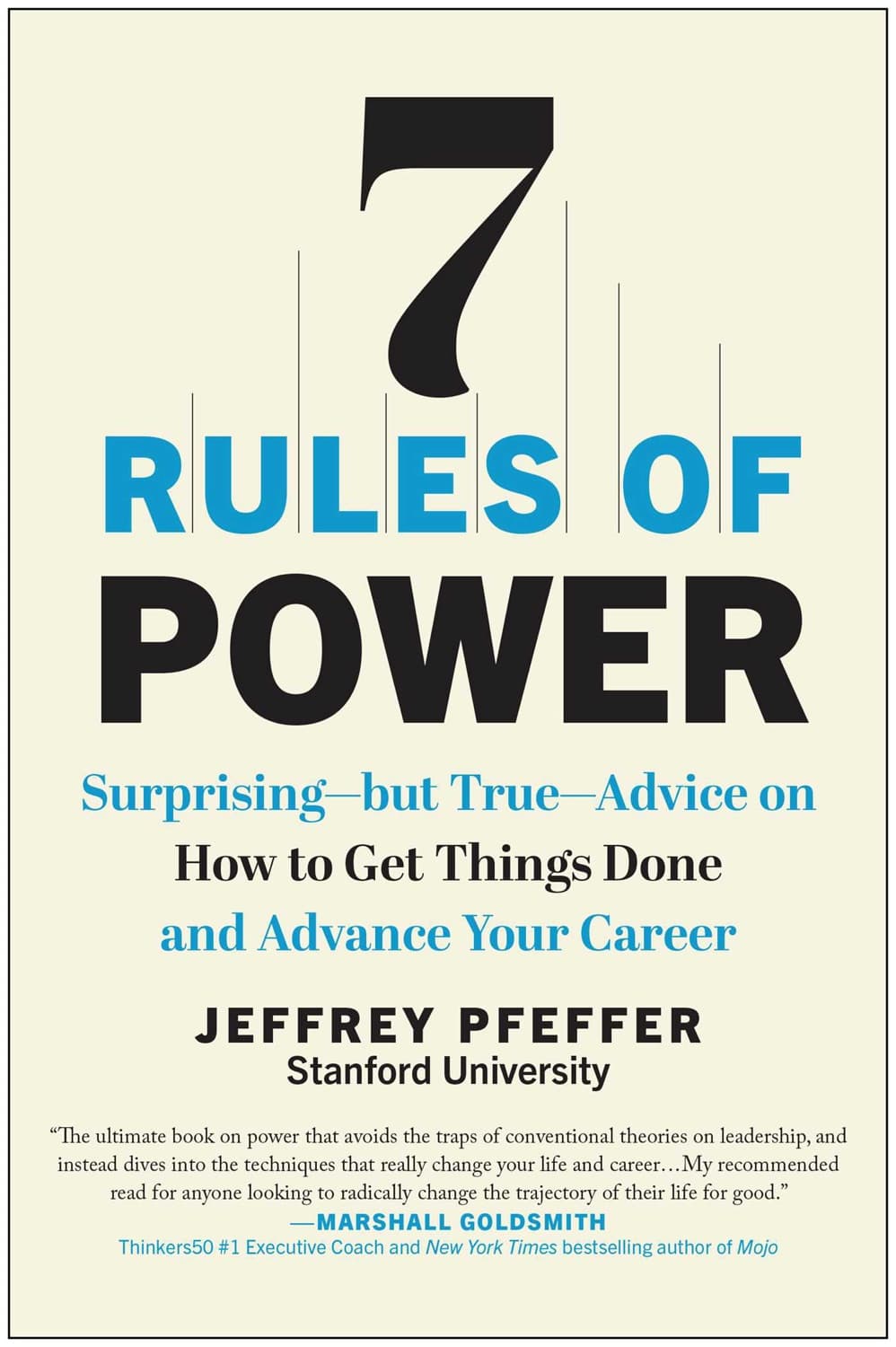
7 Rules of Power
Jeffrey Pfeffer
A Stanford professor's stripped-down rules for building power at work, minus the reassuring myths about fairness.
Getting out of your own way beats waiting to be noticed: ask for the role, the raise, and the visibility rather than trusting the system to award them.
Pfeffer backs every rule with organizational research and unsentimental case histories, arguing that power is available to anyone willing to shed the modesty and need to be liked that keep talented people stuck.
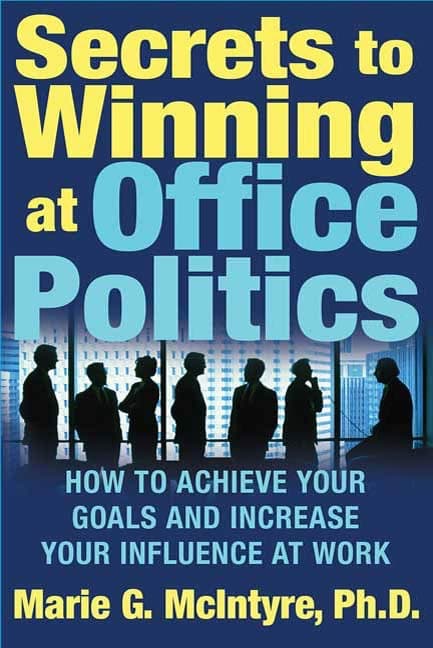
Secrets to Winning at Office Politics
Marie G. McIntyre
A management psychologist's field manual for reading the real power map hiding behind the org chart.
Your boss shapes your reputation more than your results do, so tending that single relationship outranks almost every other political move you can make.
McIntyre reframes politics as understanding influence rather than scheming, and works through diagnosing who truly holds sway, spotting political traps early, and rebuilding standing after a public misstep.

Give and Take
Adam Grant
Grant's research on how givers, takers, and matchers quietly rise or sink inside organizations.
Generosity compounds into influence only when you guard against takers, so give freely but keep quiet track of who never gives anything back.
Grant shows that the most generous people cluster at both the top and the bottom of the ladder, and pins the difference on whether they give strategically or let takers drain them, which reframes reciprocity as a career variable.
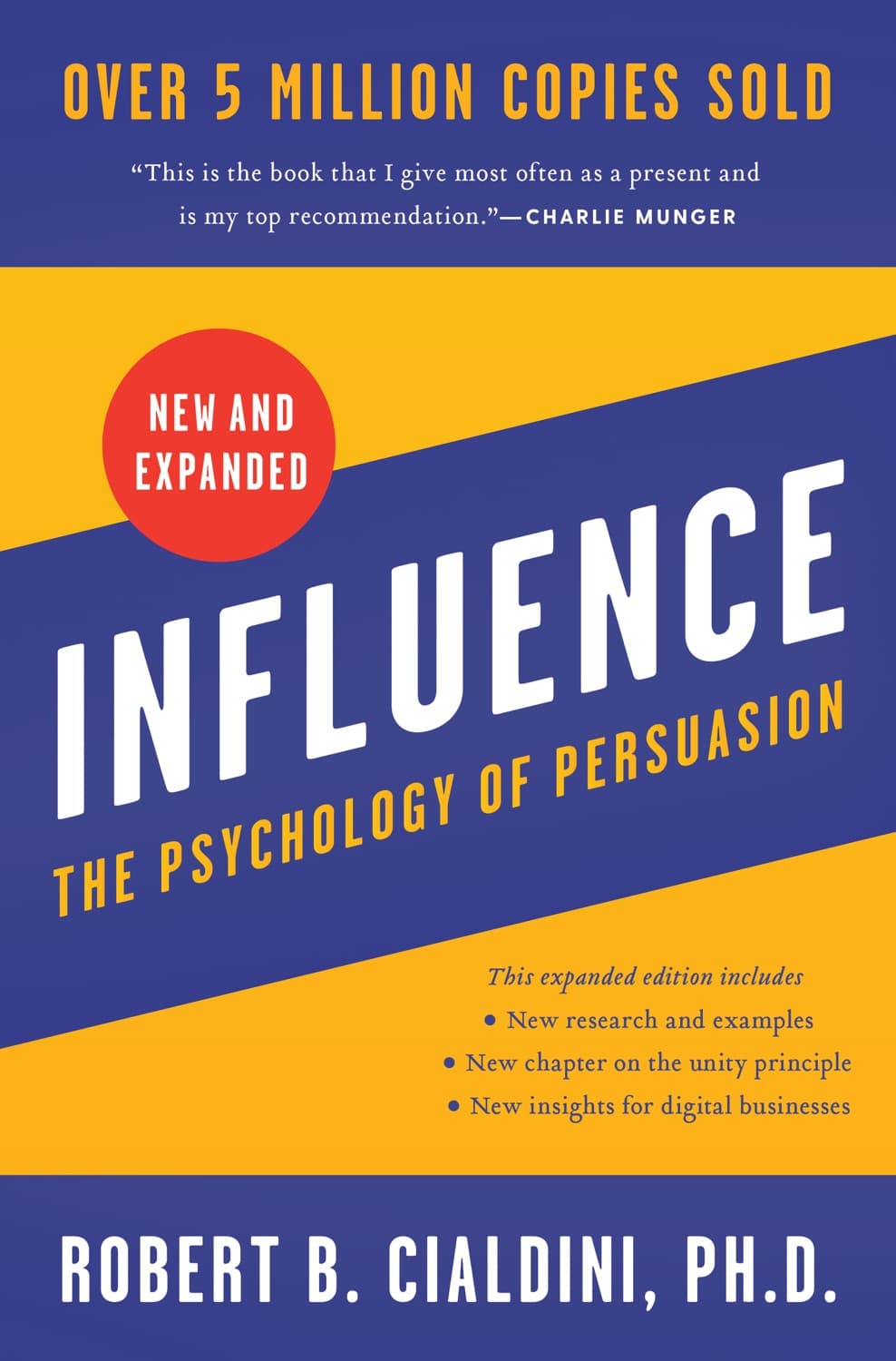
Influence
Robert B. Cialdini
The classic study of the six triggers that make people say yes without quite knowing why.
A small unsolicited favor creates a debt people feel compelled to repay, which is why the first concession in a negotiation is rarely the free gift it appears to be.
Cialdini names the levers of reciprocity, commitment, social proof, authority, liking, and scarcity, handing you both a persuasion toolkit for meetings and a defense against colleagues who quietly aim those same levers at you.
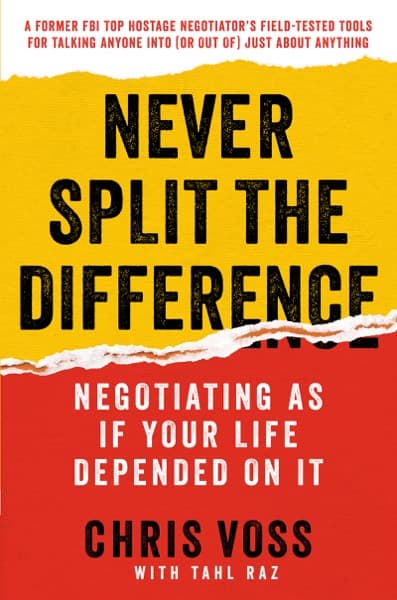
Never Split the Difference
Chris Voss, Tahl Raz
An FBI hostage negotiator's playbook, retooled for salaries, deadlines, and difficult colleagues.
A well-placed 'how am I supposed to do that?' hands the problem back to the other side without ever sounding like an outright refusal.
Voss trades win-win platitudes for tactical tools like calibrated questions and labeling emotions, and the audiobook's dramatized negotiation scenes make the techniques stick far better than a diagram on a page ever could.
Getting out of your own way beats waiting to be noticed: ask for the role, the raise, and the visibility rather than trusting the system to award them.
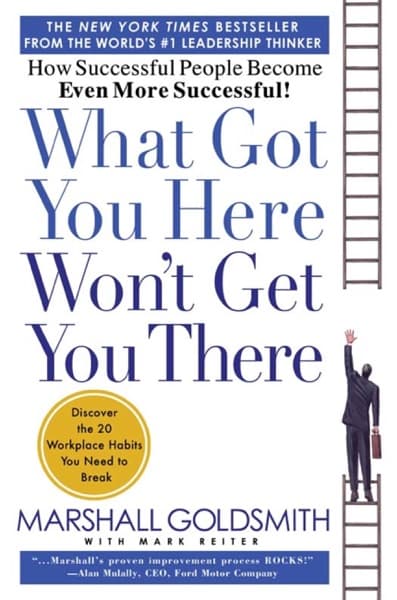
What Got You Here Won't Get You There
Marshall Goldsmith, Mark Reiter
An executive coach's tour of the twenty habits that quietly cap otherwise successful careers.
The higher you climb, the more your problems turn behavioral rather than technical, so advancement comes from subtracting bad habits, not adding new skills.
Goldsmith argues that senior derailment comes from interpersonal tics like needing to win every exchange or adding your two cents to every idea, and offers a plain feedback-and-apology routine for unlearning them.
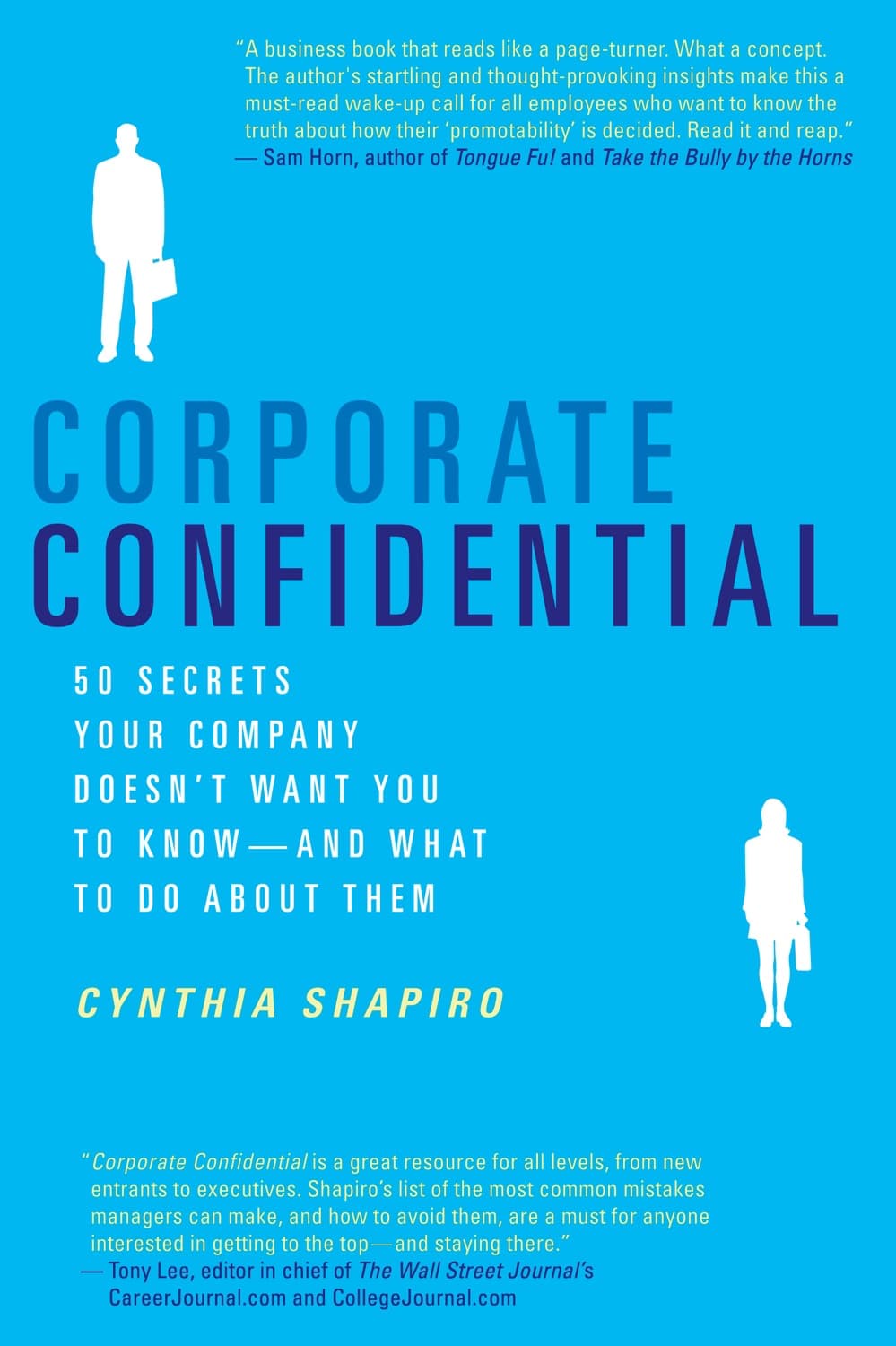
Corporate Confidential
Cynthia Shapiro
A former HR executive lists the fifty things your company will never admit it tracks about you.
The moment you are quietly labeled a flight risk or a complainer, that label trails you in silence, so guard your internal reputation as carefully as your resume.
Shapiro pulls back the curtain on how organizations really score loyalty, risk, and expendability, exposing the invisible files and unwritten rules that decide raises and layoffs long before any of it reaches you.
Can we tailor this list for you?
Type your question in the bar below and the AI will tailor a fresh set of picks just for you.