Best Books for Aspiring Pilots
Wanting to fly and learning to fly are two different things, and the gap is where most dreams stall. These books lean toward the practical work the dream skips: the physics a wing obeys, the weather reading, the judgment, and the accident lessons that decide whether a new pilot grows old. Two memoirs keep the why alive while you do the work.
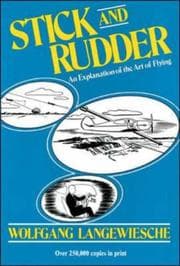
Stick and Rudder
Wolfgang Langewiesche
The 1944 book that still explains flying better than your instructor will.
The stick is not a steering wheel, it controls angle of attack, not speed. Pull back and the airplane climbs only until it doesn't, then it stalls. Internalize that one idea and you have understood half of flying.
Langewiesche strips flying down to what the wing is actually doing and why the controls do the opposite of what intuition expects, and eight decades on it remains the clearest correction of the beginner's deadliest instincts.
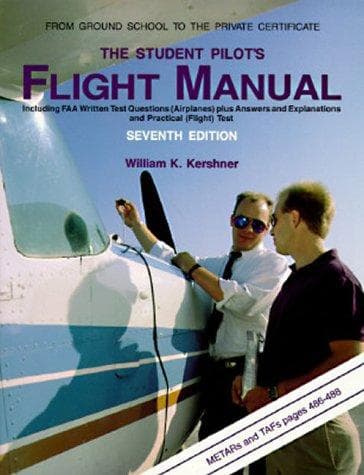
The Student Pilot's Flight Manual
William K. Kershner
The practical ground-school companion that walks you to your first solo.
Every flight is flown twice, once on the ground in your head and once in the air. The students who chair-fly the maneuver before the lesson arrive already half-trained for it.
Kershner sits beside the actual training syllabus, explaining each maneuver, preflight, and emergency procedure in the order you will meet them, which is why generations of CFIs hand it to students on day one.
The Thinking Pilot's Flight Manual: Or, How to Survive Flying Little Airplanes and Have a Ball Doing It, Vol. 3
Rick Durden
The judgment book that picks up where the regulations stop telling you what to do.
A licence proves you can fly the airplane on a good day. Staying alive is a separate skill, made of the flights you decided not to take and the outs you kept open on the ones you did.
Durden writes about the decisions the FAA syllabus never grades, when to scrub a flight, how to fly an airplane you do not fully trust, what to do when the plan and the weather diverge, and he does it with the bluntness of a pilot who has watched the alternatives play out.
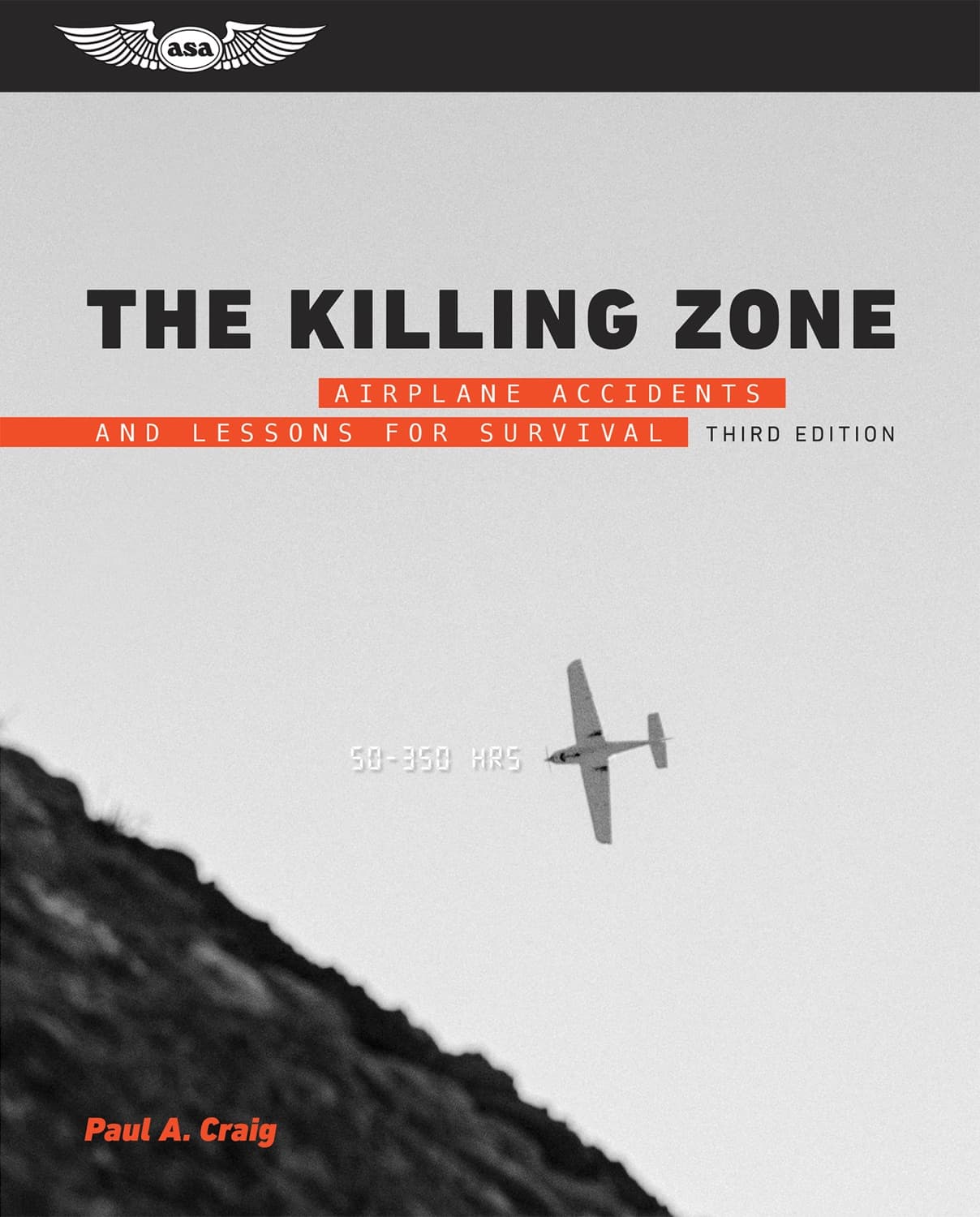
The Killing Zone, Second Edition
Paul A. Craig
The data on exactly when a new pilot is most likely to die, and why.
The most dangerous moment is not your first hour, it is the hour you finally feel safe. Competence and confidence rise at different rates, and the gap between them is where the wrecks are.
Craig analyzes the accident record to locate the danger band, roughly 50 to 350 hours, when confidence outruns competence, then names the specific errors that fill the reports so you can recognize yours coming.
Weather Flying, Fifth Edition
Robert N. Buck
An airline captain teaches the one subject that kills more new pilots than stick skills.
You do not beat weather, you stay out of the part of it that beats airplanes. The competent pilot is not the one who flies through the storm, it is the one who saw the trap forming an hour out and never entered it.
Buck flew the line for decades and turned weather from a chart-reading chore into a flying skill, showing how to look at a sky, a forecast, and a route and decide whether the airplane belongs in it, which is the judgment most ground schools barely touch.
Fate Is The Hunter
Ernest K. Gann
An airline pilot's memoir from the era when the job routinely killed you.
Experience does not make you safe, it makes you aware of how thin the margin always was. The pilots who survived were rarely the most skilled, just the ones fate had not yet selected.
Gann flew the unpressurized, unreliable airliners of the 1930s and 40s, and he writes about the friends who died and the nights he barely didn't with a fatalism that became the founding text of the pilot memoir.
Every flight is flown twice, once on the ground in your head and once in the air. The students who chair-fly the maneuver before the lesson arrive already half-trained for it.
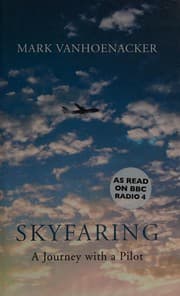
Skyfaring
Mark Vanhoenacker
A working 747 captain restores the wonder modern flying has gone numb to.
Pilots invent words for things passengers never notice: the place where dawn meets the aircraft, the named points in empty sky. Learning to fly is partly learning to see a sky that has structure.
Vanhoenacker flies long-haul jets today and writes about what the routine job still contains, the geography of the upper air, the language of waypoints, the strangeness of watching the planet turn beneath the wing, without a trace of nostalgia.
Cockpit Confidential
Patrick Smith
A current airline pilot answers the questions you actually have about the job.
The romance of the cockpit survives contact with the job, but it lives in the competence, not the view. The pilots who last are the ones who found the routine itself interesting, not the ones chasing the postcard.
Smith flies jets for a living and explains the modern airline world plainly, how training and hiring really work, what the automation does and does not do, why the things that scare passengers rarely scare pilots, which is the clearest picture an aspiring professional can get of the career they are aiming at.
QF32
Richard de Crespigny
An A380 engine explodes over Indonesia, and the captain has to land it anyway.
When the checklists ran out, he flew the airplane he had, not the one the manual assumed. The crisis pilot's first move is to stop the situation getting worse, then solve only what must be solved to land.
De Crespigny was in command when an uncontained engine failure crippled an Airbus A380 with 469 aboard, and his account of working hundreds of cascading alarms back to a safe landing is the clearest study of airmanship under real catastrophe.
Can we tailor this list for you?
Type your question in the bar below and the AI will tailor a fresh set of picks just for you.