Best Books on Building Alliances at Work
Allan R. Cohen and David L. Bradford’s Influence Without Authority pairs well with The trusted advisor by Maister, Green, and Galford: together they turn “working with others” into earned alliances. The rest deepen negotiation, trust, and conflict repair.
Influence Without Authority
Allan R. Cohen, David L. Bradford
Influence Without Authority shows how to build coalitions by managing stakeholders, creating buy-in, and using social leverage when you have no formal power.
Stakeholders first: map interests, not titles.
This book breaks alliance building into practical moves for cross-functional situations, so you are not dependent on job title or authority. It fits your topic by turning “getting support” into an intentional, repeatable process.
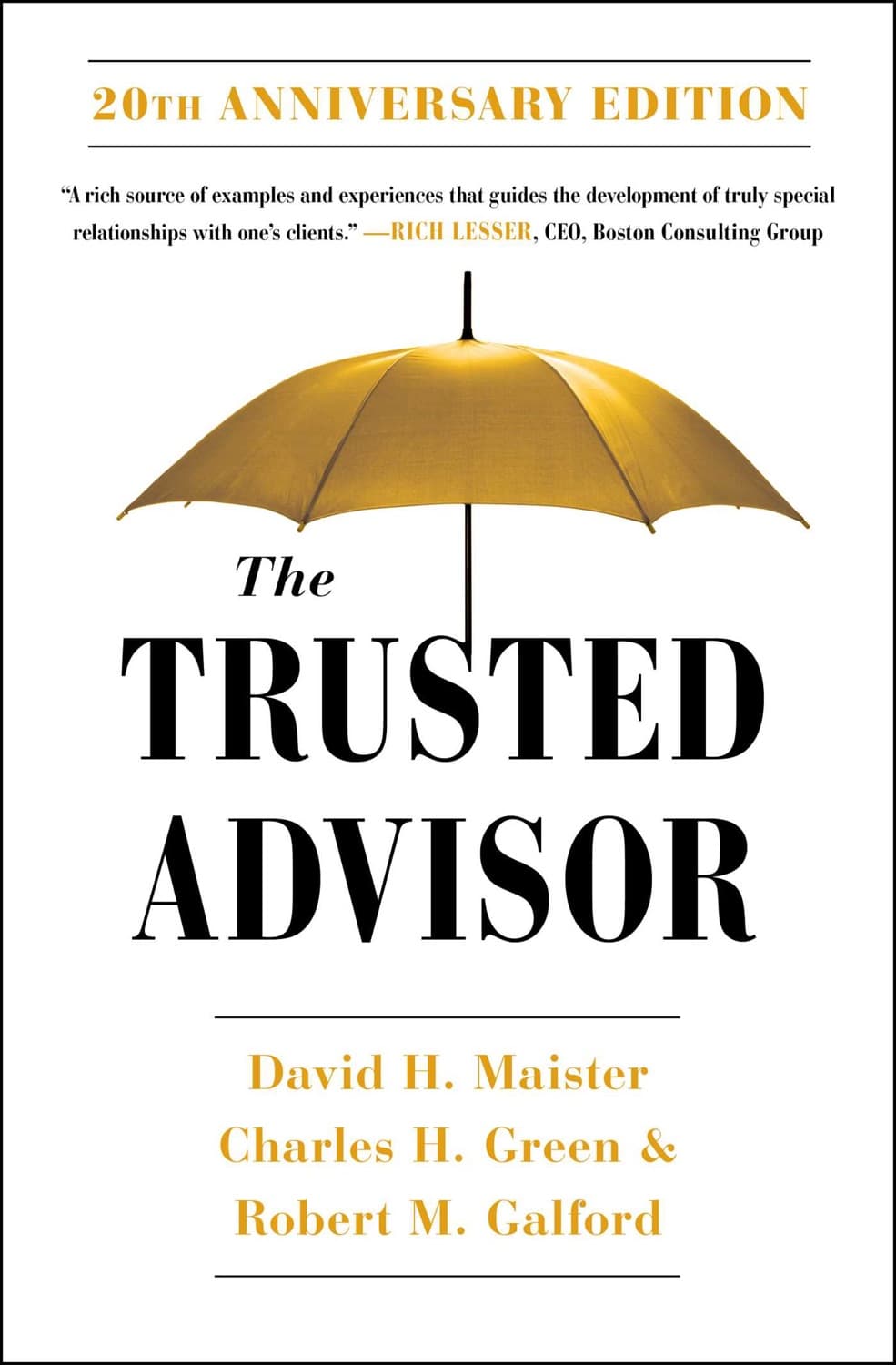
The Trusted Advisor
David H. Maister, Charles H. Green, Robert M. Galford
The trusted advisor reframes workplace influence as a trust compound: competence, reliability, discretion, and care drive who follows you.
Trust = competence + reliability + discretion + care.
Instead of generic relationship tips, it gives a clear trust framework for becoming the person others count on. For alliance building, that means allies emerge from demonstrated value and consistency, not from charm alone.
Getting to Yes
Roger Fisher
Getting to Yes helps you replace “winning” with creating options, so people can agree without feeling you forced the outcome.
Separate people from the problem.
Durable alliances often fail at the negotiation moment; this book offers principles for protecting interests while expanding shared solutions. It directly supports building alliances through mutual gains rather than positional bargaining.

Never Eat Alone
Keith Ferrazzi, Tahl Raz
Never Eat Alone treats networking as ongoing generosity: consistent follow-through builds a visible reputation for support and reciprocity.
The real objective is follow-through, not meetings.
It pushes beyond event-based networking into a system for cultivating professional relationships that can later become reliable workplace allies. For alliance building, it helps you create the social capital that reduces friction when you need help.
Crucial Conversations
Kerry Patterson, Joseph Grenny, Ron McMillan, Al Switzler, Stephen R. Covey
Crucial Conversations teaches how to stay in dialogue when emotions rise, so disagreements do not fracture collaboration.
Start with heart: facts, not accusations.
Alliances survive when people can address tension without spiraling into blame, silence, or escalation. This gives you concrete communication moves to repair and strengthen relationships in high-stakes workplace moments.
How to Win Friends and Influence People
Dale Carnegie
How to Win Friends and Influence People shifts influence away from tactics and toward genuine recognition, so people feel respected enough to cooperate.
Give honest appreciation quickly and specifically.
For alliance building, the core value is earning goodwill and keeping interactions human, even across disagreement. It supports your goal by making rapport and positive influence baseline behaviors at work.
Trust = competence + reliability + discretion + care.
Difficult Conversations
Douglas Stone, Bruce Patton, Sheila Heen
Difficult Conversations reframes tough talks as managing multiple versions of the story, reducing defensiveness and protecting the relationship.
Look for the story behind the story.
When alliances are stressed, the problem is rarely only the content; it is how the conversation gets interpreted and escalated. This helps you approach conflict in a way that preserves trust and keeps cooperation possible afterward.
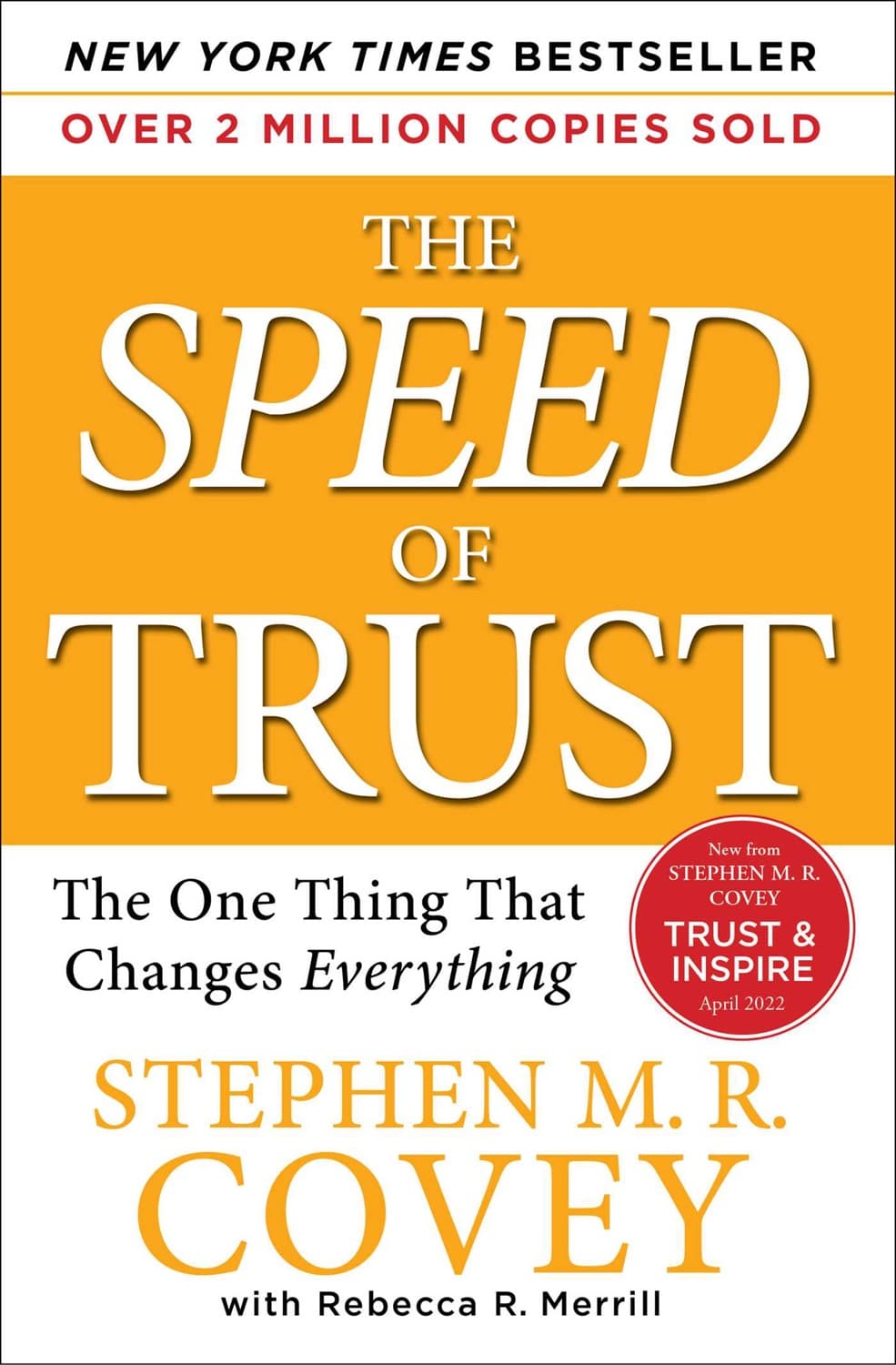
The SPEED of Trust
Stephen M. R. Covey, Rebecca R. Merrill
The SPEED of Trust shows that trust changes outcomes by affecting how quickly teams coordinate, decide, and recover when things go wrong.
Trust is a multiplier: it affects speed and quality.
Alliance building depends on predictability, and this book gives a trust lens for leadership and collaboration in organizational life. It helps you design behaviors that make allies more willing to take risks and commit.
Power
Jeffrey Pfeffer
Power explains why alliances are not a personality trait but an organizational reality shaped by resources, visibility, and networks.
Power comes from controlling resources and dependences.
This connects alliance building to workplace dynamics: who gets access, who sets agendas, and how coalitions form. It fits your topic by making influence measurable and strategic without turning every interaction into manipulation.
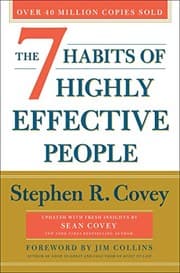
The 7 Habits of Highly Effective People
Stephen R. Covey, Sean Covey
The 7 Habits helps you build alliances by moving from “me first” to principled collaboration that respects both results and relationships.
Seek first to understand, then to be understood.
Many alliance failures are habits failures: reactive communication, short-term thinking, and poor problem framing. This book supports your goal with character and relationship skills that make cooperation more durable across work demands.
Can we tailor this list for you?
Type your question in the bar below and the AI will tailor a fresh set of picks just for you.