Best Books on Office Politics and Getting Promoted
Talent gets you into the room; reading the room gets you promoted. These books treat advancement as a craft, not a reward for effort: how power really moves through an organization, how to build allies before you need them, how to manage upward, and how to project the presence senior decision-makers screen for.
The 48 Laws of Power
Robert Greene
Forty-eight blunt rules of power, drawn from courtiers, generals, and con artists across history.
Power is a game of perception, and the player who understands how others read status usually outlasts the one with the better resume.
Greene strips the polite veneer off office life and names the power moves people actually make, which is bracing for anyone who assumed that doing good work would simply speak for itself.
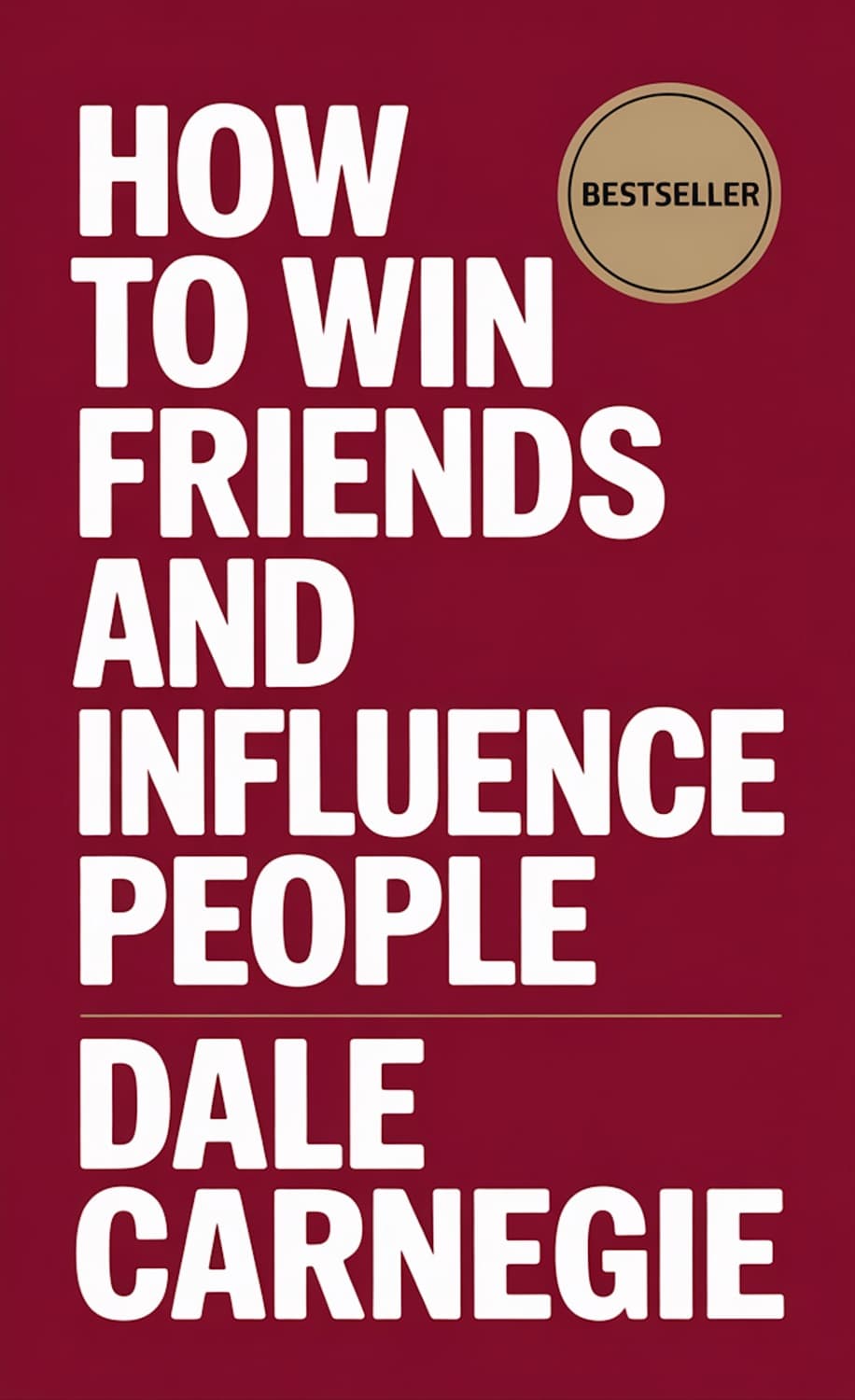
How to Win Friends and Influence People
Dale Carnegie
The 1936 classic that still defines how to make people want to help you.
People decide with emotion and justify with logic, so the colleague who feels valued by you becomes your strongest advocate.
Carnegie's principles, remember names, make others feel important, never win an argument, are the daily mechanics of building the goodwill that promotions quietly depend on.

Never Eat Alone
Keith Ferrazzi, Tahl Raz
A networking playbook from a man who turned relationships into a career engine.
The time to build your network is long before you need it, because favors banked in calm times pay out when it counts.
Ferrazzi reframes networking as generosity practiced before you need anything, showing how to build the web of allies and sponsors that decides who gets considered when a role opens up.
Power
Jeffrey Pfeffer
A Stanford professor's unsentimental research on how people actually rise.
Performance matters far less to your trajectory than visibility and sponsorship, a truth most people learn too late.
Pfeffer dismantles the myth that the system is fair and lays out the evidence on building a power base, managing your reputation, and surviving setbacks, making it the most rigorous book on advancement here.
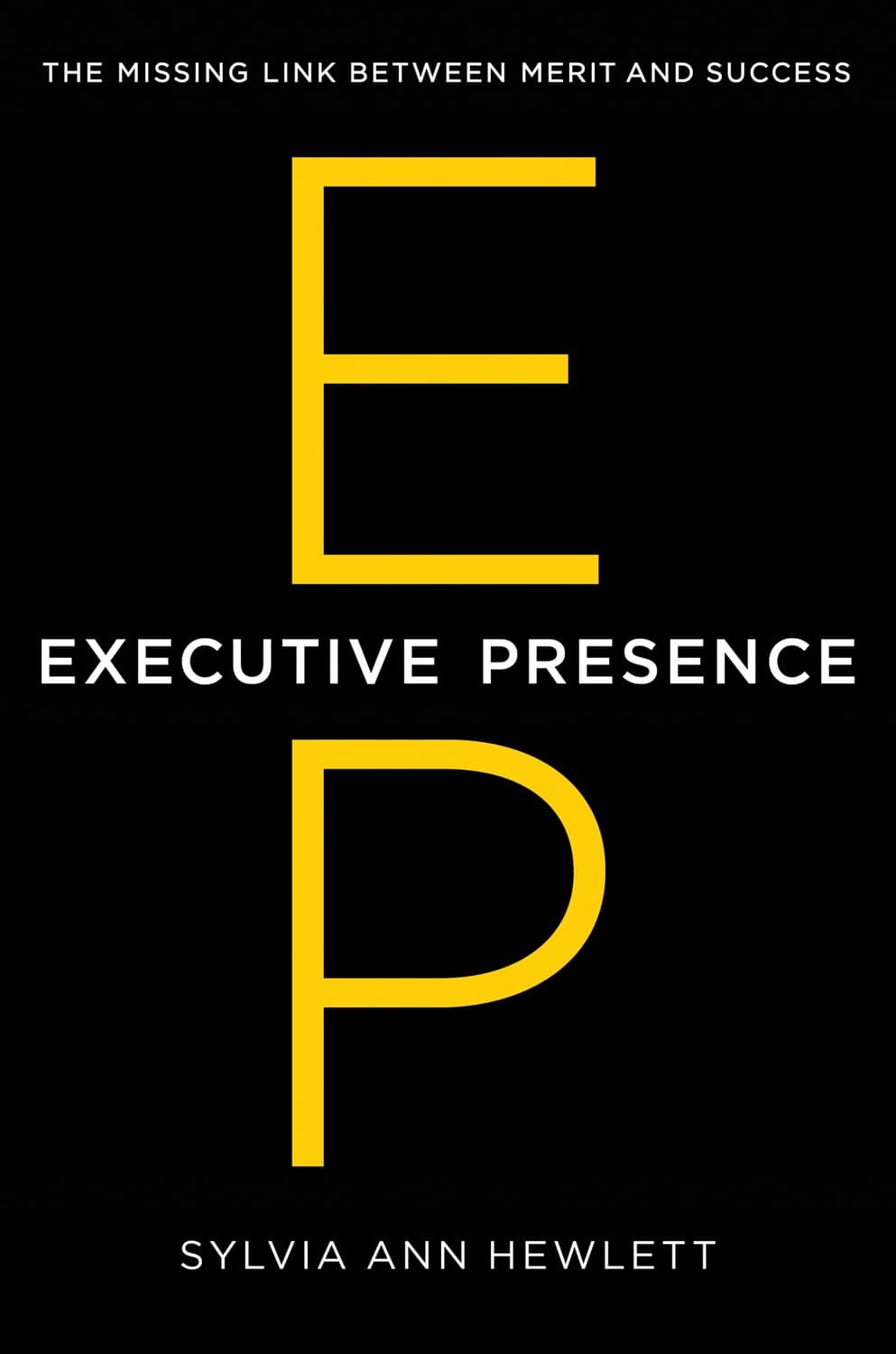
Executive Presence
Sylvia Ann Hewlett
Research on the intangible signal that decides who looks like a leader.
Merit gets you noticed, but presence is what convinces decision-makers you can be trusted with more.
Hewlett breaks executive presence into gravitas, communication, and appearance, explaining the unwritten screen that determines who gets promoted into senior rooms regardless of raw competence.
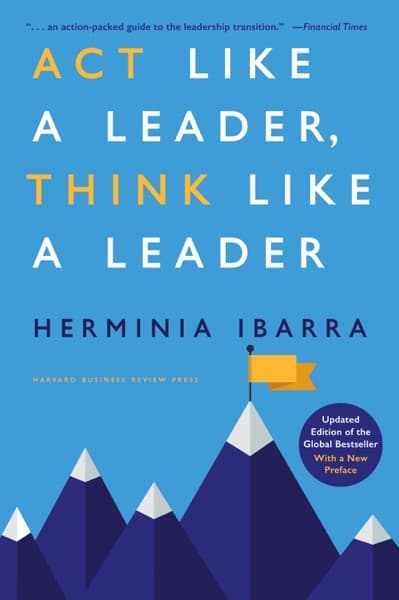
Act Like a Leader, Think Like a Leader, Updated Edition of the Global Bestseller, With a New Preface
Herminia Ibarra
An INSEAD professor's case that you grow into leadership by acting first, not reflecting first.
You act your way into a new role far more often than you think your way into one, so start doing the bigger job now.
Ibarra shows that promotions go to people already operating at the next level, and gives concrete ways to redefine your job, network outward, and rehearse the leader you intend to become.
People decide with emotion and justify with logic, so the colleague who feels valued by you becomes your strongest advocate.
The First 90 Days with Harvard Business Review article "How Managers Become Leaders" (2 Items)
Michael D. Watkins
The standard manual for not blowing a new role or a fresh promotion.
Early wins compound, because the reputation you earn in the first ninety days frames how every later move is judged.
Watkins maps the transition that makes or breaks a promotion, from securing early wins to managing your new boss, turning the riskiest stretch of any advancement into a plan you can execute.
Influence Without Authority
Allan R. Cohen, David L. Bradford
How to get things done through people who do not report to you.
Everyone has a currency they value, and influence is the art of paying in the currency the other person actually wants.
Cohen and Bradford build a practical model of trading value across an organization, the core skill for anyone who must lead initiatives and win support before they hold any formal title.
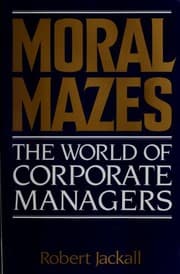
Moral mazes
Robert Jackall
A sociologist's deep fieldwork inside the moral world of corporate managers.
In many organizations success flows to those who read the political winds, not to those who are simply right.
Jackall spent years watching how managers really advance, documenting how loyalty, timing, and shifting blame can matter more than results, exposing the hidden rules the self-help shelf never admits.
Can we tailor this list for you?
Type your question in the bar below and the AI will tailor a fresh set of picks just for you.