Best Books on Why Companies Fail
Company failure books that explain the “why” behind collapse, from Christensen’s disruption traps to The Smartest Guys in the Room’s Enron culture math. Expect sharper lenses than generic blame stories.
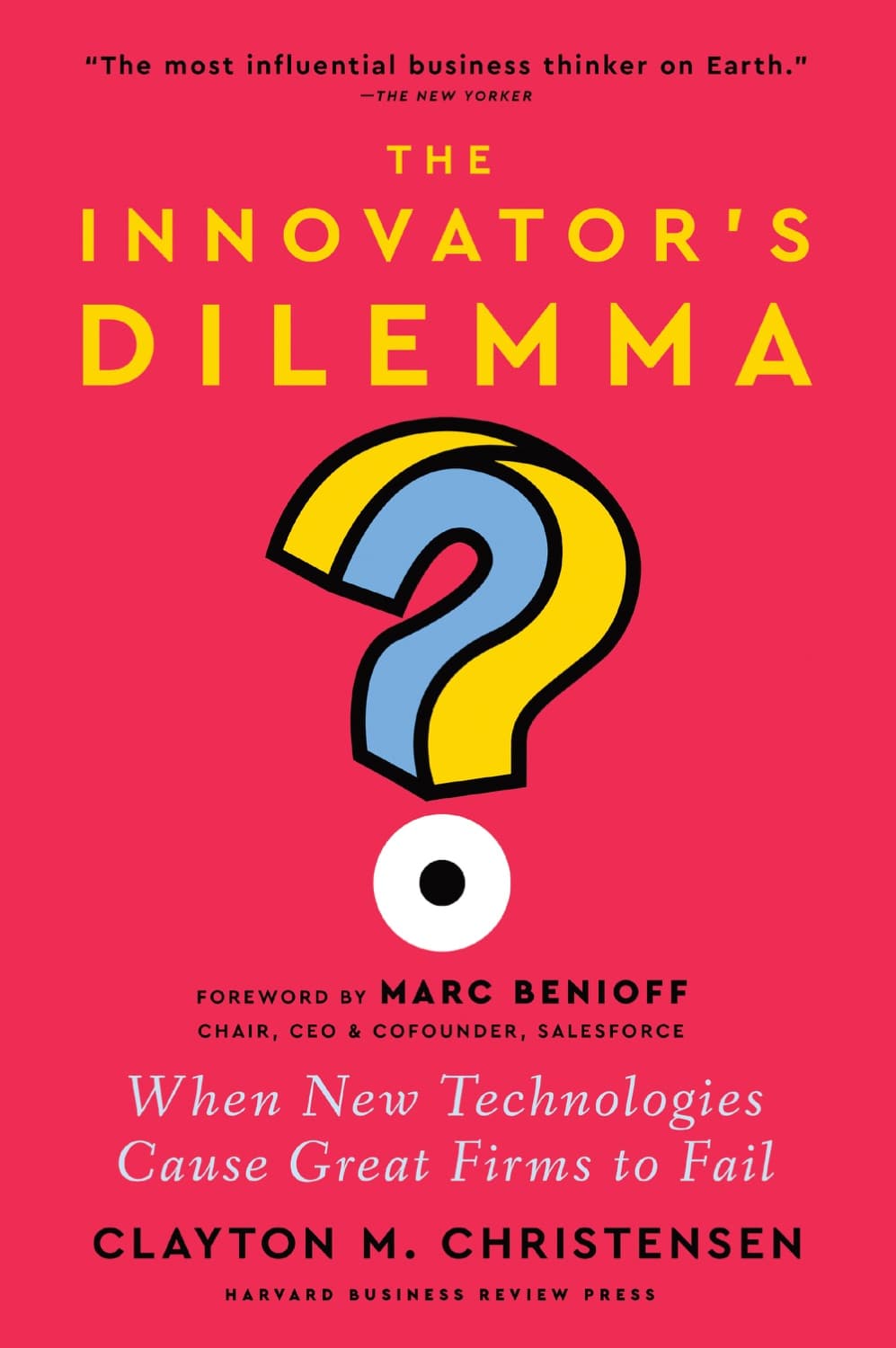
The Innovator's Dilemma
Clayton Christensen
Strong companies don’t usually fail from incompetence: they fail because their best customers, processes, and performance metrics make the next opportunity look unattractive.
Disruptions start in markets incumbents ignore.
Christensen maps how disruption beats incumbency from the inside, even when leaders are intelligent and well-intentioned. For “why companies fail,” it reframes decline as a predictable outcome of organizational fit, not a string of bad luck.
Why CEOs Fail
David L. Dotlich, Peter C. Cairo
CEO failure often comes from repeating a handful of leadership patterns: escalation of commitment, decision blindness, and unchallenged group dynamics.
Watch for decision escalation and closed feedback loops.
Dotlich and Cairo connect corporate collapse to identifiable executive behaviors rather than vague “bad leadership.” It matters for your question because it treats failure as leadership systems gone wrong, not only strategy errors.
Billion Dollar Lessons
Paul Carroll, Chunka Mui
Corporate disasters compress into a small set of repeatable mistakes: bad assumptions, weak risk discipline, and cultures that normalize failure.
Normalize failure and you lose your early warning system.
This book synthesizes multiple high-profile failures into concrete lessons you can compare across industries. It helps answer “why companies fail” by turning scandal-scale outcomes into decision-level patterns.
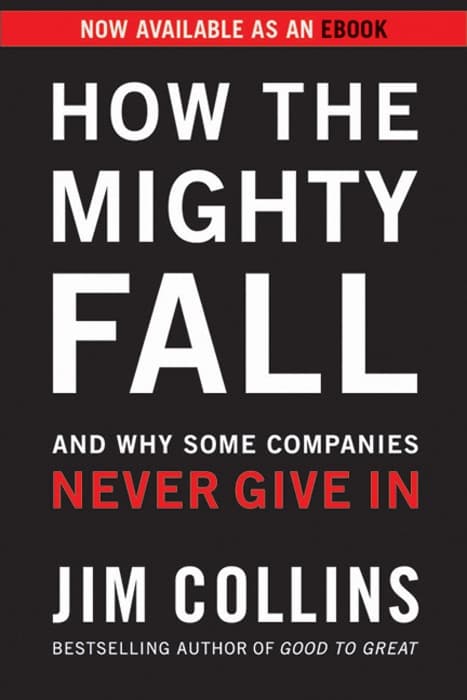
How the Mighty Fall
Jim Collins
Once-great firms decline through a recognizable sequence: hubris, denial, relentless search for rescue, and then irrelevance that accelerates.
Denial grows until irrelevance becomes policy.
Collins gives a stages-of-decline lens that links leadership psychology to organizational outcomes. For your topic, it translates “why did they collapse?” into a trackable progression you can look for early.
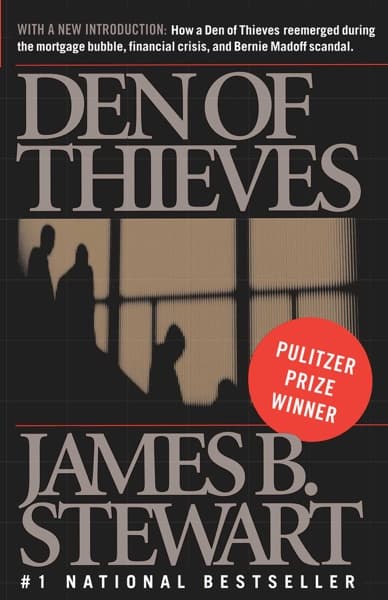
Den of Thieves
James B. Stewart
Den of Thieves reads corporate failure as a governance breakdown: secrecy, conflicts of interest, and regulatory capture make fraud feel routine.
When oversight fails, incentives do the talking.
Stewart’s narrative focus keeps the “why” grounded in real incentives and real institutional failure. It’s useful for understanding how organizations stop policing themselves right before they collapse.
Barbarians at the gate
Bryan Burrough, John Helyar
Barbarians at the gate shows value destruction isn’t only the result of greed: it is engineered by incentives, financing structures, and deal dynamics that reward short-term wins.
Leverage can turn strategic decisions into time bombs.
The RJR Nabisco story connects hubris to how decisions get made when stakeholders profit from leverage and momentum. That makes it a sharp read for “why companies fail,” especially when failure is part of the deal ecosystem.
Watch for decision escalation and closed feedback loops.
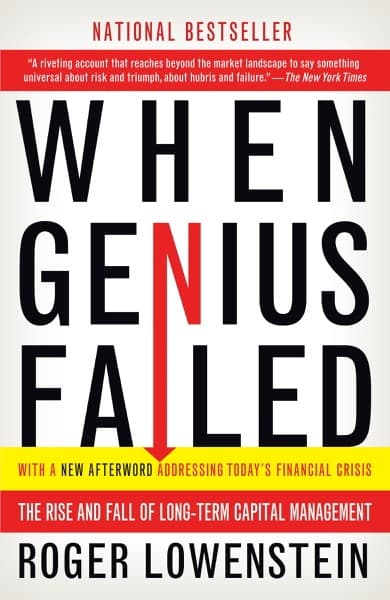
When Genius Failed
Roger Lowenstein, Roger Lowenstein
LTCM’s model didn’t just lose money: it trapped a whole institution in leverage, assumptions of stability, and counterparty exposure.
Leverage magnifies misjudgment into catastrophe.
Lowenstein walks through how cleverness can produce blind spots, especially when risk management is subordinated to conviction and institutional prestige. For corporate failure questions, it highlights failure as system-level fragility, not a single mistake.
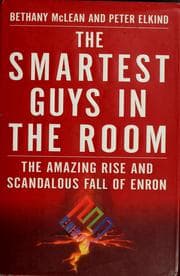
The Smartest Guys in the Room
Bethany McLean, Peter Elkind
Enron’s downfall wasn’t only fraud: it was a self-reinforcing culture where complexity, incentives, and leadership signaling rewarded deception.
Culture plus incentives can outvote truth.
McLean and Elkind connect organizational design to breakdown, showing how people learned what to say, what to hide, and what to treat as “normal.” If your goal is to understand why companies fail, this delivers the cultural mechanics behind the collapse.
Can we tailor this list for you?
Type your question in the bar below and the AI will tailor a fresh set of picks just for you.