Best Books for Law Students and Lawyers
Legal reasoning is a trained habit, not an instinct. These books move from the foundations of case analysis to the landmark trials that shaped modern law, plus the craft of persuasion every lawyer eventually needs.

The bramble bush
Karl N. Llewellyn
The lecture series that still opens legal education
Law is not a fixed set of rules but a working method for reasoning from prior cases to present disputes.
Karl Llewellyn's 1930 lectures to incoming Columbia law students remain the clearest explanation of how case law, precedent, and legal argument actually function beneath the surface of statutes and rules.

Getting to maybe
Richard Michael Fischl
The exam guide law professors actually recommend
Spotting every plausible counterargument matters more on an exam than landing on the single right answer.
Fischl and Paul reverse engineer what separates an A exam answer from a B answer, showing that professors grade for issue spotting and argument construction rather than for reciting the correct legal conclusion.
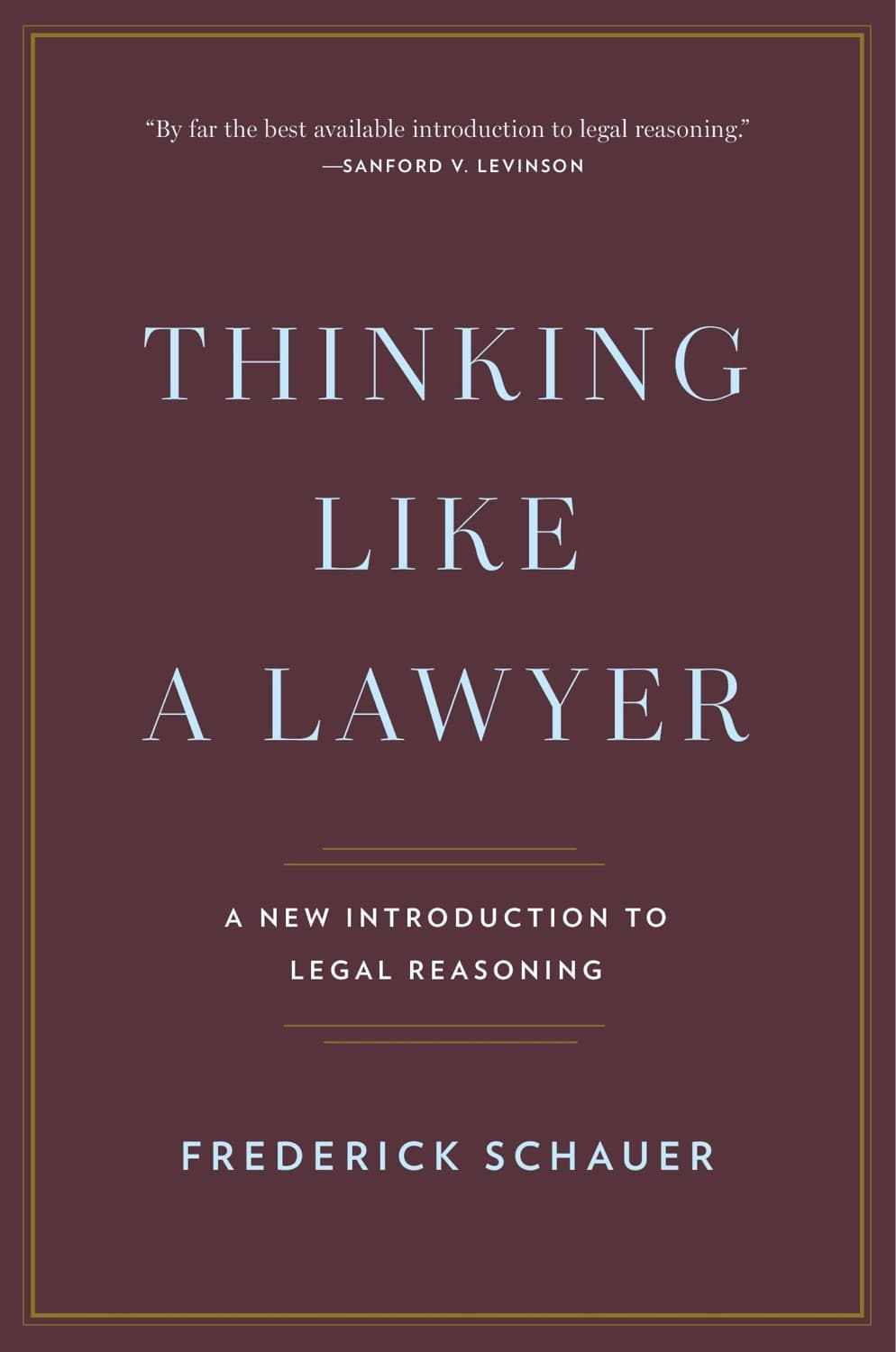
Thinking Like a Lawyer - a New Introduction to Legal Reasoning
Frederick Schauer
A legal theorist's account of how legal reasoning really works
Legal rules bind even when they produce a worse outcome than the judge's own best judgment would.
Frederick Schauer dissects precedent, analogy, and rule following with a rigor that explains why legal reasoning differs from ordinary argument, and where that reasoning quietly breaks down in practice.
One L
Scott Turow
The first year at Harvard Law, told from the inside
The anxiety of the first year is universal and largely unrelated to how well a student ultimately performs.
Scott Turow's memoir of his own first year at Harvard Law School captures the fear, competition, and Socratic method pressure that no orientation packet prepares incoming students for.
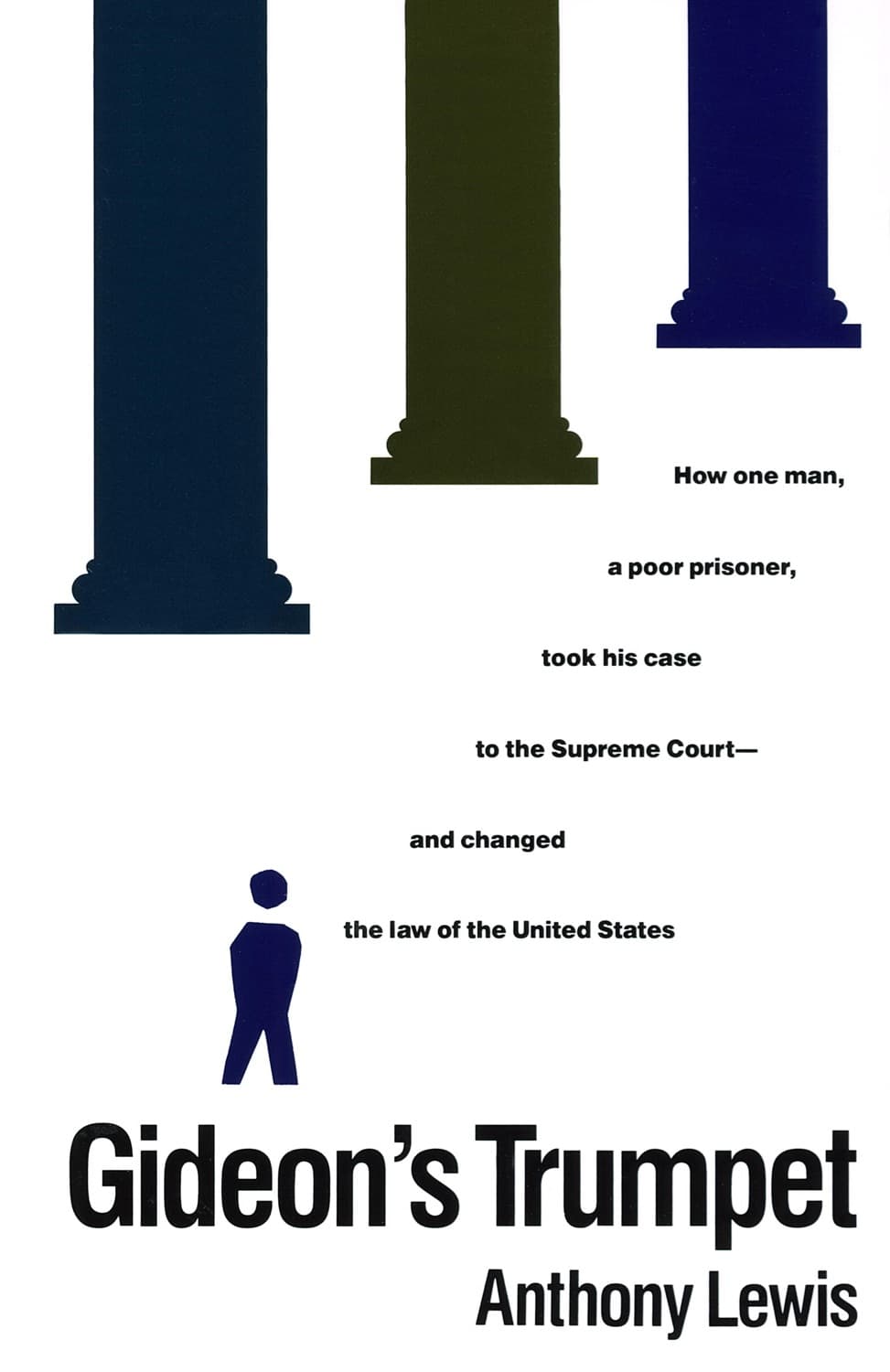
Gideon's Trumpet
Anthony Lewis
The case that gave every defendant a lawyer
A single unrepresented defendant's petition, written in pencil, established a right that reshaped the criminal justice system.
Anthony Lewis traces Clarence Earl Gideon's handwritten prison petition all the way to the Supreme Court, showing how Gideon v. Wainwright created the constitutional right to counsel criminal defense now depends on.
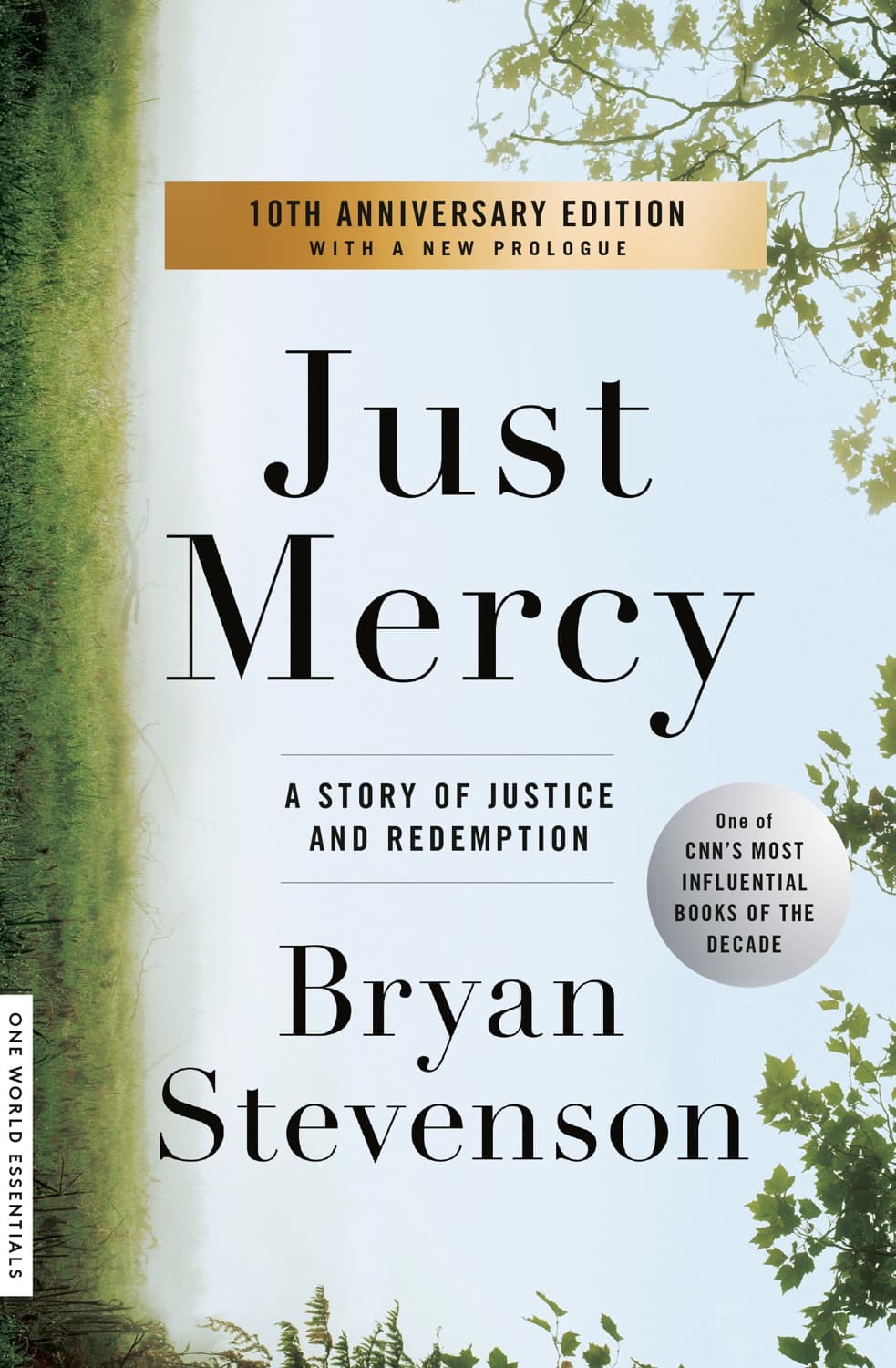
Just Mercy
Bryan Stevenson
A public interest lawyer confronts the system's failures
Proximity to clients, not just legal argument, is what actually changes outcomes in a broken system.
Bryan Stevenson recounts founding the Equal Justice Initiative and defending wrongly condemned clients on death row, grounding abstract debates about criminal justice in specific, devastating cases he argued himself.
Spotting every plausible counterargument matters more on an exam than landing on the single right answer.
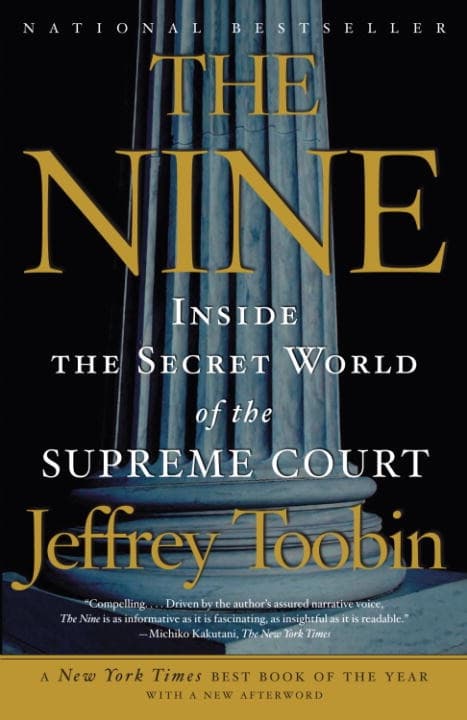
The Nine
Jeffrey Toobin
How the Supreme Court really decides
A single justice's retirement timing can reshape decades of constitutional law more than any brief ever argued.
Jeffrey Toobin reports on the internal alliances, rivalries, and strategic votes among the justices, revealing how much of constitutional law turns on personality and timing rather than doctrine alone.
Making Your Case
Antonin Scalia, Bryan A. Garner
Persuasion lessons from a sitting Supreme Court justice
Judges are persuaded by clarity and concession of weak points, not by burying a weak argument under strong ones.
Justice Antonin Scalia and legal writing expert Bryan Garner distill decades of advocacy into concrete rules for briefs and oral argument, written by someone who spent years judging which arguments actually worked.
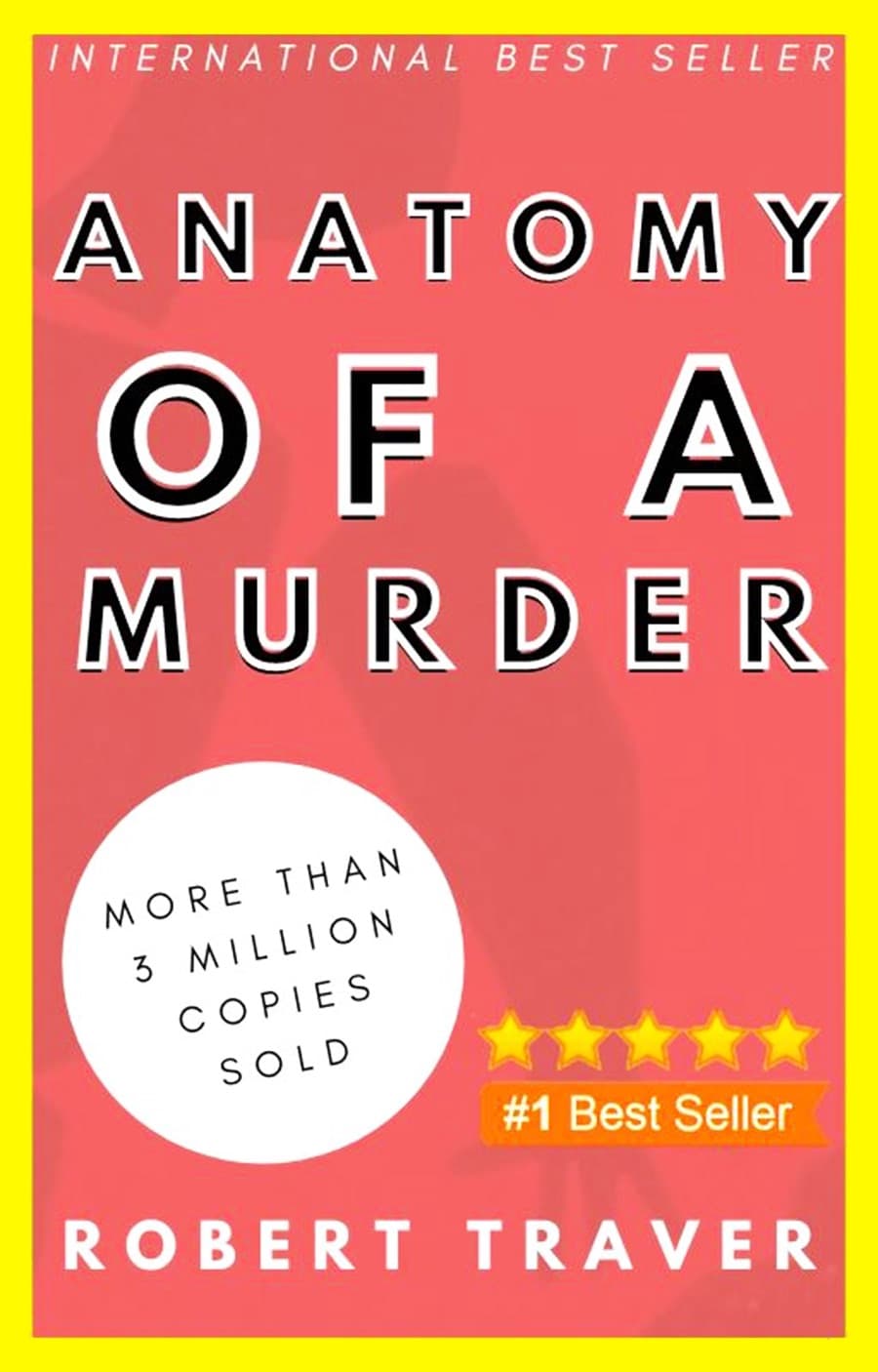
Anatomy of a Murder
Robert Traver
A judge's novel about how trials really work
Winning a trial often comes down to which facts a skilled lawyer can legally keep out of the jury's hearing.
Robert Traver was the pen name of John Voelker, a sitting Michigan Supreme Court justice, and his courtroom procedure is precise enough that the novel is still used to teach trial strategy and cross examination.
Can we tailor this list for you?
Type your question in the bar below and the AI will tailor a fresh set of picks just for you.