Best Business Audiobooks: Leadership, Deals, and Company Stories
Business books split on audio. The framework titles want a highlighter and a quiet desk. The great ones read like stories built on scenes, characters, and hard decisions, and they carry when a strong narrator does. This shelf favors that kind: founders recounting near-death moments, a biographer unspooling a life, a negotiator replaying a call.
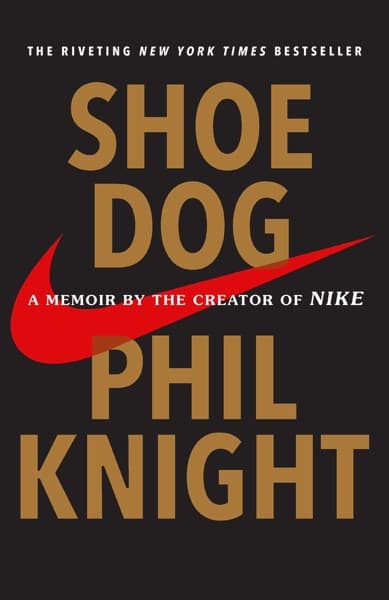
Shoe Dog
Phil Knight
The Nike founder tells the messy, near-bankrupt origin story most corporate memoirs sand smooth.
For years Nike grew so fast it was technically insolvent on paper; runaway growth can be as dangerous to a company's cash as no growth at all.
Knight writes about building Nike as a decade of barely-avoided disasters, unpaid loans, and a bank that wanted him gone, which makes it the rare founder memoir that admits how close the whole thing came to failing.
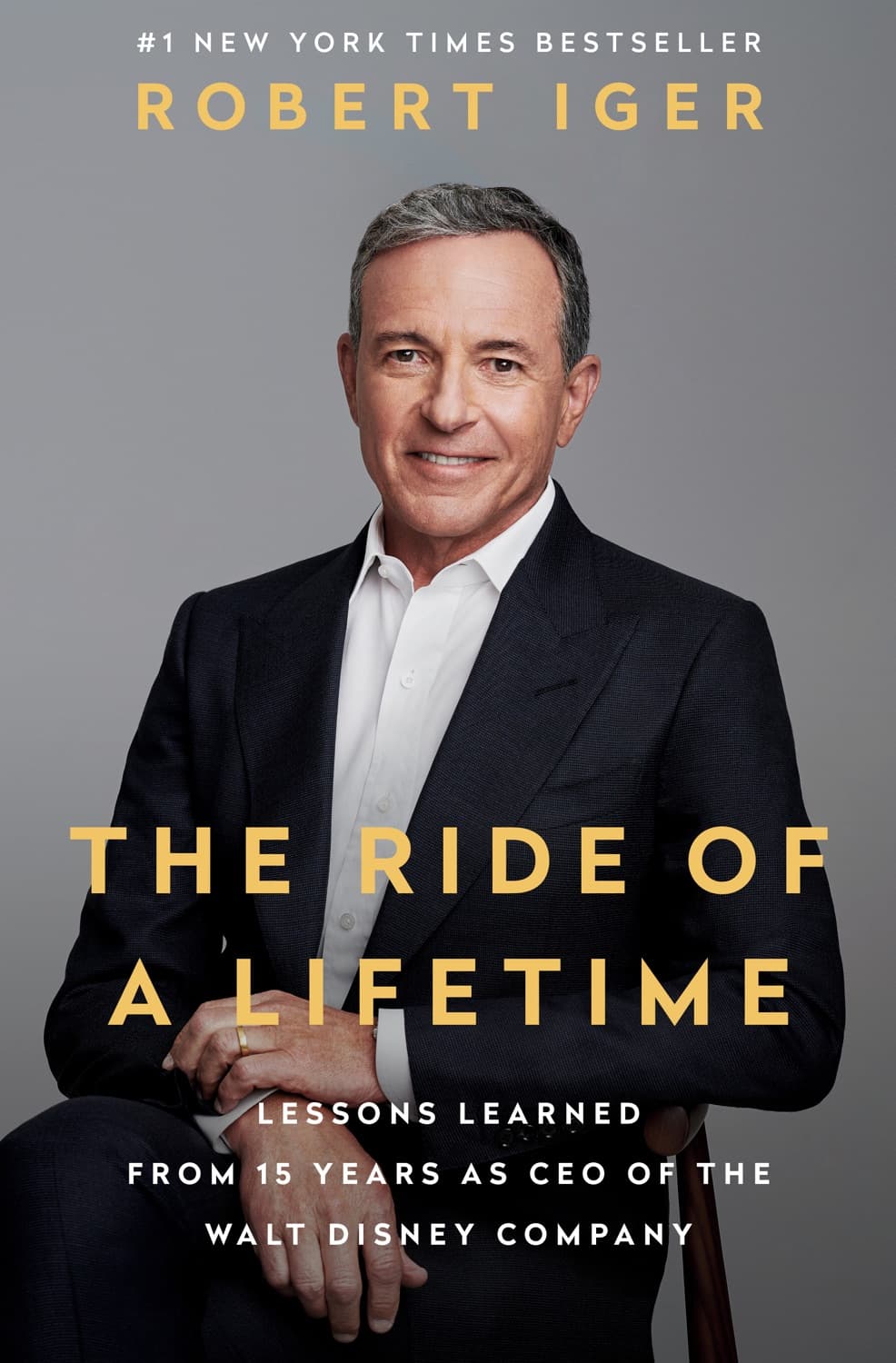
The Ride of a Lifetime
Robert Iger
Fifteen years running Disney, told through the Pixar, Marvel, and Lucasfilm deals that reshaped it.
Iger's rule of thumb: if a deal, product, or hire only pencils out under a best-case story you have to talk yourself into, walk away.
Iger frames leadership as a small set of repeated judgment calls under pressure, and grounds each one in a specific acquisition or crisis rather than abstract advice, so the principles arrive attached to real decisions.
The Hard Thing About Hard Things
Ben Horowitz
A venture capitalist on the decisions no management book prepares you for, like when to lay off friends.
There is no recipe for the hardest calls; the job of a CEO is often just to keep making decisions when every option is bad and no one else will.
Horowitz writes specifically about the gap between the confident advice in most business books and the actual experience of running a company that is quietly falling apart, which is why founders return to it during their worst weeks.
Never Split the Difference
Chris Voss, Tahl Raz
An FBI hostage negotiator converts life-or-death tactics into everyday business bargaining.
A blunt 'no' is the start of a negotiation, not the end; it hands the other side control and gets them talking about what they actually need.
Voss builds each lesson out of a real negotiation he lived through, from bank robberies to kidnappings, so the tactics land as stories you remember rather than a checklist you forget by the next meeting.
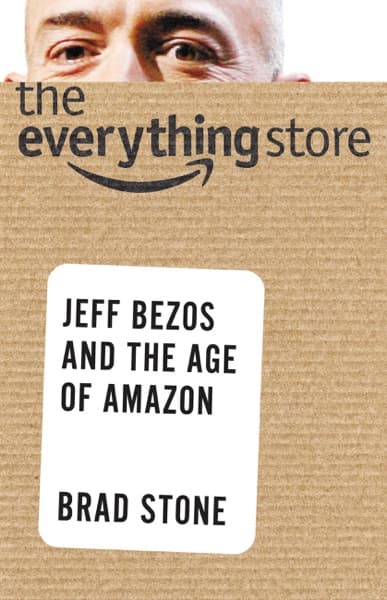
The Everything Store
Brad Stone
The definitive account of how Amazon went from a garage bookseller to an economy-warping machine.
Amazon's willingness to run at near-zero profit for years was a deliberate weapon; it starved competitors who had to answer to impatient shareholders.
Stone reconstructs Amazon's rise through the specific bets and internal fights that built it, from the two-pizza teams to the punishing focus on customers over margins, drawing on hundreds of insider interviews.
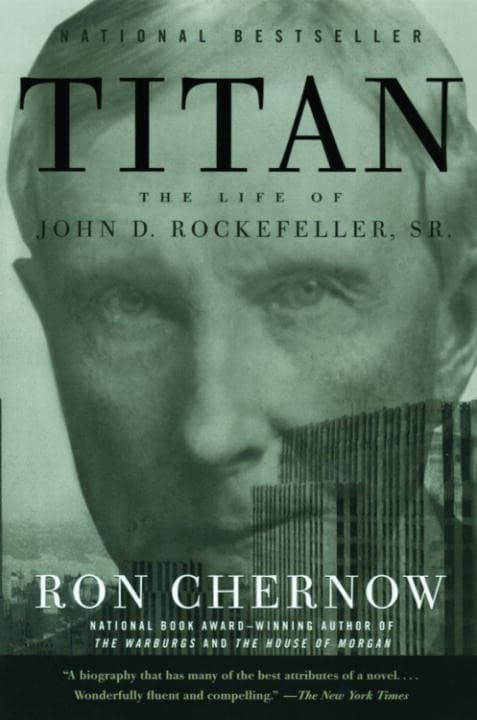
Titan
Ron Chernow
The life of John D. Rockefeller, the man who built Standard Oil and invented the modern monopoly.
Rockefeller crushed rivals not with lower prices alone but with secret railroad rebates competitors could never match; distribution, not the product, was the real chokehold.
Chernow uses Rockefeller to show how one relentless, deeply religious, coldly systematic operator assembled the most powerful company of his age, and how that same ruthlessness eventually turned the whole country against him.
Iger's rule of thumb: if a deal, product, or hire only pencils out under a best-case story you have to talk yourself into, walk away.
The Outsiders
William N. Thorndike Jr.
Eight unglamorous CEOs who quietly crushed the market by treating capital allocation as the whole job.
The single most important thing a CEO does is decide where the company's cash goes; a mediocre operator who allocates capital brilliantly beats a brilliant operator who does not.
Thorndike profiles chief executives most people have never heard of and shows that their extraordinary returns came from disciplined decisions about buybacks, debt, and cash rather than charisma or vision statements.
Setting the Table
Danny Meyer
The restaurateur behind Shake Shack turns hospitality into a business philosophy that scales.
Hire for the 49 percent that is emotional skill over the 51 percent that is technical; you can teach someone to plate a dish, but not to genuinely care whether a stranger has a good time.
Meyer argues that how people feel when they deal with your company is the real product, and backs it with concrete stories from building New York restaurants where service, not food alone, was the competitive edge.
Can we tailor this list for you?
Type your question in the bar below and the AI will tailor a fresh set of picks just for you.