Best Books on Dealing with Difficult Bosses
Books like Robert I. Suttons The No Asshole Rule and Katherine Crowley, Kathi Elster Working With You is Killing Me change the question from “how to tolerate” to “how to respond,” using boundaries, scripts, and evidence-based workplace realism.
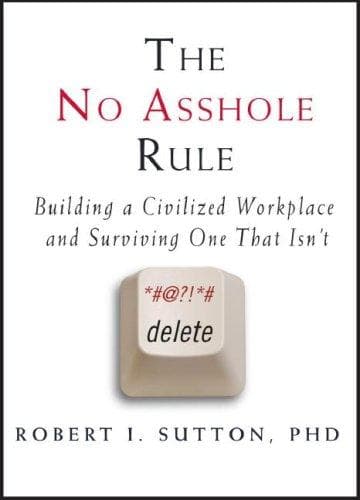
The No Asshole Rule
Robert I. Sutton
The workplace doesn’t run on good intentions: Sutton argues you need systems that stop abusive people from getting rewarded.
Don’t reward bad behavior with attention or slack.
It reframes a difficult boss as an organization-level problem you can counter with clear norms, consequences, and low-drama tactics. That matters when your real goal is less self-blame and more consistent protection at work.

Working With You is Killing Me
Katherine Crowley, Kathi Elster
Crowley and Elster treat toxic workplace dynamics like an avoidable pattern, not a personal flaw you just have to endure.
Name the pattern before you try to change it.
The book helps you identify what keeps the cycle going: communication traps, power games, and mismatched expectations. That directly supports dealing with difficult bosses because it pushes you toward specific coping and relationship-handling moves.
COPING WITH DIFFICULT BOSSES
Robert Bramson
Bramson gives you a set of behavioral “moves” to reduce damage when the boss is the problem, not when you are.
Manage the relationship, not the fantasy of change.
It stands out for its plain, tactic-driven approach to real workplace friction: what to say, what to document, and how to manage up without escalating. For difficult bosses, it offers practical leverage when conversations alone don’t fix the situation.
Crucial Conversations
Kerry Patterson, Joseph Grenny, Ron McMillan, Al Switzler, Stephen R. Covey
Crucial Conversations trains you to keep dialogue open when your boss responds with anger, evasiveness, or denial.
Start with heart: facts, not attacks.
It equips you with repeatable methods for staying in control of tone, facts, and purpose during high-stakes talks. That matters with difficult bosses because the hard part is often not the message, but preventing the conversation from collapsing into threat or silence.
Difficult Conversations
Douglas Stone, Bruce Patton, Sheila Heen
It argues that most workplace conflicts run on three hidden stories, not just “who is right.”
Separate facts from interpretations and feelings.
This helps you separate what happened from how people interpret it, and from what each side is trying to protect. With difficult bosses, that shift reduces spirals and gives you language for the parts of the conflict you can actually address.
Getting to Yes
Roger Fisher
Getting to Yes helps you negotiate with hard managers by separating positions from interests, even when emotions run hot.
Focus on interests, not positions.
The method supports setting boundaries without turning every disagreement into a power struggle. That matters because difficult bosses often force standoffs unless you can translate demands into shared interests and options.
Name the pattern before you try to change it.
Power
Jeffrey Pfeffer
Pfeffer shows how workplace “difficult behavior” often reflects power dynamics, incentives, and control, not personality alone.
Power is systemic: incentives and information matter.
This lens helps you read what your boss is really optimizing for, which changes how you respond. For difficult bosses, it turns frustration into strategy by making your next move depend on leverage and constraints, not just hope.

Talking to 'Crazy'
Mark Goulston
Goulston’s approach teaches you to defuse volatile reactions by treating irrational behavior as fear you can lower.
Lower fear first: validate emotion, not the storyline.
It gives concrete communication tactics for moments when a boss is unpredictable, defensive, or emotionally escalated. That matters because “reasoning harder” often backfires, while calm precision can reopen the path to collaboration.

Set Boundaries, Find Peace
Nedra Glover Tawwab
It reframes boundaries as training: you practice the limit, the response, and the consequences until the interaction changes.
Boundaries are enforced through follow-through.
Tawwab provides clear ways to assert limits with demanding supervisors, including what to do when your boss pushes back. That matters for difficult bosses because peace comes from consistency, not from bargaining for approval.
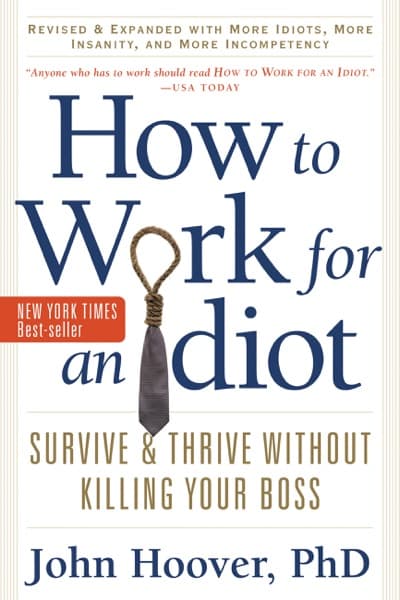
How to Work for an Idiot, Revised and Expanded with More Idiots, More Insanity, and More Incompetency
John Hoover
Hoover turns workplace absurdity into a survival plan for dealing with incompetent, frustrating bosses without losing your effectiveness.
Stop arguing about the problem: manage the workaround.
The tone is direct, but the value is tactical: how to manage expectations, protect your time, and keep conflict from ballooning. For difficult bosses, it offers a pragmatic mindset when change from above is unlikely.
Can we tailor this list for you?
Type your question in the bar below and the AI will tailor a fresh set of picks just for you.