Best Books on Building a Social Circle
Platonic by Marisa G. Franco and The Art of Gathering by Priya Parker turn “meeting people” into durable friendships by focusing on friendship science, intention, and repeatable moments.
Platonic
Marisa G. Franco, PhD
Platonic reframes adult friendships as a skill you can engineer: proximity, reciprocity, and time invested reliably predict closeness.
Friendship grows from consistent, mutual time investment.
It translates research on friendship into specific behaviors you can repeat, especially once adulthood makes “accidental” connection rare. That makes it ideal for building a social circle without relying on charisma.
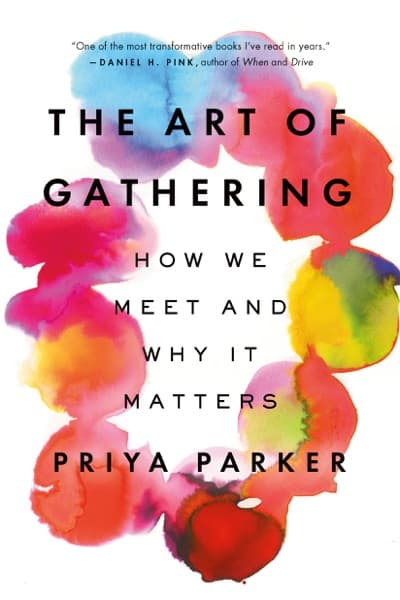
The Art of Gathering
Priya Parker
The Art of Gathering trains you to design social events that create meaning, not just attendance.
A gathering needs a point, a plan, and participation.
Instead of treating hangouts as casual networking, it gives you tools to shape atmosphere, purpose, and participation so relationships deepen. That directly supports building a social circle through intentional, repeatable gatherings.
How to Win Friends and Influence People
Dale Carnegie
How to Win Friends and Influence People teaches that real traction comes from genuine interest and thoughtful recognition, not persuasion tactics.
Become genuinely interested in other people.
It offers concrete social behaviors for initiating contact and maintaining warmth over time. If you are trying to expand your circle, those fundamentals help you become easier to approach and more memorable.
Frientimacy
Shasta Nelson
Frientimacy turns friendship into a three-part practice: closeness, consistency, and trust built through small actions.
Consistency beats intensity for building trust.
It helps you move from “I should make friends” to specific routines that keep relationships alive between meetups. That structure matters when building a social circle gets harder to sustain.
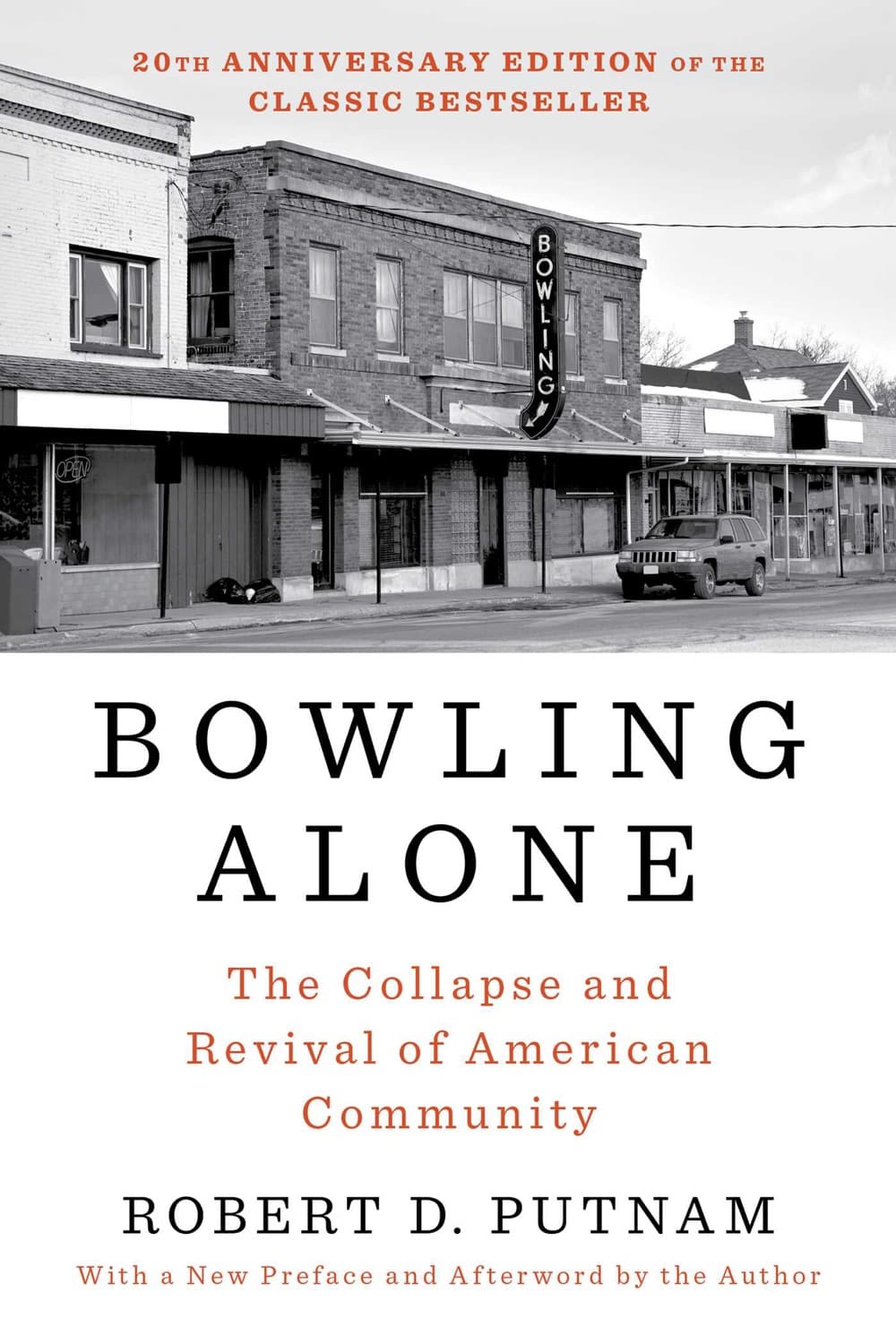
Bowling Alone
Robert D. Putnam
Bowling Alone argues that social isolation is not personal failure: civic and community ties have structurally weakened over decades.
Community decline is measurable; connection needs rebuilding.
It gives context for why building a social circle feels harder than it “should,” and it clarifies what kind of connection to seek: local, recurring, and networked. That perspective reduces shame and increases strategy.
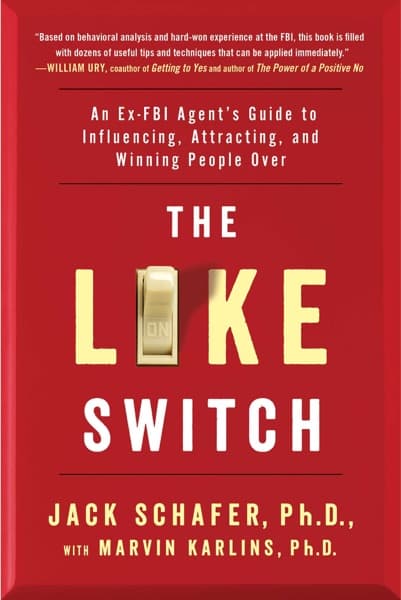
The Like Switch
Jack Schafer, Marvin Karlins
The Like Switch uses practical rapport scripts so you can earn comfort quickly without manipulation or big personality shifts.
Use mirroring and validation to build rapport.
It focuses on behaviors that make others feel understood and at ease, which helps you start conversations and turn acquaintances into repeat faces. That makes it useful for building a social circle through consistent social signals.
A gathering needs a point, a plan, and participation.
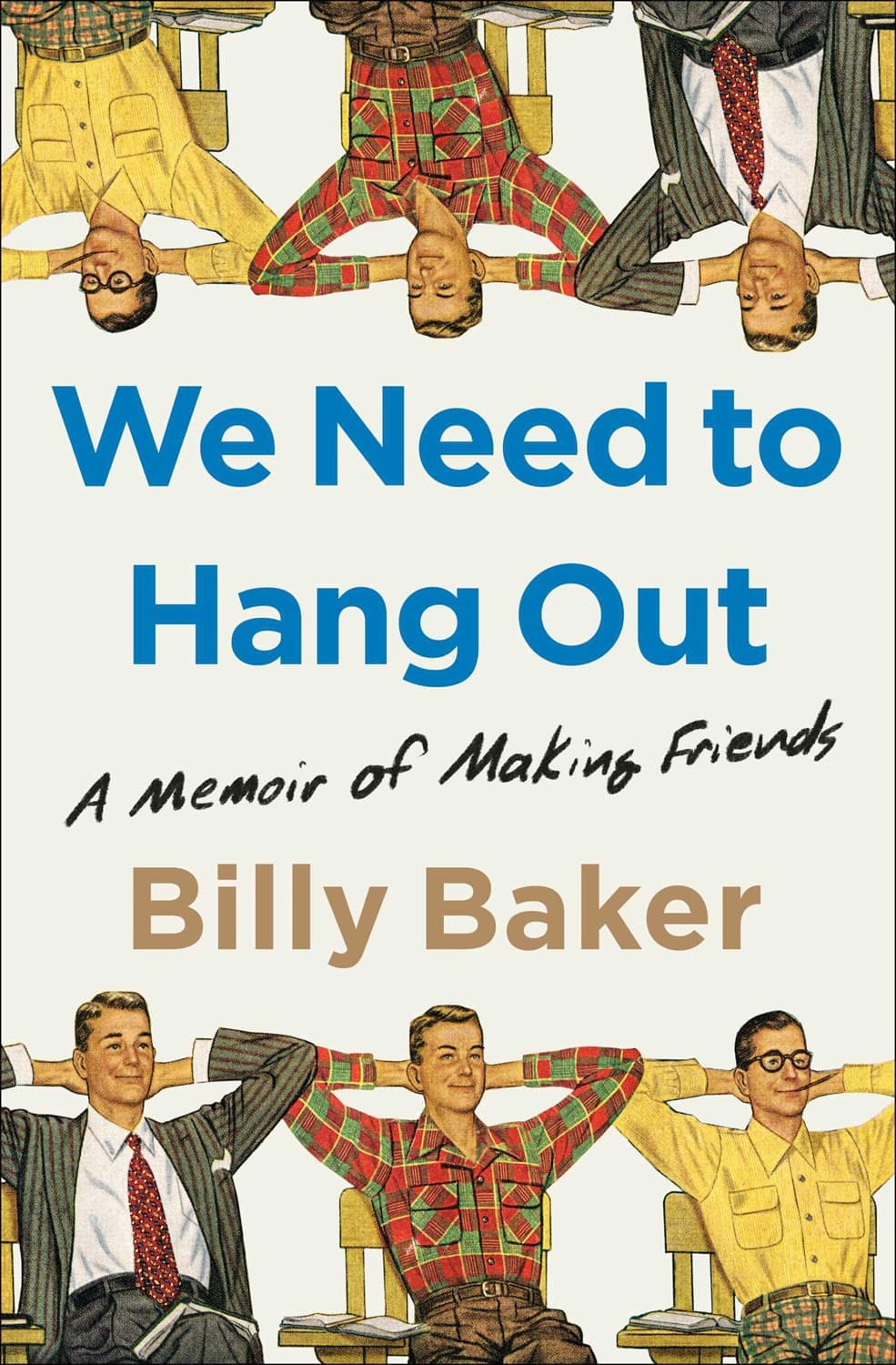
We Need to Hang Out
Billy Baker
We Need to Hang Out argues that modern friendships require intentional planning, not just occasional spontaneity.
Replace vague plans with specific next hangouts.
It brings a contemporary lens to male friendship and shows how to move from “we should” to actual connection. That directly helps you build a social circle by lowering the friction around making plans.
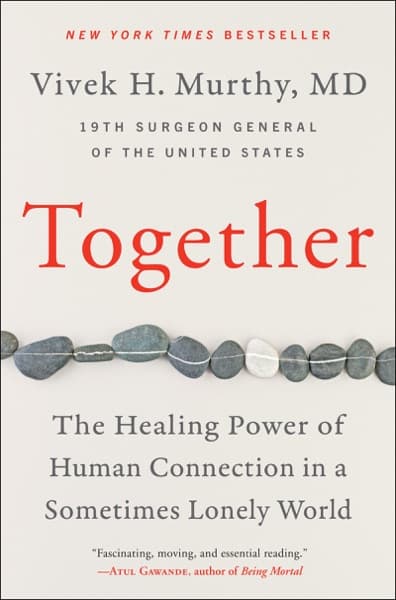
Together
Vivek H. Murthy, M.D.
Together makes loneliness a public health issue, linking belonging to mental and physical wellbeing.
Belonging is a core determinant of wellbeing.
It helps you treat social connection as essential infrastructure, not a nice-to-have. That mindset supports building a social circle by motivating real effort and reducing the dread around asking for closeness.
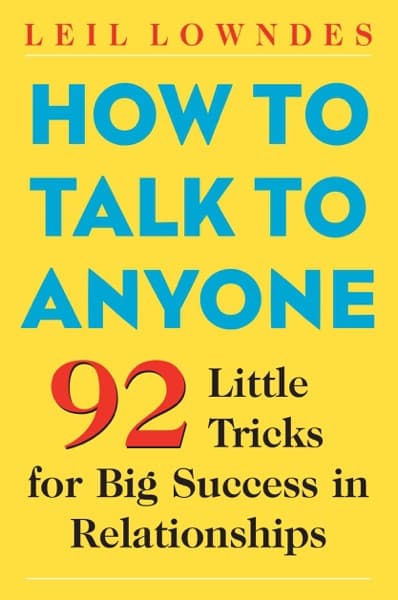
How to Talk to Anyone: 92 Little Tricks for Big Success in Relationships
Leil Lowndes
How to Talk to Anyone turns small conversational shifts into noticeably better first impressions.
Ask questions that invite stories, not yes-or-no answers.
It gives beginners a toolkit of practical approach, question styles, and social cues for turning brief talk into ongoing rapport. If your bottleneck is starting conversations, this targets it directly.
Can we tailor this list for you?
Type your question in the bar below and the AI will tailor a fresh set of picks just for you.