Best Books on Zone 2 Training
Zone 2 training gets clearer fast through books like Training for the Uphill Athlete by Steve House and Scott Johnston, plus Joe Friel’s The Triathlete's Training Bible: they turn aerobic “easy” work into a measurable plan.
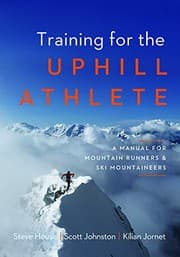
Training for the Uphill Athlete
Steve House, Scott Johnston, Kilian Jornet
You leave with a practical system for building a big aerobic engine via lots of sub-threshold work, then layering structure without turning every session into a race.
Zone 2 builds your base; avoid frequent high-intensity spikes
It emphasizes aerobic-base training and intensity discipline in a way that directly maps to Zone 2 goals. That matters when your real aim is endurance gains from controlled effort rather than fitness-by-hammering.
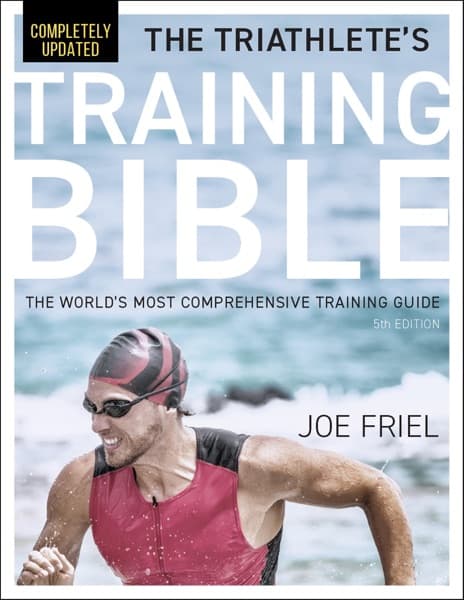
The Triathlete's Training Bible
Joe Friel
You stop guessing at intensity: Friel’s zone framework helps you make “easy” workouts truly easy and “hard” ones actually hard, so aerobic work compounds instead of drifting.
Use zones to separate adaptations, not just effort
It lays out intensity zoning and how to build aerobic capacity, which is the heart of effective Zone 2 training. Even if you are not a triathlete, the planning logic helps you translate Zone 2 into a repeatable weekly structure.
80/20 Running
Matt Fitzgerald
You get a persuasive case that most of your running should feel almost too easy, because the majority of your gains come from consistency at low intensity.
Train 80% easy to unlock aerobic carryover
Its core training idea aligns tightly with Zone 2: lots of time in aerobic work, minimal time chasing intensity. That directly supports the constraint behind Zone 2: maximize endurance adaptations while protecting recovery.
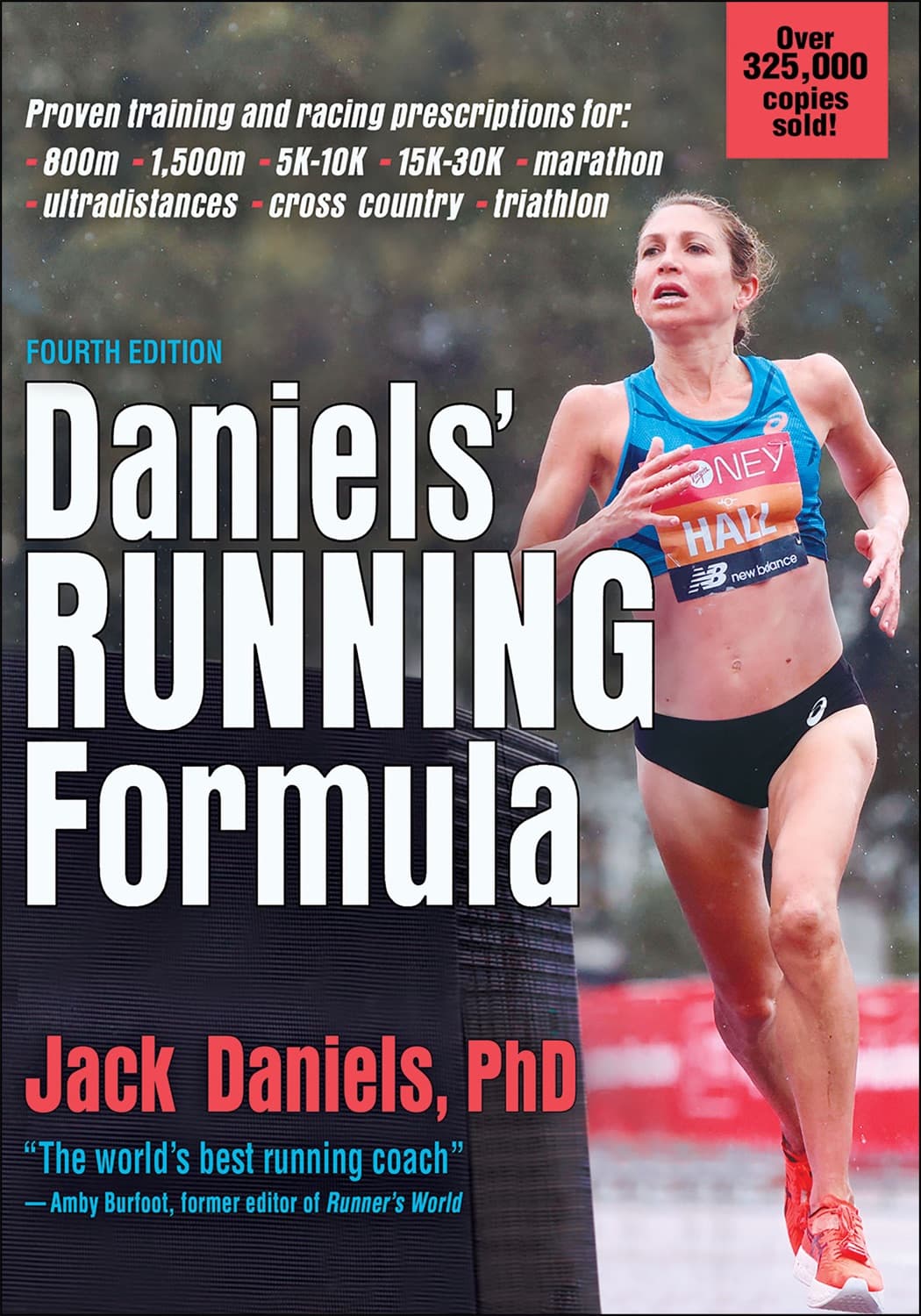
Daniels' running formula
Jack Daniels
Your easy days become a defined pace target, not a mood: Daniels helps you run aerobic mileage with precision and keep speedwork from infecting your base.
Easy pace drives aerobic development; protect it
It’s one of the clearest mainstream systems for separating easy aerobic work from harder sessions using structured pacing. For Zone 2 training, that clarity helps you keep the aerobic stimulus where it belongs.
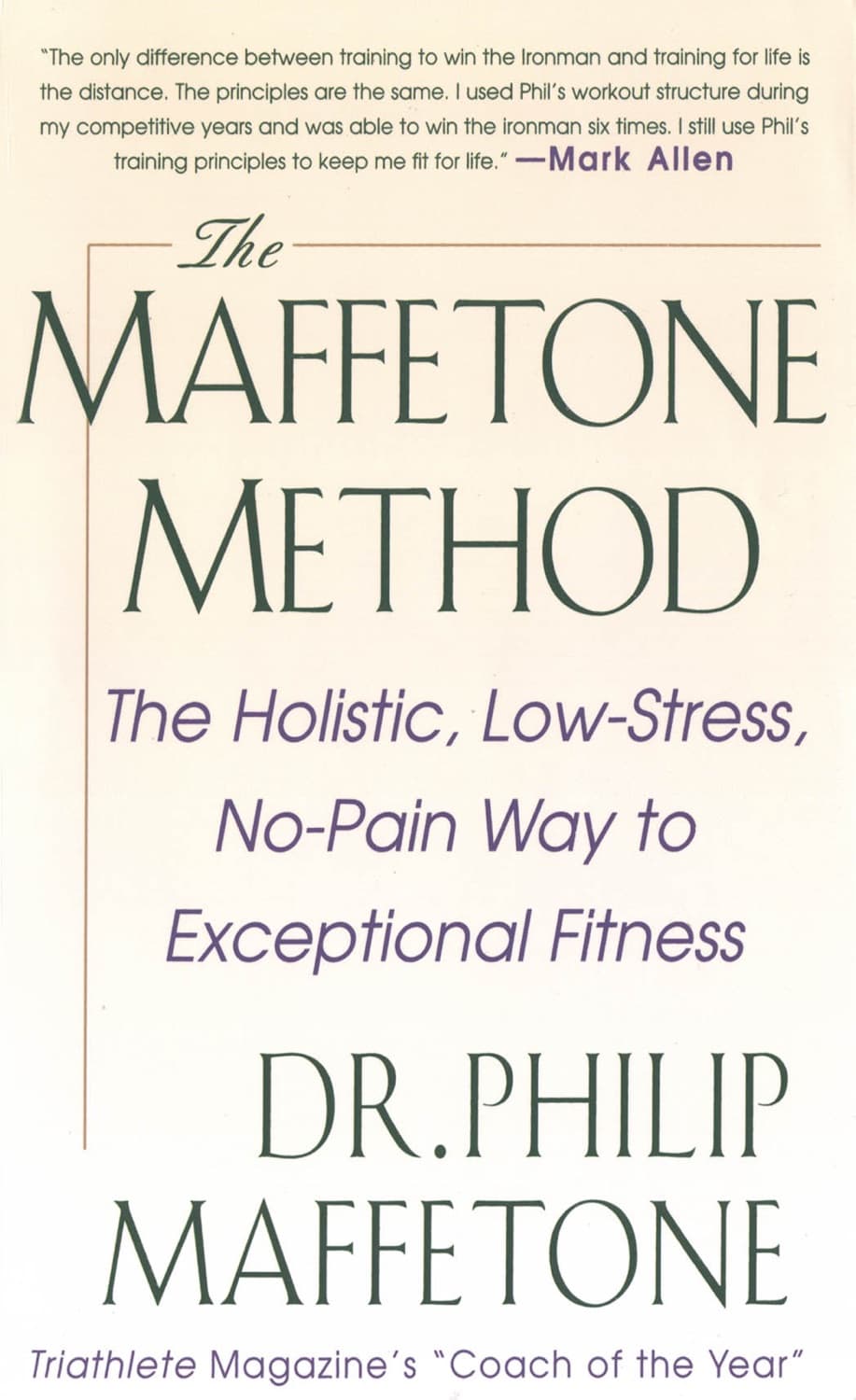
The Maffetone Method: The Holistic, Low-Stress, No-Pain Way to Exceptional Fitness
Philip Maffetone
You learn how to use a simple heart-rate rule to stay in low-stress aerobic work, then adjust it based on your body instead of chasing sensations.
Use the MAF heart-rate calculation to stay aerobic
Maffetone’s approach is closely associated with low-heart-rate endurance training, which many athletes map to Zone 2. If your main challenge is keeping effort consistently aerobic, this gives you a grounded, self-regulating method.
Lore of Running
Tim Noakes
You get a deeper physiological explanation for why aerobic training done at the right intensity pays off, not just a workout template.
Aerobic work depends on staying in the physiological zone
Noakes grounds endurance training decisions in exercise science, helping you understand what Zone 2 is doing to your body. That matters when you want more than habits: you want correct intensity choices.
Use zones to separate adaptations, not just effort
The Big Book of Endurance Training and Racing
Philip Maffetone
A more extensive low-heart-rate training playbook that turns “easy” into a disciplined, long-term method rather than an occasional strategy.
Keep training low-stress to preserve aerobic progress
It expands Maffetone’s low-stress, aerobic-base philosophy, which often maps to Zone 2 training. If you want more detail on how to apply and sustain that style across time, this is the deeper reference.

Endure
Alex Hutchinson
You come away understanding why aerobic endurance is a system of adaptations, not a single workout outcome, and how training intensity steers those pathways.
Intensity steers adaptation type, including aerobic development
Hutchinson is strong on the science behind endurance adaptations, giving you a rational basis for prioritizing Zone 2. That helps you pick the right trade-off between easy volume and harder work.
Can we tailor this list for you?
Type your question in the bar below and the AI will tailor a fresh set of picks just for you.