Best Books on Peptide Cycling & Risk Management
Peptide cycling and risk management land where dosing, stability, and analytics meet: William A. Banks’ Peptide Protocols and Steven W. Baertschi’s Pharmaceutical stress testing help you manage degradation risk, not just biology.
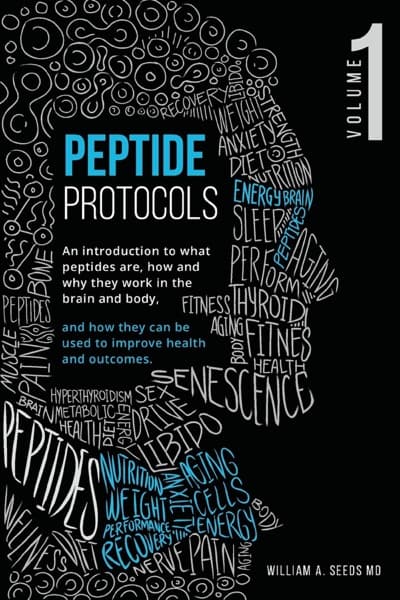
Peptide Protocols
William A. Banks
After working through Peptide Protocols, peptide preparation feels less like craft and more like controllable variables: handling, storage, and stability tradeoffs show up as decisions you can justify.
Stability is a workflow outcome, not a storage afterthought.
It’s a lab-facing reference that sharpens how peptides are handled across dosing-relevant steps, with stability considerations that map cleanly to risk management. That makes it useful when peptide cycling depends on what survives the real-world workflow.
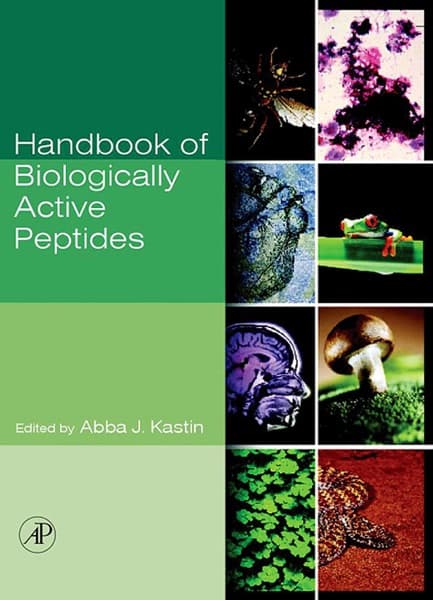
Handbook of Biologically Active Peptides
Abba J. Kastin
Handbook of Biologically Active Peptides turns peptide risk from “unknowns” into mapped biological mechanisms you can reason about when cycling changes exposure.
Mechanism-first framing helps you predict risk shifts.
This spans peptide classes and biological effects, which helps you anticipate how shifting exposure patterns might translate into safety concerns and monitoring needs. For risk management, mechanism-first thinking reduces blind spots behind dosing decisions.
Therapeutic peptides and proteins
Ajay K. Banga
Therapeutic peptides and proteins makes formulation and delivery constraints feel like risk levers you can pull, rather than vague obstacles.
Formulation determines whether peptide exposure stays consistent.
Its treatment of formulation and delivery supports the core risk questions behind peptide cycling: what changes exposure, what degrades, and what you must control. That directly strengthens your stability and performance planning.
Peptide and Protein Drug Analysis
Ronald Reid
Peptide and Protein Drug Analysis trains you to see risk in what shouldn’t be present: impurities and degradation products become measurable, not hypothetical.
Risk management starts with what your assays can detect.
An analytical reference helps you build a monitoring mindset for peptide quality, including what to watch for as peptides cycle through stressors and handling. That strengthens the evidence base for safety and stability claims.
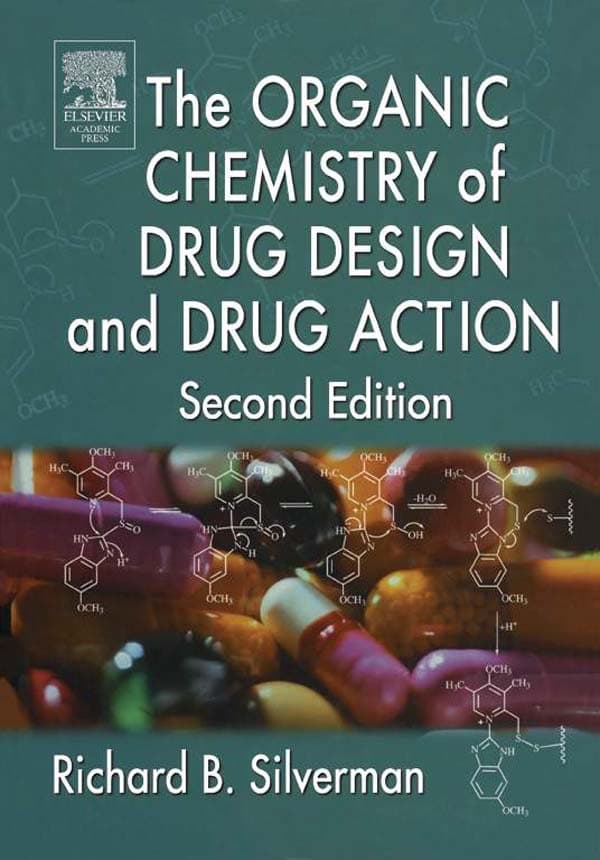
The Organic Chemistry of Drug Design and Drug Action
Richard B. Silverman
Once you read The Organic Chemistry of Drug Design and Drug Action, peptide liabilities stop being mysteries and start looking like chemistry you can anticipate.
Chemical design predicts failure pathways under stress.
A medicinal chemistry foundation helps connect peptide optimization choices to real failure modes and safety considerations. For risk management, understanding chemical drivers makes it easier to anticipate where cycling could expose weaknesses.
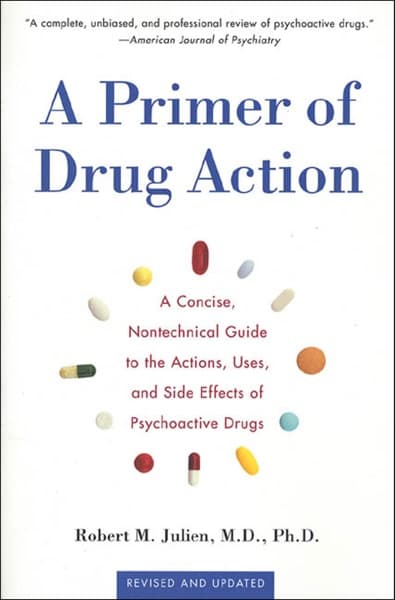
A Primer of Drug Action
Robert M. Julien
A Primer of Drug Action anchors peptide effects and safety context in pharmacology fundamentals, so risk management isn’t just engineering but also interpretation.
Safety risk is interpretation, not just measurement.
It supports how to reason about drug action and outcomes, which matters when cycling changes exposure patterns and you need to interpret effects responsibly. That makes it a useful companion for turning lab observations into risk decisions.
Mechanism-first framing helps you predict risk shifts.
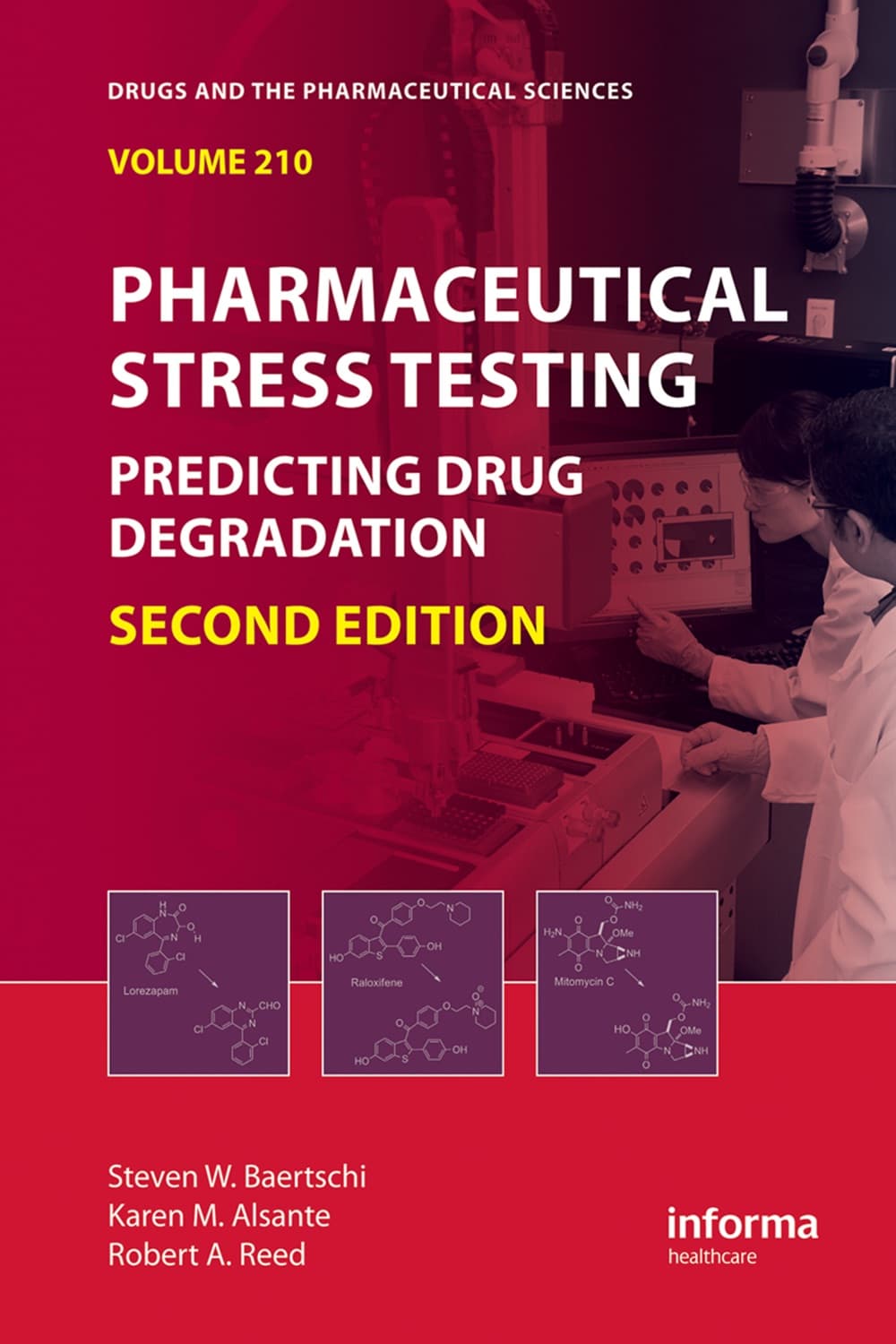
Pharmaceutical stress testing
Steven W. Baertschi
Pharmaceutical stress testing teaches a counterintuitive discipline: predict failure by forcing degradation early, then use the map for risk decisions.
Stress testing reveals degradation pathways that guide risk.
This is directly aligned to stability and degradation planning, turning stress conditions into actionable risk inputs. For peptide cycling, it helps you plan what to expect when peptides face heat, time, and formulation stressors.
Can we tailor this list for you?
Type your question in the bar below and the AI will tailor a fresh set of picks just for you.