Best Books on Endurance & Mitochondrial Function
Endurance performance and mitochondrial function make the same promise: better energy. From Steve House’s uphill training specifics to Lee Know’s mitochondria-first health framing, these picks align endurance work with how your cells generate ATP.
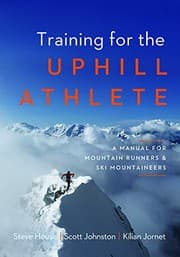
Training for the Uphill Athlete
Steve House, Scott Johnston, Kilian Jornet
You stop treating “endurance” as one workout goal and instead train aerobic durability as a climb-specific energy strategy.
Train aerobic capacity with uphill-specific intensity management
This book translates energy-system thinking into concrete uphill training choices, so mitochondrial-relevant aerobic work becomes intentional, not accidental. It fits endurance goals because it keeps the focus on how your body produces fuel under sustained stress.
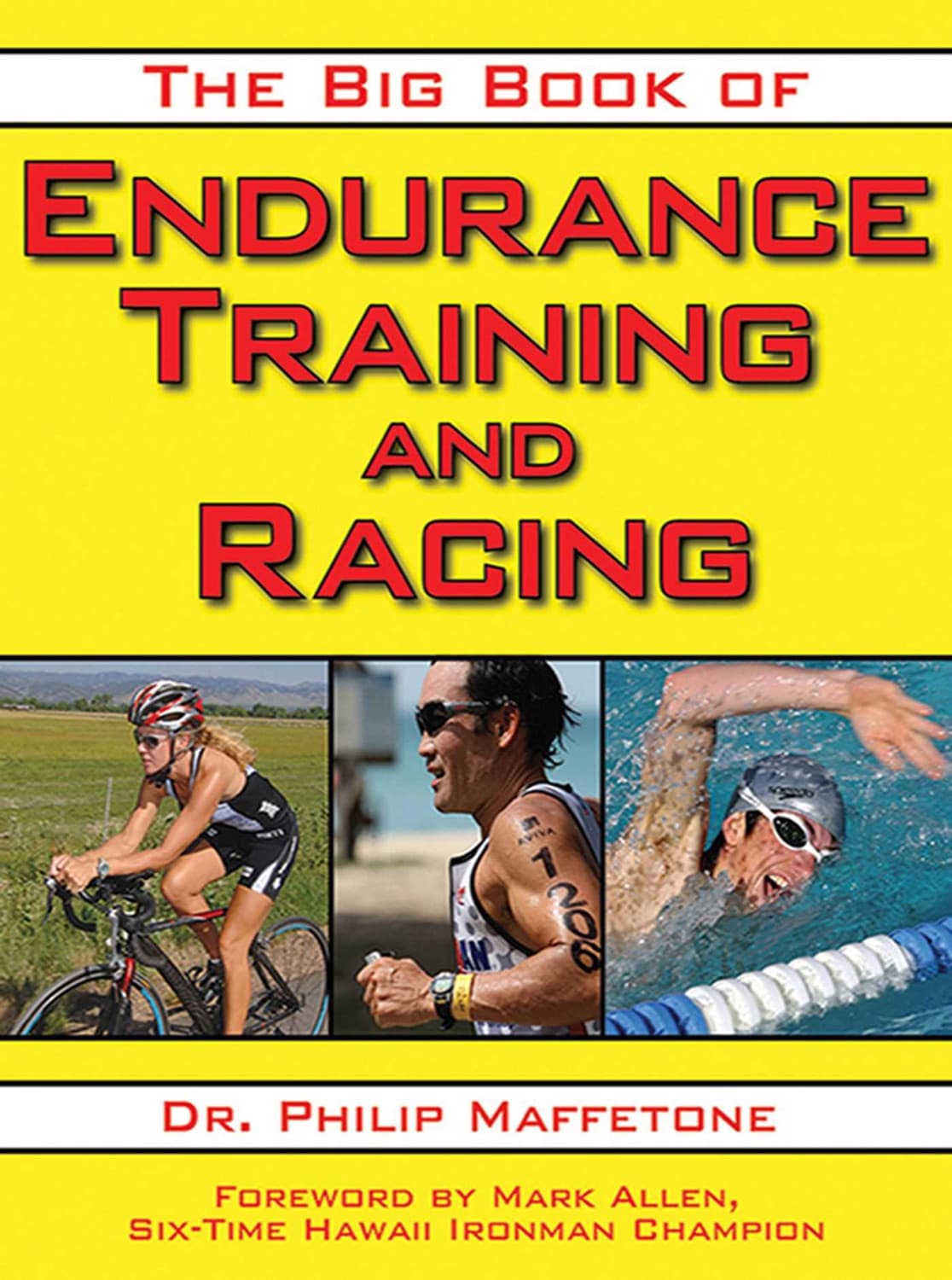
The Big Book of Endurance Training and Racing
Philip Maffetone
Your training intensity becomes measurable by a simple boundary that nudges you toward aerobic fat-burning adaptations.
Use the MAF heart-rate formula to protect aerobic development
Maffetone’s approach emphasizes building the physiological base that underpins endurance by leaning on aerobic metabolism. That makes it a strong match for mitochondrial function interests because it targets the fuel pathways mitochondria depend on most: fats and oxygen use.
Lore of Running
Tim Noakes
Endurance stops being mystery and becomes a physiology problem: how metabolism, fatigue, and oxygen delivery interact minute by minute.
Fatigue is a metabolic and regulatory limit, not just “mindset”
Noakes ties training effects to performance limits through the lens of metabolic demands, which is exactly where mitochondrial function matters. If you want endurance to map to cellular energetics instead of folklore, this is the reference that keeps you honest.
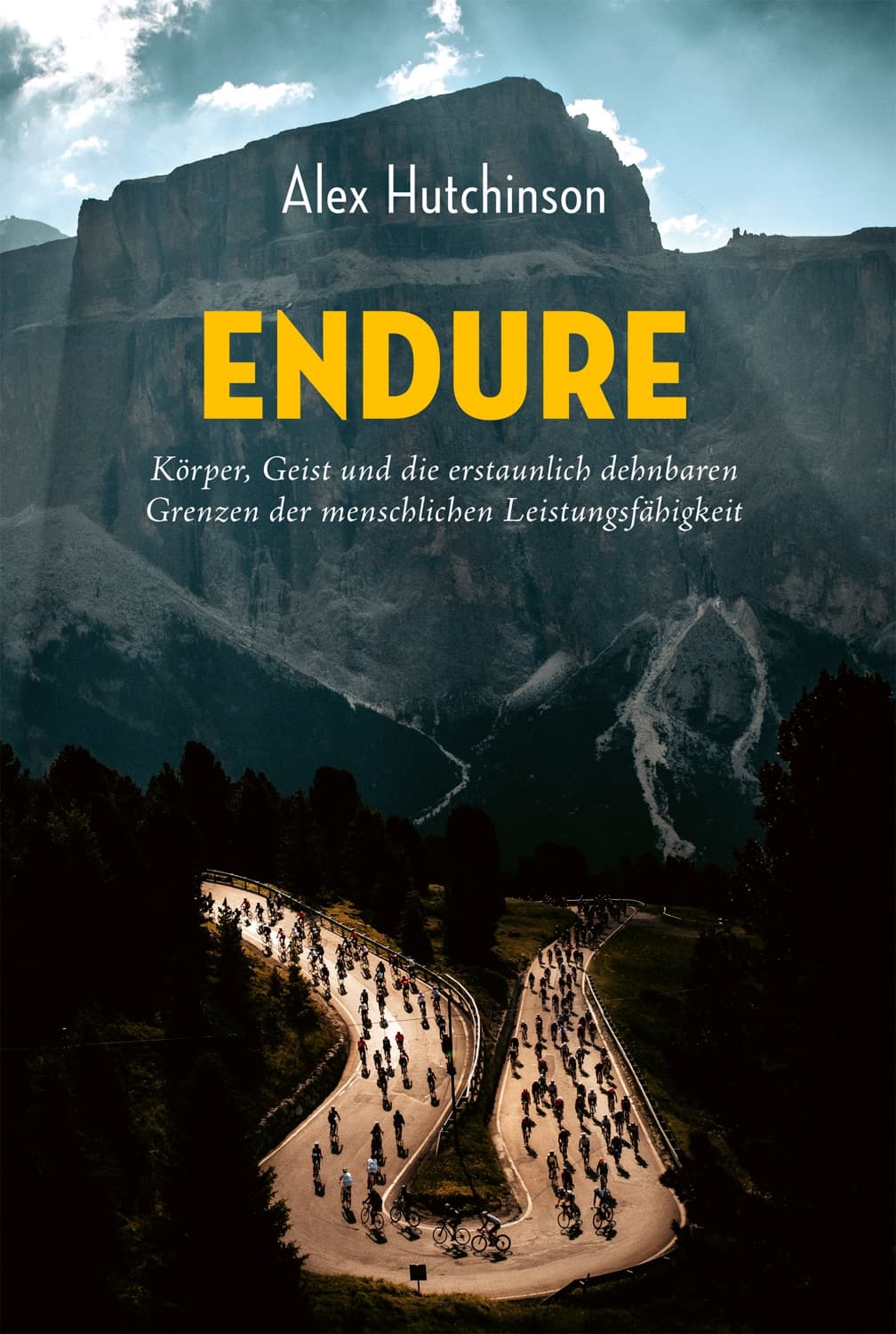
Endure
Alex Hutchinson
You learn to see endurance as a system of limiting factors, not a single trait you either have or don’t.
Endurance improves by changing what limits you
This is a readable synthesis of why endurance breaks down, including the roles of fatigue and energy production mechanisms. It helps mitochondrial-focused readers by turning “mitochondria” from a buzzword into part of the practical explanation for performance and recovery.
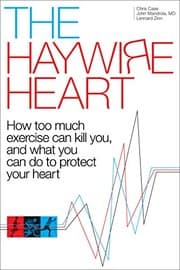
The Haywire Heart
Christopher J. Case, John Mandrola, Lennard Zinn
You stop assuming “healthy training” always equals cardiac benefit, and start thinking in adaptation stress and recovery terms.
Training stress requires recovery to prevent maladaptation
Though centered on the heart, it directly supports endurance goals by examining what extreme training does to metabolic and cardiac systems. That’s relevant to mitochondrial function because the ability to use energy depends on both cellular machinery and the cardiovascular delivery that supports it.
Mitochondria and the Future of Medicine
Lee Know
Mitochondria become a unifying explanation for energy, aging, and disease, not just a biology term.
Mitochondria power cells by controlling energy supply and stress signaling
This book makes cellular energetics accessible, giving you a clearer mental model for what “mitochondrial function” actually means. That model then strengthens how you interpret endurance research, since endurance depends on how efficiently cells convert fuel into usable energy.
Use the MAF heart-rate formula to protect aerobic development
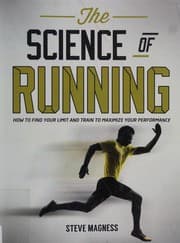
The Science of Running
Steve Magness
You trade generic motivation for measurable adaptation: training is manipulation of physiology, not hope.
Train to specific physiological outcomes, not just “go longer”
Magness bridges evidence, endurance training, and metabolic adaptation with a practical eye. For mitochondrial-focused readers, it helps connect what you do in training to the underlying systems that determine how well you generate energy under load.

Physiology of sport and exercise
Jack H. Wilmore, David Costill, W. Larry Kenney
The energy story becomes rigorous: aerobic metabolism and substrate use get mapped to what your body can sustain.
Aerobic capacity drives sustained energy through oxidative metabolism
As an exercise physiology textbook, it grounds endurance and bioenergetics in clear, testable mechanisms that include mitochondrial-relevant metabolism. If you want the mitochondrial function angle to rest on solid physiology rather than pop science, this is a dependable anchor.
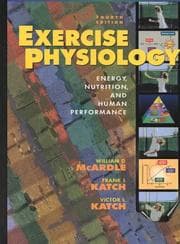
Exercise physiology
William D. McArdle
You stop treating fatigue as a single villain and instead track it to bioenergetic pathways and their constraints.
Oxidative metabolism capacity shapes endurance performance
McArdle’s classic covers bioenergetics and mitochondrial metabolism in a way that strengthens your ability to evaluate training claims. For endurance and mitochondrial function, it turns “better endurance” into a measurable chain: fuel availability, oxygen use, and oxidative capacity.
Can we tailor this list for you?
Type your question in the bar below and the AI will tailor a fresh set of picks just for you.