Best Books on Queer Ecology and Environmental Activism
Queer ecology asks what nature looks like once the assumption that it is straight, tidy, or separate falls away, and it has always run alongside environmental activism. These eight books gather foundational theory and movement writing, from queer and feminist readings of the living world to Indigenous and radical struggles for the land.
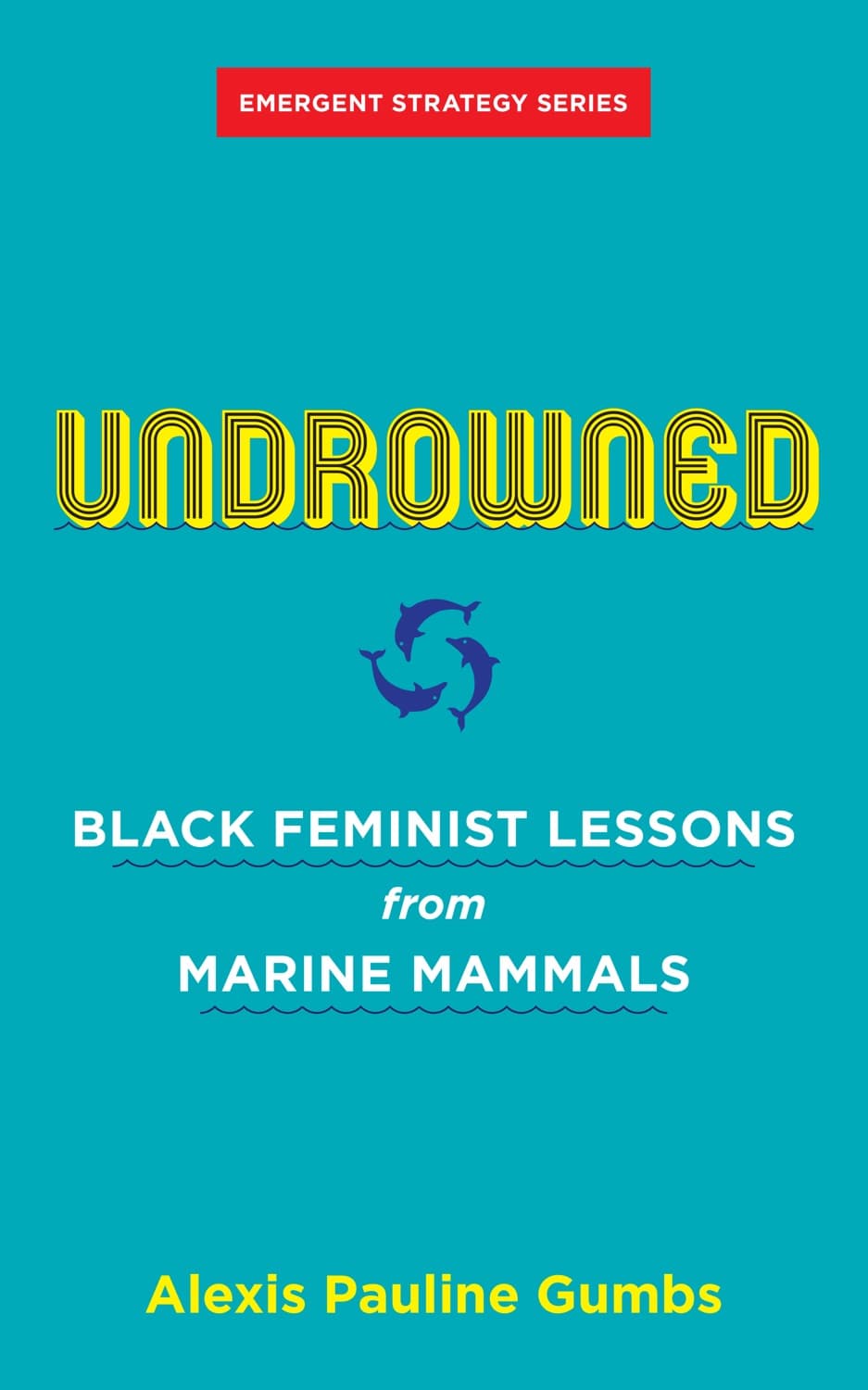
Undrowned
Alexis Pauline Gumbs
What whales, dolphins, and seals can teach us about breathing, refusal, and survival.
Marine mammals returned from land to the sea, a reminder that survival sometimes means unlearning the forms of life we were told were permanent.
Gumbs turns close observation of marine mammals into short, lyrical meditations that fuse Black feminist and queer thought with ecology, making this the most inviting doorway into the field for readers new to the theory.
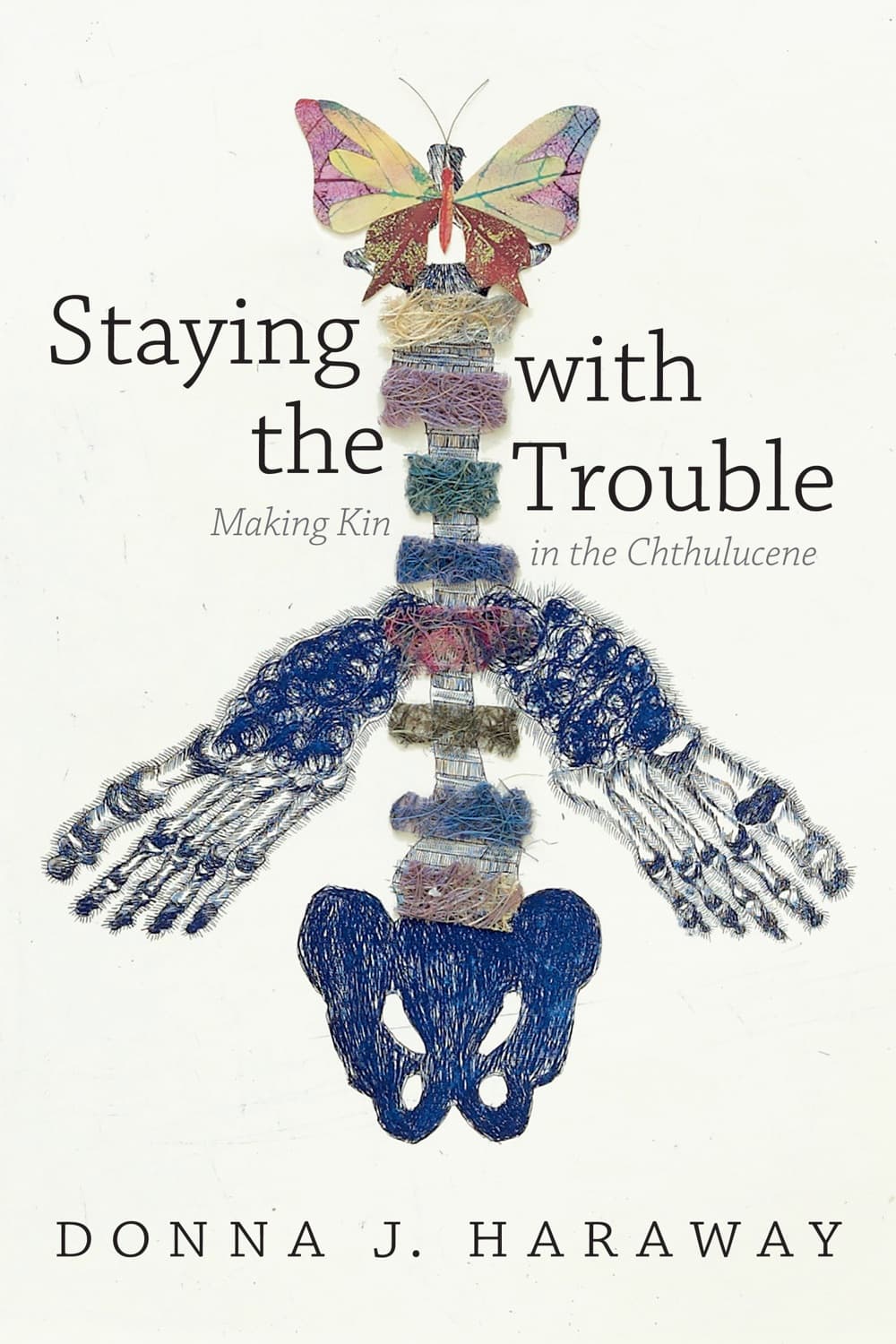
Staying with the Trouble
Donna J. Haraway
Stop dreaming of escape or apocalypse and learn to make kin with the damaged world we have.
Her slogan, make kin not babies, reframes both reproduction and responsibility as questions about which relationships across species we choose to sustain.
Haraway argues that survival on a wrecked planet depends on multispecies alliances rather than human exceptionalism, and her concept of making kin has become central vocabulary for queer and feminist ecological thinking.

A Billion Black Anthropocenes or None
Kathryn Yusoff
The story of the Anthropocene changes completely once you center who was mined, moved, and made disposable.
Treating people as raw material was the original extraction, and the Anthropocene inherited that logic rather than inventing it.
Yusoff shows how geology and race were forged together through slavery and extraction, delivering a short, fierce book that reframes environmental crisis as inseparable from colonial and racial violence.
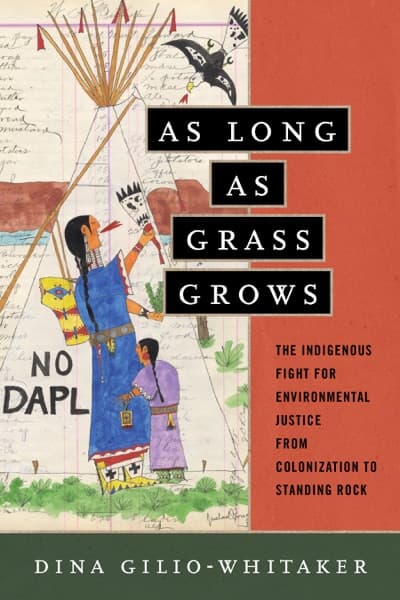
As Long as Grass Grows
Dina Gilio-Whitaker
From Standing Rock backward through centuries, a history of Indigenous environmental resistance.
Environmental justice for Indigenous nations is inseparable from sovereignty, because protecting the land means first having the right to govern it.
Gilio-Whitaker traces the long arc of Native-led environmental struggle in North America and argues it offers a model of justice that mainstream environmentalism has repeatedly overlooked, grounding the activism side of this shelf.
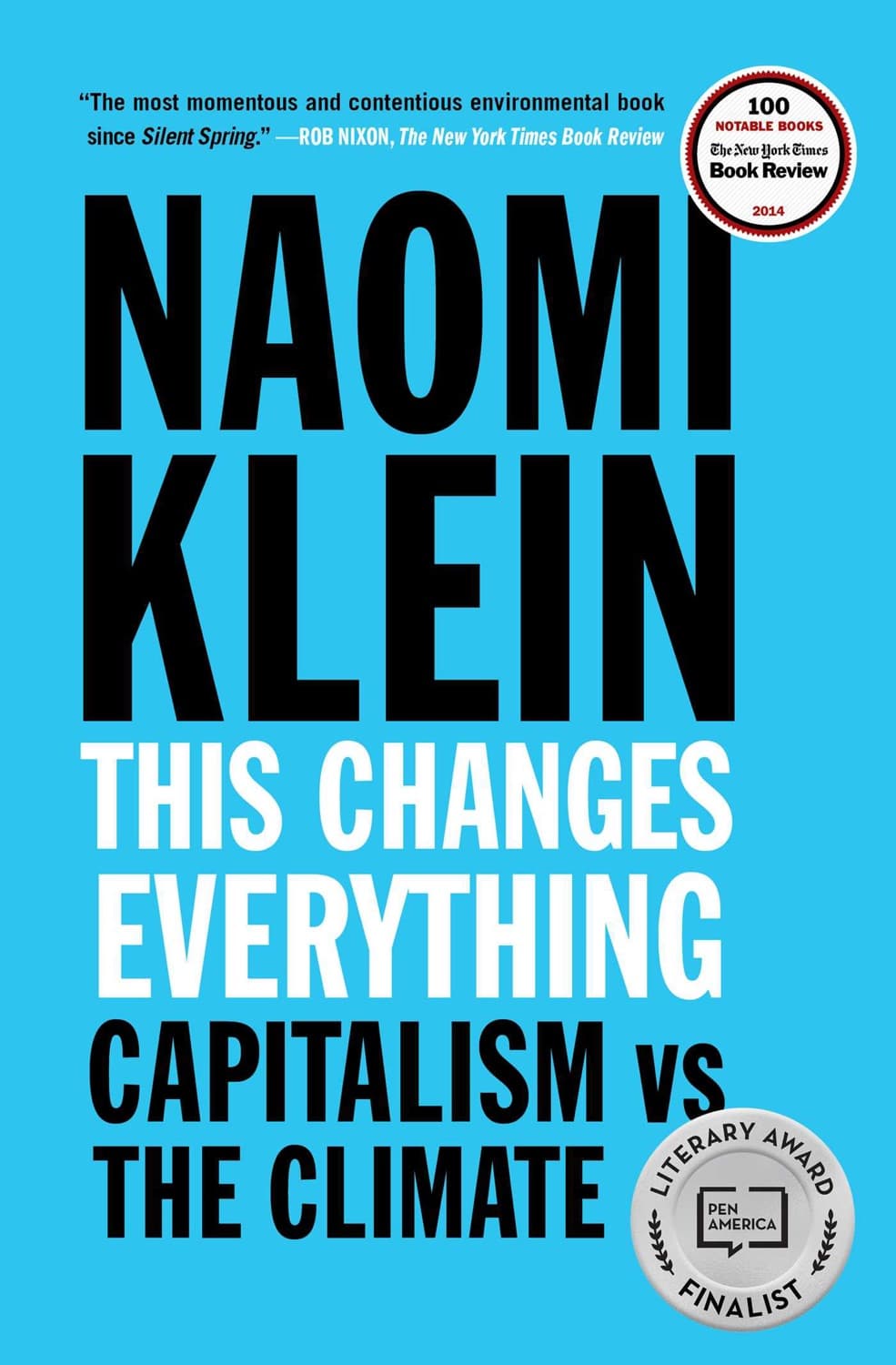
This Changes Everything
Naomi Klein
The climate crisis is not a pollution problem to tune, Klein argues, but a fight over the economy itself.
The forces heating the planet are the same ones that resist any real limit on profit, which is why the climate fight is ultimately a fight about power.
Klein connects climate breakdown to unfettered capitalism and profiles the frontline movements resisting extraction worldwide, making this the most widely read bridge between environmental theory and organized activism.

How to Blow Up a Pipeline
Andreas Malm
A provocation asking why a movement facing catastrophe has stayed so committed to property that cannot be harmed.
Nearly every historic movement paired mass nonviolence with a militant flank, and climate activism may be unusual in refusing itself one.
Malm challenges the climate movement's attachment to strict nonviolence and argues for sabotage against fossil infrastructure, sharpening the strategic debate that any serious environmental activist eventually has to confront.
Can we tailor this list for you?
Type your question in the bar below and the AI will tailor a fresh set of picks just for you.