Best Books on Clinical Trials & Peptide Drug Discovery
Clinical trials and peptide drug discovery meet at the design decisions: Design Clinical Research and Piantadosi’s Clinical trials give trial rigor, while peptide-focused texts like Peptide Therapeutics ground candidate development and translational reality.
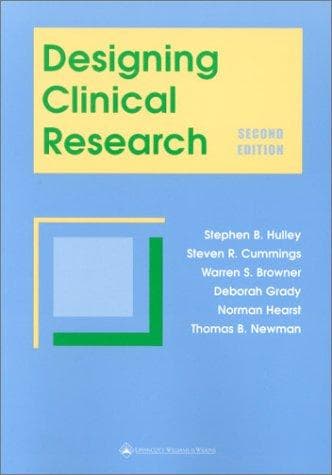
Designing Clinical Research
Stephen B. Hulley, Steven R. Cummings, Warren S. Browner, Deborah G. Grady, Thomas B. Newman
Finish with a clearer sense of what can actually be tested, and how to structure decisions so the data answer the question you meant to ask.
Build a trial around estimands, not vibes.
It turns clinical trial design into an explicit chain of choices from objectives to endpoints and analysis planning. For peptide drug discovery, that matters because early candidate promise often hinges on trial design that translates biology into measurable clinical signals.
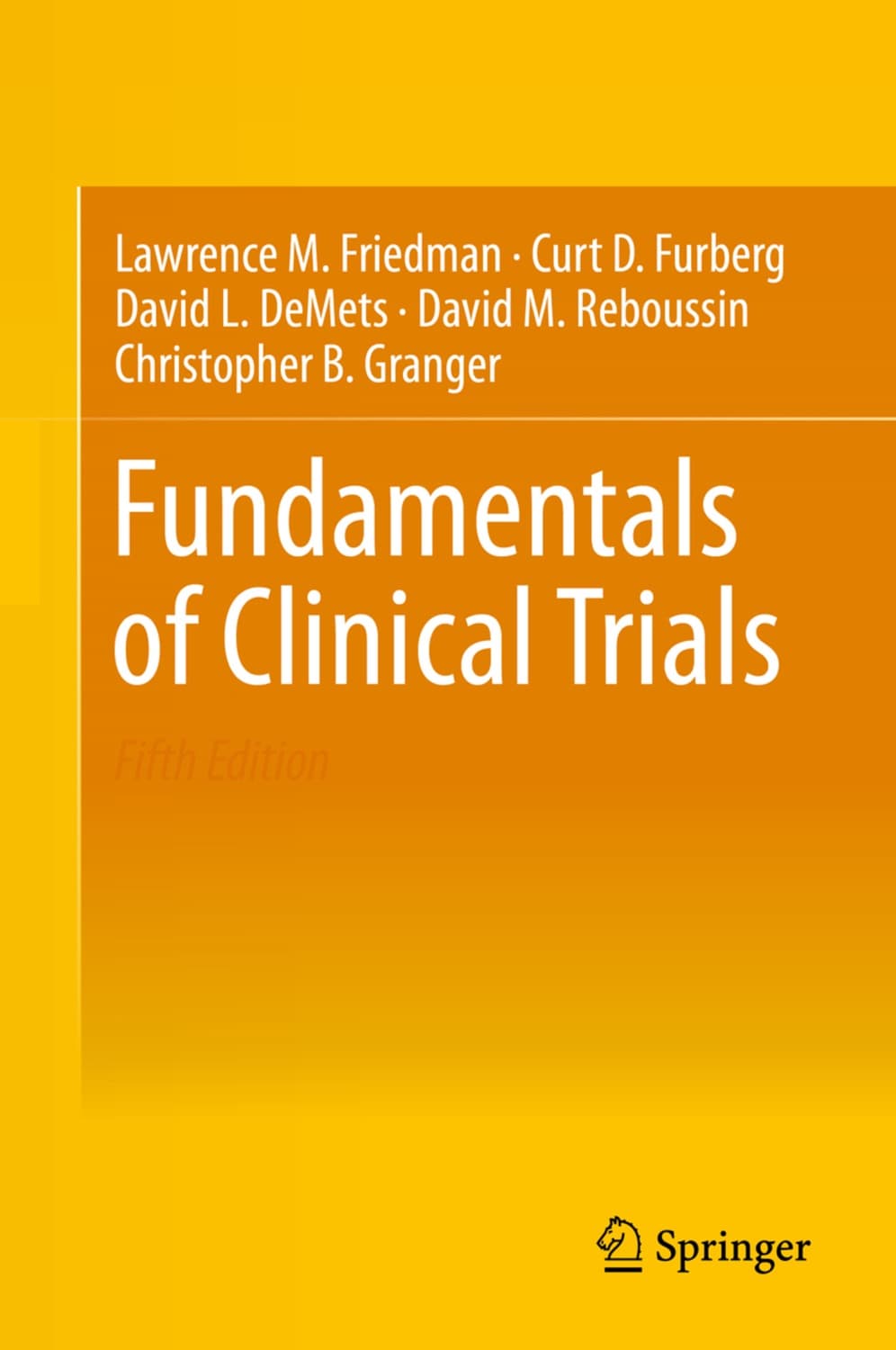
Fundamentals of Clinical Trials
Lawrence M. Friedman, Curt D. Furberg, David L. DeMets
You end up treating randomization, blinding, and analysis as connected tools, not separate chapters to memorize.
Randomization is your primary defense against bias.
This text focuses on the fundamentals of randomized trials and how core design features protect inference. That foundation helps when peptide programs face typical constraints like dose selection uncertainty and endpoints that must meaningfully reflect mechanism.
Clinical trials
Steven Piantadosi
The lens shifts from “what happened” to “what the study was designed to conclude,” including what you can and cannot infer.
Interpret effects relative to the estimand you designed.
Piantadosi’s emphasis on rigorous planning and interpretation makes it hard to be sloppy about causality and evidence strength. For peptide therapeutics, it supports better alignment between preclinical mechanism and the statistical story the trial can responsibly tell.
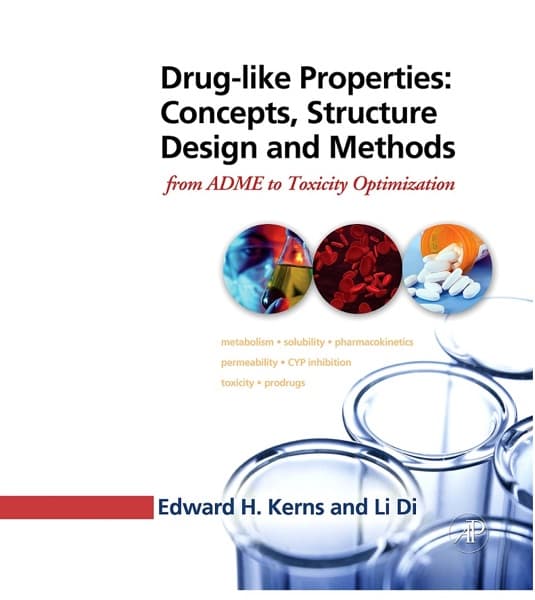
Drug-like Properties: Concepts, Structure Design and Methods
Li Di, Edward H Kerns
Expect a practical shift toward designing molecules by property constraints early, not rescuing issues later with excuses.
Property constraints belong in lead optimization.
While not peptide-only, it gives a structured way to reason about properties that govern developability. That is directly useful for peptide drug discovery because peptide candidates repeatedly face constraints around stability, absorption, distribution, and overall drug-like behavior.
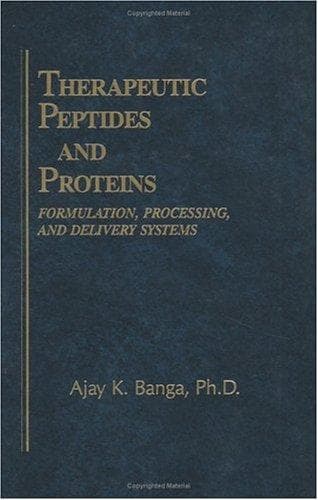
Therapeutic peptides and proteins
Ajay K. Banga
You start thinking like a formulator and developer: stability, delivery, and usability become design inputs, not afterthoughts.
Delivery choices control exposure more than you expect.
Banga’s focus on therapeutic peptides and proteins centers on formulation and delivery challenges that often determine exposure and tolerability. That matters for clinical trials because the trial’s performance depends on the product’s behavior in the real world.
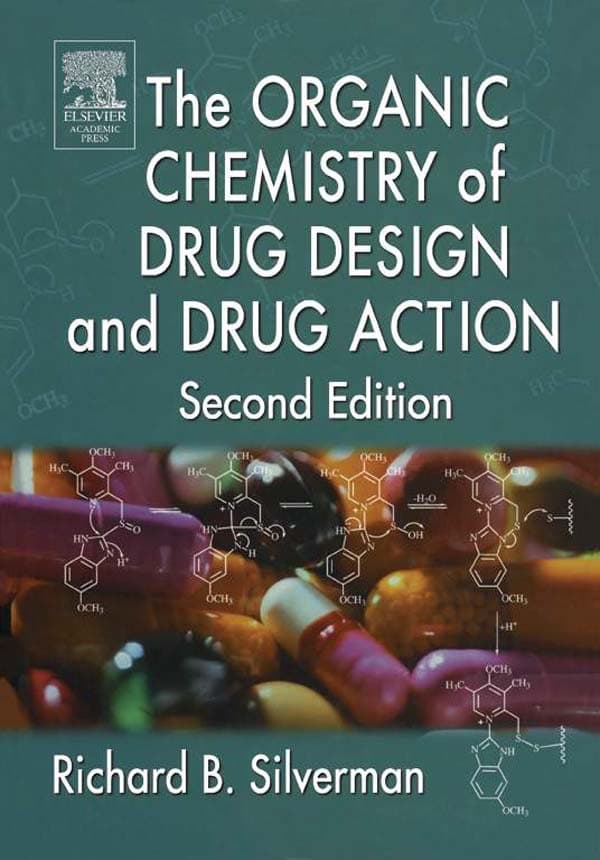
The Organic Chemistry of Drug Design and Drug Action
Richard B. Silverman
Mechanism becomes actionable: you connect chemical structure to biological effect with a problem-solving mindset.
Structure-activity is a hypothesis you must test.
This is a medicinal-chemistry foundation for reasoning through drug design decisions and the logic behind structure-activity thinking. For peptide programs, it helps you articulate and refine structure-function relationships so the clinical rationale stays coherent.
Randomization is your primary defense against bias.
An introduction to medicinal chemistry
Graham L. Patrick, William S. Davis, T.M. Rajkumar
The complexity of drug discovery becomes navigable through a clear mental map of mechanisms and design logic.
Medicinal chemistry is mechanism plus design constraints.
As an accessible medicinal chemistry entry point, it strengthens the baseline vocabulary and reasoning behind lead discovery and optimization. That support is useful for peptide drug discovery, where translating binding and mechanism into a developable candidate requires cross-disciplinary clarity.
Principles and Practice of Clinical Research
John I. Gallin
The work trains you to see clinical research as an evidence-production system with specific responsibilities at every stage.
Research quality is built across the whole process.
Gallin covers the breadth of clinical research methods, helping you understand how studies are executed and interpreted beyond trial statistics alone. For peptide drug discovery, it supports better planning when safety, endpoints, and operational realities determine whether the biology shows up clinically.
Can we tailor this list for you?
Type your question in the bar below and the AI will tailor a fresh set of picks just for you.