Best Books on Tissue Repair & Injury Recovery
From tissue repair to injury recovery, these classics and sports-medicine staples by Brukner, Magee, and Kisner build the same skill: matching diagnosis to rehab loading so you get back to function with fewer guesses.

High-Performance Training for Sports
David Joyce, Daniel Lewindon
Finishing High-Performance Training for Sports reshapes recovery into a measurable training system: load, adaptation, and return-to-play decisions live on the same framework.
Treat recovery as controlled training load, not downtime.
It translates injury recovery into training principles you can apply to real schedules, not just clinic notes. That matters for tissue repair because it pushes you to manage dosage, timing, and risk as part of one continuum.
Brukner & Khan's Clinical Sports Medicine
Karim Khan, Peter Brukner
Brukner & Khan’s Clinical Sports Medicine changes how you read an injury: mechanism first, then repair strategy, then a staged return to activity.
Injury mechanism drives the rehab strategy.
It connects what caused the injury to how clinicians decide what to restore. For tissue repair and recovery, that helps you avoid generic rehab and instead build a plan from likely pathology and risk factors.
Orthopedic Physical Assessment
David J. Magee, BPT, PhD, CM
Orthopedic Physical Assessment shifts recovery from guesswork to diagnosis-by-signs: assessment findings dictate what to repair and what to train next.
Assessment findings determine the rehab target.
It supports a staged rehabilitation mindset by grounding decisions in objective physical assessment. That matters for tissue repair because the “what” and “why” of deficits become clear enough to guide exercise and progression.

Running rewired
Jay Dicharry
Running rewired changes recovery by treating injury as a loading and technique problem, so tissue repair is supported by how your stride produces forces.
Fix the mechanics that generate excessive load.
It connects movement patterns to injury risk and recovery demands, emphasizing how to adjust mechanics alongside rehab. For tissue repair and injury recovery, that approach helps you reduce re-injury by aligning tissue loading with improved control.
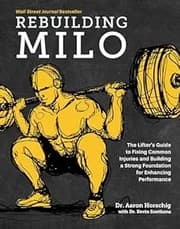
Rebuilding Milo
Aaron Horschig
Rebuilding Milo makes recovery actionable through targeted corrective work: mobility, stability, and strength drills that reduce pain flare-ups and improve capacity.
Corrective stability work supports resilient tissue under load.
It translates rehab into specific exercise patterns aimed at common sources of breakdown and lingering symptoms. For tissue repair, it supports gradual, repeatable loading through practical corrective exercises.
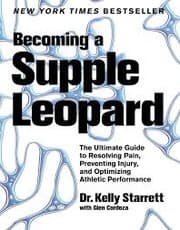
Becoming a Supple Leopard 2nd Edition
Kelly Starrett, Glen Cordoza
Becoming a Supple Leopard reshapes recovery into daily tissue care: mobility and mechanics improve so joints and tissues tolerate training better.
Mobility work supports safer training tissue loading.
It focuses on mobility and mechanics that can reduce stress concentrations during rehab. For injury recovery, that matters because tissue repair doesn’t happen in isolation: movement quality influences how forces hit healing structures.
Injury mechanism drives the rehab strategy.
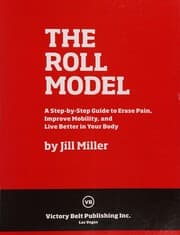
The roll model
Jill Miller
The roll model turns self-care into a structured recovery practice by using focused myofascial release to change how tissues feel and move.
Target tight areas with consistent rolling technique.
It offers accessible methods for improving comfort and mobility, which can support rehab adherence and symptom management. For tissue repair and recovery, it complements more clinical loading plans by addressing soft-tissue restrictions that affect movement.
Can we tailor this list for you?
Type your question in the bar below and the AI will tailor a fresh set of picks just for you.