Best Books on Prediction Markets: Forecasting, Odds, and Edge
Prediction markets turn opinions into prices. On Polymarket and Kalshi, contracts that pay out on real events trade at a price that reads as a live probability, and a sharper read than the crowd profits from the gap. Making money is not about strong opinions. It is about calibration, bet sizing, and knowing when the crowd is wrong.
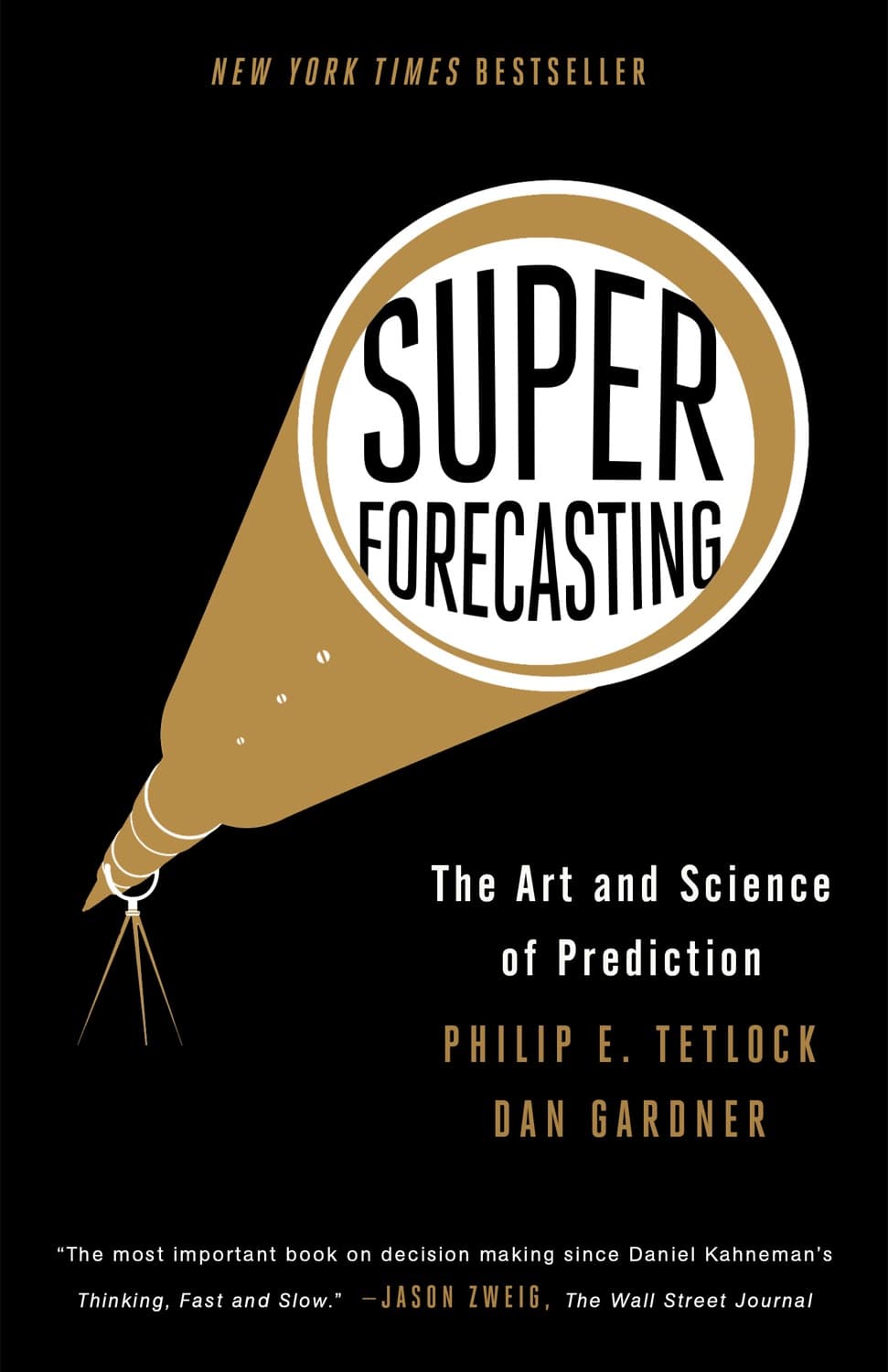
Superforecasting
Philip E. Tetlock, Dan Gardner, Santiago Foz (argentino)
The research project that found ordinary people who out-predict intelligence analysts.
Assign probabilities in fine gradations and update them often; the edge comes from being 63 percent sure when the crowd rounds off to 'likely.'
Tetlock's Good Judgment Project proved forecasting is a trainable skill, and it details the exact habits, granular probability estimates, frequent updates, and breaking questions into parts, that separate superforecasters from pundits. For a prediction-market trader, this is the calibration manual.
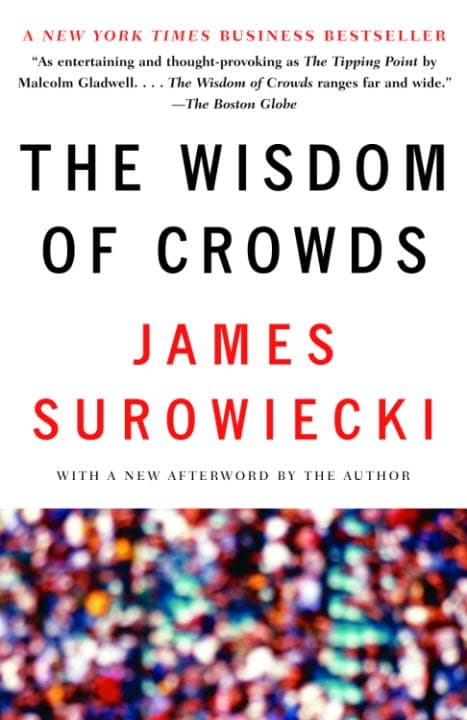
The Wisdom of Crowds:Why the Many Are Smarter Than the Few and How Collective Wisdom Shapes Business, Economies, Societies and Nations
James Surowiecki
Why a diverse crowd's average guess beats almost every expert in the room.
A crowd is only wise when its members decide independently; once traders start copying each other, the price stops being information and becomes a bubble.
Surowiecki explains the exact conditions, diversity, independence, and a way to aggregate, under which a market's price becomes smarter than any single trader, which is precisely what a prediction market is engineered to exploit.
On the Edge
Nate Silver
A field guide to the risk-taking subculture where gamblers, traders, and forecasters live.
Every profitable bet needs a specific answer to one question: who is the person paying you, and why are they wrong?
Silver maps 'the River,' the world of poker players, sports bettors, and crypto traders who think in expected value, and he gives real attention to prediction markets themselves, how they price, where they misprice, and who is on the other side of your bet.
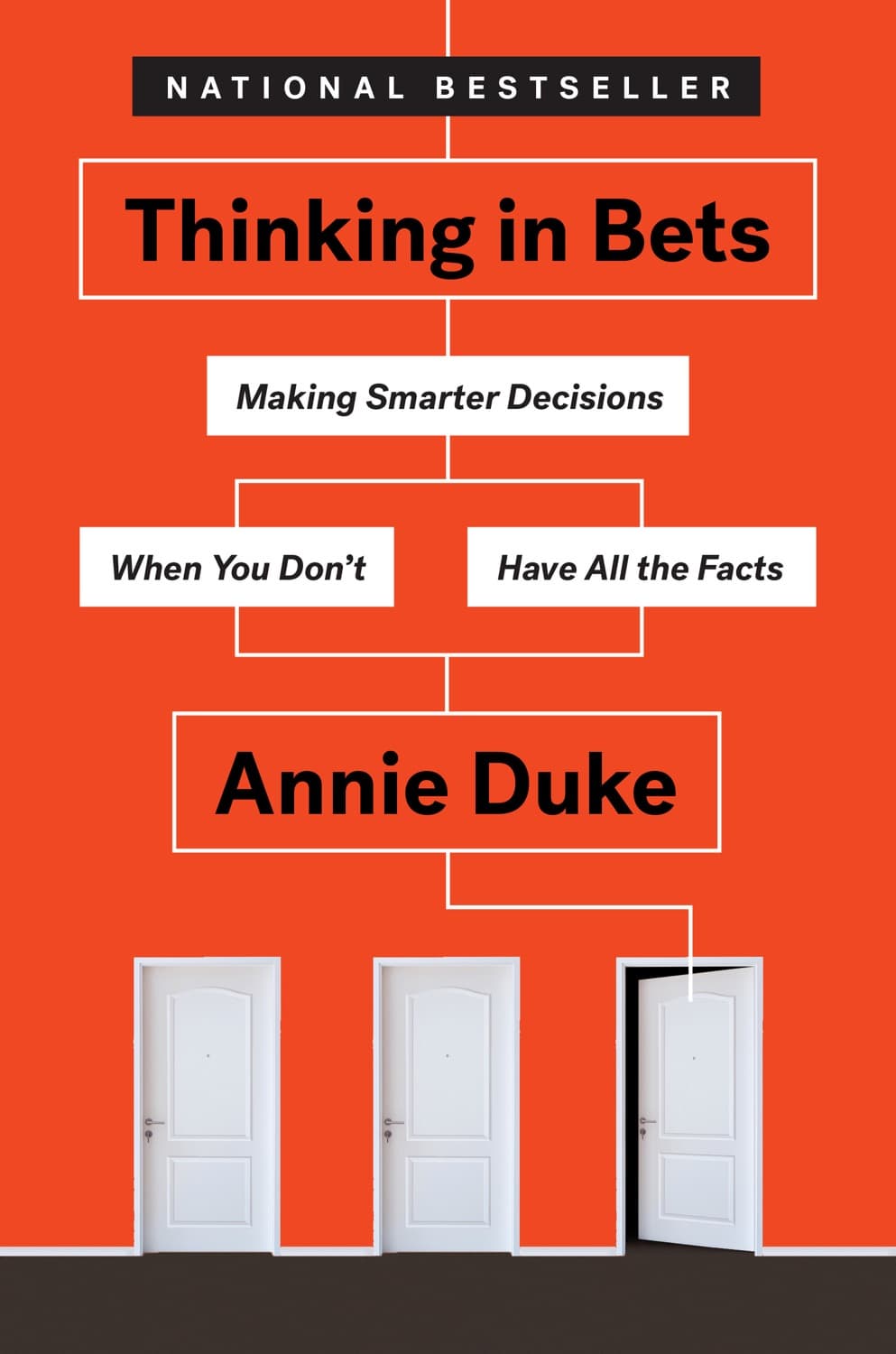
Thinking in bets
Annie Duke
A world-champion poker player on deciding well when you cannot know the outcome.
Judge your bets by the quality of the reasoning at the moment you placed them, not by whether that one outcome happened to land.
Duke reframes every choice as a bet under uncertainty and teaches you to separate decision quality from results, the resulting trap, so a losing position taken at good odds does not knock you off a sound strategy.
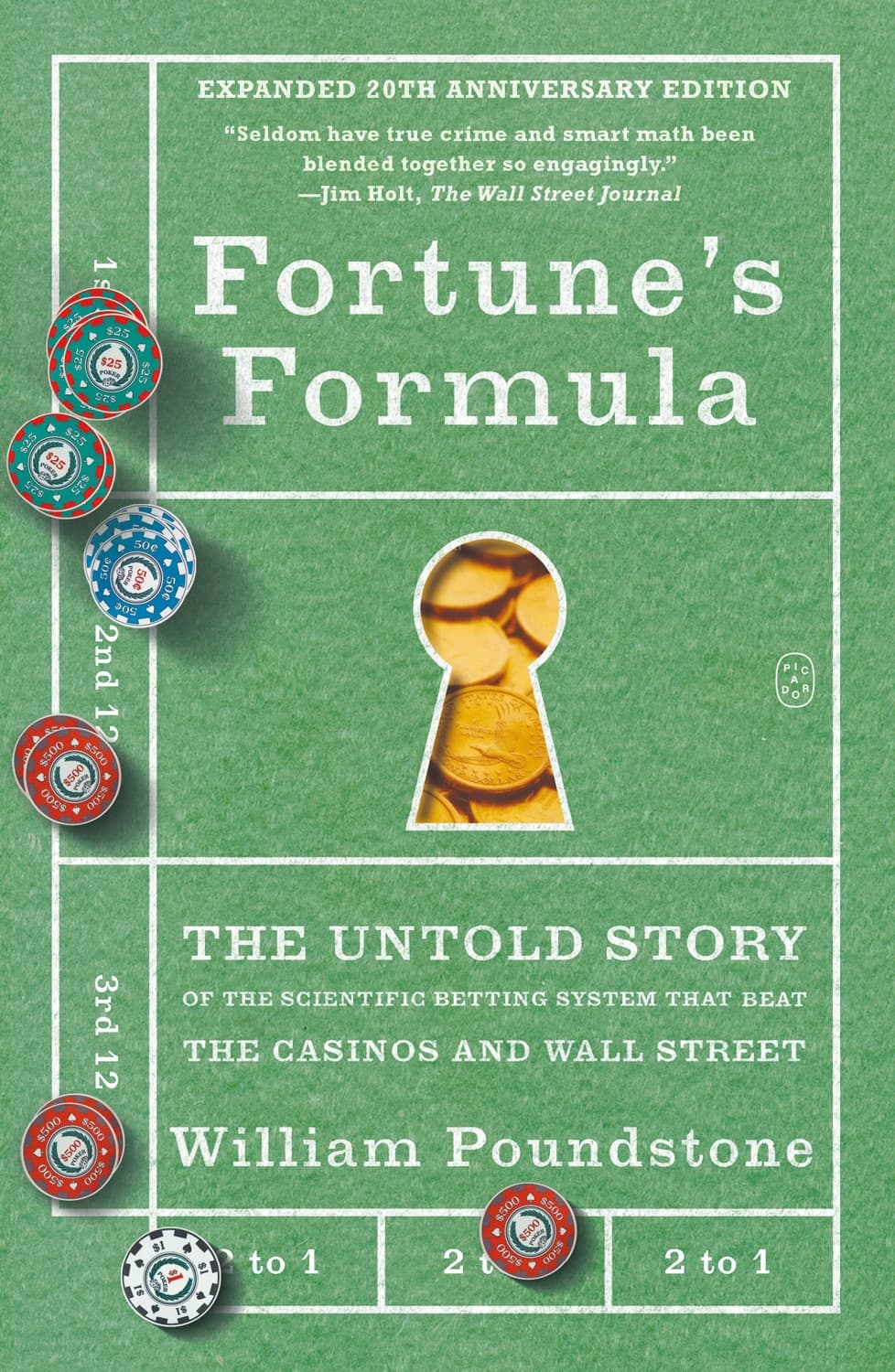
Fortune's Formula
William Poundstone
The Kelly criterion, and the physicists and mobsters who used it to beat the odds.
Bet too big and variance wipes you out; the Kelly formula sizes each wager to your real edge so the bankroll compounds instead of busting.
Poundstone tells the story of the bet-sizing formula that maximizes long-run growth without risking ruin, tracing it from Bell Labs to Las Vegas to Wall Street, and it answers the question most bettors ignore: not what to bet on, but how much.
The Success Equation
Michael J. Mauboussin
How to tell whether a result came from skill or dumb luck.
The more luck governs an outcome, the more you should trust the base rate and distrust the compelling narrative in front of you.
Mauboussin gives you tools to place any activity on the luck-skill continuum and to weight base rates against the inside story, which is exactly the discipline that stops a prediction-market trader from mistaking a lucky streak for an edge.
A crowd is only wise when its members decide independently; once traders start copying each other, the price stops being information and becomes a bubble.
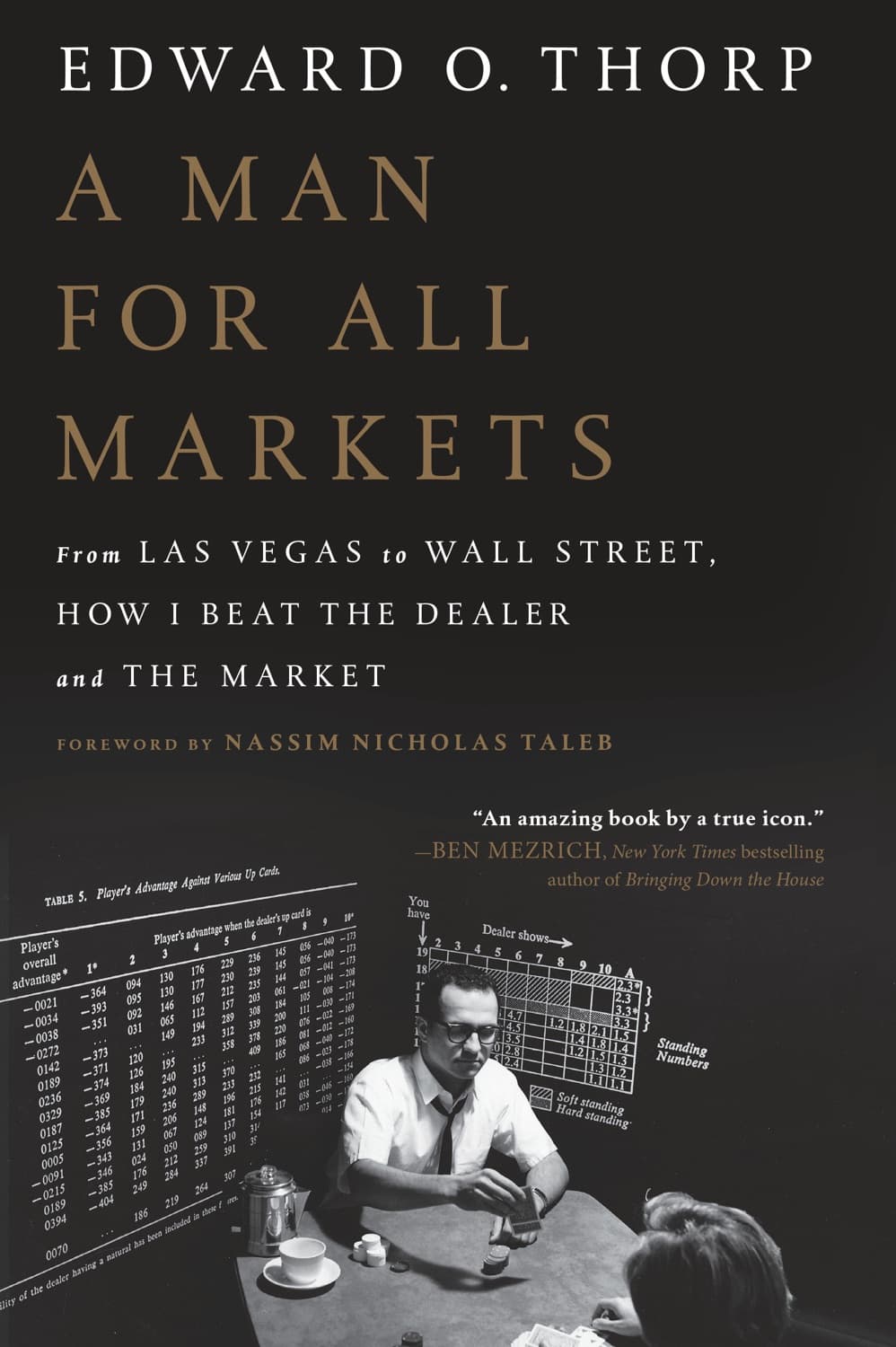
A man for all markets
Edward O. Thorp
The mathematician who beat blackjack, then beat Wall Street.
Find a real, measurable edge, exploit it with disciplined sizing, and walk away the moment the edge disappears.
Thorp's memoir traces how he found and exploited a measurable edge first at the card table and then in the markets, and it doubles as a masterclass in treating every opportunity as a probability problem to be sized and pressed.
Can we tailor this list for you?
Type your question in the bar below and the AI will tailor a fresh set of picks just for you.