Best Books for Actuaries
Actuaries live in the space between probability theory and real world consequence. These books explore risk, randomness, and forecasting through history, markets, and human judgment, sharpening intuitions that formulas alone cannot teach.
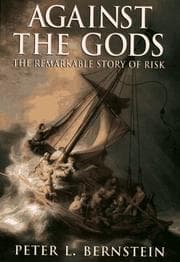
Against the gods
Peter L. Bernstein
The definitive history of how humanity learned to measure risk.
Risk management is a relatively recent invention, only a few centuries old, and its history explains why so many risk models still fail at the extremes.
Bernstein traces probability theory from ancient gambling to modern insurance and finance, showing actuaries exactly where their discipline came from and why it matters.
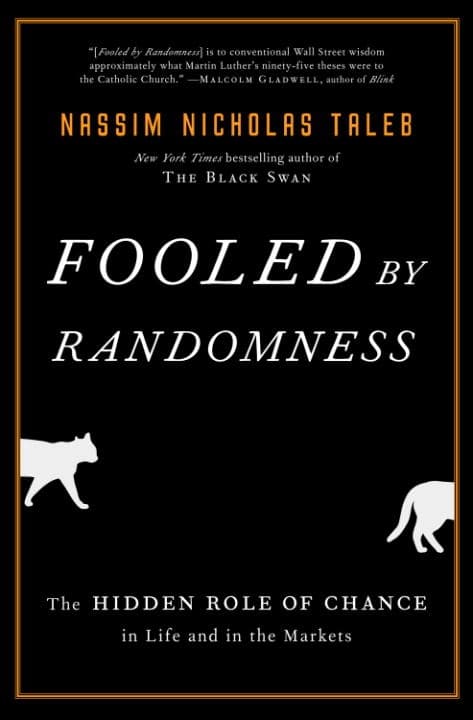
Fooled by randomness
Nassim Nicholas Taleb
A sharp warning against mistaking luck for skill.
Survivorship bias quietly inflates the track record of every successful forecaster, including the ones whose models you might be tempted to trust.
Taleb dissects how professionals, including those pricing risk for a living, routinely confuse randomness with causation, a bias actuaries must guard against daily.
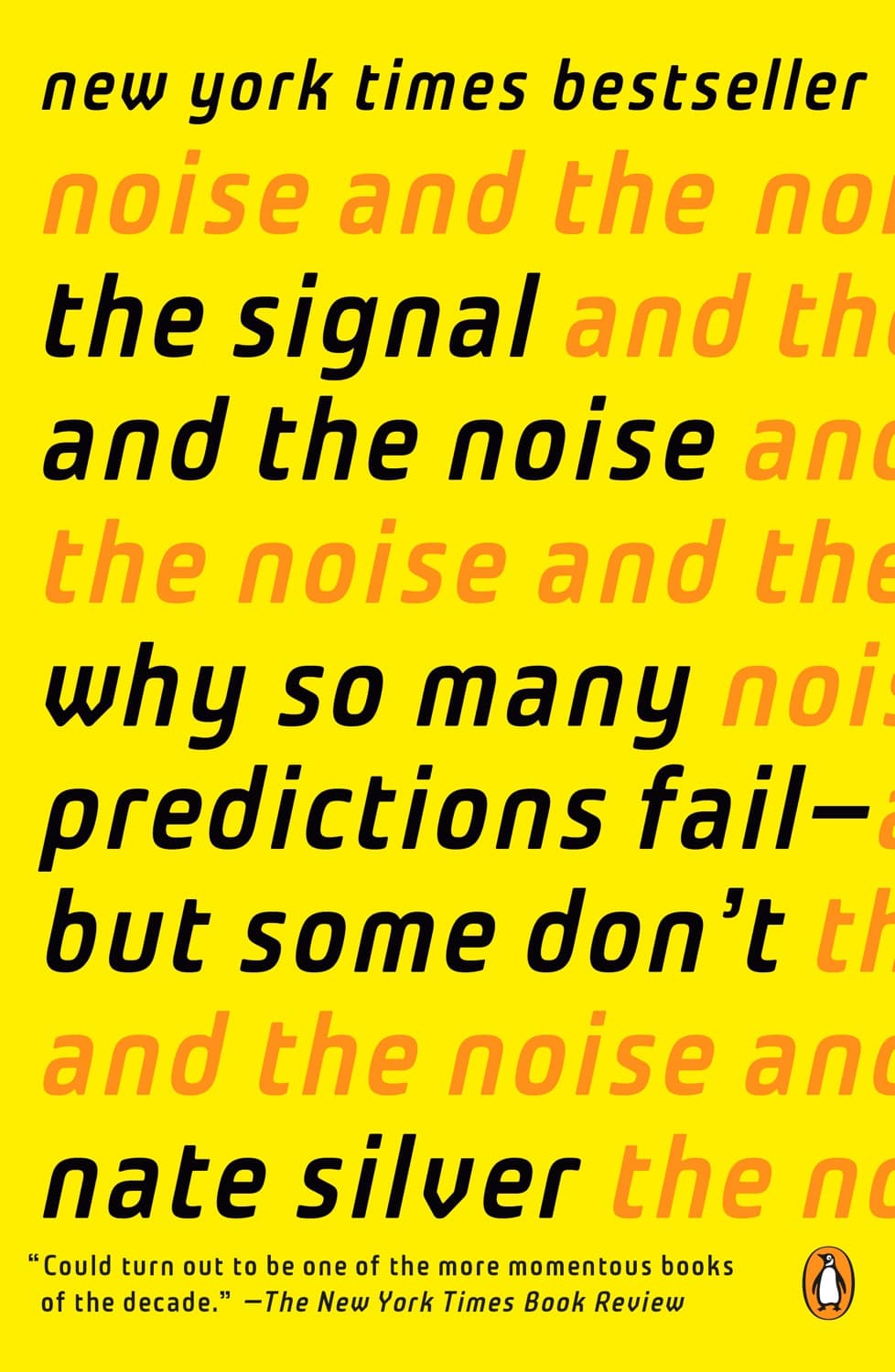
The Signal and the Noise
Nate Silver
A field guide to why most predictions fail.
Good forecasters think in probabilities and update constantly, rather than defending a single confident prediction once it is made.
Silver walks through weather, elections, and finance to show which forecasting methods actually work, offering a practical companion to any actuary building predictive models.
The Drunkard's Walk
Leonard Mlodinow
How randomness shapes outcomes we credit to skill.
Small sample sizes create the illusion of patterns, a trap that shows up constantly in claims data and mortality tables alike.
Mlodinow explains the mathematics of chance in plain language, connecting coin flips to insurance payouts and showing how randomness drives outcomes actuaries model every day.
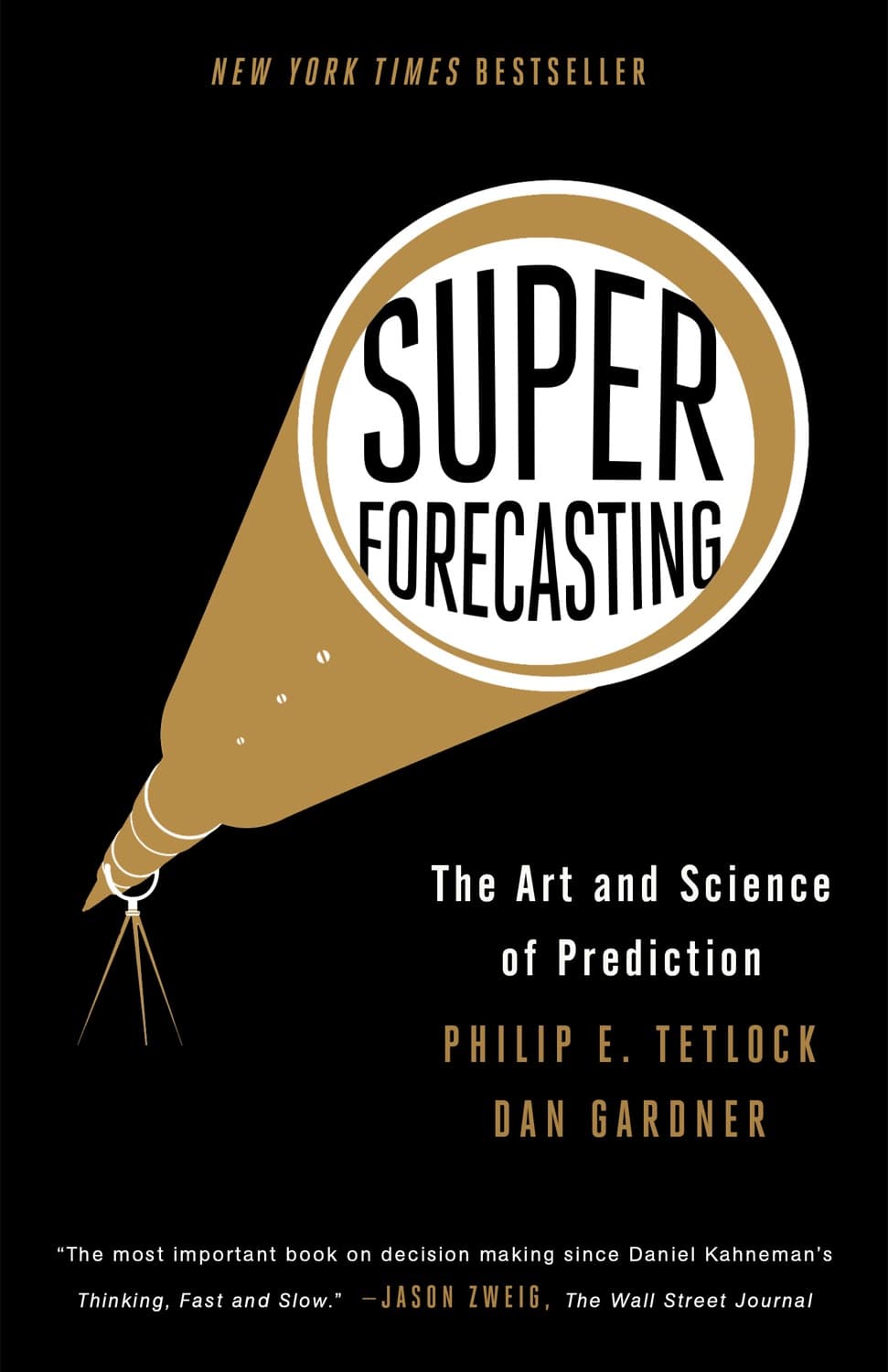
Superforecasting
Philip E. Tetlock, Dan Gardner, Santiago Foz (argentino)
What separates accurate forecasters from everyone else.
The best forecasters express uncertainty in specific percentages, like 63 percent, rather than vague terms like likely or probable.
Tetlock and Gardner's research on elite forecasters identifies specific habits of mind, from granular probability estimates to constant revision, directly transferable to actuarial judgment.
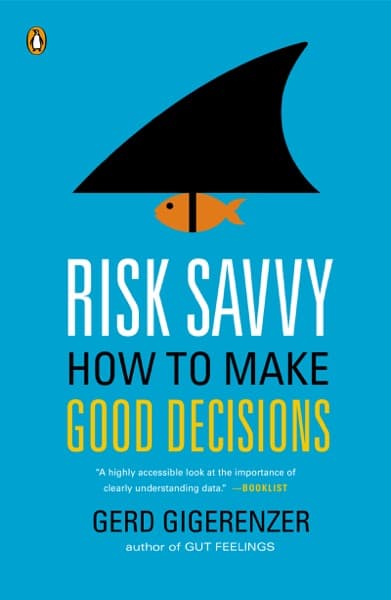
Risk Savvy
Gerd Gigerenzer
A case for plain statistical thinking over complex models.
Presenting risk as natural frequencies, such as 10 out of 1,000, instead of percentages dramatically improves how people, including professionals, understand it.
Gigerenzer argues that simple rules of thumb often outperform complicated risk models, a provocative counterpoint every actuary should weigh against their own toolkit.
Survivorship bias quietly inflates the track record of every successful forecaster, including the ones whose models you might be tempted to trust.
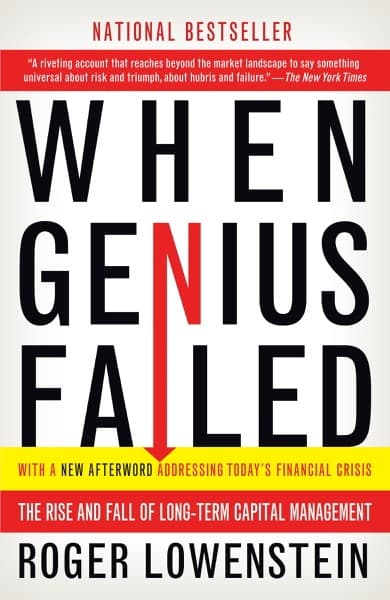
When Genius Failed
Roger Lowenstein, Roger Lowenstein
The cautionary tale behind a legendary hedge fund's collapse.
Correlation between markets can vanish precisely when a portfolio needs it most, the moment a crisis hits and every asset starts moving together.
Lowenstein recounts how Nobel laureates and elite quants built models so confident in their own math that they nearly broke the global financial system.
Chances Are . . .
Michael Kaplan, Ellen Kaplan
A tour of probability's reach into everyday life.
Many everyday intuitions about chance, like the gambler's fallacy, are wrong in ways that mirror mistakes actuaries are specifically trained to avoid.
The Kaplans survey how probability quietly governs medicine, gambling, and insurance, giving actuaries a broader cultural context for the numbers they work with daily.
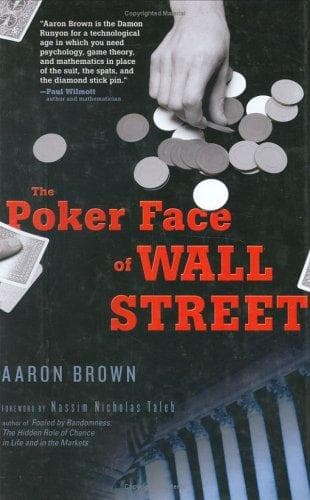
The Poker Face of Wall Street
Aaron Brown
A risk manager's case for treating markets like a poker table.
Position sizing under uncertainty, the same discipline a poker player uses to manage a stack, is often more important than the accuracy of the underlying probability estimate.
Aaron Brown, a professional risk manager and gambler, connects poker strategy to quantitative finance, offering a rare firsthand view of risk judgment under real pressure.
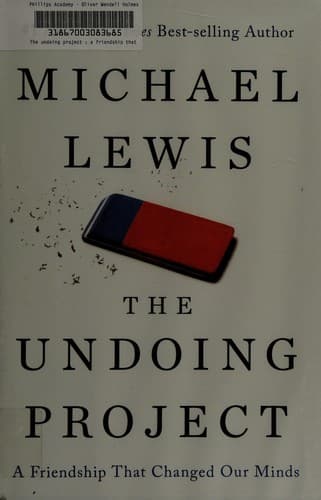
The undoing project
Michael Lewis, Dennis Boutsikaris, Michael Lewis
The story behind the psychology of judgment under uncertainty.
People systematically misjudge probability using mental shortcuts like availability and representativeness, biases that can creep into professional risk assessments too.
Lewis chronicles the collaboration between Daniel Kahneman and Amos Tversky, whose research on cognitive bias underpins much of how actuaries now think about risk and judgment.
Can we tailor this list for you?
Type your question in the bar below and the AI will tailor a fresh set of picks just for you.