Best Books on Cryptography for Security Engineers
Cryptography for security engineers calls for both proofs and implementation instincts. Aumasson’s Serious Cryptography (2nd ed) and Katz and Lindell’s Introduction to Modern Cryptography give you that dual lens, with engineering reality baked in.
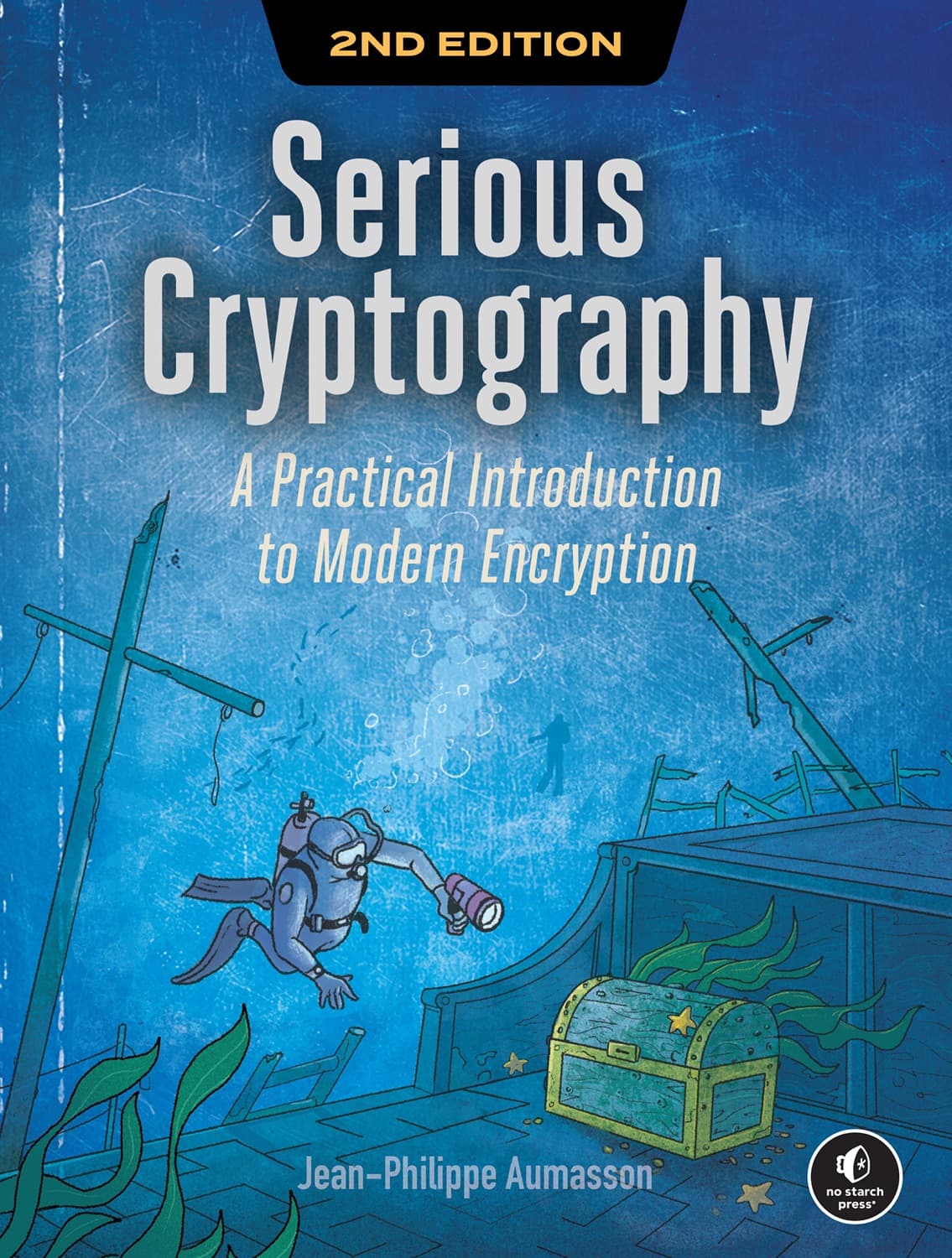
Serious Cryptography, 2nd Edition
Jean-Philippe Aumasson
You finish with a practical mental checklist for real protocols: what to verify, what to avoid, and which attacks still work when “the math” looks fine.
Threat models break constructions, not just ciphers.
This book builds cryptography as engineering practice: primitives, constructions, and the kinds of mistakes that turn secure designs into vulnerable implementations. It fits security engineers who need confident selection and deployment decisions, not just theory.
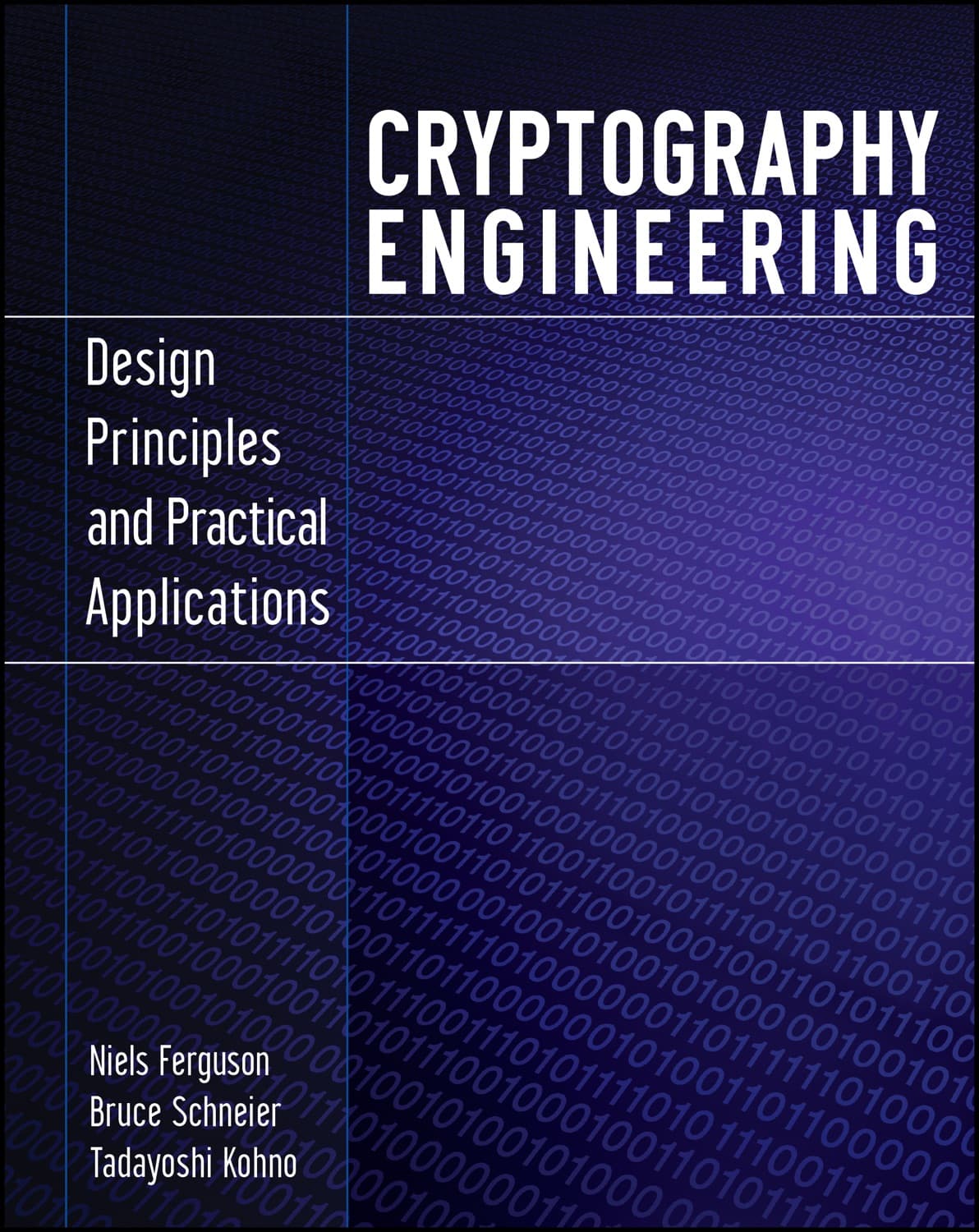
Cryptography engineering
Niels Ferguson, Bruce Schneier, Tadayoshi Kohno
You start thinking like an engineer choosing trade-offs, because the book treats cryptography as something systems integrate, measure, and get wrong in specific ways.
Security is integration plus correctness, not a single algorithm.
It focuses on designing and deploying practical cryptographic systems, with an emphasis on engineering constraints and operational realities. That makes it a strong companion when you are translating security requirements into usable designs.
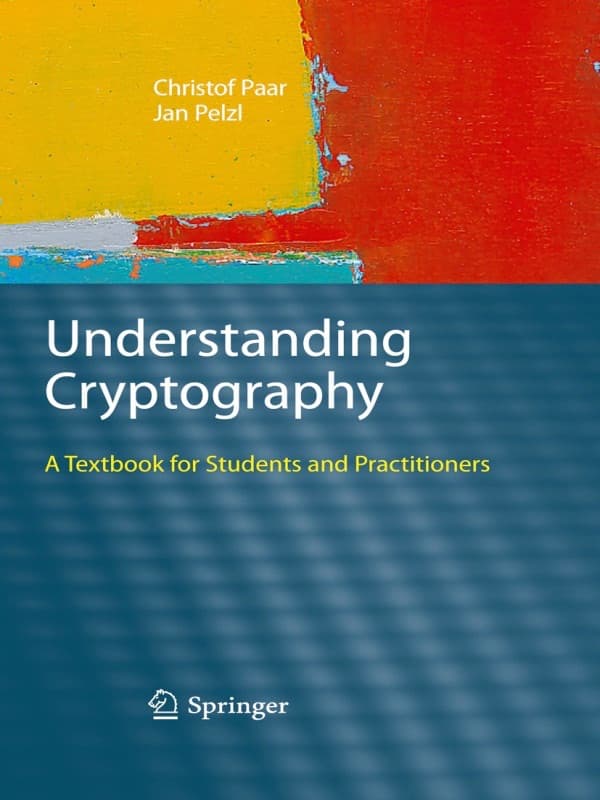
Understanding Cryptography
Bart Preneel, Christof Paar, Jan Pelzl
After this, you can map an attack’s mechanics to the exact primitive or assumption that fails, instead of memorizing protocol folklore.
Learn to ask: which assumption did the attack exploit.
This is an engineering-oriented introduction that emphasizes primitives, protocols, and how attacks arise. For security engineers, that clarity shortens the gap between “I recognize the name” and “I can reason about the failure mode.”
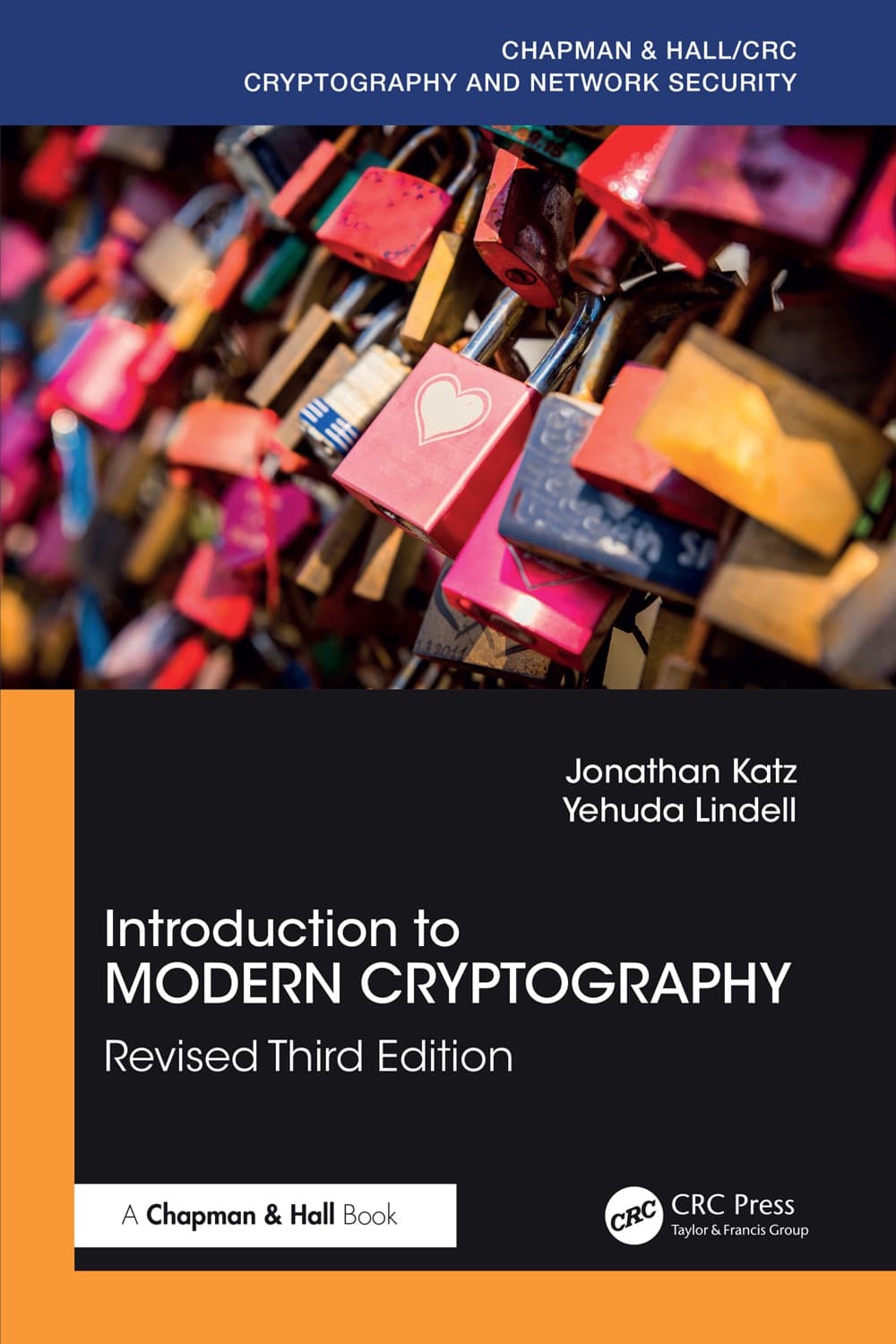
Introduction to Modern Cryptography
Jonathan Katz, Yehuda Lindell
You gain a clean way to define what security means and then prove it, so “secure” stops being a claim and becomes a property.
A definition tells you what you must prove.
The book formalizes security definitions and proofs for modern cryptography, which is ideal when you need rigor for design reviews and specification writing. If you work on high-assurance systems, this helps you reason about guarantees rather than rely on intuition.
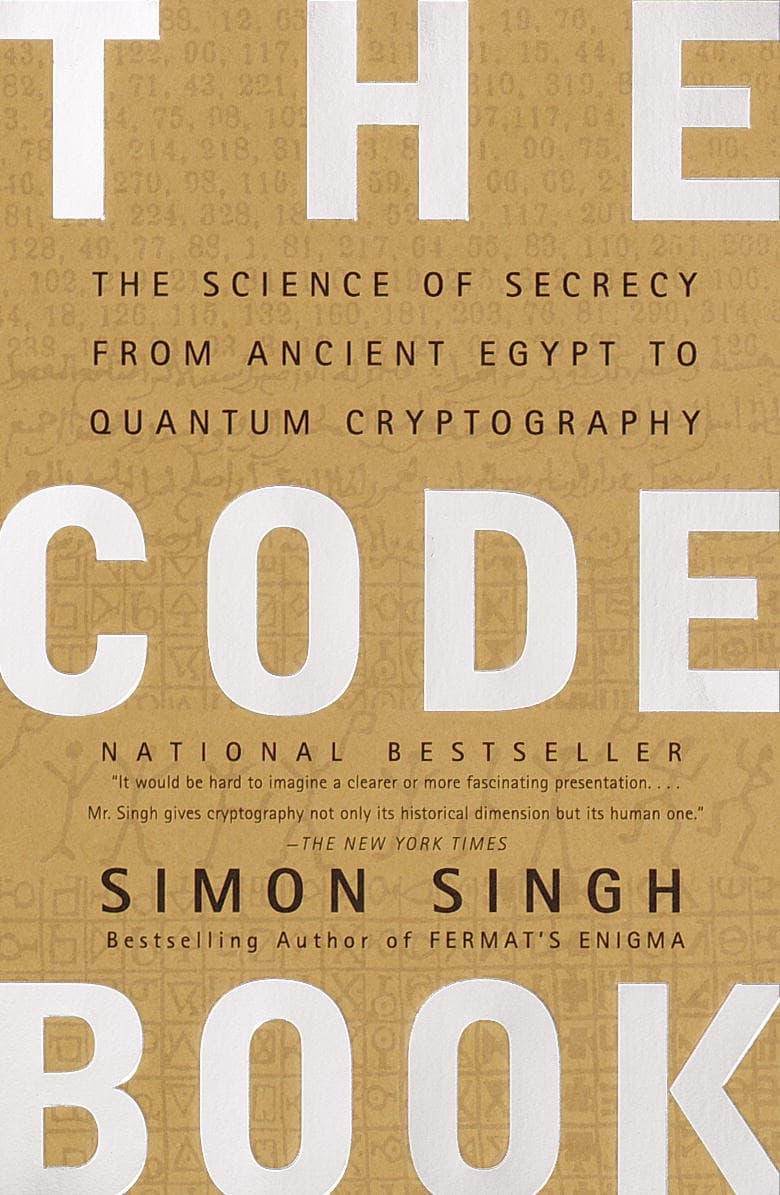
The Code Book
Simon Singh
Cryptography stops feeling like magic because you see how classic codes evolved into today’s public-key world under real-world pressure.
Big advances track real communication needs.
This is a readable historical entry point that gives context before you dive into engineering-heavy primitives and attacks. It supports security engineers who want the “why it looks this way” story behind modern cryptography.
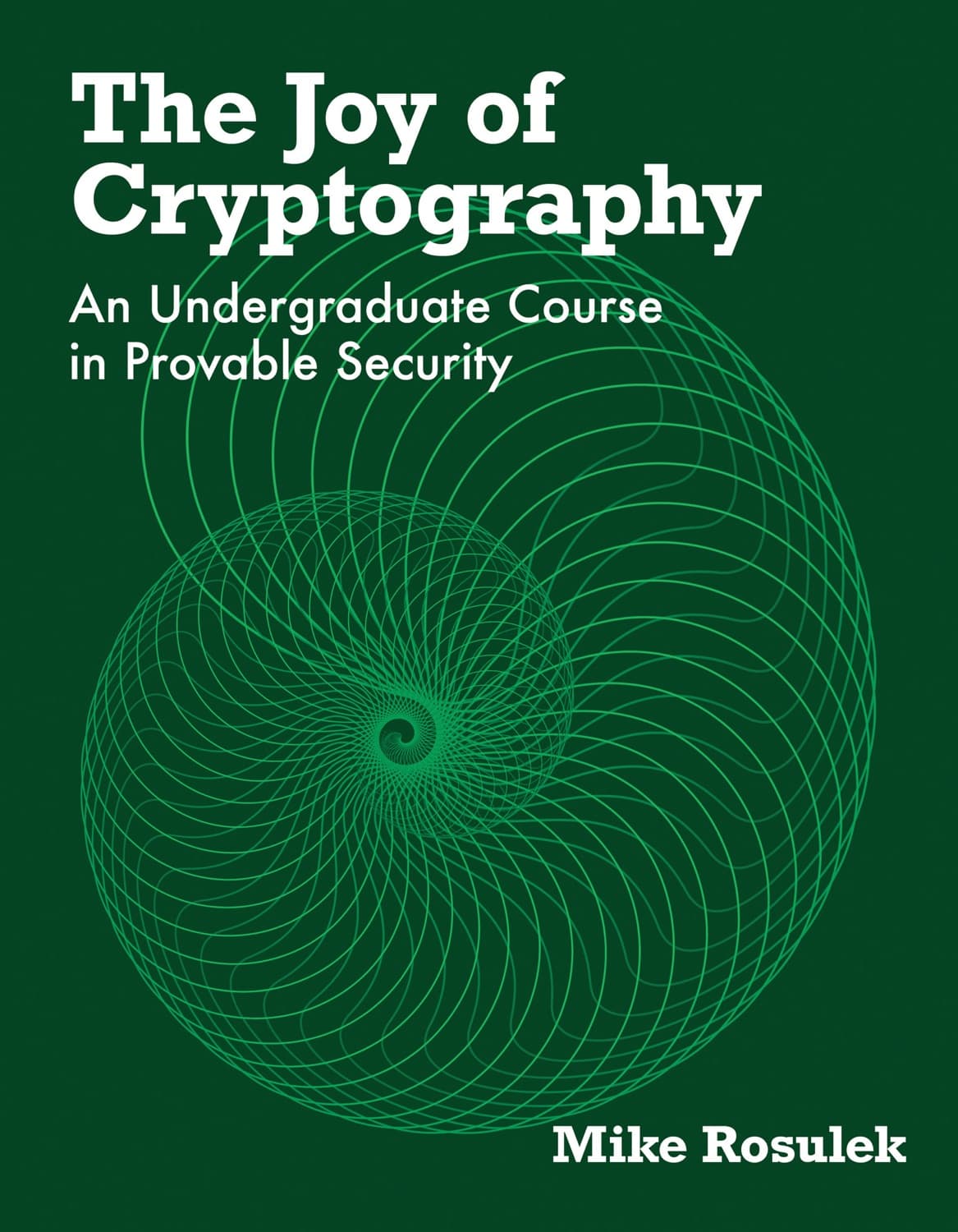
The Joy of Cryptography
Mike Rosulek
You get modern cryptography intuition paired with formal thinking, so the leap from “clever idea” to “security argument” feels navigable.
Intuition plus definitions prevents hand-wavy security.
This approachable textbook bridges intuition and formal security, making core concepts easier to retain and apply. It suits security engineers who want to deepen understanding without immediately sinking into purely formal material.
Security is integration plus correctness, not a single algorithm.
Security Engineering
Ross J. Anderson
You learn to predict where security breaks: not at the cipher, but at the system boundaries, incentives, and assumptions around it.
Most security failures are engineering and economics, not math.
This is a canonical system-security perspective showing where cryptography helps and where it fails. For security engineers, it prevents “crypto-only” thinking and gives you a framework for integrating cryptography into broader security practice.
Can we tailor this list for you?
Type your question in the bar below and the AI will tailor a fresh set of picks just for you.