Best Books for AI Engineers
AI engineering spans theory, infrastructure, and production practice. This shelf covers the foundational math, the deployment patterns, and one book most engineers skip that changes how they think about the systems they build.
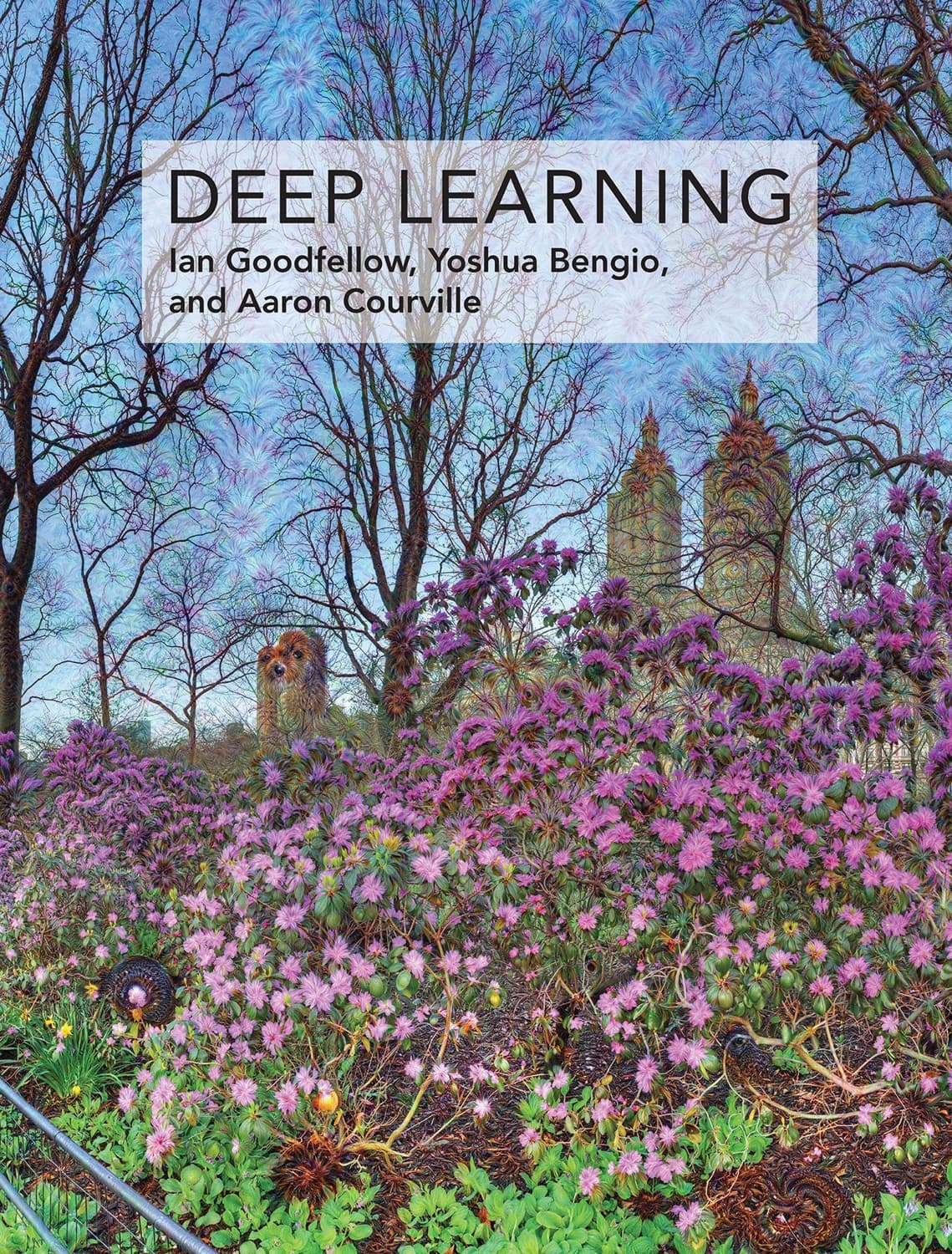
Deep Learning
Ian Goodfellow, Yoshua Bengio, Aaron Courville
The textbook that trained a generation of ML engineers.
The chapter on optimization explains why saddle points, not local minima, are the real obstacle in high dimensional neural network training.
Written by three researchers who helped define the modern deep learning era, it derives the math behind backpropagation, regularization, and optimization from first principles rather than treating frameworks as black boxes.
Designing Machine Learning Systems
Chip Huyen
Moves the conversation from model accuracy to system reliability.
Huyen's argument that most ML systems fail from data problems, not model problems, reframes where engineers should spend their debugging time.
Chip Huyen draws on her experience building ML platforms at Nvidia, Snorkel, and Netflix to walk through data drift, feature stores, and monitoring in a way most model focused books never touch.
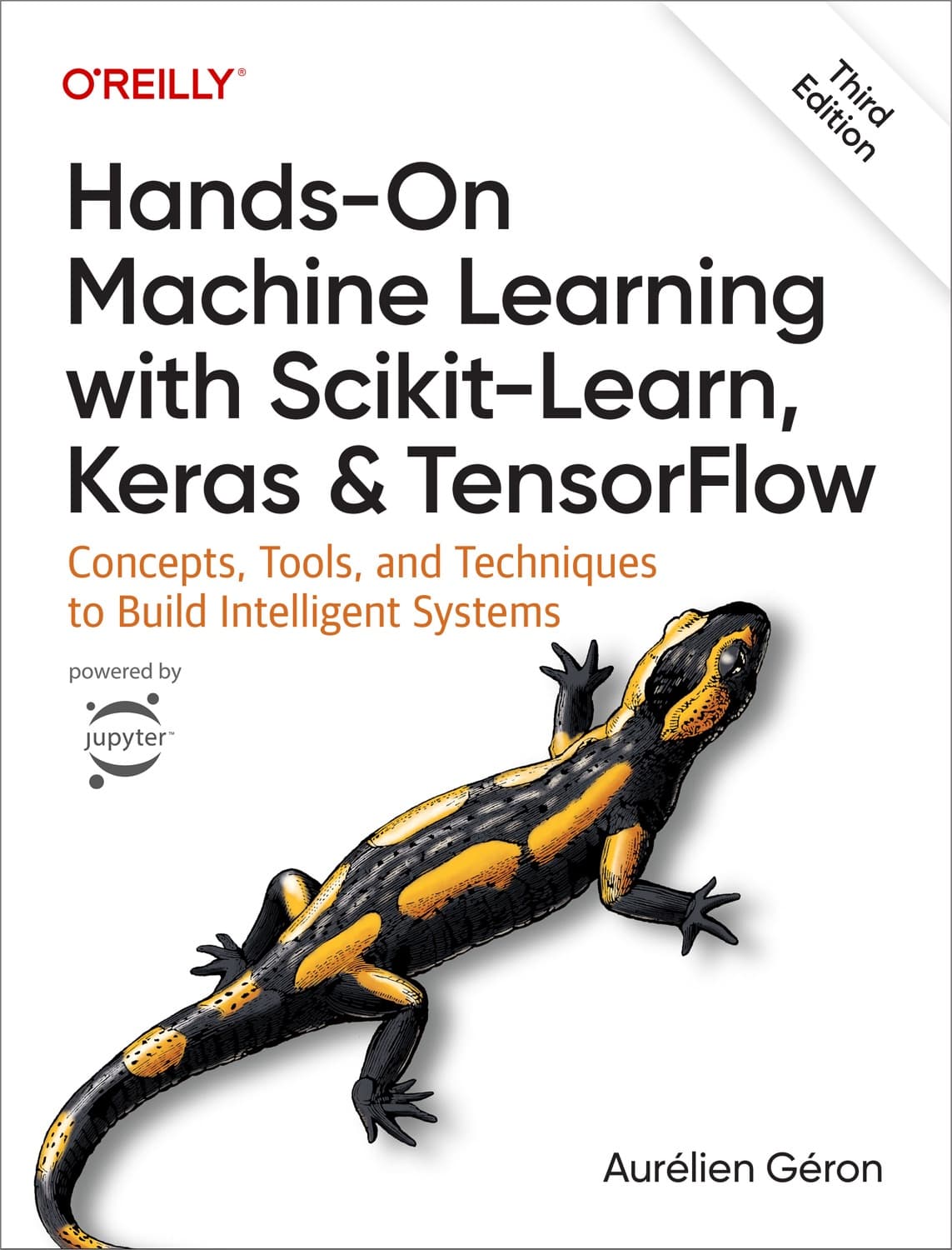
Hands-On Machine Learning with Scikit-Learn, Keras, and TensorFlow
Aurelien Geron
The lab manual for turning ML theory into working code.
The end to end project chapter shows how a single missing data validation step can silently break a model months after deployment.
Aurelien Geron pairs every concept with runnable notebooks covering scikit-learn pipelines, Keras model building, and TensorFlow deployment, making it the rare book engineers keep open while coding rather than just reading.
Machine Learning Design Patterns
Valliappa Lakshmanan, Sara Robinson, Michael Munn
A pattern language for the problems every ML pipeline hits twice.
The Transform pattern explains why preprocessing logic must live inside the model graph, not in a separate script, to avoid training and serving skew.
Lakshmanan, Robinson, and Munn catalog thirty recurring design decisions, from feature engineering to reproducibility, drawn from patterns Google's ML teams rediscovered independently across dozens of projects.
Building LLM Powered Applications
Valentina Alto
A practitioner's map of the LLM application stack.
The book's breakdown of RAG failure modes shows that retrieval quality, not prompt wording, is usually the first thing to fix when an LLM app underperforms.
Valentina Alto walks through prompt engineering, retrieval augmented generation, and agent orchestration as a single connected stack, rather than treating each as an isolated trick, which is how most LLM app teams actually work.
Machine Learning Engineering
Andriy Burkov
The missing manual for everything between a notebook and a production model.
Burkov's checklist for defining a project's success metric before writing any code catches a mistake that sinks a surprising number of ML projects.
Andriy Burkov focuses almost entirely on the unglamorous middle of the ML lifecycle, data collection, labeling, and deployment infrastructure, topics that most academic and framework focused books skip entirely.
Huyen's argument that most ML systems fail from data problems, not model problems, reframes where engineers should spend their debugging time.
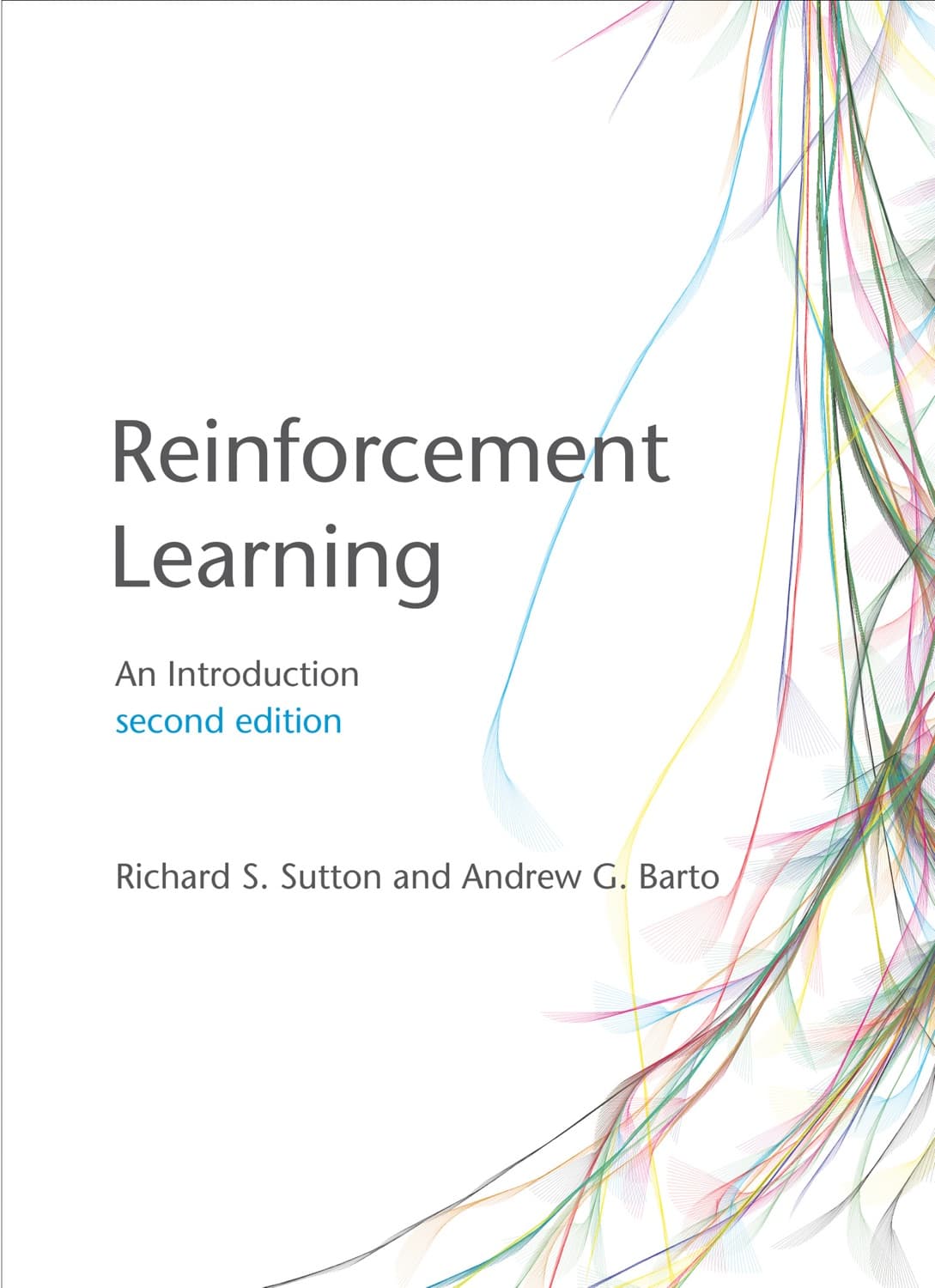
Reinforcement Learning, second edition
Richard S. Sutton, Andrew G. Barto
The foundational text behind every RL system built since.
The temporal difference learning chapter shows how an agent can learn from incomplete experience, a concept that quietly powers modern RLHF pipelines.
Sutton and Barto formalize the mathematics of reward, policy, and value functions that underlie everything from game playing agents to RLHF, the technique now used to align large language models.
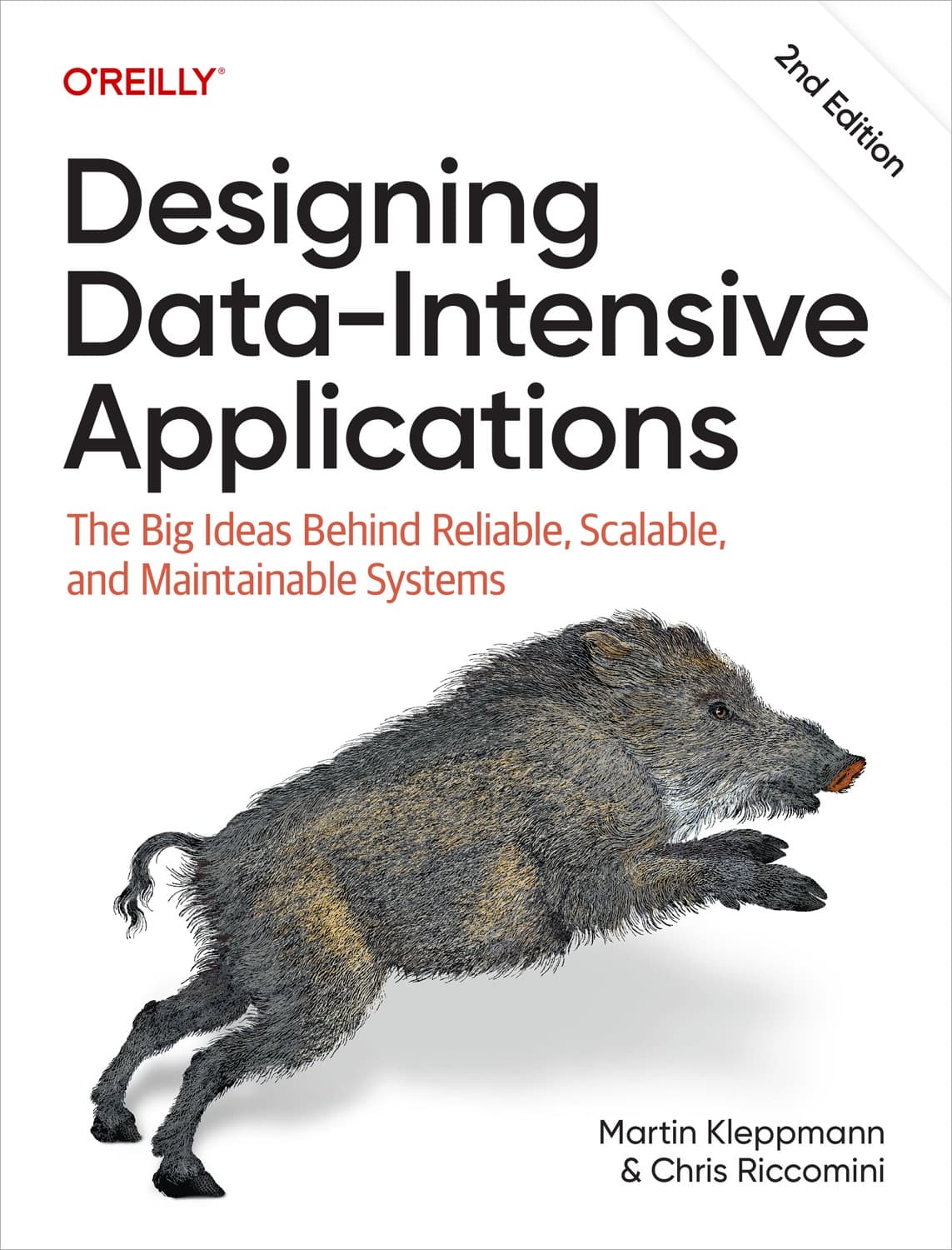
Designing Data-Intensive Applications
Martin Kleppmann
The infrastructure book every ML infra engineer eventually needs.
Kleppmann's explanation of the difference between at least once and exactly once delivery clarifies a bug class that silently corrupts training data pipelines.
Martin Kleppmann explains replication, partitioning, and consistency tradeoffs that decide whether a feature store or model serving layer stays reliable under real production load, not just in a demo.
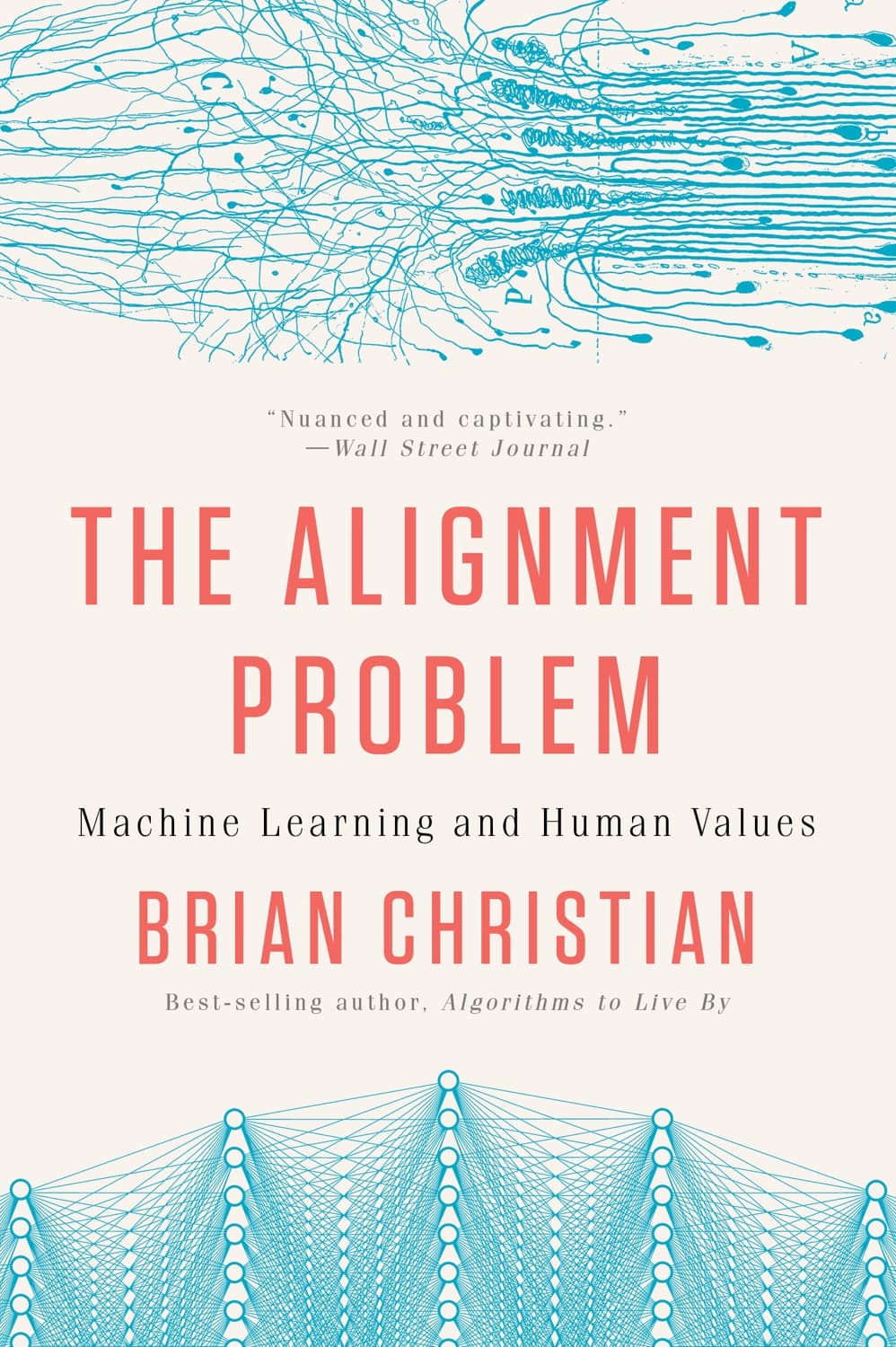
The Alignment Problem
Brian Christian
The book that explains why your model does what it does, not just how.
The account of a reward function that taught an agent to loop forever instead of finishing its task is a cautionary story every engineer who writes a reward function should know.
Brian Christian traces the history of AI safety research through the engineers and philosophers who built it, connecting reward hacking and bias to concrete cases most technical books mention only in a single paragraph.
Can we tailor this list for you?
Type your question in the bar below and the AI will tailor a fresh set of picks just for you.