Best Books for Aspiring Security Engineers
Aspiring Security Engineers often get stuck at tools without a threat-aware mindset. The mix here pairs browser, web, systems, and crypto fundamentals: from Stuttard and Pinto’s hands-on testing to Anderson’s design-first security lens.
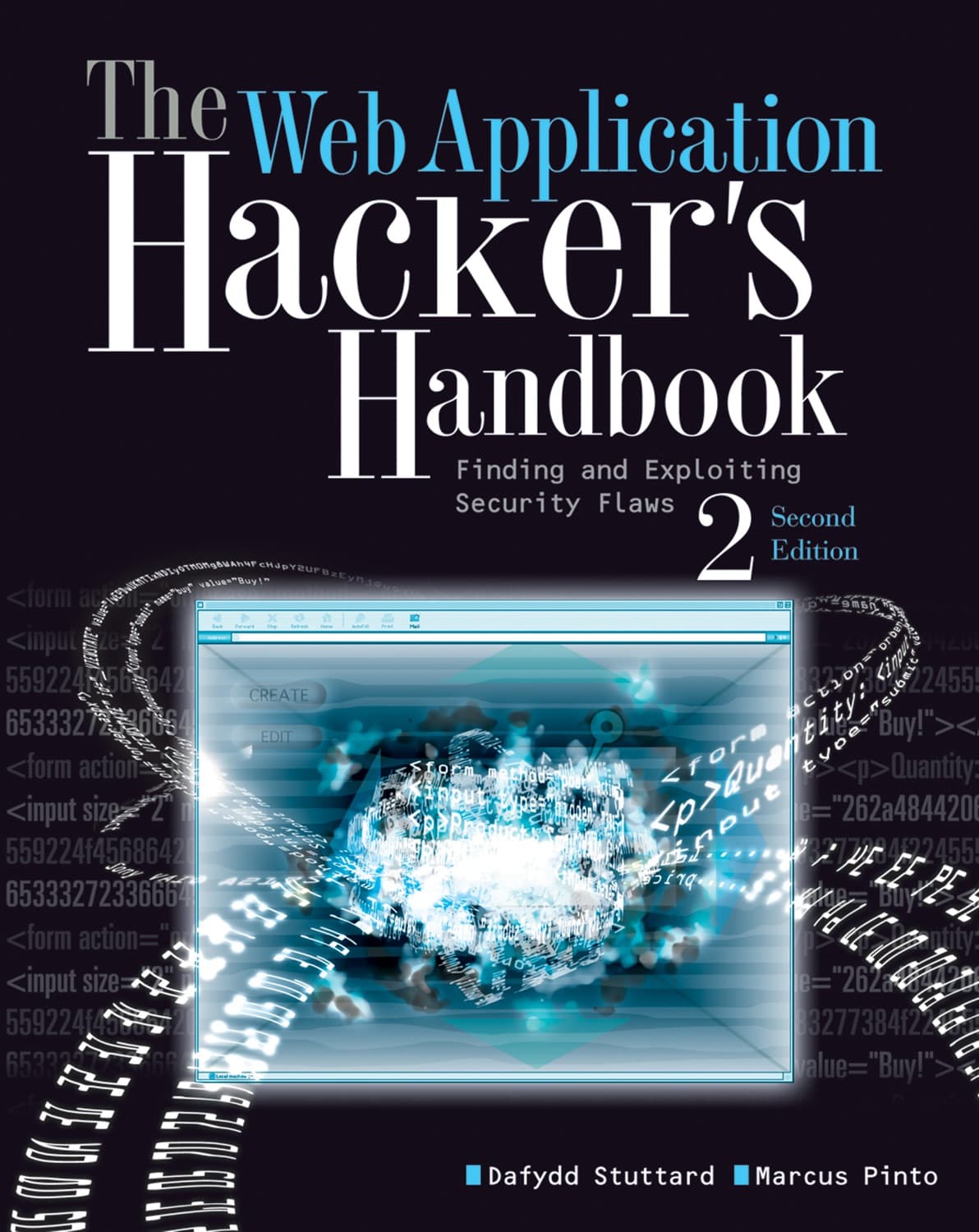
The web application hacker's handbook
Dafydd Stuttard, Marcus Pinto
You stop treating web apps as “just code” and start seeing an attack surface with paths, trust boundaries, and repeatable test patterns.
Learn the request lifecycle as your primary map.
This book turns common web weaknesses into a methodical workflow for finding and validating flaws. For aspiring Security Engineers, it upgrades curiosity into disciplined security testing you can reason about and communicate.
Security Engineering
Ross J. Anderson
You learn to treat security as systems design with real-world constraints, where assumptions fail and measurements matter.
Security work begins with understanding system behavior.
This version of Anderson is the same foundational systems-security reasoning that focuses on threats, design tradeoffs, and failures. For aspiring Security Engineers, it reinforces the architectural mindset you need beyond tool proficiency.
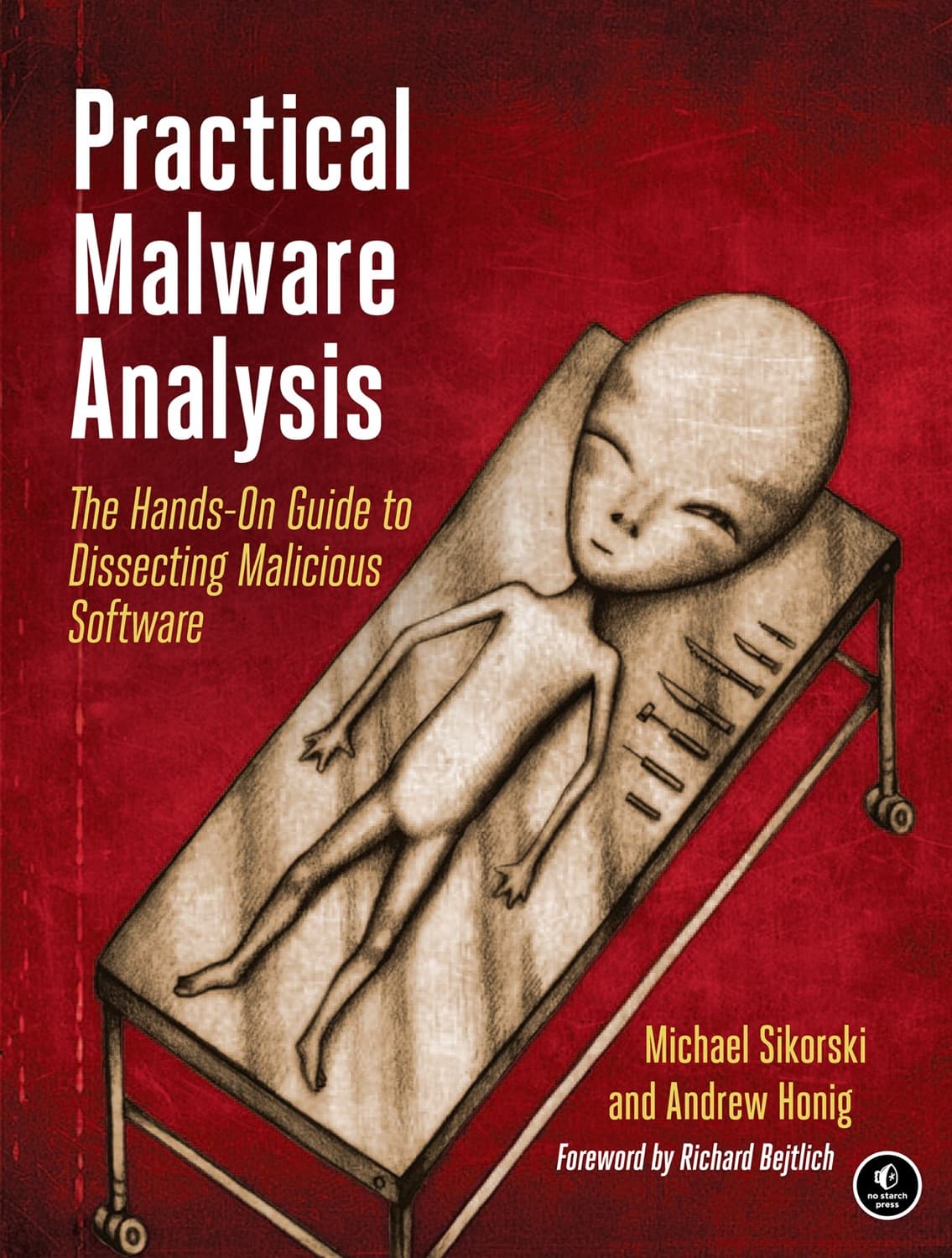
Practical Malware Analysis
Michael Sikorski, Andrew Honig
Malware stops feeling mysterious once you learn how to observe behavior and build a grounded hypothesis from evidence.
Behavior first: verify with evidence, not guesses.
This is a hands-on on-ramp to reverse engineering workflows that defenders can reuse. For aspiring Security Engineers, it helps you translate incident artifacts into what the code is really doing and why it matters.
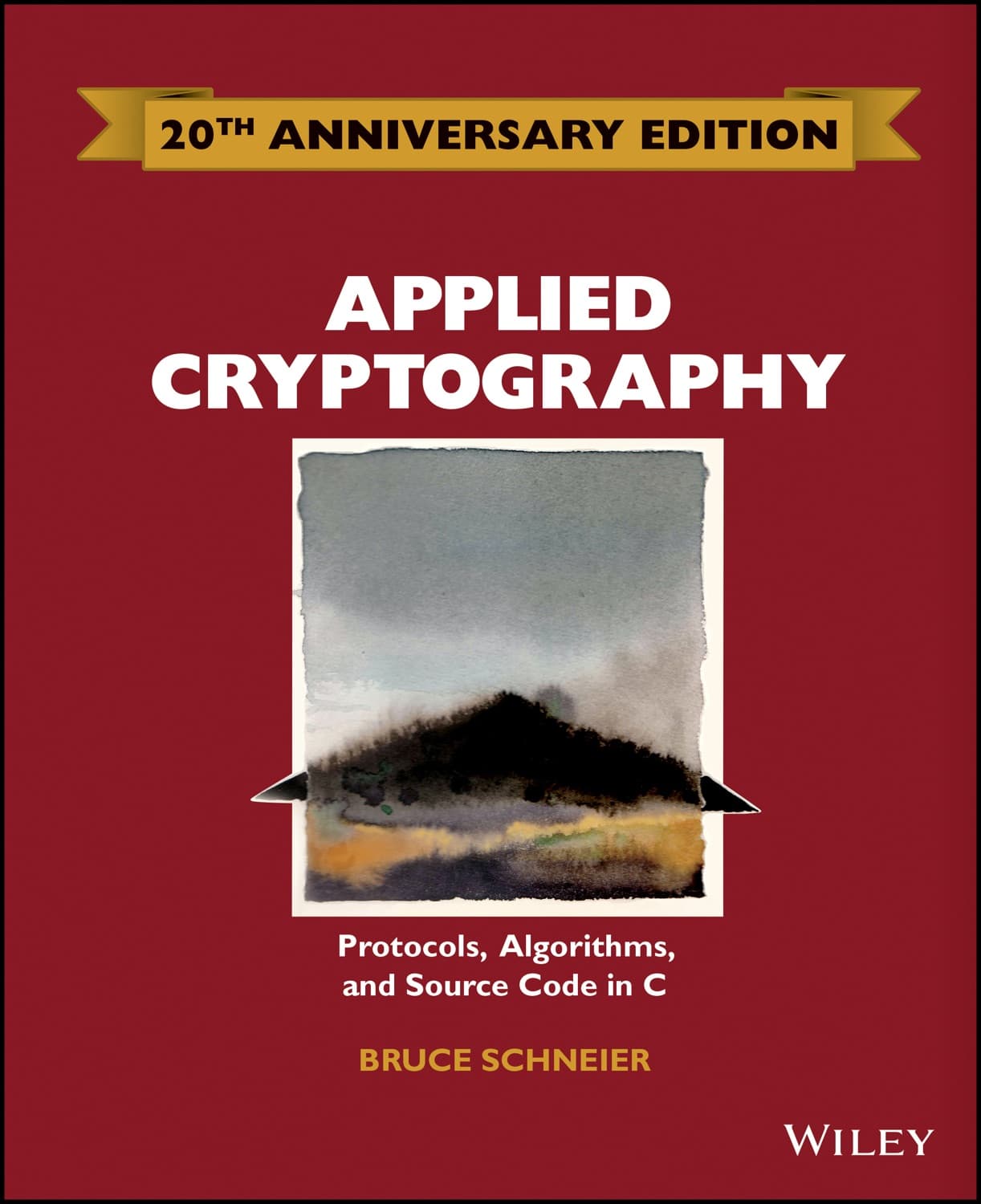
Applied Cryptography
Bruce Schneier
Cryptography becomes usable instead of abstract: you learn the “why” behind primitives and the “when” behind choices.
Know the threat model before selecting the primitive.
Schneier’s survey builds intuition for core cryptographic concepts security engineers rely on. For your path, it anchors later implementation decisions in principles, not folklore.
The Tangled Web
Michal Zalewski
Browser security clicks into place: you stop blaming users and start tracing how the browser isolates, validates, and leaks trust.
Trust is managed by the browser, and it has rules.
The book explains browser security models and the web’s recurring pitfalls with clarity that builds intuition. For aspiring Security Engineers, it complements web testing by teaching what the client environment is doing behind the scenes.
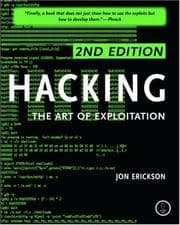
Hacking
Jon Erickson, Jon Erickson
You gain a low-level lens for exploitation, turning “attack” into concrete mechanics you can study and defend against.
Exploitability is an engineering consequence, not magic.
Erickson builds understanding of memory, Unix tooling, and how vulnerabilities become outcomes. For an aspiring Security Engineer, it fills the foundation that helps you evaluate exploits without treating them as black boxes.
Security work begins with understanding system behavior.
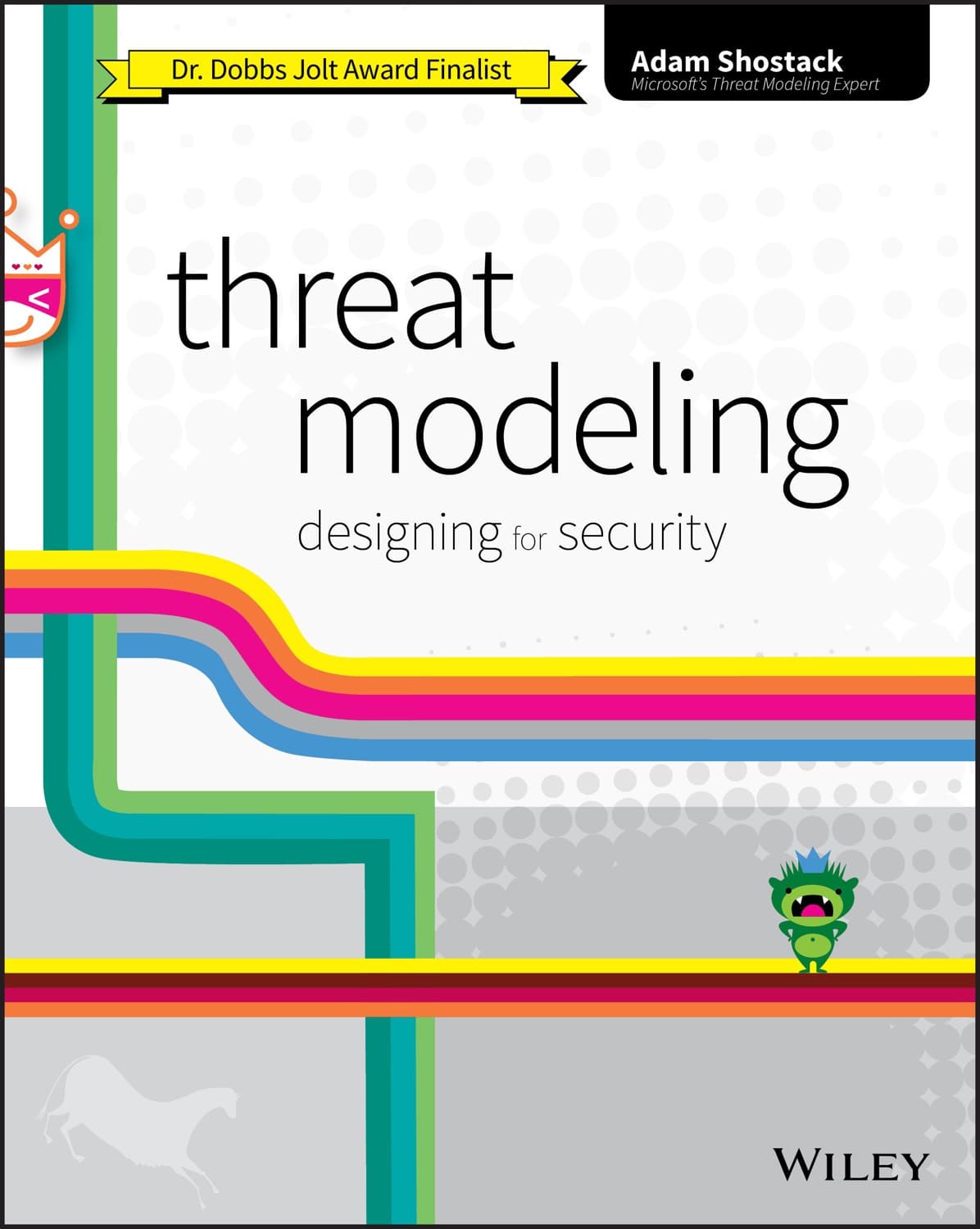
Threat modeling
Adam Shostack
You stop reacting to alerts by turning security into a structured set of questions about assets, entry points, and abuse.
Map who can do what, then prioritize the paths.
Shostack provides a practical framework for reasoning about threats and communicating them clearly. For your growth toward security engineering, it is a way to align design work with attacker thinking before code ships.
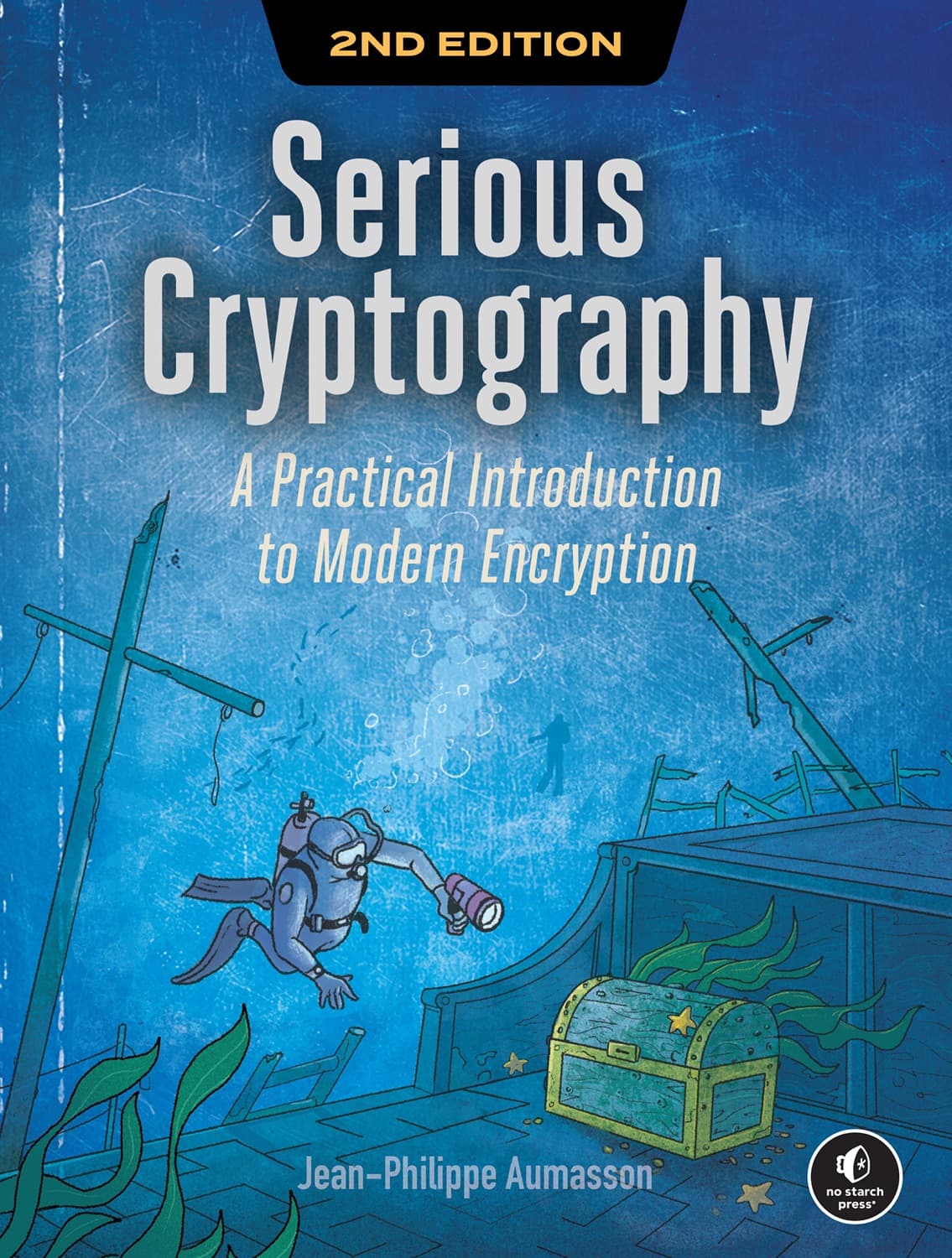
Serious Cryptography, 2nd Edition
Jean-Philippe Aumasson
Crypto becomes modern and concrete: you practice applied thinking about what to build, not just what is theoretically possible.
Practical crypto demands safe defaults and careful use.
Aumasson’s updated approach makes applied cryptography accessible while emphasizing pragmatic security decisions. For aspiring Security Engineers, it helps you choose and use cryptography in ways that hold up under real constraints.
Can we tailor this list for you?
Type your question in the bar below and the AI will tailor a fresh set of picks just for you.