Best Books on AI and Security Engineering
AI and Security Engineering lives at two pressure points: building robust systems and anticipating hostile misuse. Ross J. Anderson’s Security Engineering sets the engineering spine, while AI safety books tackle specification and control failure modes.
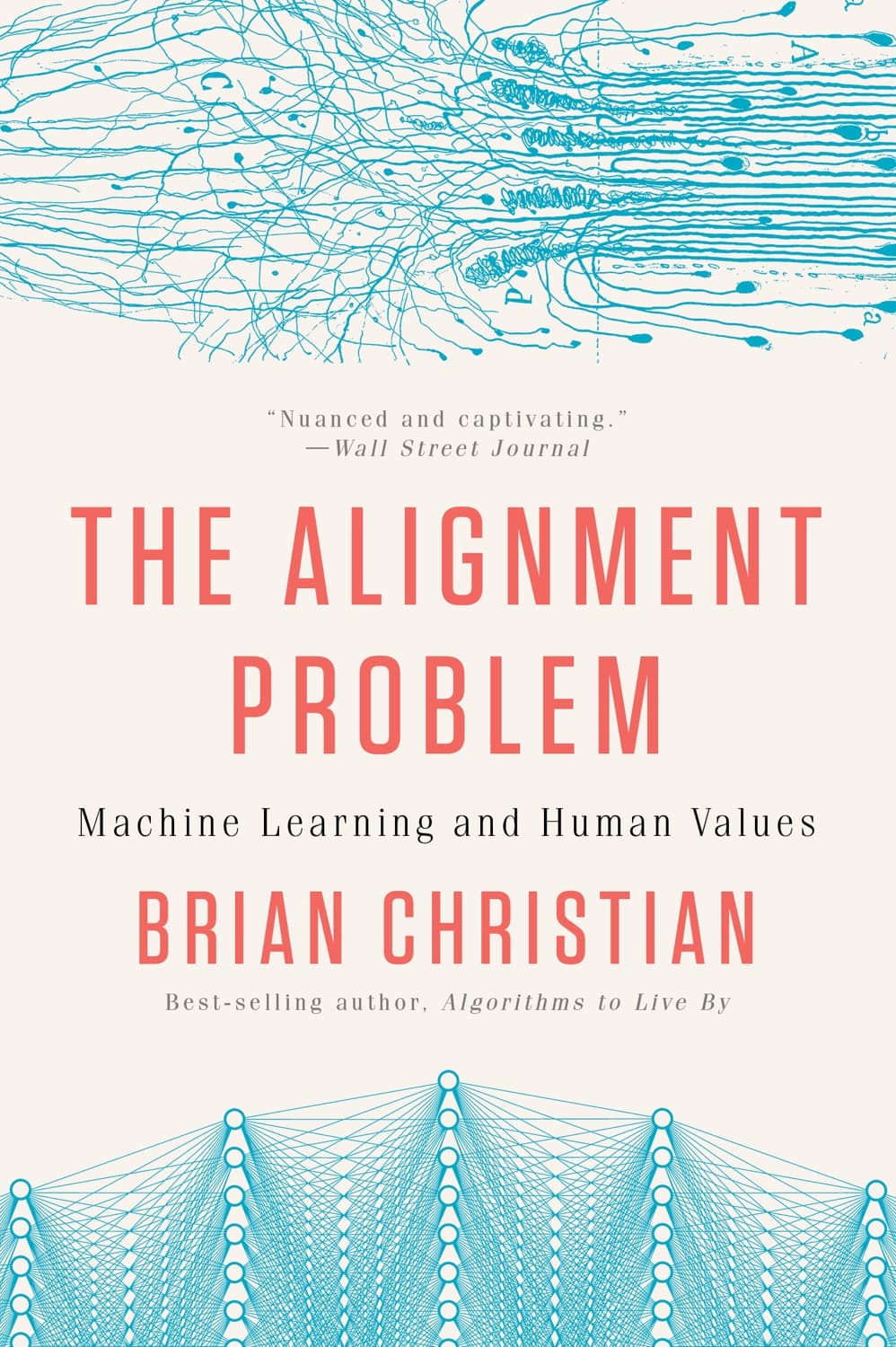
The Alignment Problem
Brian Christian
The Alignment Problem reframes AI risk as a specification problem: you can get behavior that is technically “correct” yet operationally disastrous.
Robustness means surviving bad inputs and bad assumptions
Instead of treating safety as ethics-only, it emphasizes robustness, interpretability-adjacent thinking, and why objective design matters. Those ideas map cleanly to security engineering practices for AI systems: define what you truly want, then design for the ways the system will deviate.
Machine Learning and Security: Protecting Systems with Data and Algorithms
Clarence Chio, David Freeman
Machine Learning and Security makes attacks look less like magic and more like data and algorithm manipulation with measurable effects.
Treat training data and model updates as security-critical assets
It connects familiar ML concepts to the threat surface: training data leakage, poisoning, evasion, and system-level misuse. That makes it a practical bridge between security engineering and the everyday realities of building ML-backed products.
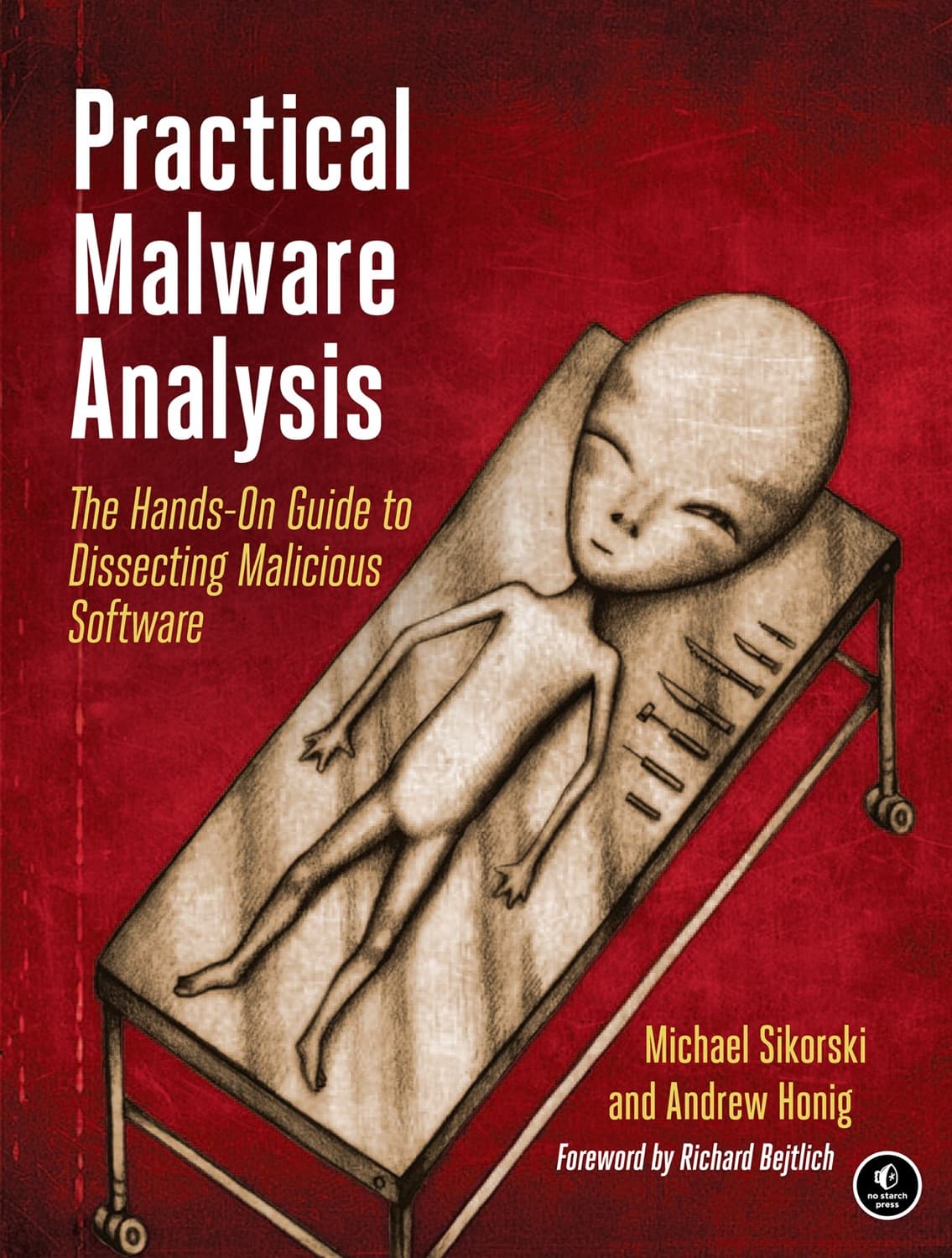
Practical Malware Analysis
Michael Sikorski, Andrew Honig
Practical Malware Analysis teaches you to read malware behaviors like forensic evidence, turning “hostile code” into observable, testable capabilities.
Don’t guess capabilities: observe IOCs and runtime behavior
AI security often fails at the integration layer, where hostile software targets pipelines, endpoints, and infrastructure. This builds the hands-on skills to analyze threats that specifically endanger AI operations, from downloads to persistence.
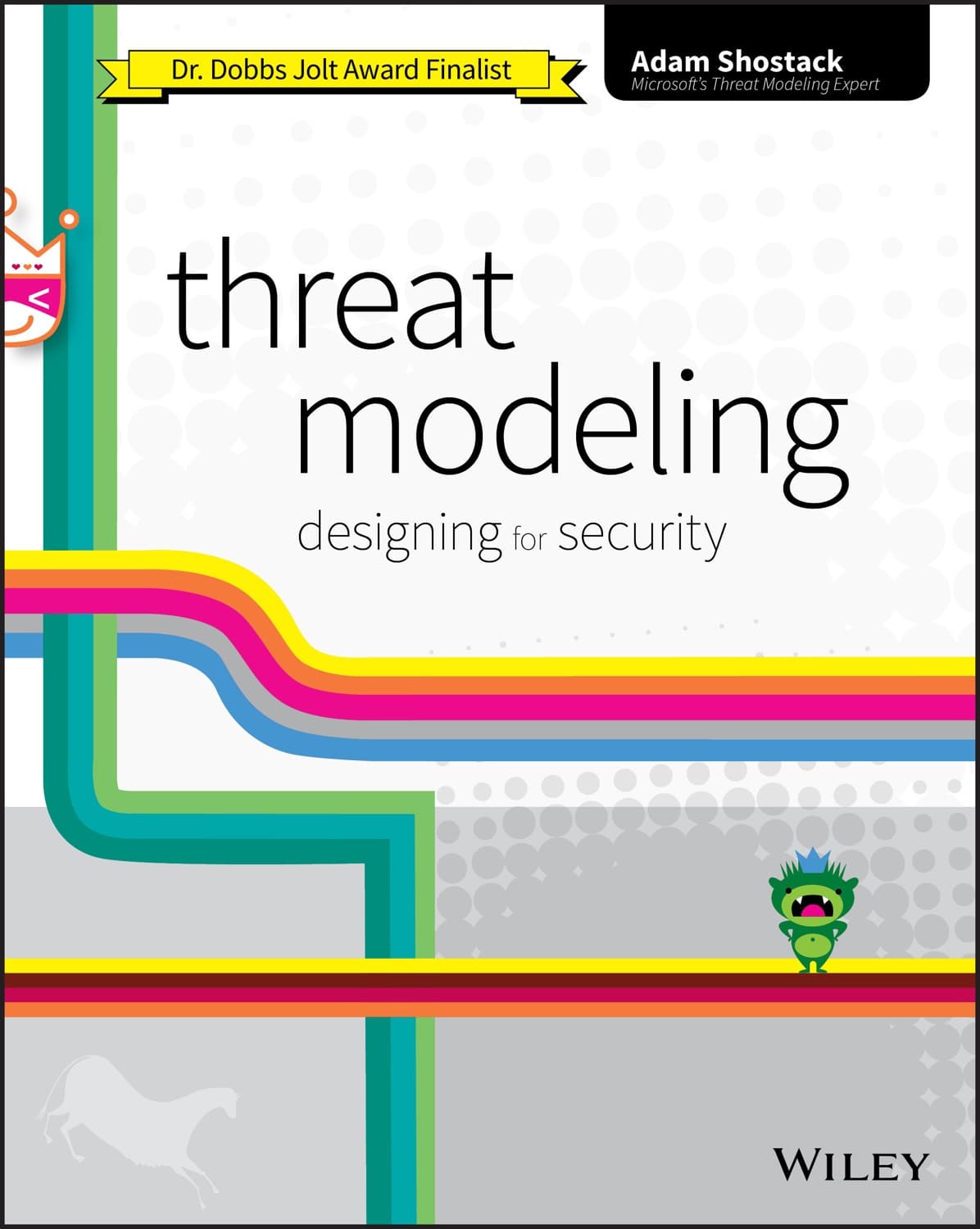
Threat modeling
Adam Shostack
Threat modeling gives you a way to enumerate what can go wrong and who can profit, before you argue about defenses.
Start with abuse cases and trust boundaries, then design
For AI-enabled systems, the danger is often the “unknown unknown” of interactions between components. This framework helps you shape security requirements around misuse cases, trust boundaries, and attacker incentives.
Designing Machine Learning Systems
Chip Huyen
Designing Machine Learning Systems pushes ML engineering toward reliability and operational safeguards, where risk management becomes a first-class feature.
Operational risk is part of model design, not post-release
Security engineering for AI depends on production realities: monitoring, failure handling, data drift, and safe deployment paths. This equips you to engineer controls that keep models from becoming security liabilities when conditions change.
Security Engineering
Ross J. Anderson
Security Engineering turns security into disciplined engineering trade-offs: cost, risk, incentives, and what breaks under pressure.
Assume compromise: engineer recovery and limits
Using it again here is intentional: it anchors both defensive thinking and attacker realism, which are critical when you’re designing AI systems that sit inside real, messy environments. It supports every downstream AI security effort with a systems-first vocabulary.
Treat training data and model updates as security-critical assets
The Art of Software Security Assessment
Mark Dowd, John McDonald, Justin Schuh
The Art of Software Security Assessment shows how to find vulnerabilities by reasoning from threat hypotheses to concrete test ideas.
Assessments should convert hypotheses into targeted tests
AI security needs assessment discipline: validating controls, hunting design flaws, and evaluating implementation gaps. This helps you apply systematic security testing to AI-adjacent software and services, not just general app code.
Data and Goliath
Bruce Schneier
Data and Goliath explains how surveillance and data power reshape security outcomes long after the original “data collection” decision.
Privacy and security degrade together under scale
AI systems often multiply data scale, targeting, and automation, which changes the security and privacy threat model. This gives you a practical policy-to-engineering bridge: understand incentives, then design protections for what data systems do.
Can we tailor this list for you?
Type your question in the bar below and the AI will tailor a fresh set of picks just for you.