Best Books for Security Engineers
Security engineering rewards hands-on practice more than certifications. This shelf covers exploitation, cryptography, malware analysis, and incident response for practitioners who build and break systems, not just audit them.
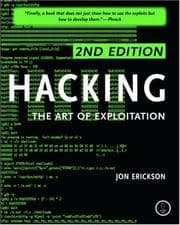
Hacking
Jon Erickson, Jon Erickson
Learn exploitation from first principles, not from a tool.
The included LiveCD environment lets you compile and crash the exact vulnerable programs discussed, so you debug real memory corruption instead of reading about it.
Erickson builds a C compiler, debugger, and shell from scratch on an included Linux environment, showing exactly how buffer overflows, format string bugs, and shellcode work at the assembly level rather than just naming the vulnerability classes.
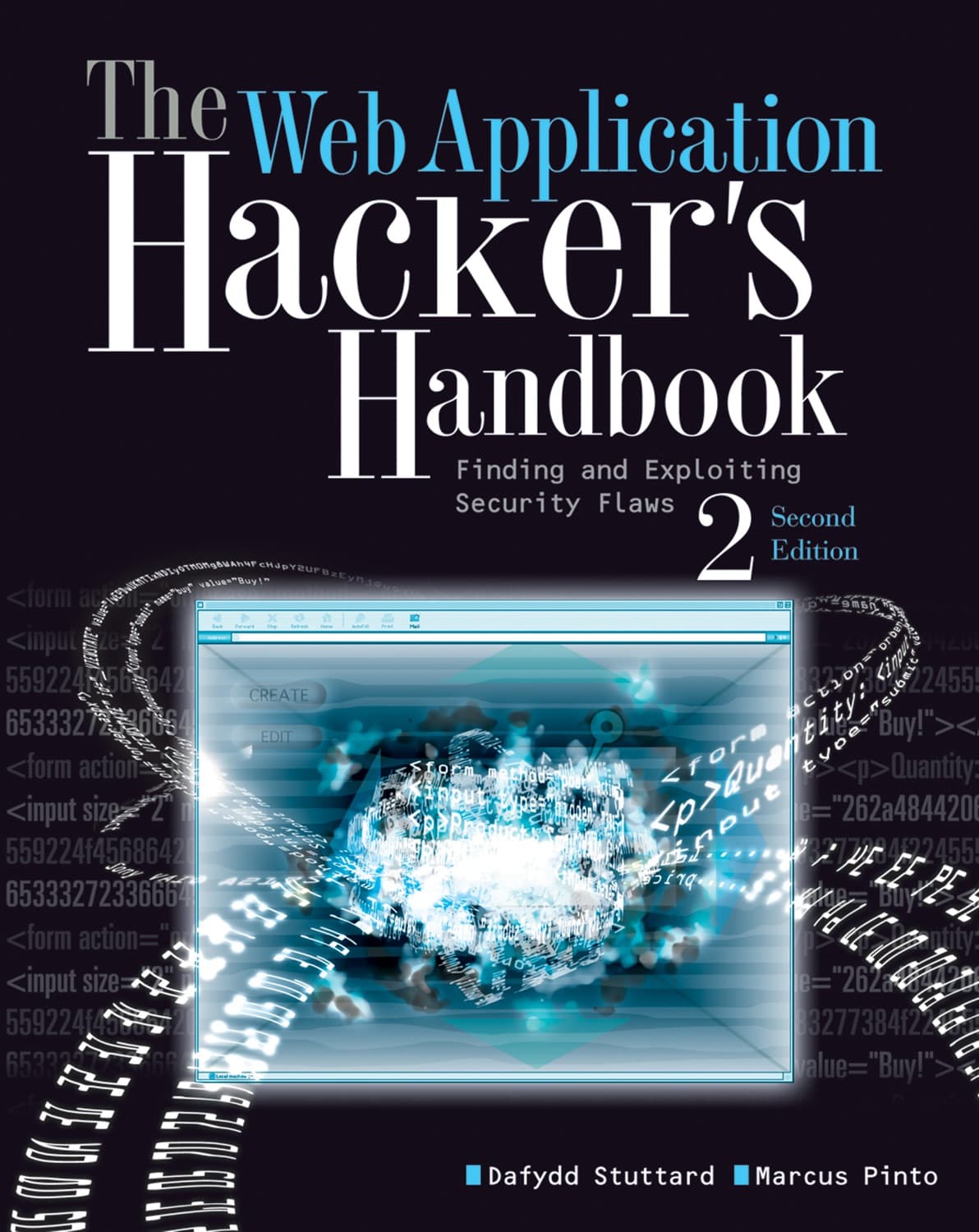
The web application hacker's handbook
Dafydd Stuttard, Marcus Pinto
The reference manual for finding and exploiting web app flaws.
Its attacker's methodology checklist in the appendix doubles as a practical web app pentest framework you can run against any target.
Stuttard and Pinto, the authors of Burp Suite, walk through every stage of a real web app attack, from authentication bypass to server side request forgery, with methodology you can apply the same week in a live pentest engagement.
Applied Cryptography
Bruce Schneier
The book that turned cryptography from math theory into engineering practice.
The chapter on protocol failures shows how correct primitives still produce broken systems when composed carelessly, a lesson every security engineer eventually relearns the hard way.
Schneier catalogs real protocols and algorithms, DES, RSA, key exchange, digital signatures, and explains the design tradeoffs and historical attacks behind each, giving engineers the vocabulary and judgment to reason about crypto choices.
Serious Cryptography, 2nd Edition
Jean-Philippe Aumasson
A modern, practitioner focused update to how cryptography actually gets built today.
Its side by side comparisons of competing algorithms, which stream cipher, which curve, which mode, give you a decision framework instead of just definitions.
Aumasson covers the primitives that matter now, AES-GCM, Curve25519, SHA-3, and post-quantum candidates, explaining not just how they work but which implementation mistakes actually cause real world breaches.
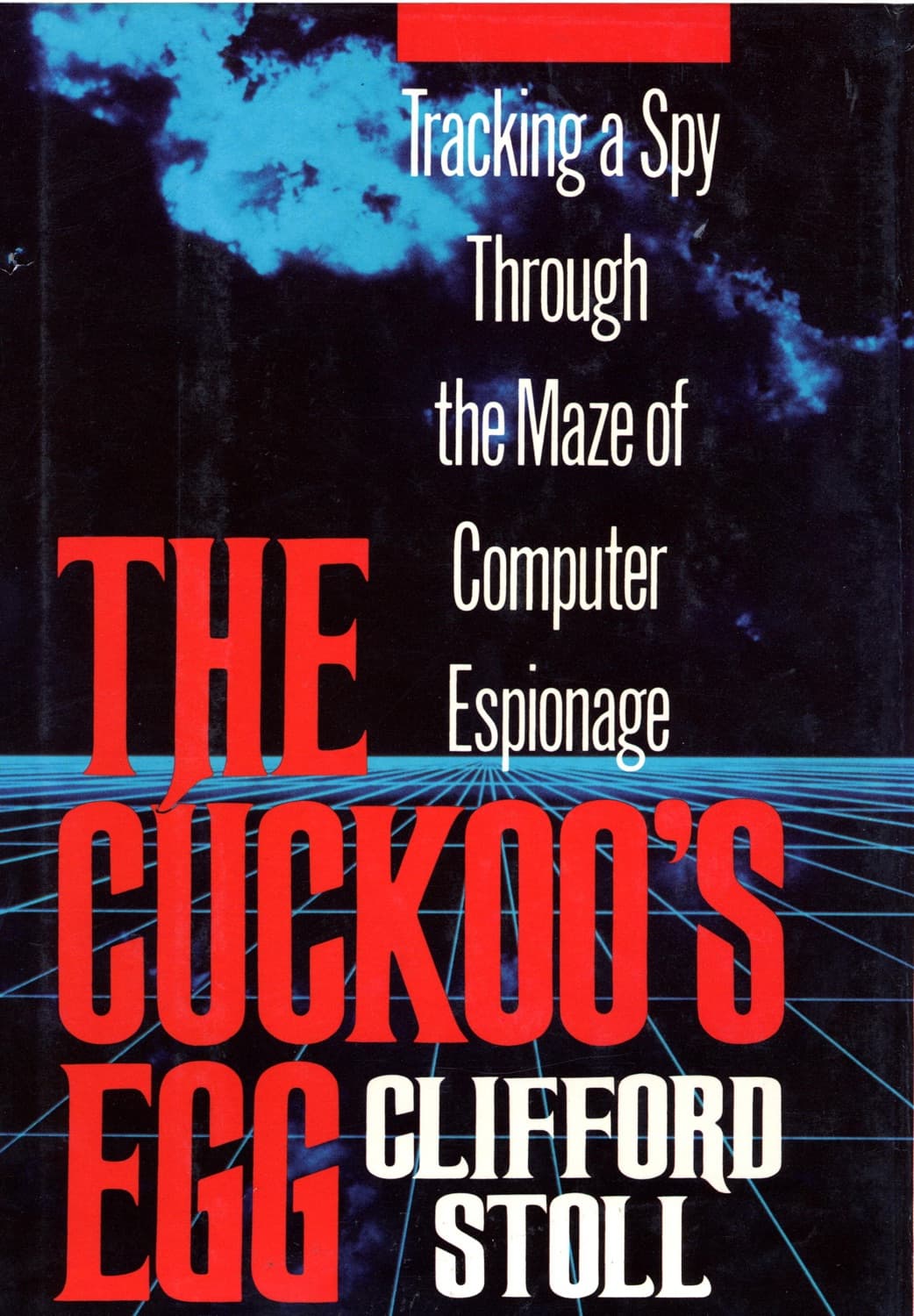
The Cuckoo's Egg
Cliff Stoll
The first true detective story of computer espionage.
Great security work is often just refusing to ignore the small anomaly everyone else writes off as noise.
Stoll, an astronomer turned accidental sysadmin, tracks a 75-cent accounting error to a hacker selling US military secrets to the KGB, showing what patient, methodical incident response really looks like.
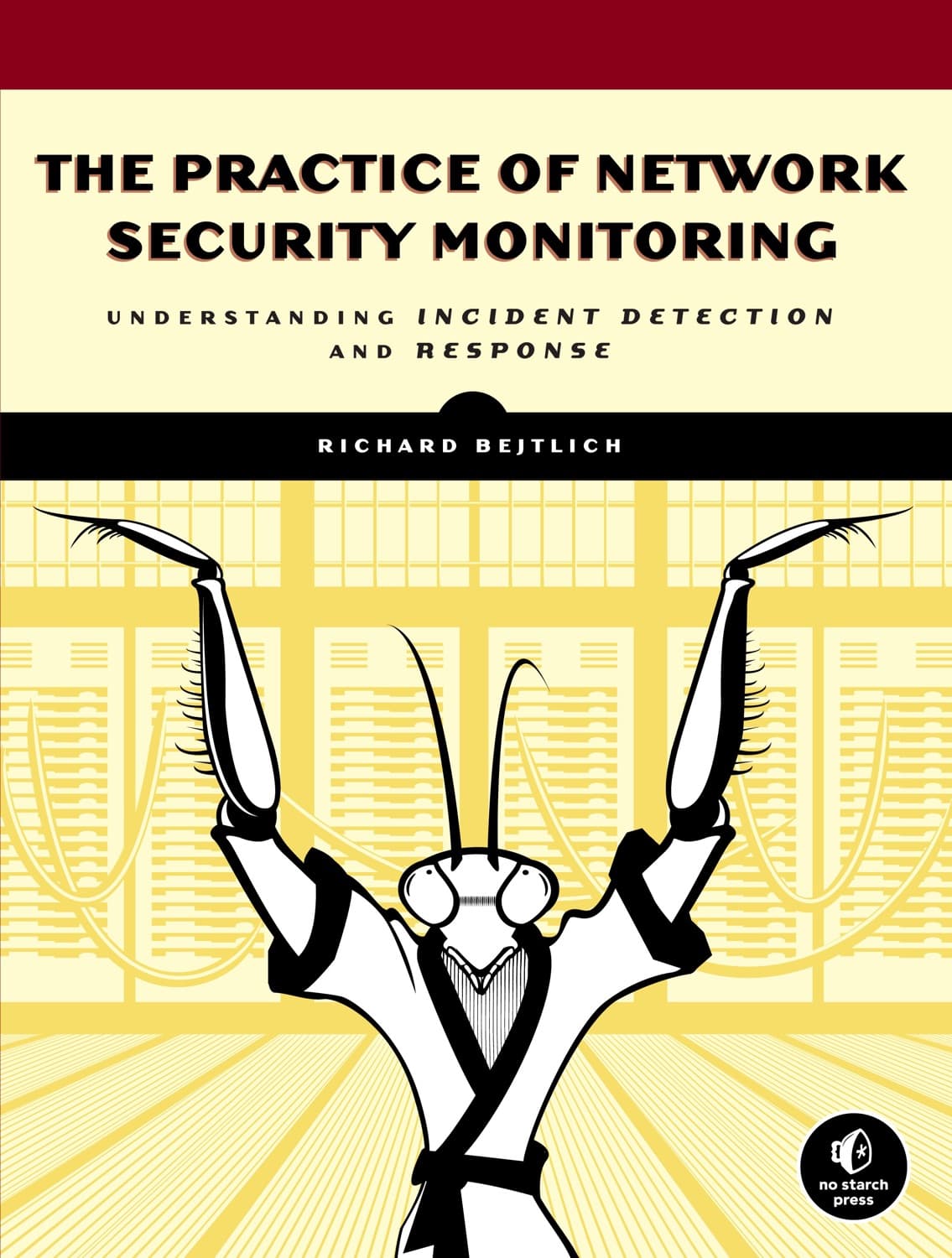
The Practice of Network Security Monitoring
Richard Bejtlich
How to actually detect an intrusion instead of just logging one.
Its kill chain based detection framework reframes monitoring around attacker behavior stages, not just signature matches, which is how modern SOCs actually triage alerts.
Bejtlich, a former Air Force intelligence officer and Mandiant CSO, builds a complete NSM program from sensor placement through Zeek, Suricata, and full packet capture, framed around detecting attackers who are already inside the network.
Its attacker's methodology checklist in the appendix doubles as a practical web app pentest framework you can run against any target.
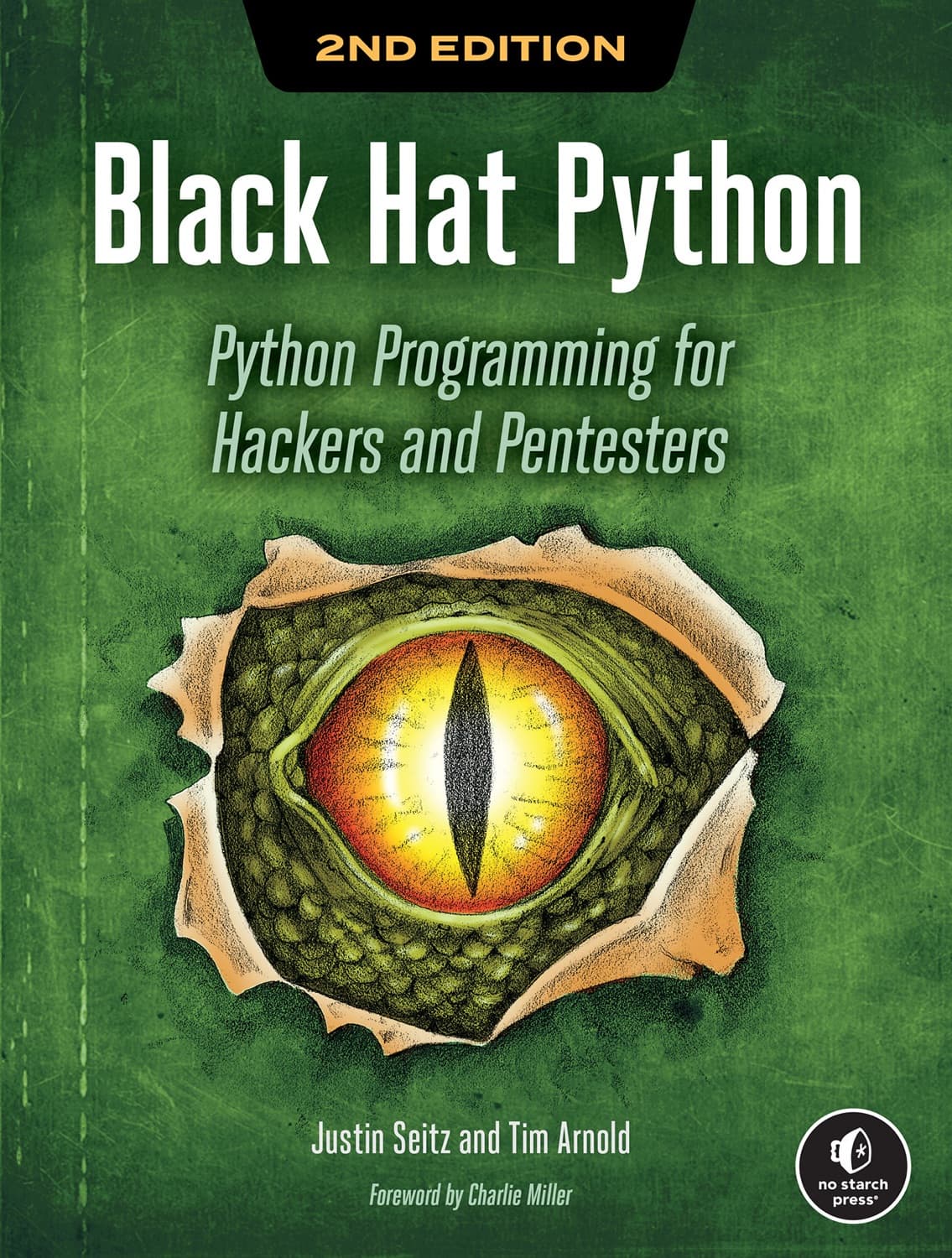
Black Hat Python
Justin Seitz, Tim Arnold
Build your own offensive tools instead of only running someone else's.
The chapter on extending Burp Suite with custom Python modules turns a commercial pentest tool into a scriptable platform tailored to your own workflow.
Seitz and Arnold walk through writing network sniffers, web crawlers for reconnaissance, and command and control trojans in Python, turning abstract offensive concepts into working scripts you can extend for real engagements.
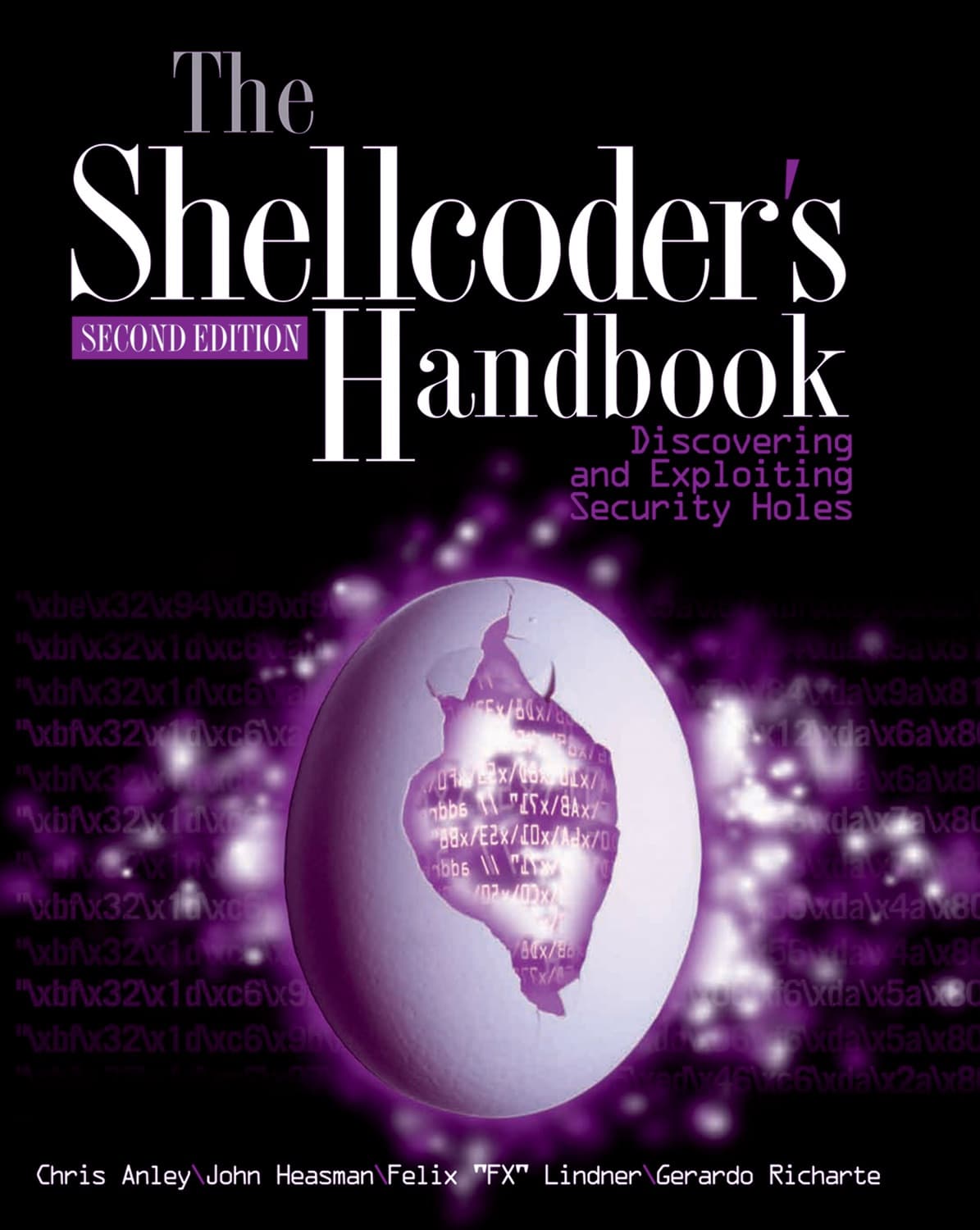
The Shellcoder's Handbook
Chris Anley
The deep reference for writing exploits across multiple architectures.
Its architecture by architecture breakdown of calling conventions and memory layout is the reference practitioners keep returning to when a public exploit needs porting to a new target.
Four working exploit developers cover stack and heap overflows, format string bugs, and kernel exploitation across Windows, Linux, and Solaris, with enough platform specific detail to actually port a proof of concept between architectures.
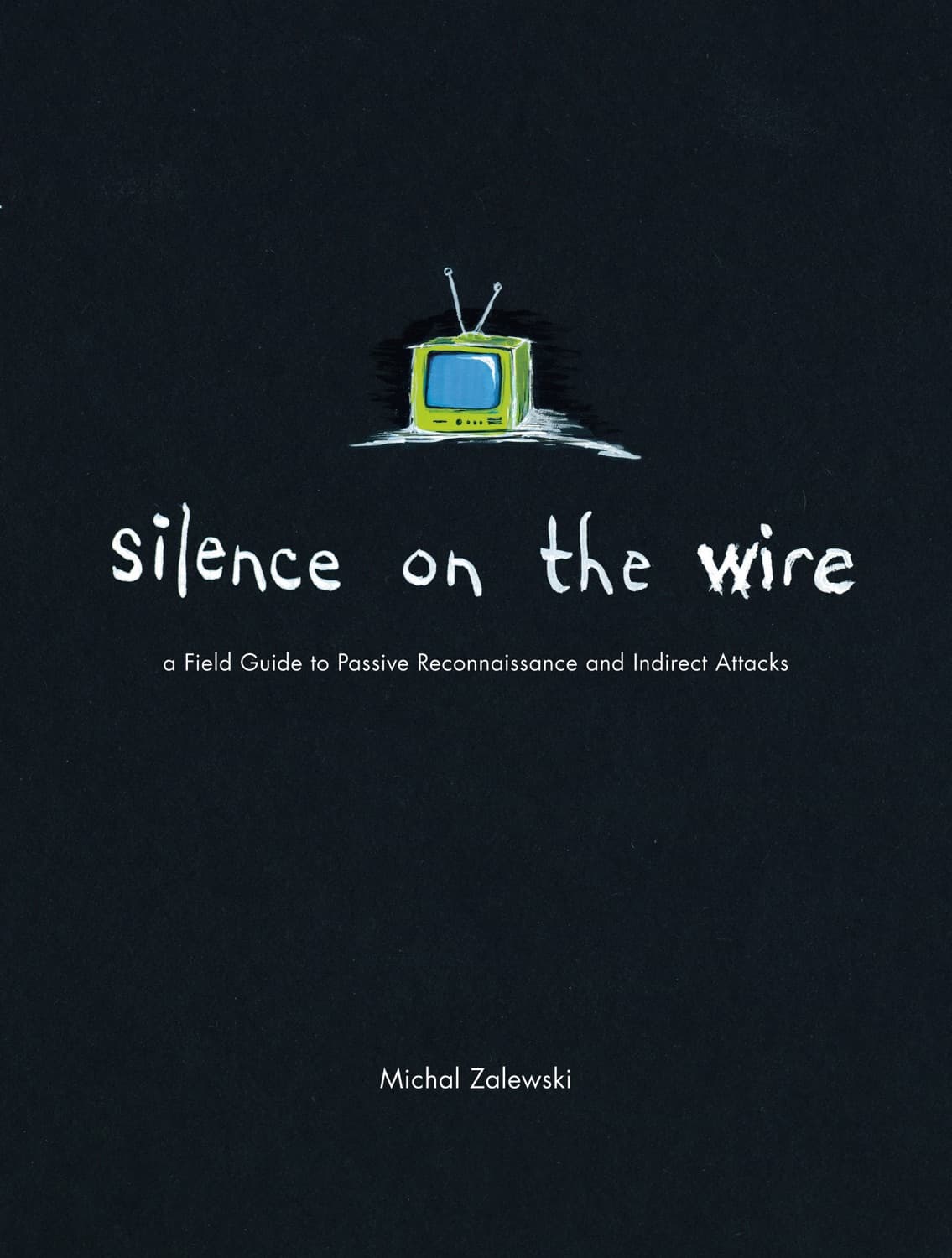
Silence On The Wire
Zalewski
A hidden gem that finds security flaws in the parts of the stack nobody audits.
Its analysis of passive OS fingerprinting through TCP/IP stack quirks teaches a style of observational security thinking that no scanner or checklist will teach you.
Zalewski, a longtime Google security engineer, examines information leakage in TCP/IP timing, print spoolers, and even keyboard acoustics, revealing attack surface most security engineers never think to look at.
Can we tailor this list for you?
Type your question in the bar below and the AI will tailor a fresh set of picks just for you.