Best Books on Agentic Commerce
Agentic Commerce lives at the intersection of AI decisioning and platform economics: Marco Iansiti and Karim Lakhani’s Competing in the Age of AI and Parker, Van Alstyne, and Choudary’s Platform Revolution give the lenses.
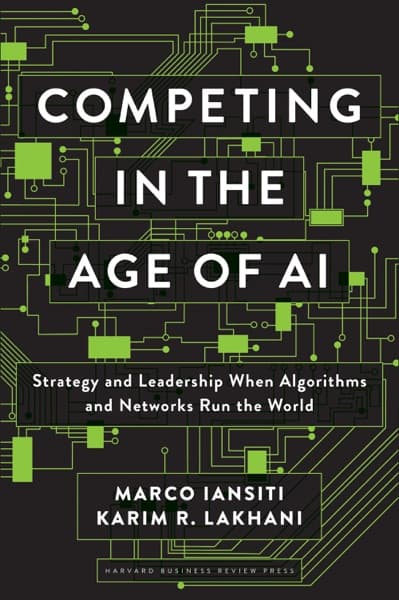
Competing in the Age of AI
Marco Iansiti, Karim R. Lakhani
By the end, AI stops looking like a feature and starts looking like an operating system for entire value chains.
Automate decisions, then redesign the value capture around them.
It explains how AI-native business models and automated value creation change who captures profit. That maps cleanly to agentic commerce, where agents negotiate, transact, and optimize across processes rather than just recommend.
Prediction Machines
Ajay Agrawal, Joshua Gans, Avi Goldfarb
Forecasts become executable: prediction is treated as a production input that reshapes real workflows and commercial outcomes.
Prediction plus feedback turns into an optimized loop.
The book builds the mental model for when AI turns uncertainty into action, which is the foundation for agents that choose, bid, and fulfill. It helps you reason about agentic commerce as decision systems, not chatbot theatre.
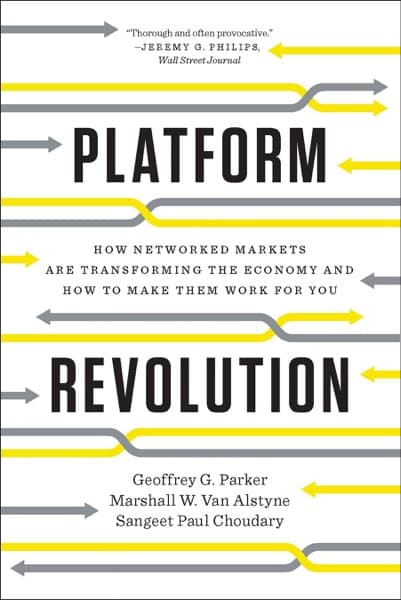
Platform Revolution
Geoffrey G. Parker, Marshall W. Van Alstyne, Sangeet Paul Choudary
The real power of commerce ecosystems comes from feedback, rules, and incentives that scale network effects.
More sides and better rules increase value through network effects.
Agentic commerce needs rails: marketplaces, APIs, ecosystems, and governance. This gives the platform economics vocabulary to understand why agents coordinate better when the ecosystem is designed to reward transactions and repeat usage.
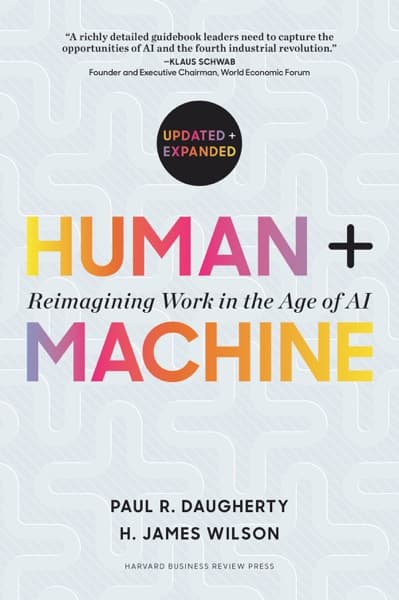
Human + Machine
Paul R. Daugherty, H. James Wilson
The winning pattern is not full automation, but smarter division of labor between humans and machine systems.
Use machines for speed and pattern, humans for judgment in exceptions.
Agentic commerce often depends on escalation paths, exception handling, and measurable collaboration. This helps you design where agents act autonomously and where people supervise, audit, and decide.
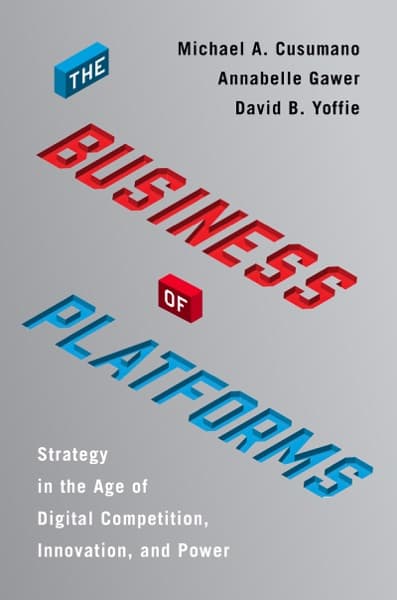
The Business of Platforms
Michael A. Cusumano, Annabelle Gawer, David B. Yoffie
Platform strategy becomes testable: pricing, governance, and envelopment are tools you can reason about, not vibes.
Governance and incentives determine platform health as much as tech.
Agentic commerce rides on platform structure: how partners join, how complements are incentivized, and how rules prevent chaos. This book strengthens the “infrastructure view” so agents transact inside an ecosystem that stays stable.
Machine, Platform, Crowd
Andrew McAfee, Erik Brynjolfsson
Digital markets change when AI improves production, platforms organize exchange, and crowd behavior supplies scale.
The trio drives compounding effects across markets.
This synthesis is useful when you want agentic commerce to include market dynamics, not just engineering. It frames the combined effects that shape pricing power, adoption, and the feedback loops agents trigger in demand and supply.
Prediction plus feedback turns into an optimized loop.
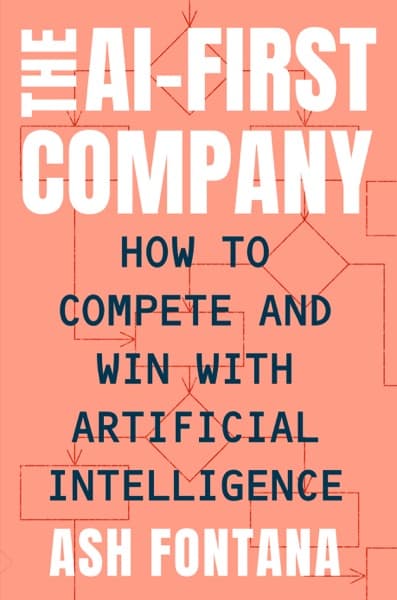
The AI-First Company
Ash Fontana
AI-first means redesigning products and processes around data, automation, and measurable adoption, not bolting models onto old workflows.
Measure adoption and outcomes, not just model performance.
Agentic commerce is operational: agents need clear inputs, decision rights, and integration patterns across teams. This gives a practical lens for turning AI capabilities into repeatable commercial execution.
Working Backwards
Colin Bryar, Bill Carr
Customer obsession becomes a system: start from the desired experience and work backward to align decisions across the organization.
Write the press release and FAQs before building.
Agentic commerce depends on what success looks like for the buyer and how the system avoids costly detours. This gives a concrete operating principle for translating agent behavior into customer outcomes and business constraints.

The Everything Store
Brad Stone
Amazon’s flywheels show how commerce becomes compounding infrastructure: selection, trust, and logistics reinforce each other over time.
Build a flywheel where each part increases the next.
Agentic commerce is easiest to see when you understand the underlying commerce machine that agents plug into. This case study grounds platform and automation ideas in how large-scale retail systems actually evolve.
Can we tailor this list for you?
Type your question in the bar below and the AI will tailor a fresh set of picks just for you.