Best Books on Prompt Engineering
Prompt engineering books that actually change how you talk to models: “Prompt Engineering for Generative AI” (James Phoenix, Mike Taylor) builds reusable techniques, while “The Art of Prompt Engineering with chatGPT” (Nathan Hunter) makes prompt patterns feel mechanical and repeatable.
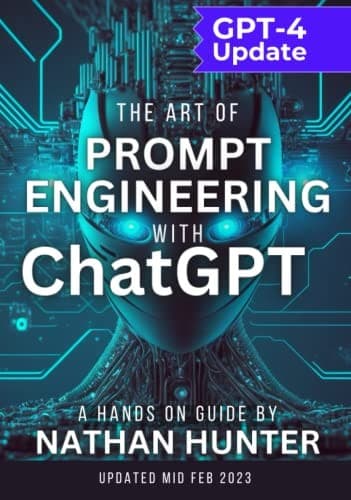
The Art of Prompt Engineering with chatGPT
Nathan Hunter
After “The Art of Prompt Engineering with chatGPT,” you start treating prompts like design: constraints, roles, and examples become levers you can tune, not phrases you hope will work.
Specify role, goal, constraints, then provide examples.
It turns everyday ChatGPT prompting into repeatable patterns, so your outputs improve because your inputs are engineered. That fits prompt engineering as a skill you can practice, not just a collection of tricks.
Prompt Engineering for Generative AI
James Phoenix, Mike Taylor
Finish “Prompt Engineering for Generative AI” and you will be able to map a task to the right prompting approach, across different generative AI use cases, instead of guessing.
Prompting is technique selection, not wording tweaks.
It builds core prompting techniques that generalize beyond one model or one prompt style. That matters when your problem changes: you want a method, not a one-off recipe.
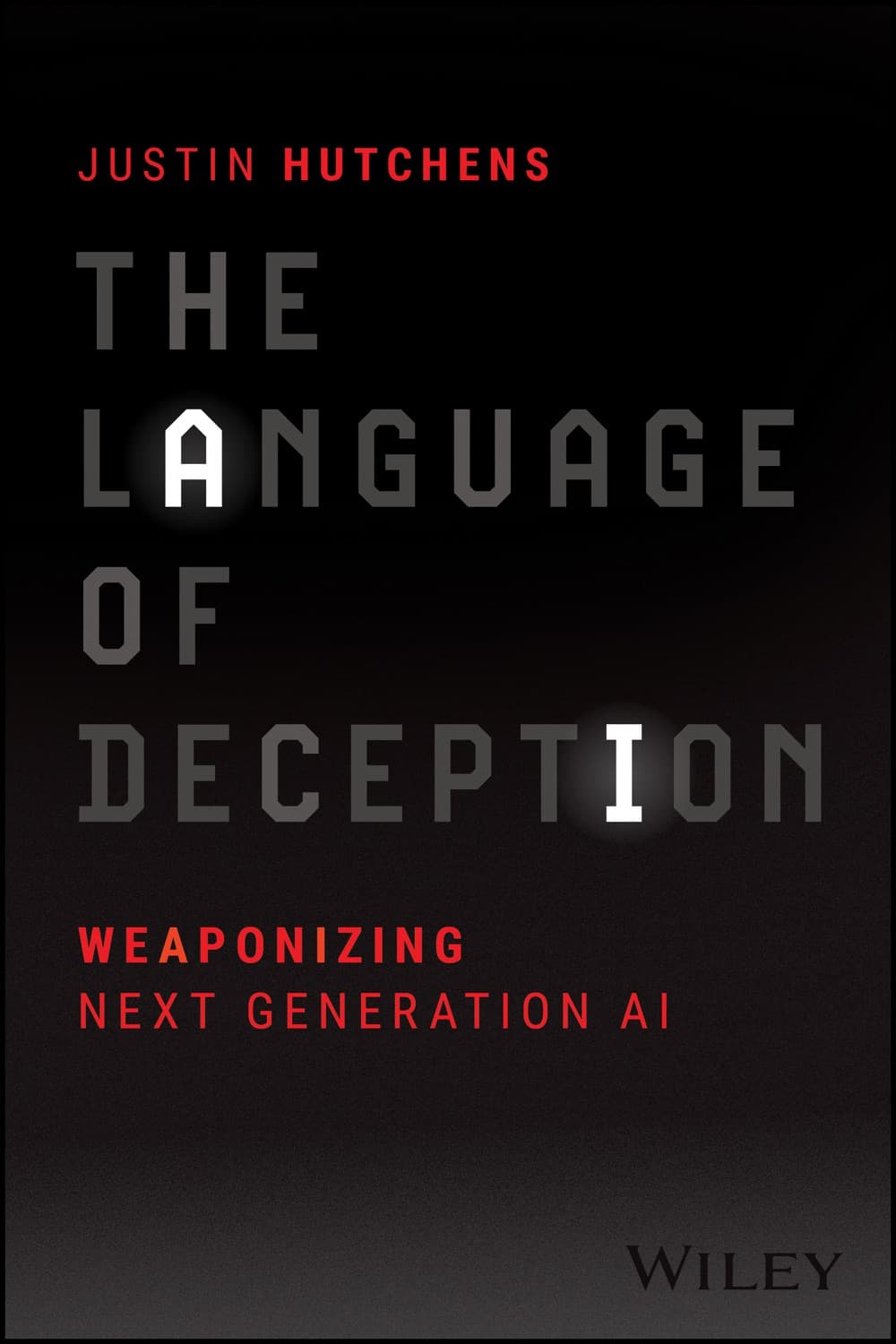
The Language of Deception
Justin Hutchens
“The Language of Deception” reframes prompting as a security surface, where wording choices can invite manipulation, leakage, and failure modes.
Threat-model the prompt, not the model alone.
It adds a practitioner lens on how models can be influenced, which is crucial if you work with real users or sensitive content. For prompt engineering, that means designing prompts that resist exploitation, not just elicit answers.
Hands-On Large Language Models
Jay Alammar, Maarten Grootendorst
“Hands-On Large Language Models” makes prompts feel grounded in how LLMs actually respond, so you can iterate with intent rather than vibes.
Treat prompting as part of the model interaction loop.
Because it is a practical LLM book with strong prompting coverage, you get conceptual clarity alongside hands-on work. That helps when prompt engineering needs to connect to real experimentation and tooling.
Designing Machine Learning Systems
Chip Huyen
After “Designing Machine Learning Systems,” prompt engineering looks less like magic and more like system design: data, evaluation, monitoring, and failure handling all matter.
Define success metrics and monitor drift.
Even though it goes beyond prompting, it gives the operational context you need for LLM apps to behave reliably. For prompt engineering, that means you will evaluate prompts like production components, not experiments.
Building LLMs for Production
Louis-François Bouchard, Louie Peters
“Building LLMs for Production” pushes you to make prompting production-grade: robust inputs, evaluation, and practical engineering trade-offs show up immediately.
Evaluate prompts like production features.
It is explicitly production-focused, with prompt design among the core techniques, so your prompts are evaluated and maintained as part of a system. That matters if you want prompt engineering to hold up outside demos.
Can we tailor this list for you?
Type your question in the bar below and the AI will tailor a fresh set of picks just for you.