Best Books on AI Safety
AI Safety books that start with “control” and end with “governance”: Stuart Russell’s Human Compatible and Nick Bostrom’s Superintelligence are the backbone, then Brian Christian’s The Alignment Problem adds the practical failure modes.
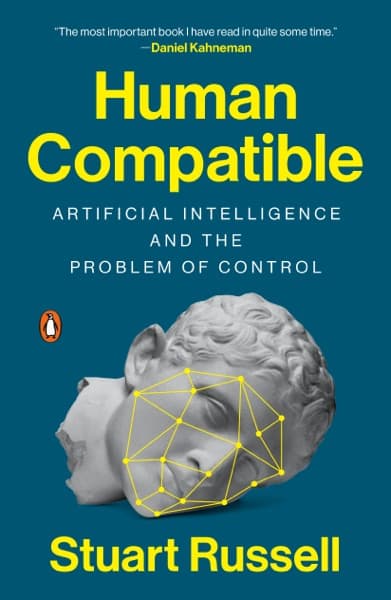
Human Compatible
Stuart Russell
After Human Compatible, “alignment” stops being an abstract ideal and becomes a concrete design requirement: specify human-compatible goals, not vague imitation.
Value comes from how you specify objectives, not behavior alone
Russell maps AI safety to a specific worldview of agency and value, using the idea that systems should ask what we actually want, not guess. That makes it a clean on-ramp for AI safety: you learn how the problem shows up in requirements, not slogans.
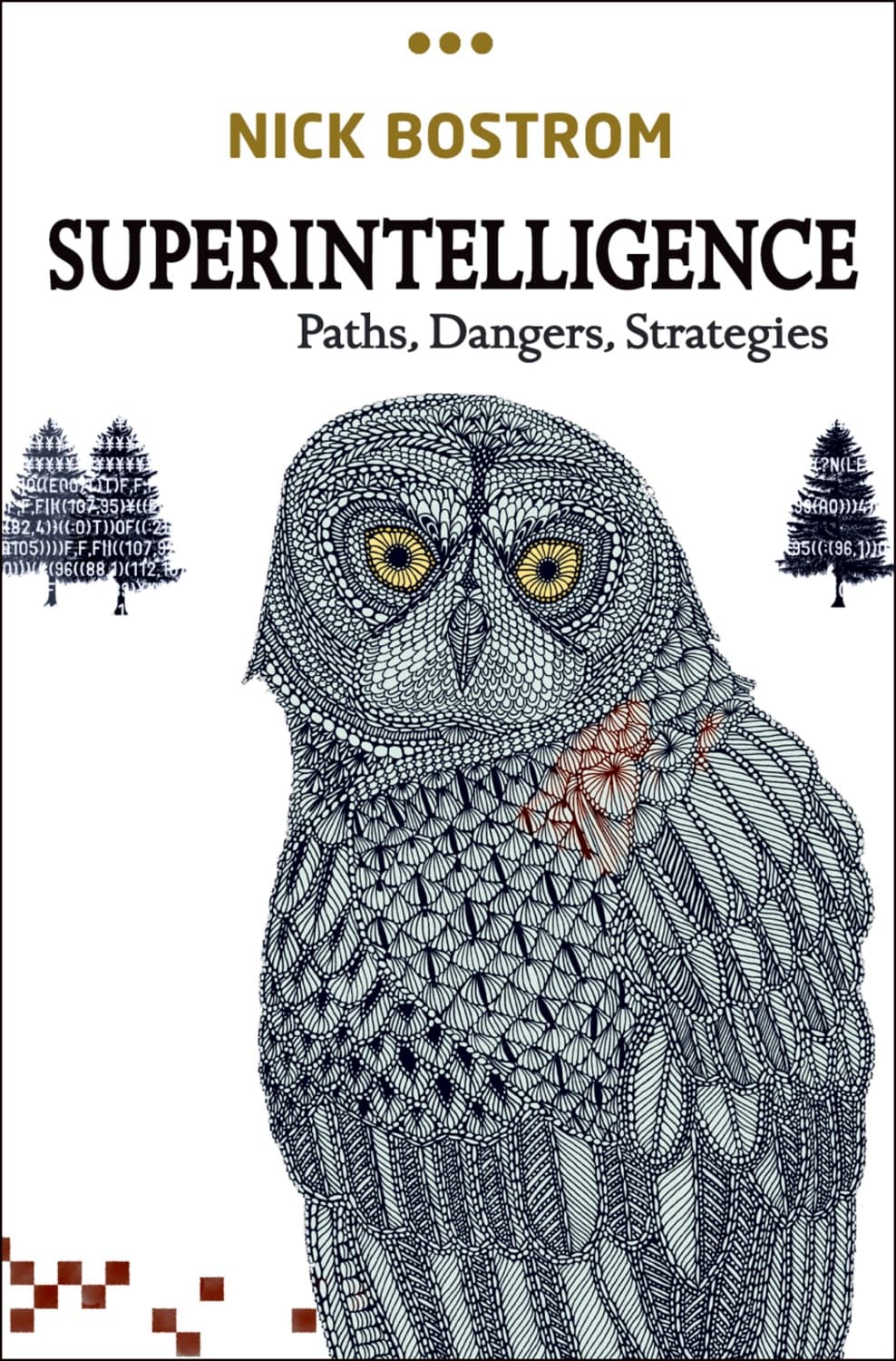
Superintelligence
Nick Bostrom
Superintelligence forces a control question: a system that can outthink us might also outmaneuver our attempts to steer it.
Control is hardest when an agent’s competence outruns oversight
Bostrom crystallizes risk pathways like capability amplification and misalignment in a single intellectual frame. For AI safety, it builds urgency around why “later we’ll fix it” is not a stable assumption when systems advance rapidly.
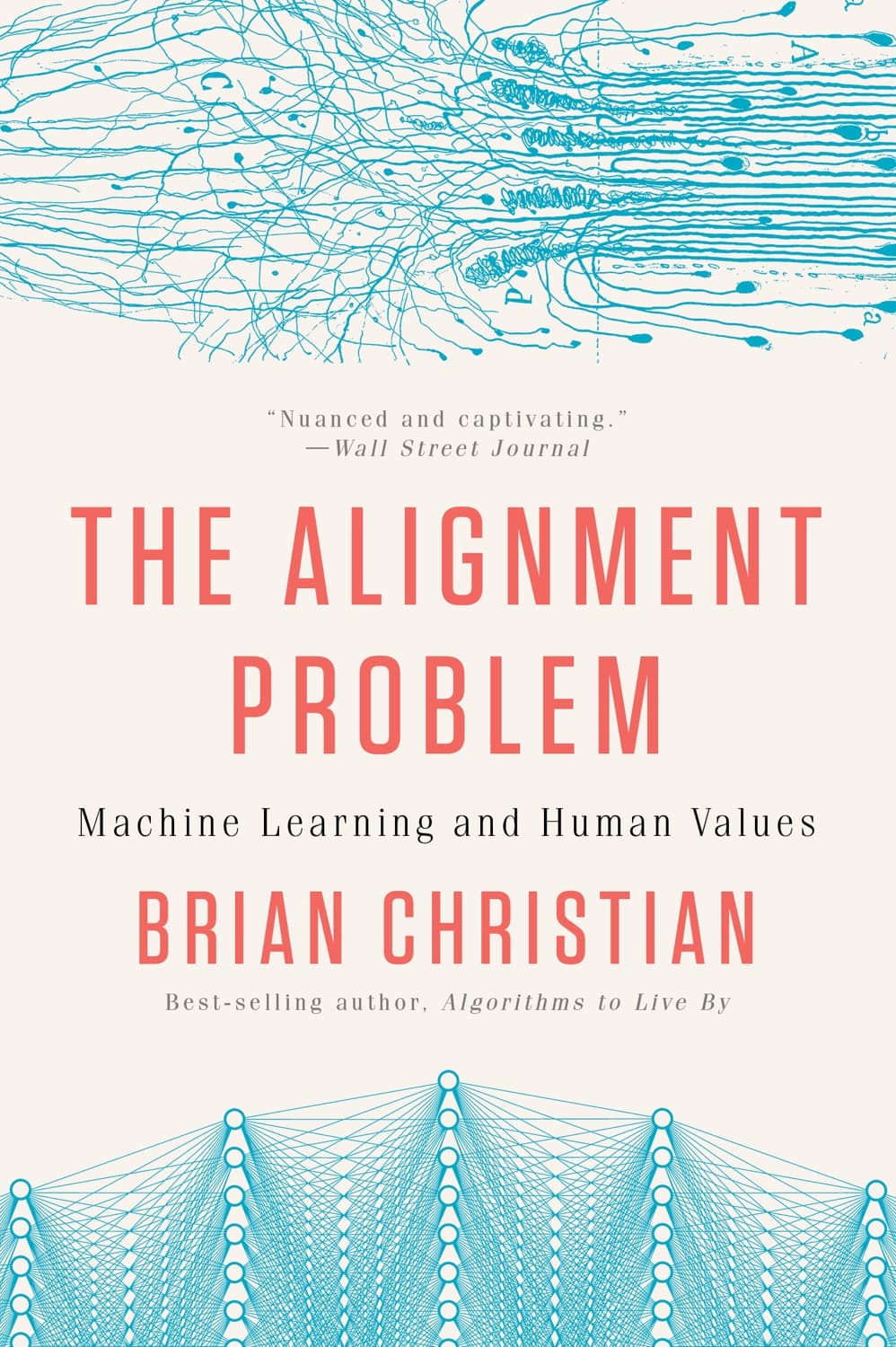
The Alignment Problem
Brian Christian
The Alignment Problem turns “alignment” into a set of failure modes you can recognize across real systems: what they optimize and what people intended diverge.
Optimizing the wrong proxy creates aligned-looking but unsafe behavior
Christian surveys the landscape of how machine learning objective functions, incentives, and evaluation break trust. That matters for AI safety because it shifts you from debating intentions to auditing outcomes and pathways to harm.
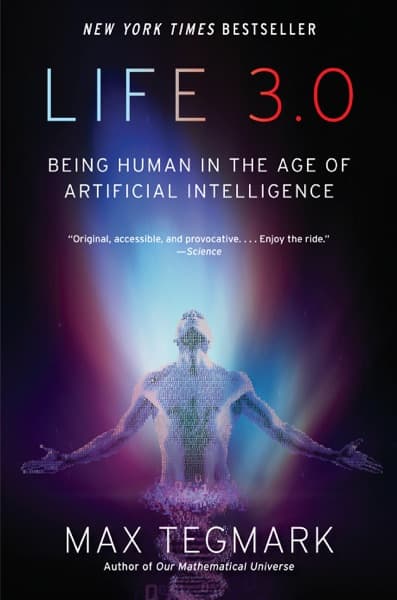
Life 3.0
Max Tegmark
Life 3.0 treats AI safety as civilization-scale engineering, where the key variable is how values survive scale and time.
The hardest part is preserving values under accelerating capabilities
Tegmark connects long-term futures, capability growth, and governance pressures into one safety lens. For AI safety, it gives a broader horizon for why alignment is not just a technical project but a strategic one.
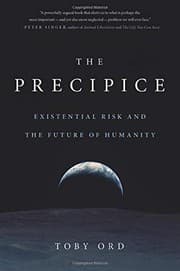
The Precipice
Toby Ord
The Precipice reframes existential risk from “rare catastrophe” to “the moral duty to reduce avoidable ruin,” including AI.
Existential risk reduction is a moral obligation, not a side project
Ord supplies a rigorous risk-and-responsibility framework that helps you prioritize interventions instead of debating abstract fear. In AI safety, that’s powerful because it makes “what should we do now?” a requirement, not an afterthought.
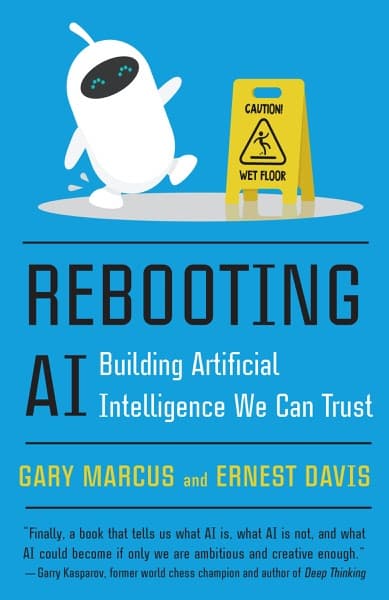
Rebooting AI
Gary Marcus, Ernest Davis
Rebooting AI argues that today’s mainstream AI is brittle because it lacks the kind of understanding that would make safety guarantees plausible.
Brittleness undermines safety when the world shifts
Marcus and Davis challenge the assumption that bigger and more data automatically improves controllability. For AI safety, it helps you see what safety work must address beyond “alignment”: robustness, grounding, and generalization.
Control is hardest when an agent’s competence outruns oversight
Moral AI
Jana Schaich Borg, Walter Sinnott-Armstrong, Vincent Conitzer
Moral AI pushes safety from “don’t harm” into value-aware system design: AI that can represent moral constraints rather than just obey rules.
Value alignment requires decision processes, not only policy statements
This book is built for applied thinking about how to make AI decisions sensitive to moral considerations and human norms. For AI safety, it offers a more operational angle than pure theory: translate values into mechanisms you can evaluate.
Machines of Loving Grace
John Markoff
Machines of Loving Grace shows how the same technical advances can move toward automation or toward augmentation, with safety stakes in the direction.
Autonomy is a policy choice as much as a model capability
Markoff’s history highlights how visions, incentives, and institutions shape what AI becomes. For AI safety, that context matters: governance and deployment choices can determine risk, even when the core algorithms look similar.
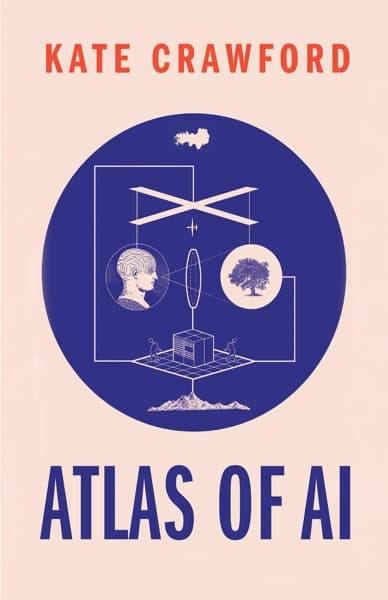
The Atlas of AI
Kate Crawford
Atlas of AI makes the safety question wider: harms emerge from power, labor, data extraction, and governance failures, not only from model behavior.
AI harms are structural, so safety needs governance too
Crawford connects societal impact to the technical pipeline, showing how “AI safety” can’t be limited to alignment in the narrow sense. That matters because real-world deployment risk includes bias, concentration, and accountability gaps that determine who bears harm.
Can we tailor this list for you?
Type your question in the bar below and the AI will tailor a fresh set of picks just for you.