Best Books on Negotiations for introverts
Negotiation for introverts clicks with Chris Voss and Roger Fisher: calibrated questions and principled dialogue reward listening, not loudness. Pair them with Difficult Conversations-style empathy for tense talks without performing confidence.
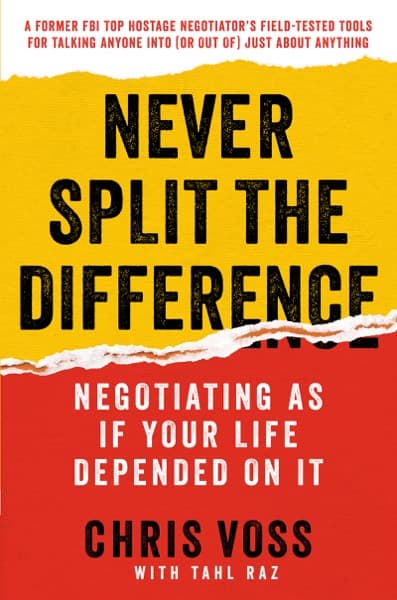
Never Split the Difference
Chris Voss, Tahl Raz
After Voss, you’ll negotiate with labels, not pressure: “No” becomes a tool to slow down and surface real terms.
Labels turn resistance into usable information
This reframes negotiation as real-time emotional calibration: mirror, label, and ask questions that pull out meaning. It fits introverts because the power move is restraint and precision, not dominance.
Getting to Yes
Roger Fisher
The “positions vs. interests” shift helps you stop arguing over what was said and start designing what can be agreed to.
Negotiate interests, not positions
This is the classic collaborative framework built on preparation, listening, and principled communication. For introverts, it offers structure so your quiet strength is clarity: define interests, explore options, and keep emotions from hijacking the room.
Ask for More
Alexandra Carter
A question-led approach replaces aggressive asks, turning “pricing pressure” into an information-gathering conversation.
Questions can generate leverage without confrontation
The book’s core move is to use questions to create room for better outcomes without adopting a confrontational posture. That matches introverts who prefer not to dominate, but still need leverage and confidence.
Bargaining for advantage
G. Richard Shell
Your best negotiations come from strategy, not charisma: learn when to make offers, how to anchor, and how to test alternatives.
Anchors shape what feels “reasonable”
Shell breaks down negotiation styles and tactical thinking while staying readable for reflective readers. Introverts benefit because it treats communication as a toolset you can plan and execute, rather than a personality test.
Difficult Conversations
Douglas Stone, Bruce Patton, Sheila Heen
You’ll stop treating tough dialogue as a battlefield and start mapping what’s driving it: facts, feelings, and identity.
Separate facts, feelings, and identity
It builds confidence for tense talks by giving you framing skills that reduce defensiveness and misunderstanding. For introverts, the payoff is internal: you can prepare the conversation mentally and speak with empathy without forcing yourself into aggressive intensity.
Crucial Conversations
Kerry Patterson, Joseph Grenny, Ron McMillan, Al Switzler, Stephen R. Covey
When the stakes rise, you’ll keep the conversation safe enough for honesty by controlling the emotional “starting point.”
Start with safety, then share your point
This teaches structured dialogue for high-stakes moments so you don’t either withdraw or steamroll. Introverts gain a repeatable method for staying engaged and clear even when the room gets tense.
Negotiate interests, not positions
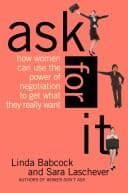
Ask for it
Linda Babcock, Linda Babcock, Sara Laschever
The book exposes a common trap: people who wait to be “chosen” often lose leverage before the conversation even starts.
Practice the ask, not just the wish
It focuses on self-advocacy through the mechanics of asking, especially when confidence feels awkward. For introverts, it turns assertiveness into a process you can practice: request clearly, justify calmly, and persist without escalating.
Can we tailor this list for you?
Type your question in the bar below and the AI will tailor a fresh set of picks just for you.