Best Books on Historic Peace Negotiations
Historic peace negotiations take real shape in the bargaining rooms: Margaret MacMillan’s Peacemakers shows the Paris talks’ moral and logistical grind, and the other picks track how ceasefires become treaties.
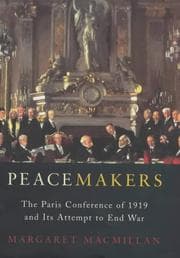
Peacemakers
Margaret MacMillan
Peacemakers shows the Paris settlement as a world of overlapping negotiations, where one compromise reshapes the next dispute.
Negotiated outcomes reflect choices made under moral trade-offs.
This edition again returns to the Paris Peace Conference, but the argument remains the same: peace treaties emerge from negotiation dynamics under moral and administrative strain. It is especially useful if your goal is to understand how historic peace negotiations become long-lived political consequences.
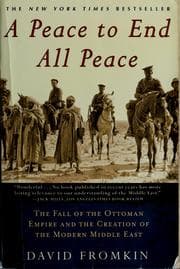
A Peace to End All Peace
David Fromkin
A Peace to End All Peace frames the post World War I settlement as wartime diplomacy carried into a new political architecture.
Treaties inherit wartime bargains and their blind spots.
Fromkin connects the logic of wartime bargaining to the making of the settlement that followed, showing how promises and misunderstandings harden. If you care about historic peace negotiations, you get the causal chain from negotiation language to later instability.
The Middle East
William B. Quandt
Camp David negotiations become legible in The Middle East: documents, pressure, and leadership each move the same outcome.
Key breakthroughs hinge on leadership choices under timing pressure.
Quandt’s insider-style history keeps the spotlight on how Egypt and Israel translated military realities into negotiable terms. For historic peace negotiations, it sharpens your sense of what changes at the table versus what stays fixed in the real world.
The Search for Modern China
Jonathan D. Spence
Spence treats treaties and diplomatic settlements as engines of modern state power, not background history.
Settlements work when enforcement and legitimacy travel together.
While broader than a single peace process, the book gives you a sustained view of how states negotiate order through agreements and enforcement. That matters for historic peace negotiations because it shows how settlements rely on institutions, not just signatures.
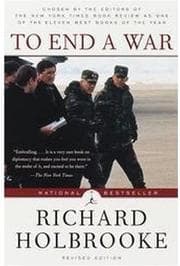
To End a War
Richard Holbrooke
To End a War shows the Dayton Peace Accords not as an idea but as a negotiated mechanism built through leverage and monitoring.
Dayton-style deals require credible implementation, not only text.
Holbrooke offers a participant’s map of how bargaining shifts under battlefield pressure and political constraints. For historic peace negotiations, it focuses attention on the sequencing: agreements need implementation pathways to survive.
Getting to Yes
Roger Fisher
Getting to Yes changes the lens: it pushes negotiators to separate positions from interests when talks stall.
Separate people from the problem, then focus on interests.
Fisher and Ury distill negotiation logic from real disputes into usable methods, so you can track why negotiators break deadlocks. For historic peace negotiations, it gives you a framework to interpret bargaining strategy across very different wars and cultures.
Treaties inherit wartime bargains and their blind spots.
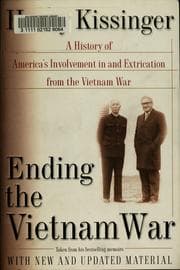
Ending the Vietnam War
Henry Kissinger
Ending the Vietnam War reads like policy inside a pressure cooker, where every formula is weighed against political risk.
Negotiation outcomes track strategic leverage and domestic constraints.
As a major participant account, it reveals how strategic calculations and domestic constraints shape peace terms. If you want historic peace negotiations, it provides the hard-edged logic behind how deals are made, defended, and sometimes limited by power.
The Missing Peace
Dennis Ross
The Missing Peace treats the Arab Israeli peace process as a negotiation of timing, sequencing, and trust-building credibility.
Sequencing and credibility often matter more than rhetoric.
Ross foregrounds how diplomatic windows open and close, and how operational steps affect political permission to sign. For historic peace negotiations, it helps you see peace-making as a chain of decisions rather than a single summit.
Can we tailor this list for you?
Type your question in the bar below and the AI will tailor a fresh set of picks just for you.