Best Books on Diplomatic Negotiations
Diplomatic negotiations become legible through Henry Kissinger’s Diplomacy and Harold H. Saunders’s The Other Walls, then sharpen with Mnookin’s Bargaining with the Devil: you learn how power, process, and risk shape outcomes.
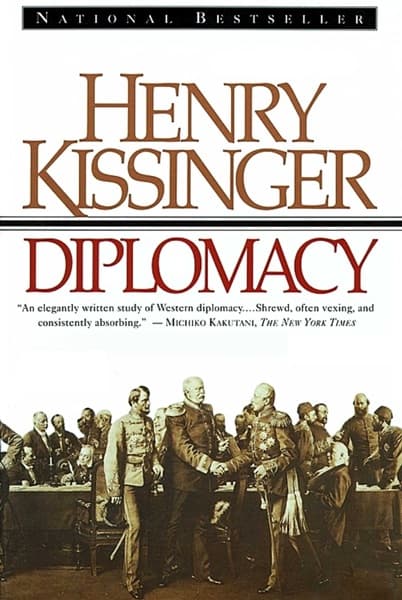
Diplomacy
Henry Kissinger
After finishing Diplomacy, diplomacy feels less like etiquette and more like a disciplined way to manage power, uncertainty, and timing under pressure.
Power, interest, and timing drive negotiation outcomes.
Kissinger builds a grand, practitioner's map of statecraft, where negotiation is inseparable from strategy, alliances, and leverage. It fits diplomatic negotiations because it teaches you to read the system the negotiators are operating inside, not just the bargaining room.
The Other Walls
Harold H. Saunders
The Other Walls turns “behind-the-scenes” diplomacy into a usable craft by showing how private channels can unlock what public statements freeze.
Use quiet channels to change public positions.
Saunders offers a veteran diplomat's framework for negotiations that hinge on trust, messaging, and sequencing. That matters when diplomatic negotiations stall, because he explains the alternative pathways that keep talks moving without demanding immediate public agreement.
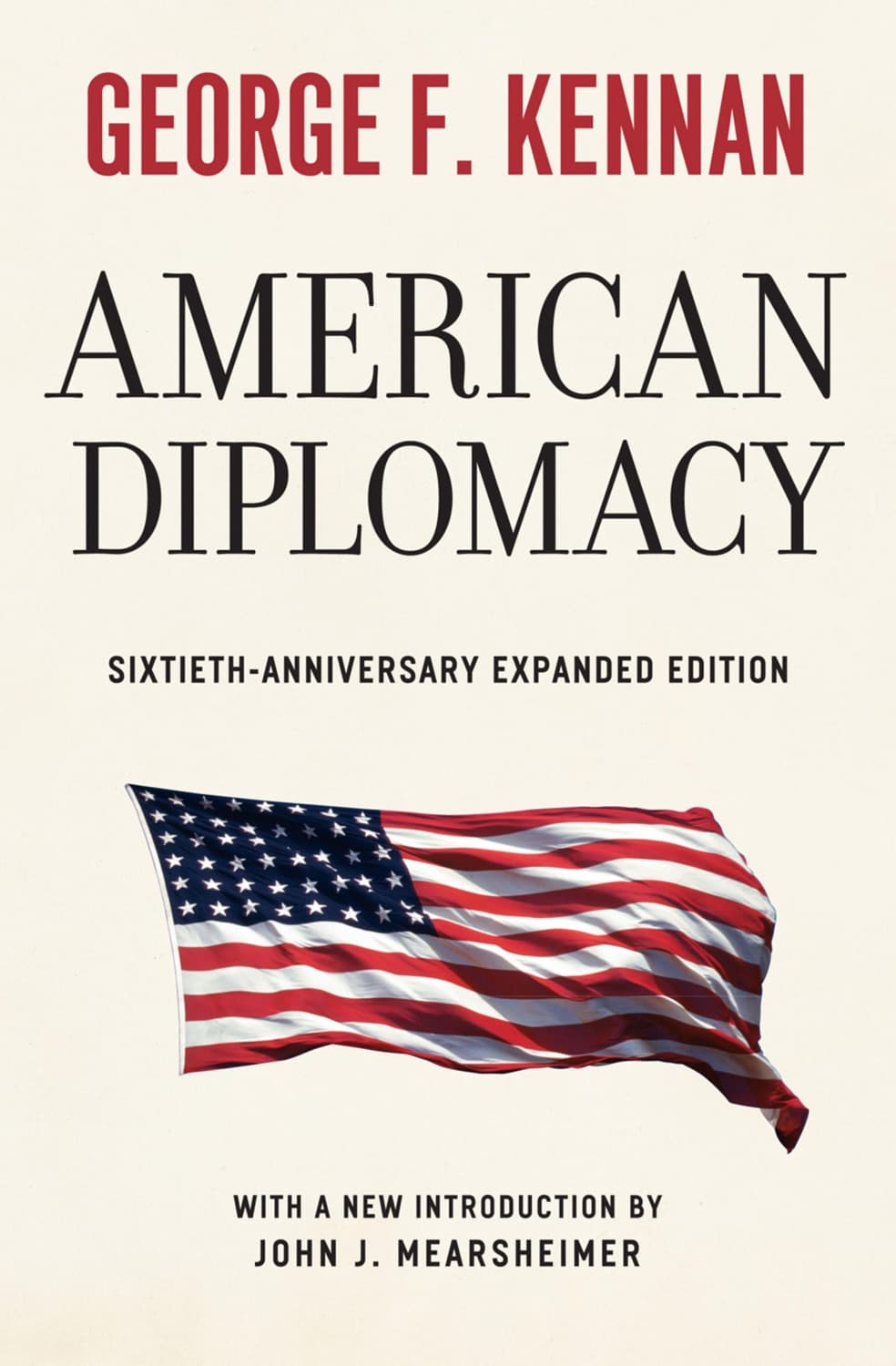
American Diplomacy
George F. Kennan
American Diplomacy changes how you view negotiation by centering disciplined statecraft: ends, means, and the honest limits of what bargaining can deliver.
Strategy starts with clear, realistic political aims.
Kennan reflects on how diplomacy should be conducted, including how to think strategically rather than reactively. For diplomatic negotiations, it helps you form better negotiating aims and understand the longer arc that agreements must serve.

Satow's Diplomatic Practice
Ivor Roberts
Satow's Diplomatic Practice makes diplomatic negotiation feel procedural in the best way: it reduces friction by clarifying roles, representation, and proper conduct.
Know who speaks for whom before bargaining.
This reference grounds negotiation in how diplomacy actually works day to day, including protocol and practical conduct. For diplomatic negotiations, that matters because many real stalls come from misunderstandings about authority, procedure, and who can commit what.

Negotiating a Complex World
Brigid Starkey, Mark A. Boyer, Jonathan Wilkenfeld
Negotiating a Complex World gives you a lens for messy negotiations: multiple actors, shifting stakes, and uncertainty become analyzable rather than overwhelming.
Complexity demands structured analysis of interests.
It serves as a clear introduction to international negotiation dynamics and what tends to shape outcomes. If you want diplomatic negotiations that work across real-world complexity, this helps you build the mental model before you dive into case history or memoir.
Getting to Yes
Roger Fisher
Getting to Yes replaces positional bargaining with a repeatable method that keeps negotiations moving when both sides can’t agree on demands.
Separate people from the problem.
Fisher and Ury translate negotiation into practical principles: interests, options, and neutral standards. That matters for diplomatic negotiations because it offers a disciplined way to search for workable agreements even when the official positions are incompatible.
Use quiet channels to change public positions.

The Sleepwalkers
Christopher Clark
The Sleepwalkers makes prewar diplomacy feel like a chain of small miscalculations and rigid assumptions that escalated fast beyond control.
Miscalculation and timetable pressure can override restraint.
Clark’s narrative shows how bargaining and diplomacy can fail through misunderstanding, timetable pressure, and domestic and alliance dynamics. For diplomatic negotiations, it sharpens your risk instincts by showing how seemingly rational moves can compound into catastrophe.
To Move the World
Jeffrey D. Sachs
To Move the World shows diplomacy as sustained problem-solving: negotiations become a mechanism for coordinating incentives around global obligations.
Multilateral deals hinge on implementation incentives.
Sachs focuses on major negotiations tied to sustainable development and development cooperation. That matters for diplomatic negotiations because it illustrates how talks evolve when goals are long-term, multilateral, and entangled with funding and implementation.

The Back Channel
William J. Burns
The Back Channel reveals how outcomes often turn on private negotiations: trust-building, language discipline, and strategic patience inside high-stakes conversations.
Back channels work when trust precedes commitments.
Burns writes from the inside, centering real diplomatic negotiation dynamics and statecraft trade-offs. For diplomatic negotiations, it helps you see what “process” actually looks like when the stakes are existential and public politics constrain options.

Bargaining with the Devil
Robert Mnookin
Bargaining with the Devil reframes negotiation with hard counterparts as a problem of managing credibility, risk, and coercion rather than just exchanging offers.
Negotiate the terms of interaction, not just outcomes.
Mnookin provides a structured way to think about difficult negotiations where normal incentives don’t apply cleanly. That matters for diplomatic negotiations because many real diplomatic talks involve threats, uncertainty, and the danger that engagement could worsen outcomes.
Can we tailor this list for you?
Type your question in the bar below and the AI will tailor a fresh set of picks just for you.