Best Books on enterprise sales negotiation
Enterprise sales negotiation gets sharper with Roger Fisher’s Getting to Yes and Chris Voss’s Never Split the Difference. One gives you principled leverage; the other trains you to de-escalate, uncover needs, and steer outcomes.
Getting to Yes
Roger Fisher
You stop bargaining over positions and start negotiating over interests, so the “win” becomes a jointly built agreement.
Negotiate interests, not positions
It gives a clear, repeatable way to keep negotiations constructive under pressure, which maps directly to enterprise deal back-and-forth. Use it to separate what a buyer says they want from what they actually need, then craft terms that both sides can defend.
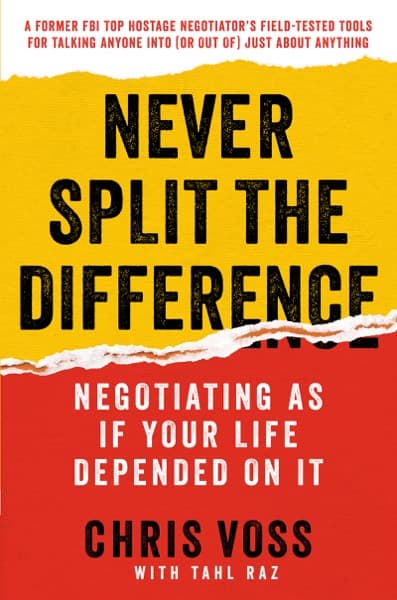
Never Split the Difference
Chris Voss, Tahl Raz
Mirror-and-label turns adversarial moments into clarity, letting you regain control without escalating the conflict.
Label the emotion, then ask a calibrated question
It translates negotiation psychology into practical language moves that matter in executive-level enterprise calls. When enterprise stakeholders push, delay, or threaten, these tactics help you surface the real concern and move the conversation toward terms.
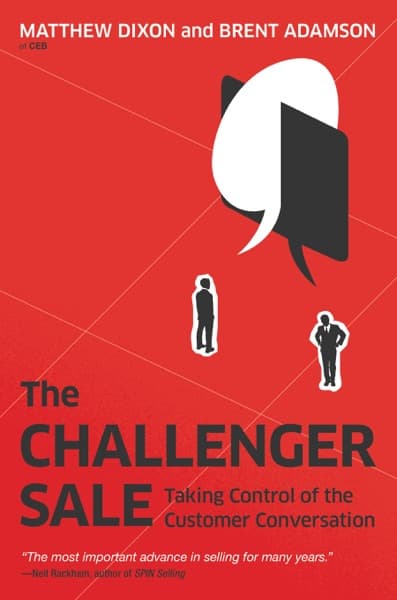
The challenger sale
Matthew Dixon, Matthew Dixon, Brent Adamson
Commercial conversations improve when you bring structure and challenge, not friendliness and consensus-seeking.
Reframe the buyer’s status quo
It reframes how enterprise sellers lead negotiation: diagnose the buyer’s current thinking, then force better questions and sharper decisions. This matters because large deals often stall when no one reframes the underlying assumptions.
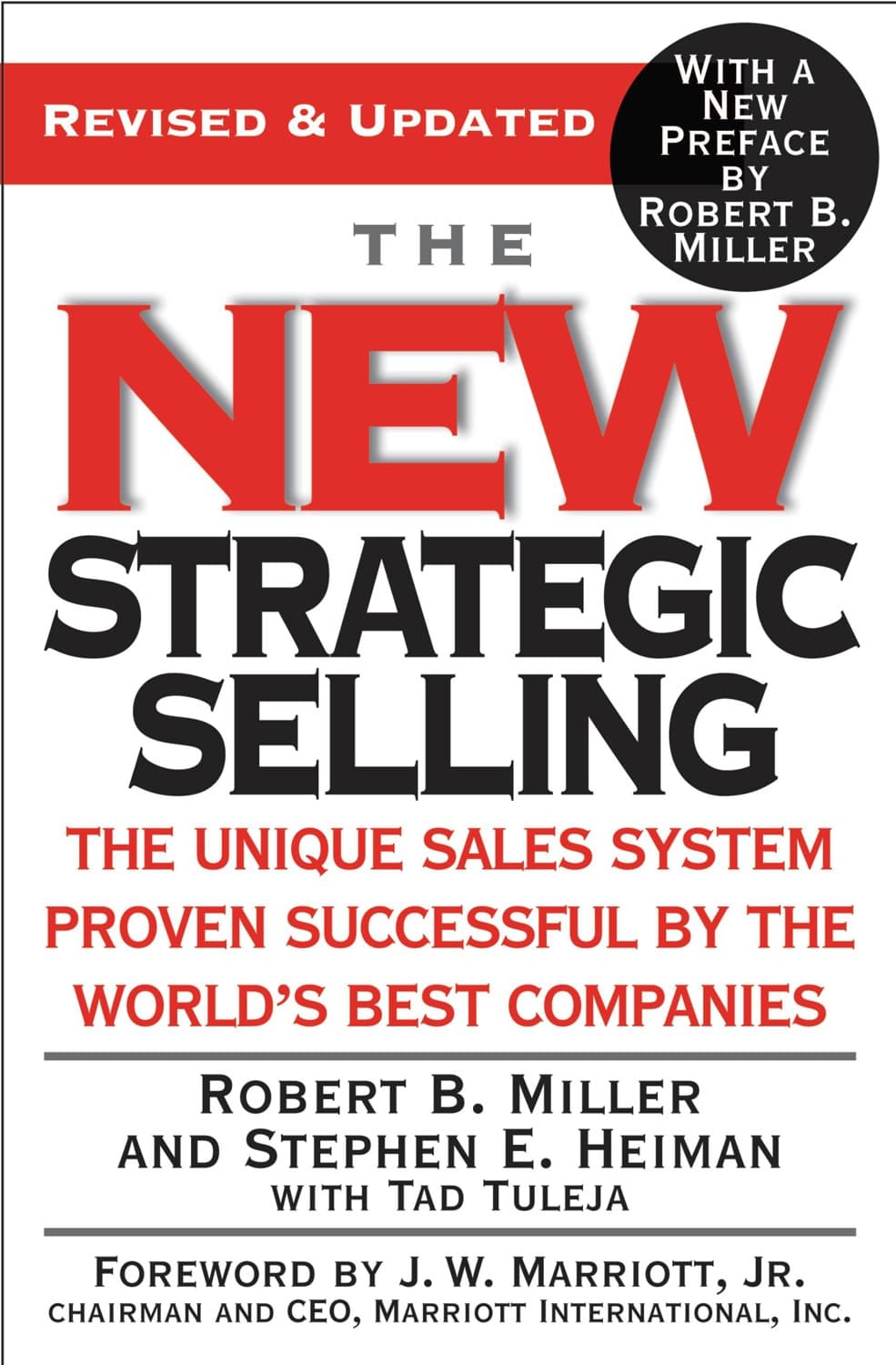
The New Strategic Selling
Robert B. Miller, Stephen E. Heiman, Tad Tuleja
Major accounts are won by influencing complex buying committees, not by persuading a single decision-maker.
Map the buying process and decision criteria
It focuses on how enterprise buyers actually decide, so your negotiation strategy matches the real power map. That perspective helps you craft proposals that address multiple internal interests at once, reducing friction late in the deal.
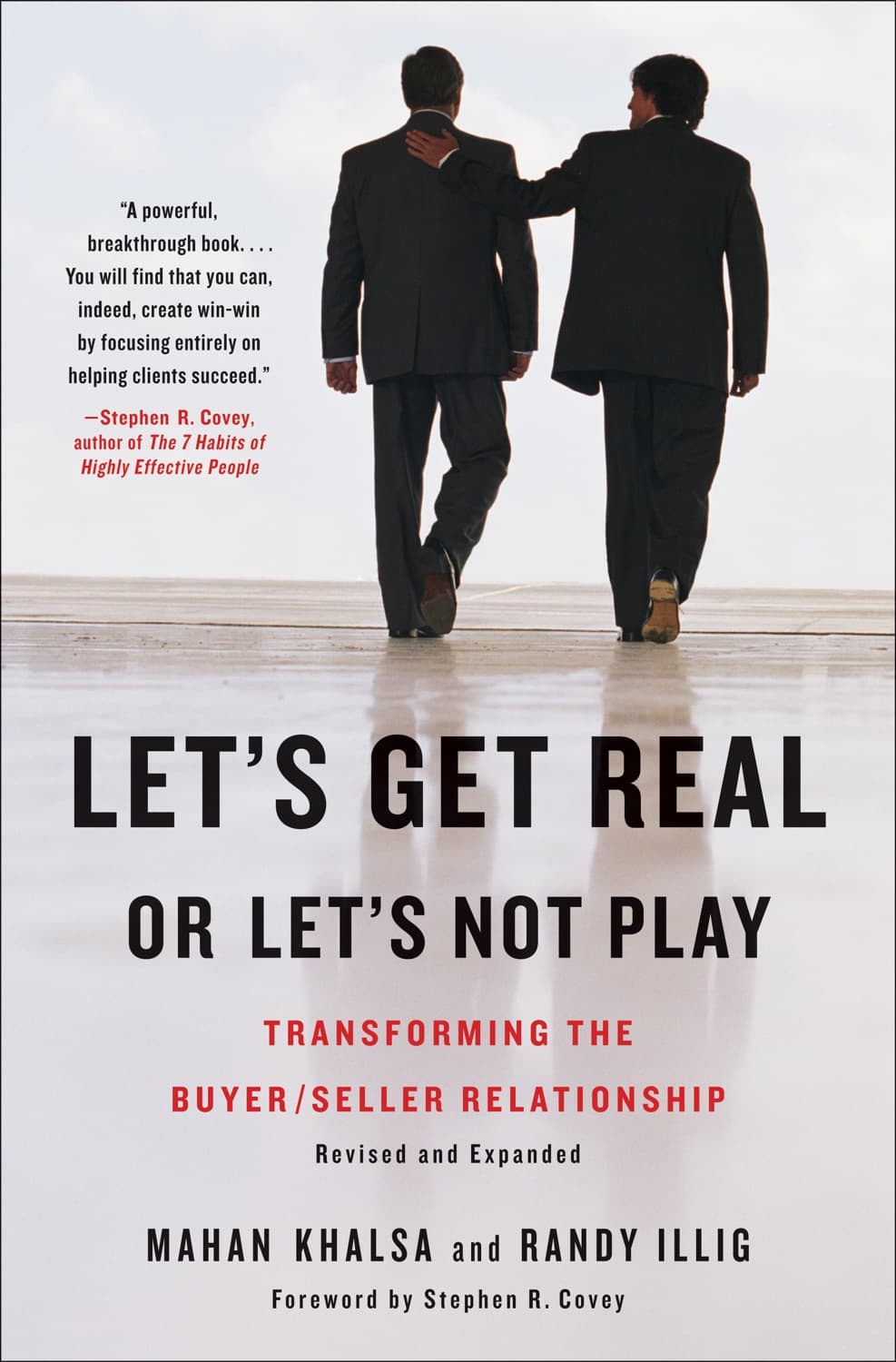
Let's Get Real or Let's Not Play
Mahan Khalsa
The fastest way to protect margin is to qualify for mutual fit early, so you negotiate from substance instead of hope.
Qualify before you sell the dream
It sharpens how enterprise sellers earn the right to negotiate by setting expectations and disqualifying misaligned deals. That changes your negotiation posture: fewer last-minute demands, cleaner terms, and less “re-trading” later.
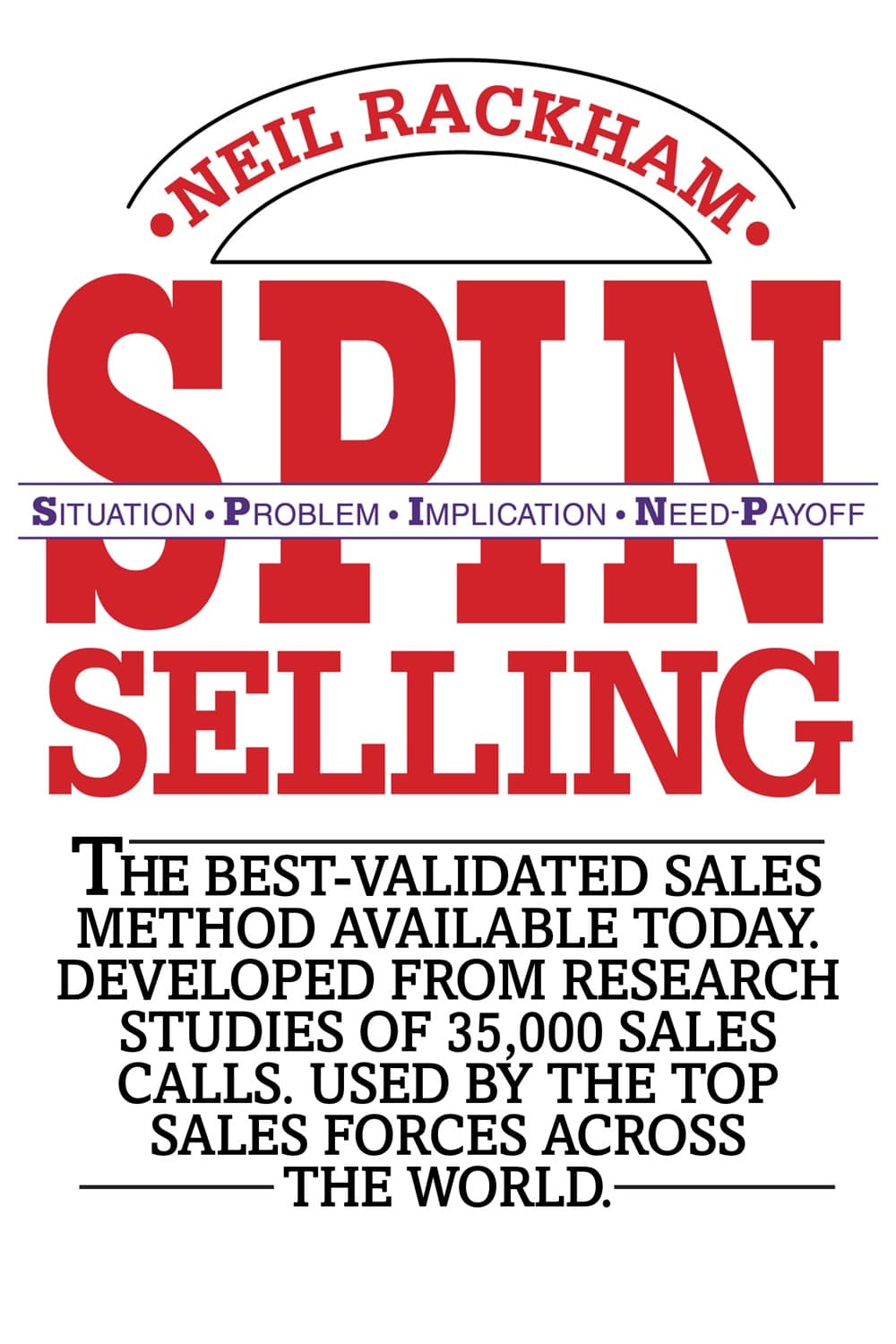
SPIN selling
Neil Rackham
Question-driven discovery replaces pitch wars, so objections become information rather than resistance.
Use Situation-Prolem-Implication-Need payoff
Enterprise negotiations often fail because neither side fully defines the problem and impact. SPIN gives you a way to uncover urgency and decision drivers, which then strengthens your leverage when discussing terms.
Label the emotion, then ask a calibrated question
Gap Selling : Getting the Customer to Yes
Keenan
A deal moves forward when you quantify the gap between the current state and the desired business outcome.
Create and close the business value gap
It helps you negotiate from economics and urgency, not preferences, which is critical in enterprise cycles with many stakeholders. When the buyer can’t ignore the gap, your terms feel less like pressure and more like the solution to a real cost.
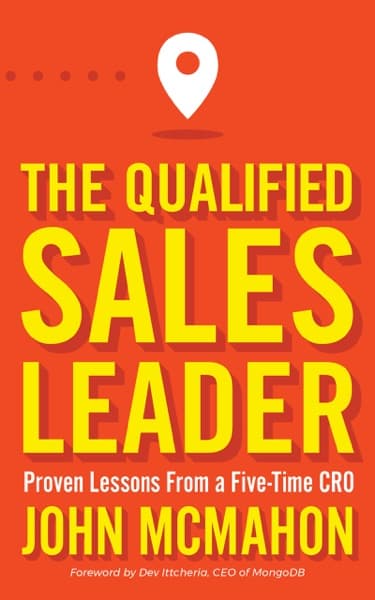
The Qualified Sales Leader
John McMahon
Great enterprise negotiation starts with qualification rigor, so the “yes” is earned from reality, not persuasion.
Qualification reduces late-stage negotiation churn
It brings a modern enterprise lens to qualification and deal management, which prevents unproductive bargaining over deals that should have been ruled out. That directly improves negotiation outcomes because it reduces late-stage ambiguity and mismatched priorities.
Can we tailor this list for you?
Type your question in the bar below and the AI will tailor a fresh set of picks just for you.